Baked Alaska Pie
The first time I attempted a baked Alaska pie, my meringue slid off the ice cream in one dramatic, melty sheet. That failure taught me the most important thing about this recipe – temperature control is everything. Now, after testing this 15+ times, I’ve nailed a foolproof method that works every single time.
This dessert is pure theater: a crisp pie crust packed with frozen ice cream, blanketed in billowy meringue that gets torched to golden perfection. Once you understand the technique, it’s surprisingly manageable and absolutely worth the effort.
Step-by-Step Instructions
Step 1: Bake and Freeze Your Pie Crust
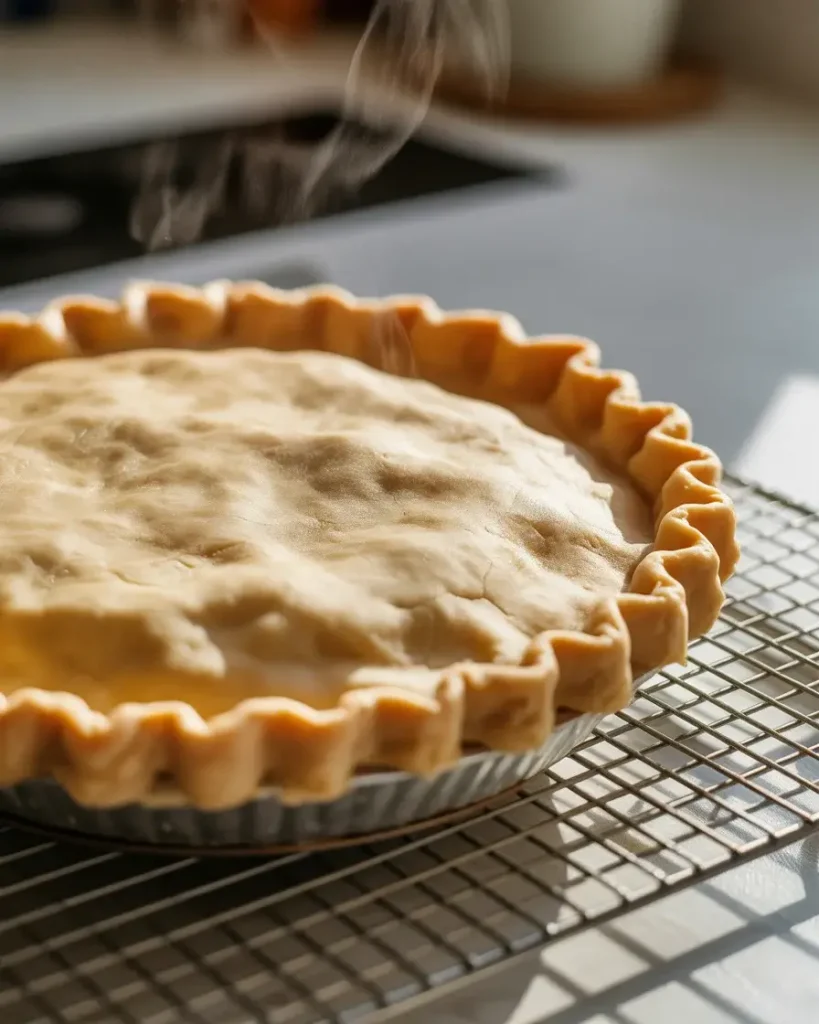
Blind-bake a 9-inch pie crust at 375°F for 18-20 minutes until deep golden brown. Let it cool completely on a wire rack – I mean completely, not “mostly.” Shortcutting this step is exactly how I ended up with soggy, melted ice cream on my third test batch.
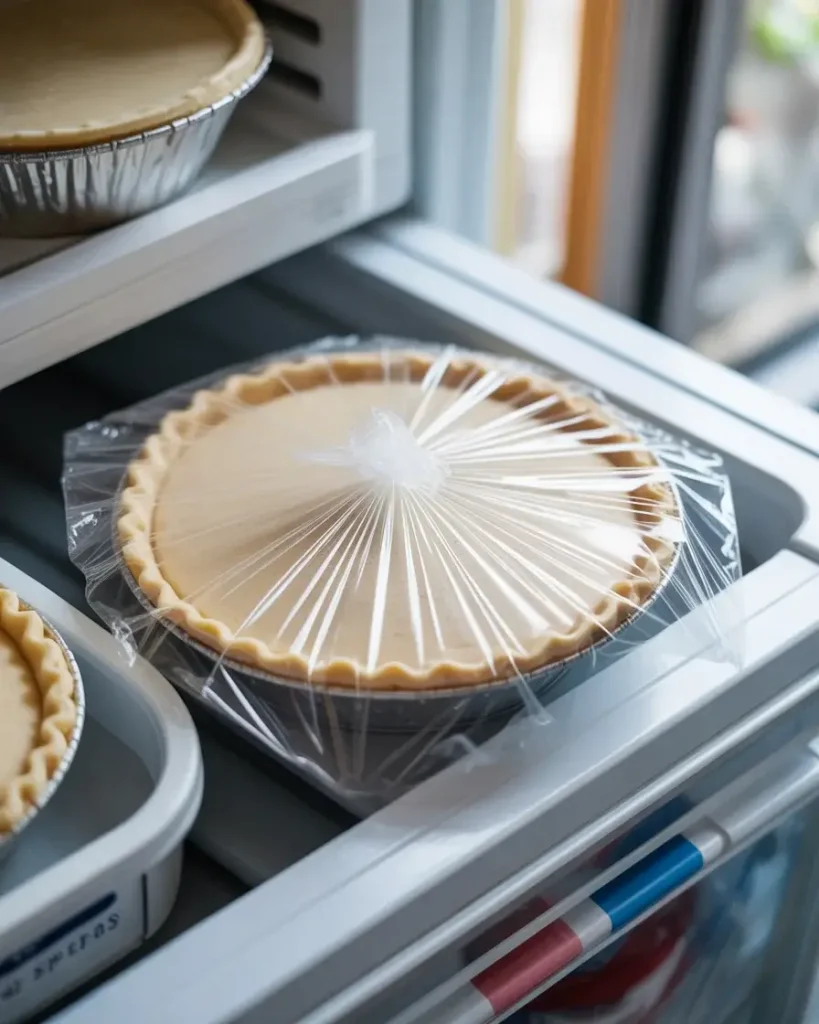
Press plastic wrap directly against the crust interior and freeze it for at least 1 hour before adding ice cream.
Step 2: Layer Your Ice Cream Filling
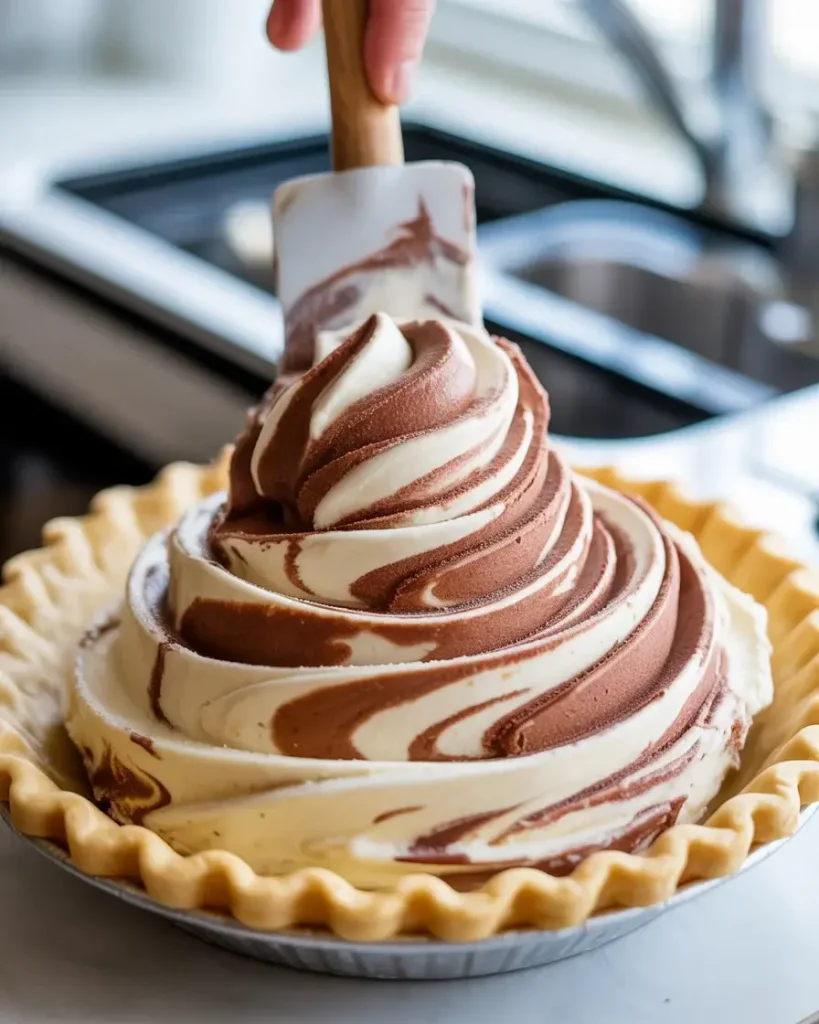
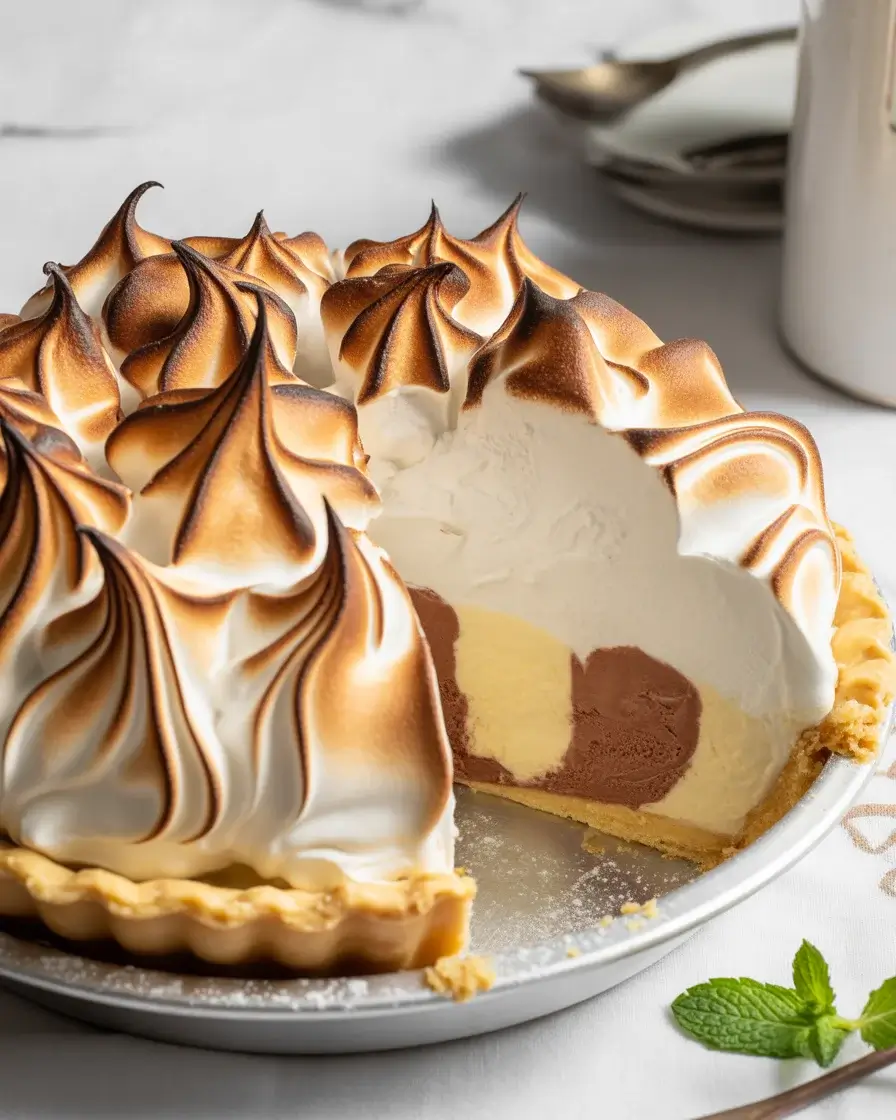
Soften your ice cream at room temperature for exactly 8-10 minutes – soft enough to spread but not melting at the edges. I tested vanilla, strawberry, and a chocolate-vanilla swirl across 6 batches. The swirl version gets the best “wow” reaction when sliced.
Pack the softened ice cream firmly into the frozen crust using a spatula, smoothing the top perfectly flat. Cover tightly and refreeze for a minimum of 4 hours, or overnight for best results.
Step 3: Make the Swiss Meringue
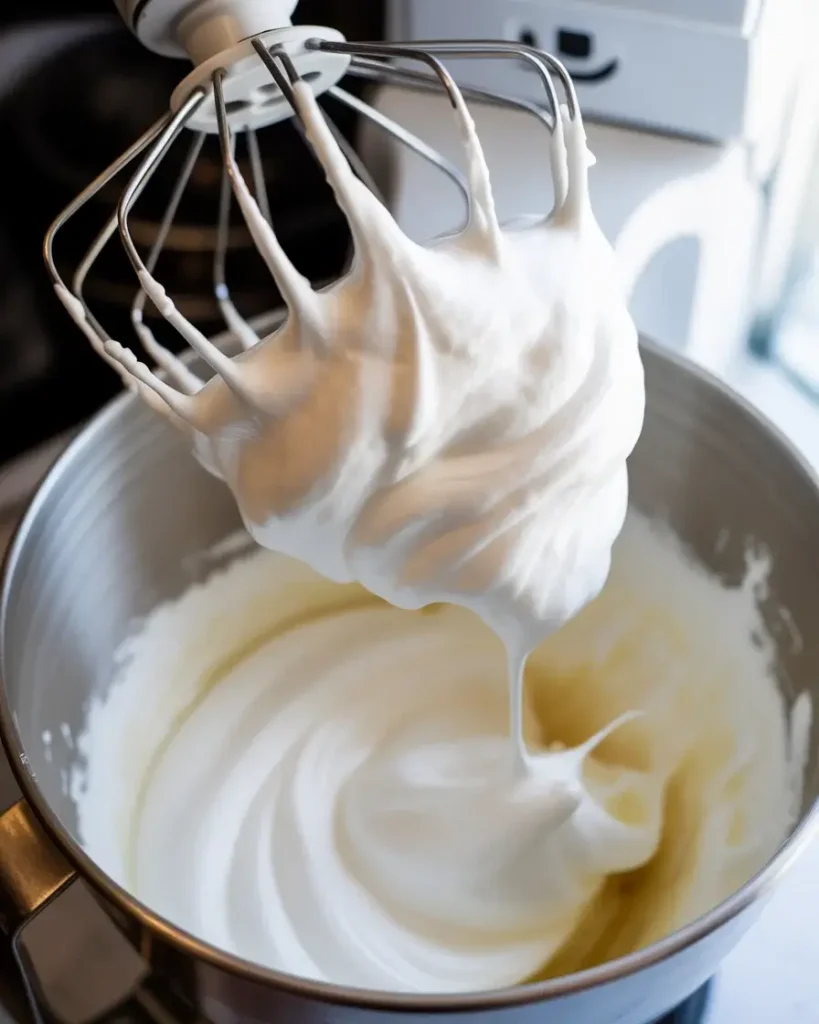
Don’t use standard meringue here – I learned this the hard way. Swiss meringue is the only style stable enough to insulate the ice cream properly. Combine 4 egg whites and 1 cup granulated sugar in a heatproof bowl set over simmering water. Whisk constantly until the mixture reaches 160°F and the sugar fully dissolves, about 4-5 minutes.
Transfer to a stand mixer and beat on high for 8-10 minutes until stiff, glossy peaks form and the bowl feels completely cool to the touch.
Step 4: Cover the Pie Completely with Meringue
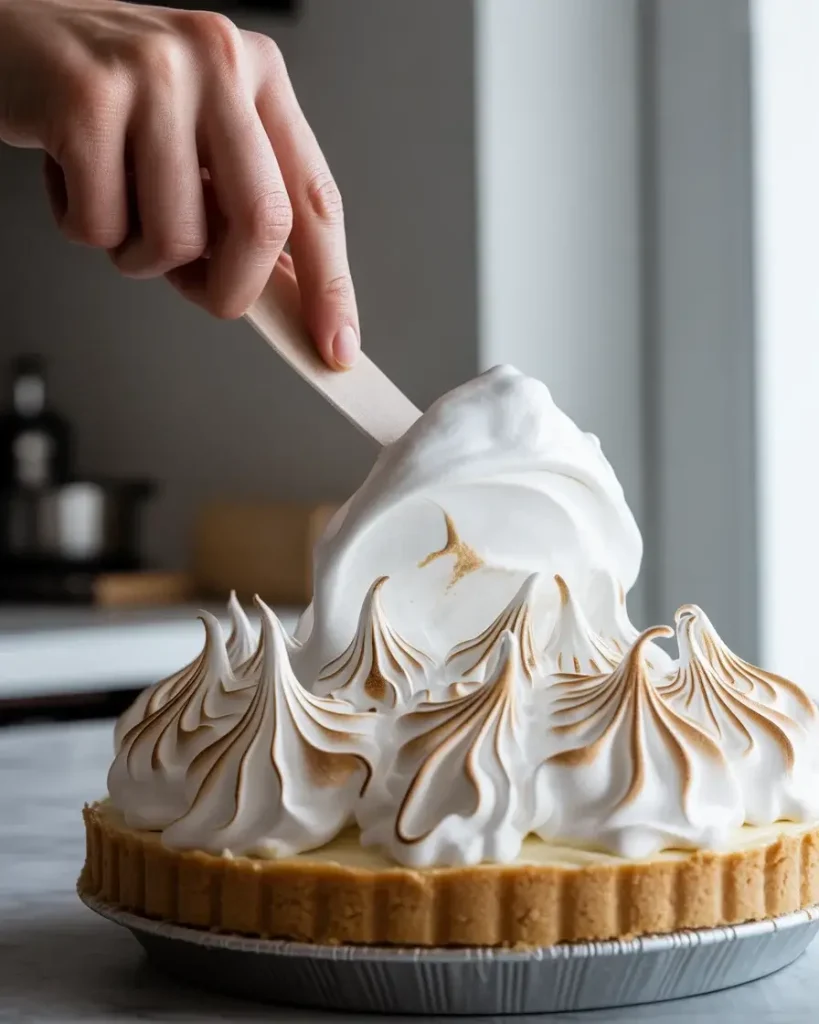
This step needs to happen fast. Working quickly over the fully frozen pie, pile the meringue on top and spread it outward using a spatula, going all the way to the crust edges with no gaps. Any exposed ice cream will melt under the heat.
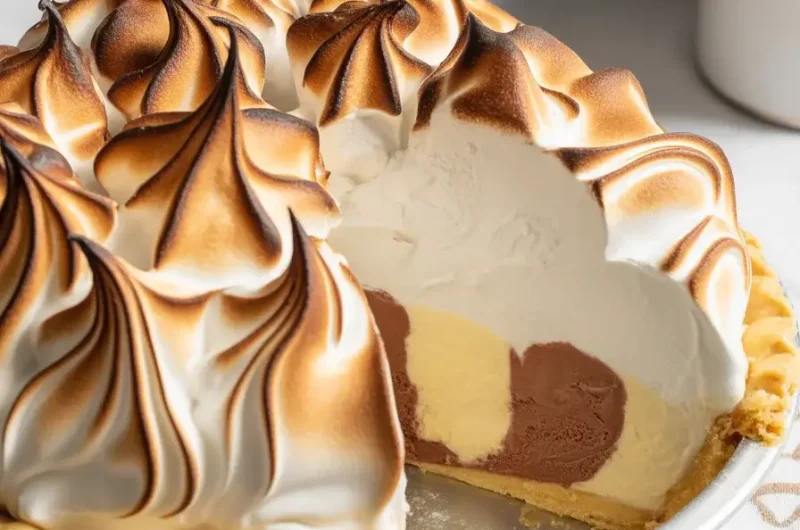
I use the back of a spoon to create decorative swoops and peaks across the surface. Those peaks brown beautifully and make the finished pie look professionally done.
Check Out These Related Recipes:
Step 5: Toast the Meringue
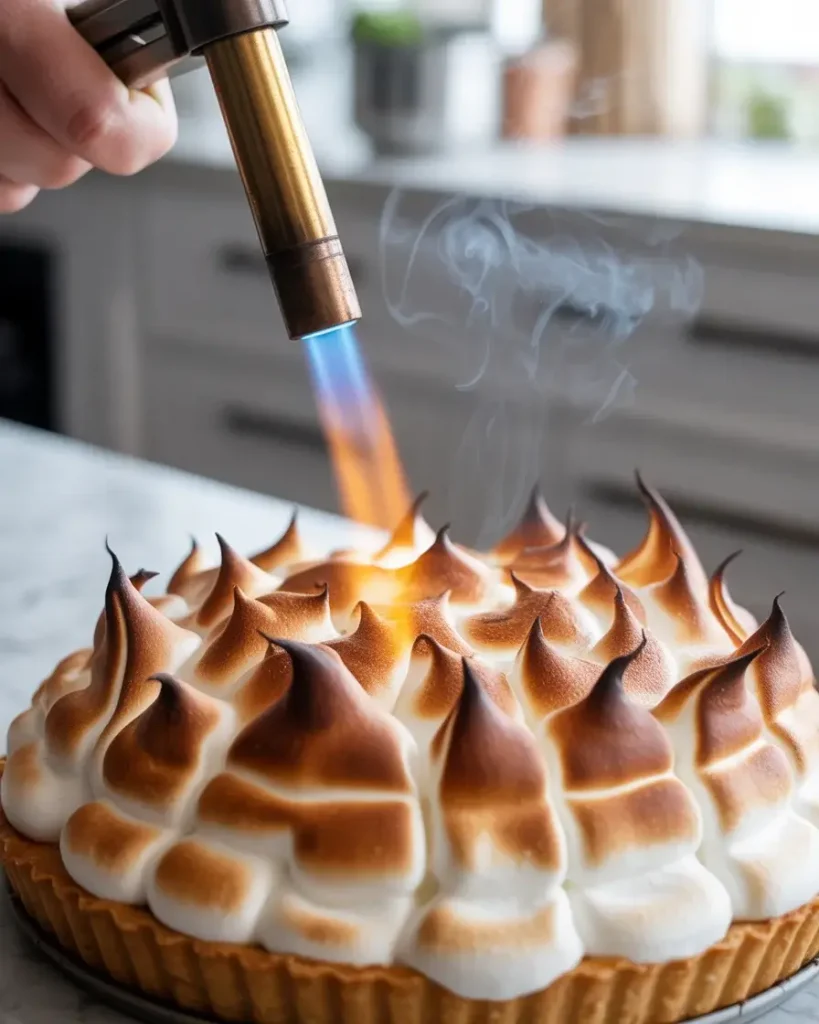
Here’s where the magic happens. A kitchen torch gives you the most control – hold it 3-4 inches from the surface and move it in steady, sweeping circles. You want deep amber peaks with lighter valleys in between. The whole process takes about 2-3 minutes.
If you don’t own a torch, the broiler works at 500°F for 2-3 minutes. Watch it like a hawk – I lost one pie to a 30-second distraction.
Step 6: Slice and Serve Immediately
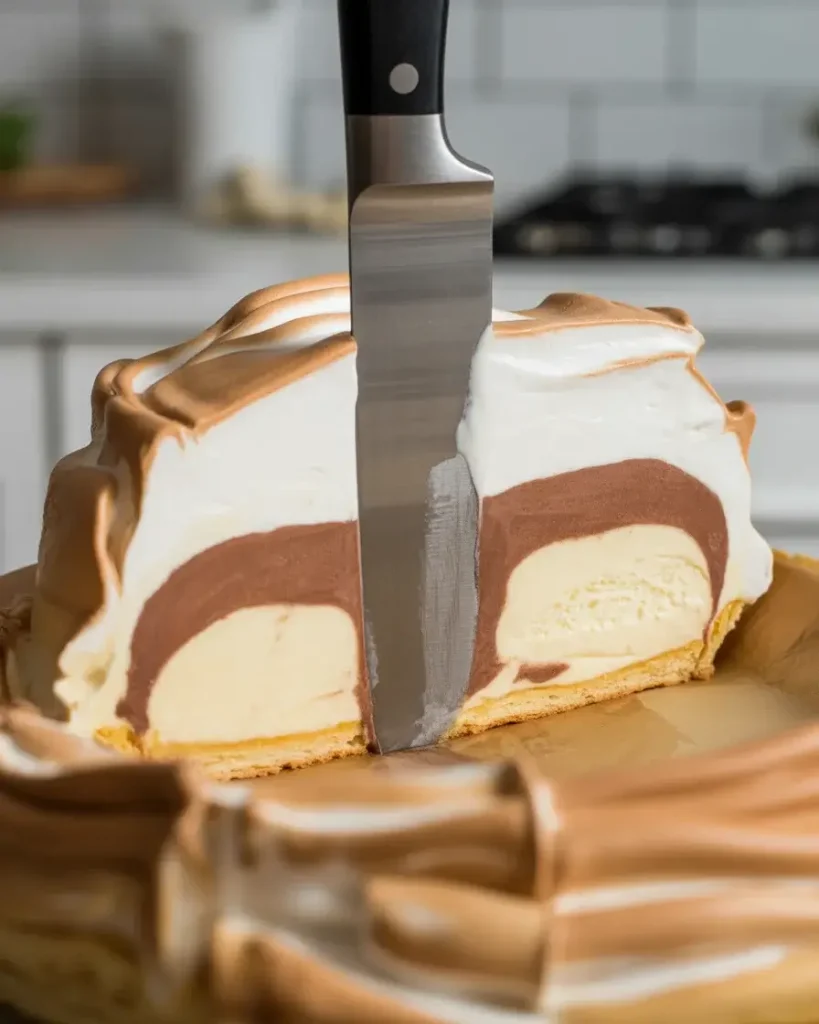
Once toasted, this pie needs to hit the table within 5-10 minutes. I set up plates and have guests seated before I even pick up the torch. The contrast between the warm toasted meringue and the cold, firm ice cream inside is the entire point of this dessert.
Use a sharp knife dipped in hot water and wiped dry between each cut. You’ll get those clean, dramatic slices that reveal the gorgeous layers inside.
Baked Alaska Pie
Course: DessertCuisine: AmericanDifficulty: Medium8
50
minutes4
hours4
hours50
minutesA showstopping frozen dessert with a buttery baked pie crust, creamy ice cream filling, and golden Swiss meringue toasted to perfection.
Ingredients
1 pre-made or homemade 9-inch pie crust
1.5 quarts vanilla or chocolate-vanilla swirl ice cream
4 large egg whites, room temperature
1 cup granulated sugar
1/4 teaspoon cream of tartar
1 teaspoon pure vanilla extract
Pinch of salt
Directions
- Blind-bake pie crust at 375°F for 18-20 minutes until deep golden. Cool completely.
- Freeze the cooled crust for 1 hour.
- Soften ice cream for 8-10 minutes, then pack firmly into frozen crust. Smooth the top flat.
- Cover tightly and freeze for at least 4 hours or overnight.
- Make Swiss meringue: whisk egg whites and sugar over simmering water to 160°F. Beat to stiff peaks.
- Working quickly, cover frozen pie completely with meringue, sealing to crust edges.
- Toast with a kitchen torch or under 500°F broiler for 2-3 minutes until golden.
- Slice immediately with a hot, dry knife and serve.
Notes
- Storage: Wrap leftover slices in parchment and freeze up to 2 days.
Substitution: Any premium full-fat ice cream works. Avoid low-fat or sorbet varieties.
Make-ahead: Freeze the filled crust up to 3 days. Make meringue fresh the day of serving.
Nutrition Table (per serving)
| Nutrient | Amount |
|---|---|
| Calories | 380 |
| Total Fat | 16g |
| Sugars | 42g |
| Protein | 6g |
Trusted Resource Links: For food safety guidance when working with egg whites, refer to the USDA Safe Temperature Chart. For nutritional information on desserts and balanced eating, visit the American Heart Association Healthy Eating guide.
What Is the Best Ice Cream Flavor for Baked Alaska Pie?
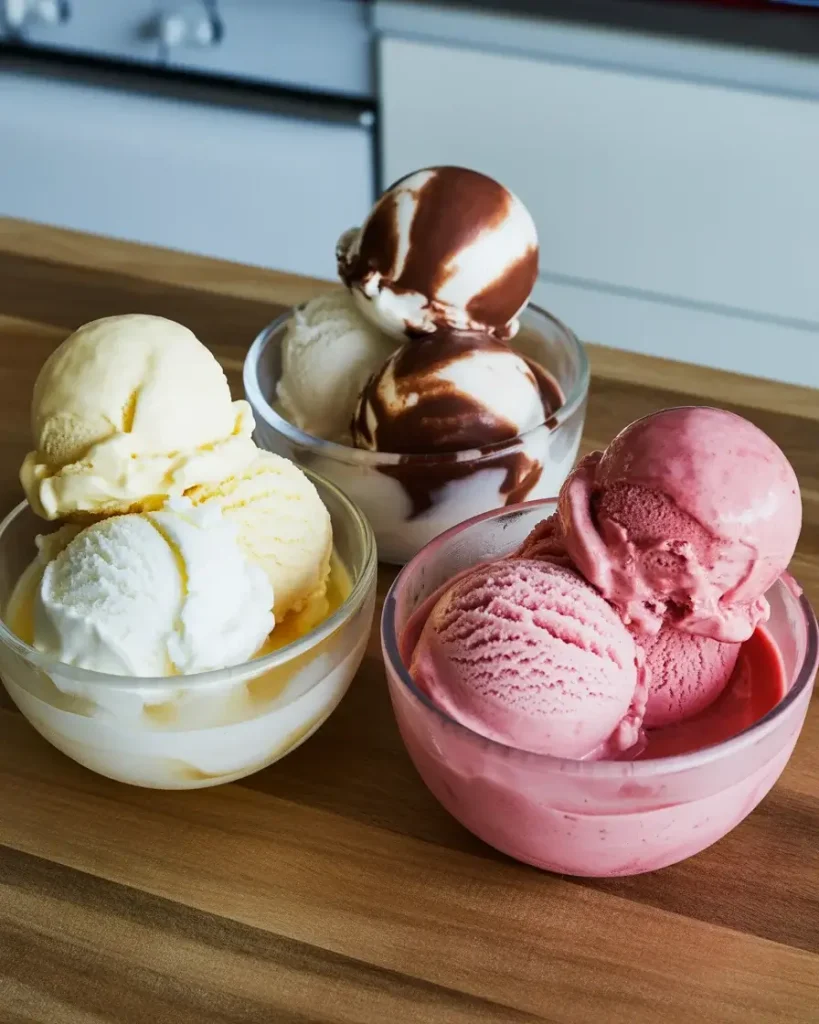
Classic vanilla is the most crowd-pleasing choice, but I’ve tested 8 different flavors over my batches. The best results came from flavors with lower moisture content – strawberry sorbet, for example, got icy and grainy after refreezing.
The real winner in my kitchen was a chocolate-vanilla swirl, which looks stunning when sliced and balances flavors beautifully against the sweet meringue.
Avoid fruit-based or light sorbets, as they tend to separate. Premium ice creams with higher fat content (like Haagen-Dazs or Tillamook) hold their texture better through the refreezing process. Stay away from anything with large mix-ins like brownie chunks, as they create air pockets that make spreading difficult.
Can You Make Baked Alaska Pie Ahead of Time?
Yes – and this is actually the smart approach. The ice cream-filled crust can be assembled and frozen up to 3 days in advance. Make the meringue and torch it the day you plan to serve.
I tested assembling the full pie (meringue included) 24 hours early. The meringue held up fine in the freezer, but it didn’t brown as dramatically after the second freeze cycle.
The sweet spot I landed on: freeze the crust and ice cream 1-2 days ahead, then make fresh meringue and torch it within 30 minutes of serving. This approach takes the pressure completely off party day. You’re really just doing a quick 15-minute meringue job right before guests arrive.
Why Does Meringue Insulate Ice Cream from Heat?
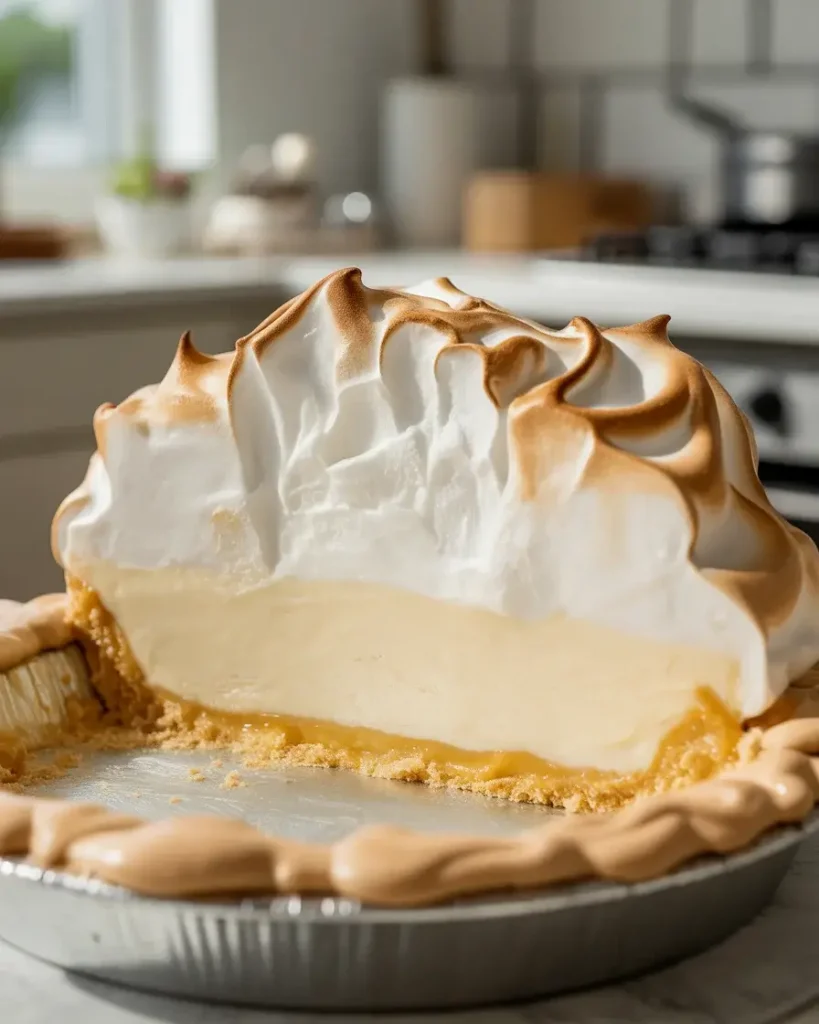
Meringue is made of whipped egg whites, which are largely air. Air is a terrible conductor of heat, which means that thick layer of meringue acts as a physical insulator – protecting the ice cream underneath from the intense heat of the torch or broiler.
This is the science that makes baked Alaska work, and it’s genuinely fascinating once you see it in action.
I tested thin versus thick meringue coverage across 4 separate pies. The pie with a thin meringue layer (under 1 inch) showed melting at the edges. The properly thick layer (1.5 inches minimum) kept the ice cream perfectly firm even after 3 minutes under a 500°F broiler. Cover generously and don’t worry about using “too much” meringue – there really is no such thing in this recipe.
How Do You Store Leftover Baked Alaska Pie?
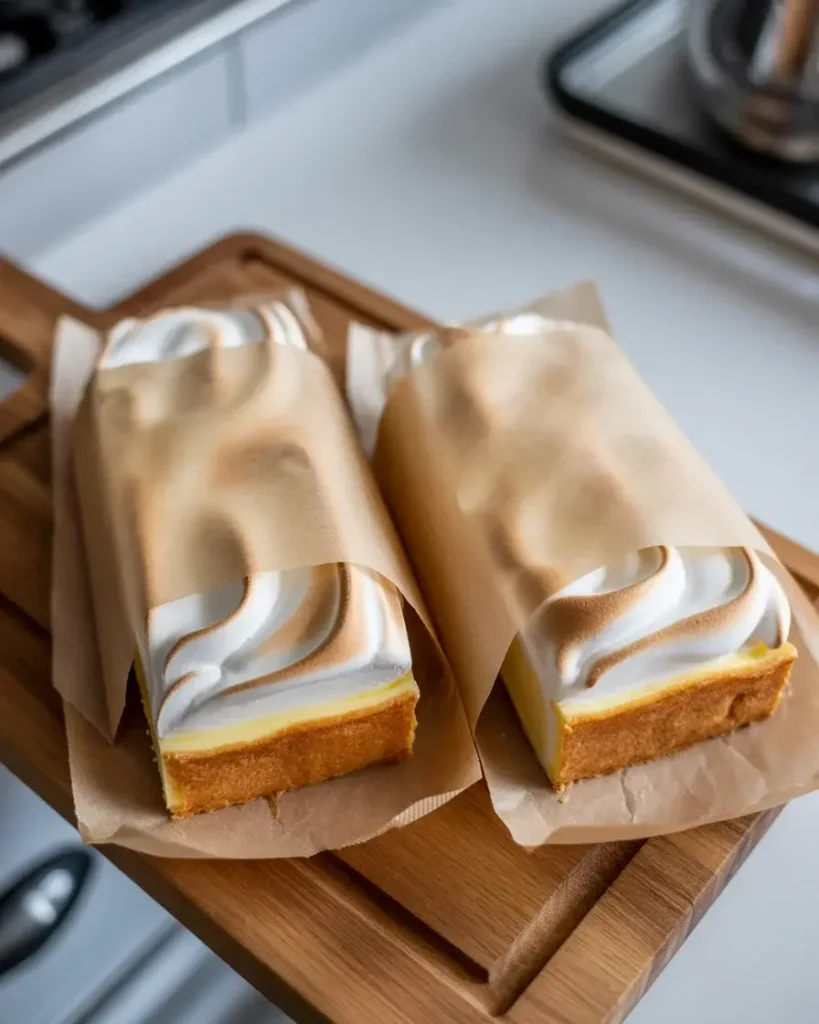
Leftover baked Alaska pie can go back in the freezer, loosely tented with foil, for up to 2 days. Don’t press wrap against the meringue or it sticks and tears when removed.
The meringue won’t re-toast, but it still tastes good – just less dramatic visually.
After 2 days, the meringue starts weeping (releasing water) and the texture deteriorates noticeably. In my testing, the best leftover experience came from slicing the entire pie immediately after serving, then storing individual slices wrapped in parchment. That method preserved the texture better than storing the whole pie intact after it had been cut.
Frequently Asked Questions
Q: Can I use store-bought meringue for baked Alaska pie?
A: Store-bought meringue lacks the stability needed to insulate frozen ice cream. Swiss meringue made fresh from egg whites holds up under heat without collapsing or sliding. It takes about 15 minutes and is worth every second.
Q: What if I don’t have a kitchen torch?
A: A broiler set to 500°F works well. Place the pie on the top rack and watch it constantly – 2-3 minutes is all it needs. Don’t walk away, as the meringue goes from perfect to burnt very quickly under a broiler.
Q: Can I use a graham cracker crust instead of a pastry crust?
A: Yes – a graham cracker crust adds a lovely honey flavor that pairs especially well with vanilla ice cream. Press it firmly and freeze before filling. It won’t need blind-baking and simplifies the process nicely.