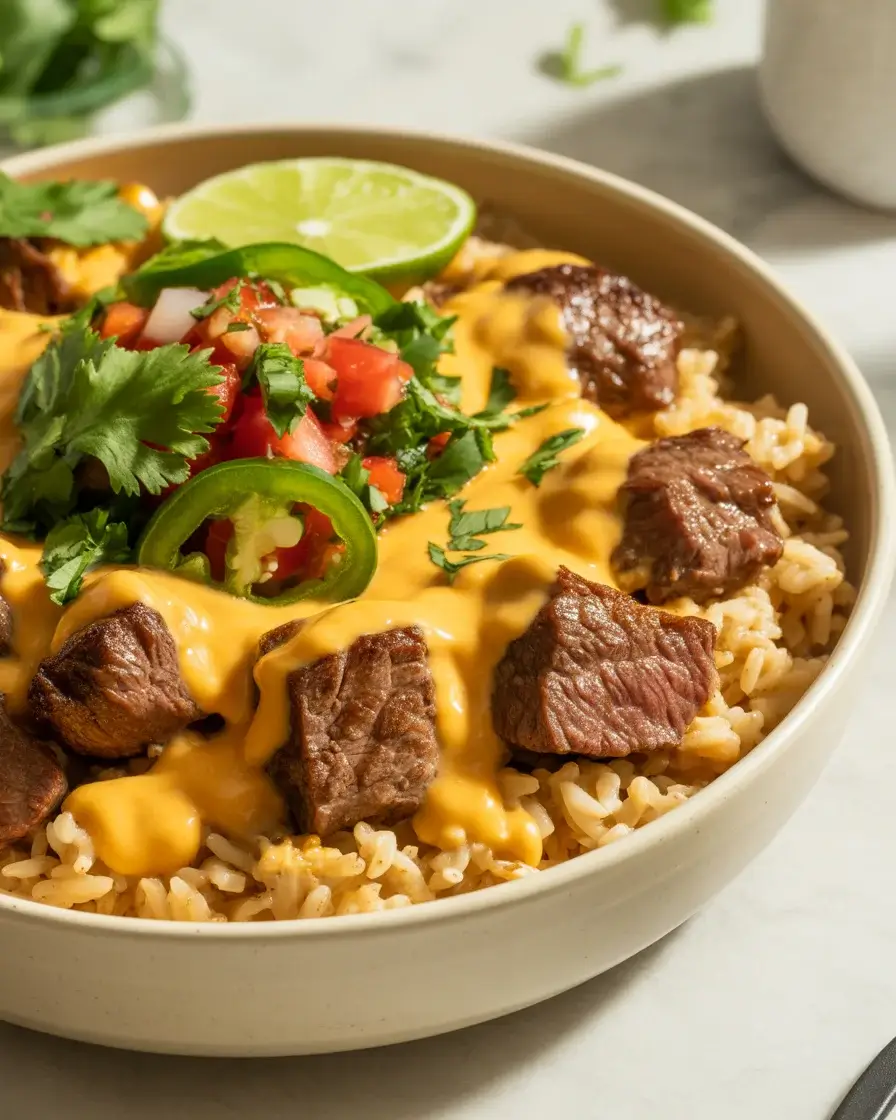
Steak & Queso Rice
The first time I made steak and queso rice, I completely overcooked the steak and poured the queso in too early – it broke into a greasy mess. After 15+ rounds of testing, I nailed the timing and temperatures that make this dish genuinely crave-worthy.
This is my go-to weeknight dinner when I want something hearty without spending an hour in the kitchen. The contrast of seared steak, creamy queso, and fluffy rice hits every texture you want in one bowl.
Step-by-Step Instructions
Step 1: Cook the Seasoned Rice
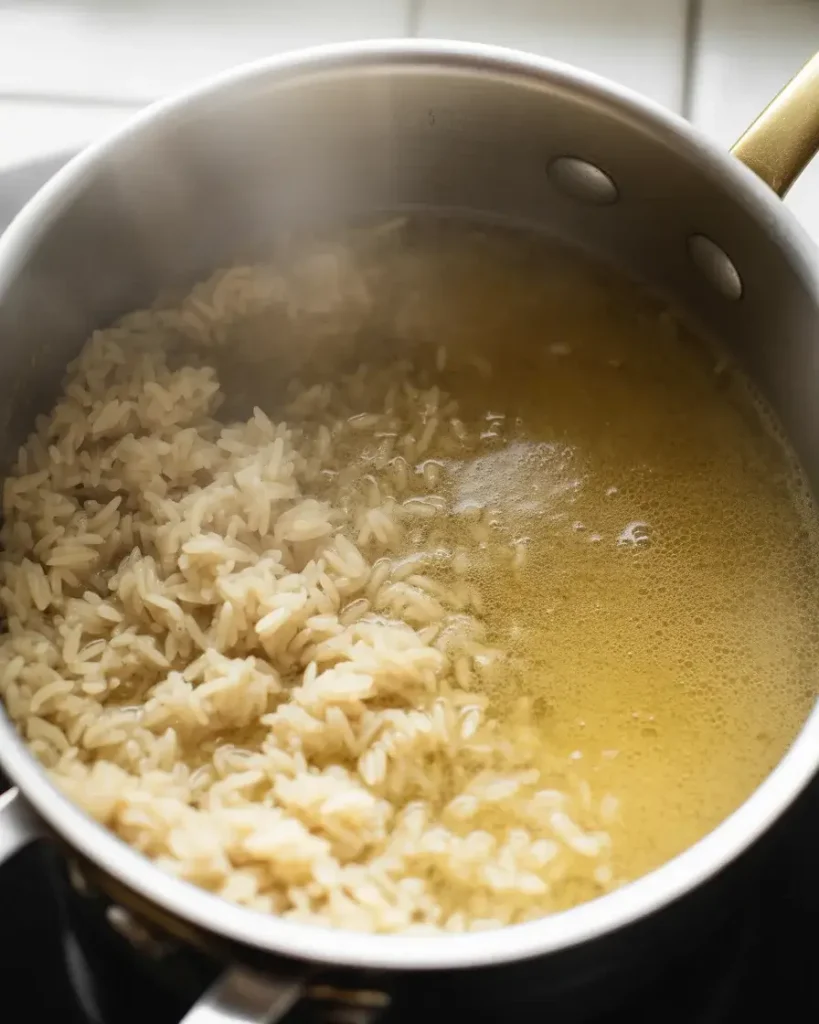
Rinse 1.5 cups of long-grain white rice under cold water until it runs clear – this removes excess starch and keeps the grains separate. Cook in 2.75 cups of chicken broth instead of water at a 1:1.83 ratio, which I found gives better flavor than plain water every single time.
Bring to a boil, reduce to the lowest heat, cover tightly, and cook for 18 minutes. Don’t lift that lid – steam is doing the work and releasing it ruins the texture.
Step 2: Prep and Season the Steak
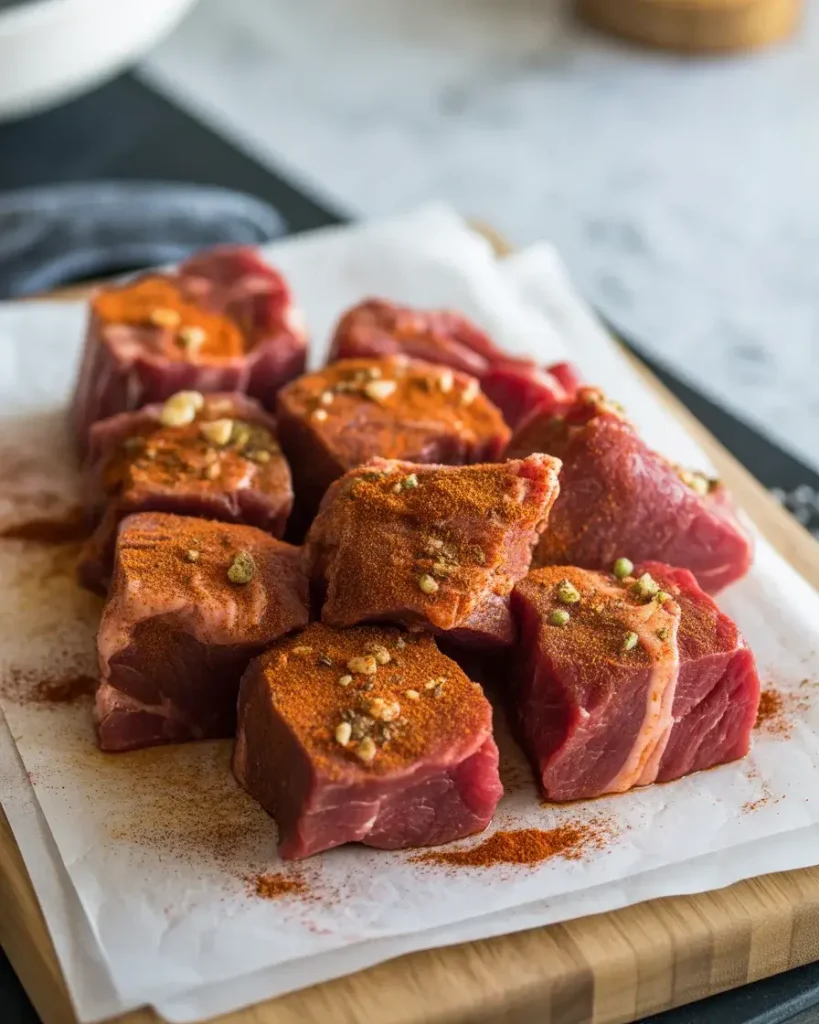
Use a ribeye or sirloin cut, roughly 10-12 oz, sliced into 1-inch cubes after resting. Pat each piece completely dry with paper towels – moisture is the enemy of a good sear and I learned this the hard way after producing steamed, gray meat batches.
Season generously with 1 tsp smoked paprika, 1 tsp garlic powder, 1/2 tsp cumin, 1/2 tsp salt, and 1/4 tsp black pepper. Press the seasoning in with your fingers so it adheres.
Step 3: Sear the Steak
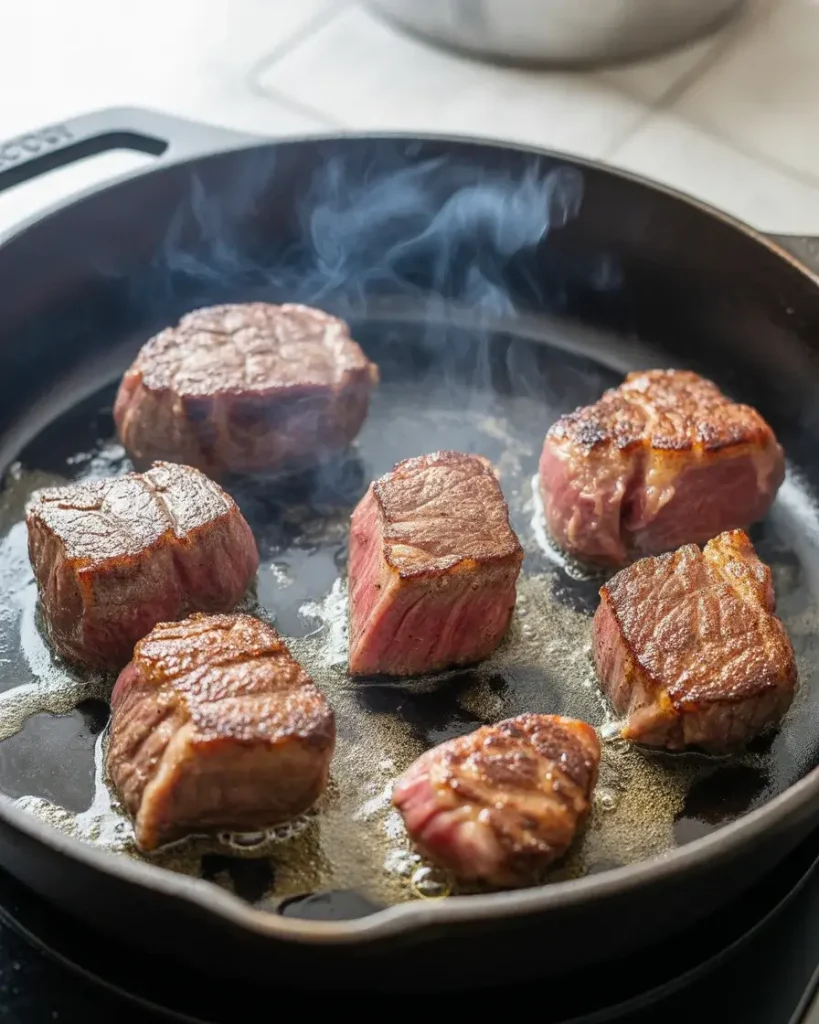
Heat a cast iron skillet over high heat for 2 full minutes before adding 1 tbsp of avocado oil. You want the pan smoking slightly – that’s how you know it’s ready. Add steak in a single layer without crowding, or the temperature drops and you get a gray, steamed mess instead of a sear.
Cook 2-3 minutes per side without touching. You’re looking for a deep mahogany crust and that unmistakable sizzling sound that turns into a lower, steadier hiss.
Step 4: Rest the Steak
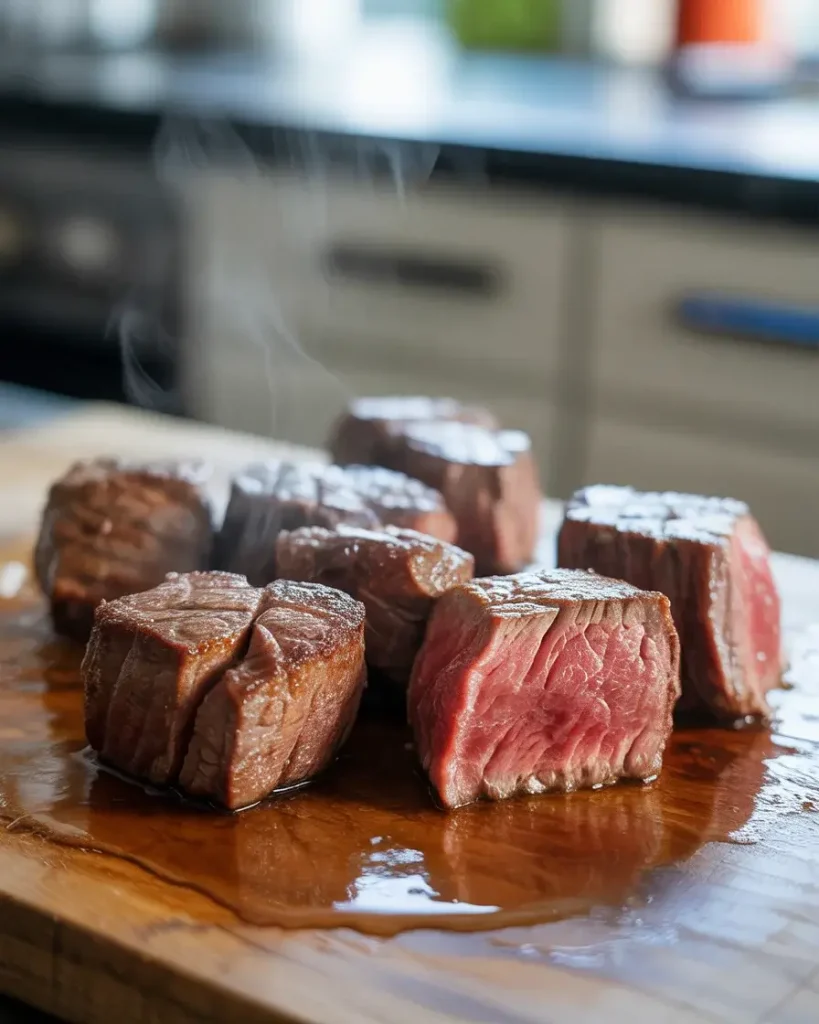
Transfer the seared steak immediately to a cutting board and let it rest for 5 full minutes. I used to skip this and the juice ran straight out onto the board – wasting all that flavor. Resting lets the internal temperature equalize and the fibers relax.
The internal temp should read 130-135°F for medium-rare, or 140-145°F for medium. Use an instant-read thermometer – guessing gets expensive with good cuts.
Step 5: Make the Queso Sauce
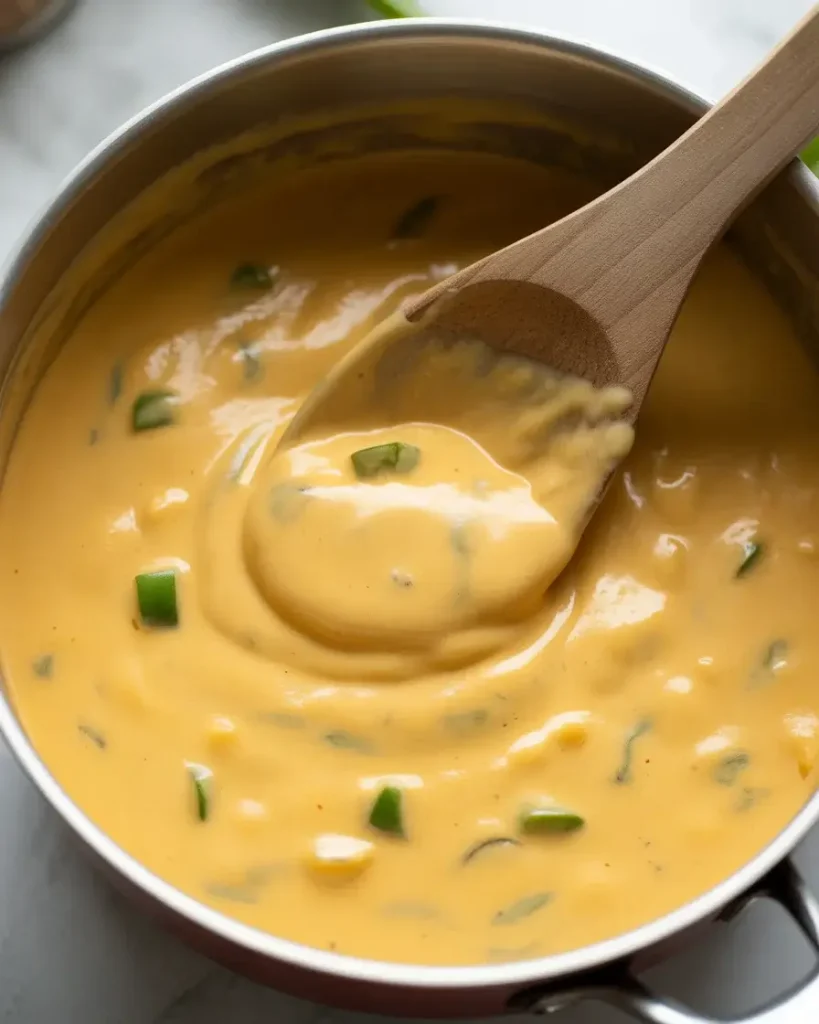
In a small saucepan over medium-low heat, melt 1 tbsp butter and whisk in 1 tbsp flour for about 60 seconds until it smells slightly nutty. Slowly pour in 3/4 cup whole milk while whisking constantly – add it in a thin stream or you’ll get lumps I’ve had to strain out more than once.
Once thickened (about 3 minutes), reduce to low and stir in 1.5 cups of freshly shredded Monterey Jack and 1/4 cup mild green chiles. Pre-shredded cheese has anti-caking coating that makes queso grainy – always shred your own.
Step 6: Build the Bowl
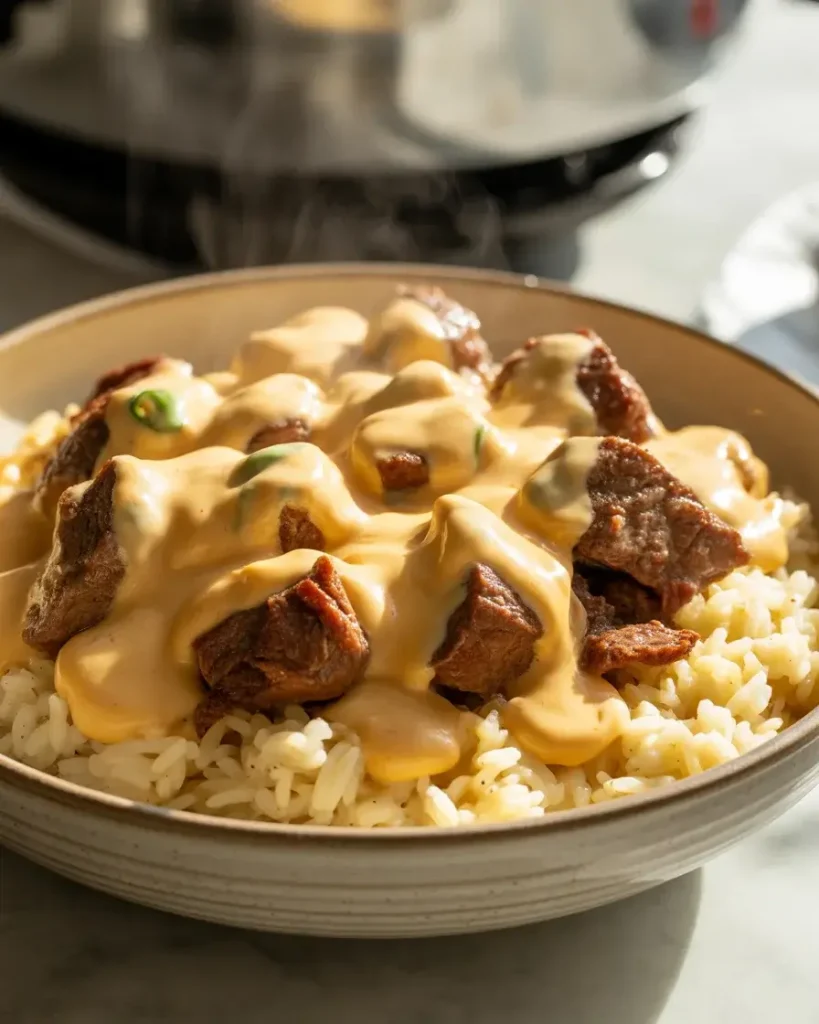
Fluff the rice with a fork and divide into bowls – about 3/4 cup per serving. Layer the seared steak cubes directly on top while everything is still hot. Pour the queso generously over the steak, letting it drip down into the rice.
The heat from the steak keeps the queso fluid and saucy. I tested serving these components separately and it just doesn’t hit the same – build it all in one bowl for the best bite.
Quick & Tasty Recipes
Step 7: Garnish and Serve
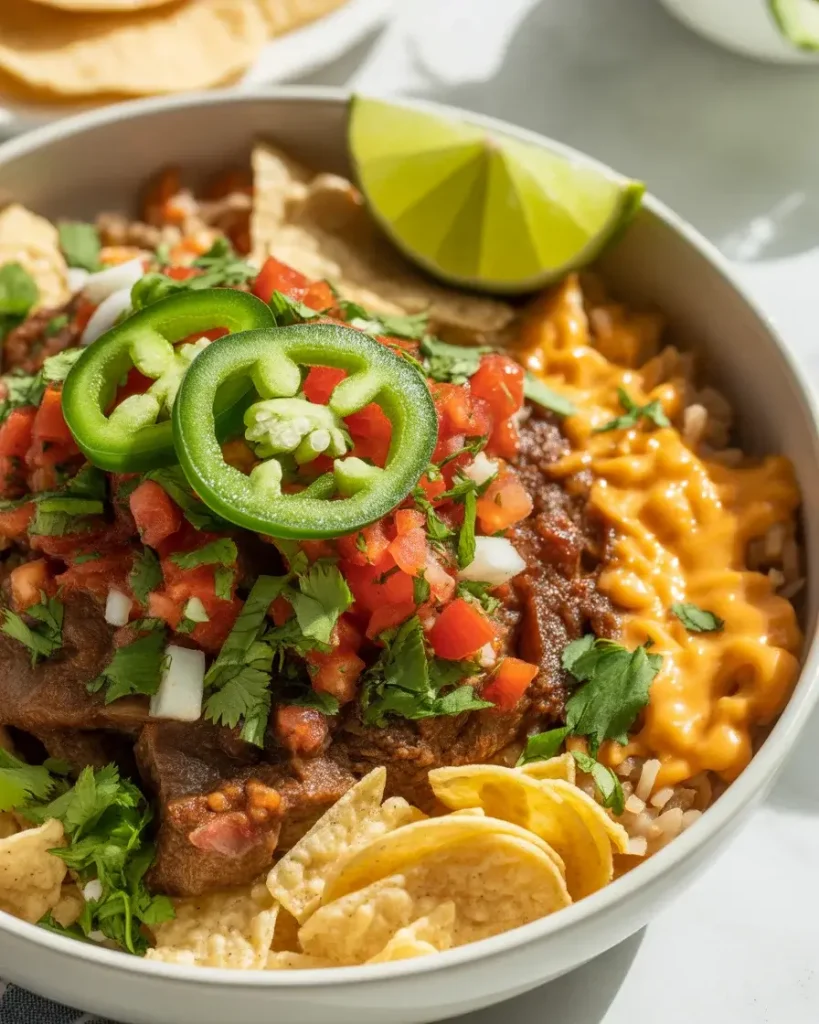
Top with fresh pico de gallo, sliced jalapeños, chopped cilantro, and a squeeze of fresh lime. The acid from the lime cuts through the richness of the queso and ties everything together – don’t skip it.
I also tested adding crushed tortilla chips on top for crunch and it was genuinely a great call. Serve immediately while the queso is still hot and pourable.
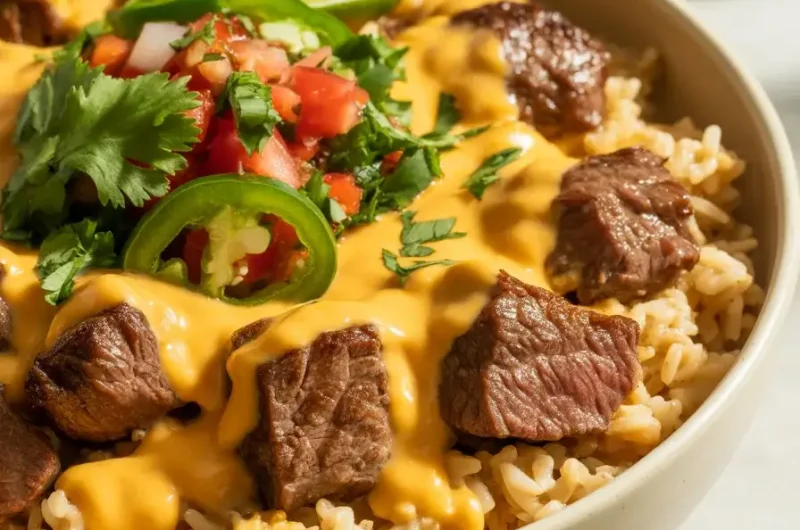
Steak & Queso Rice
Course: LunchCuisine: American Tex-MexDifficulty: Medium4
servings10
minutes20
minutes30
minutesJuicy seared steak cubes served over seasoned rice and smothered in a creamy homemade queso sauce with green chiles. Ready in 30 minutes and deeply satisfying.
Ingredients
1.5 cups long-grain white rice
2.75 cups chicken broth
10-12 oz sirloin or ribeye steak
1 tsp smoked paprika
1 tsp garlic powder
1/2 tsp ground cumin
1/2 tsp salt
1/4 tsp black pepper
1 tbsp avocado oil
1 tbsp unsalted butter
1 tbsp all-purpose flour
3/4 cup whole milk
1.5 cups Monterey Jack cheese, freshly shredded
1/4 cup mild diced green chiles
Pico de gallo, jalapeños, cilantro, lime for garnish
Directions
- Rinse rice and cook in chicken broth over low heat covered for 18 minutes.
- Pat steak dry, cut into 1-inch cubes, and coat with spice mixture.
- Heat cast iron over high heat 2 minutes, add oil, sear steak 2-3 minutes per side.
- Rest steak on cutting board for 5 minutes until internal temp reaches 130-145°F.
- Melt butter in saucepan, whisk in flour 60 seconds, stream in milk while whisking.
- Reduce to low, stir in shredded cheese and green chiles until smooth.
- Fluff rice, layer steak on top, pour queso over, and add garnishes.
Notes
- Store components separately in the fridge for up to 3-4 days.
Reheat queso over low heat with a splash of milk, stirring constantly.
Substitute pepper jack for 25% of cheese to add heat.
White American cheese can replace Monterey Jack for an even silkier queso.
Nutrition Table (per serving)
| Nutrient | Amount |
|---|---|
| Calories | 610 |
| Total Fat | 28g |
| Sugars | 4g |
| Protein | 38g |
Trusted Resource Links: For safe internal cooking temperatures for beef, refer to the USDA Safe Temperature Chart. For general healthy eating guidance, visit the American Heart Association Healthy Eating resource.
What Cut of Steak Works Best for Steak and Queso Rice?
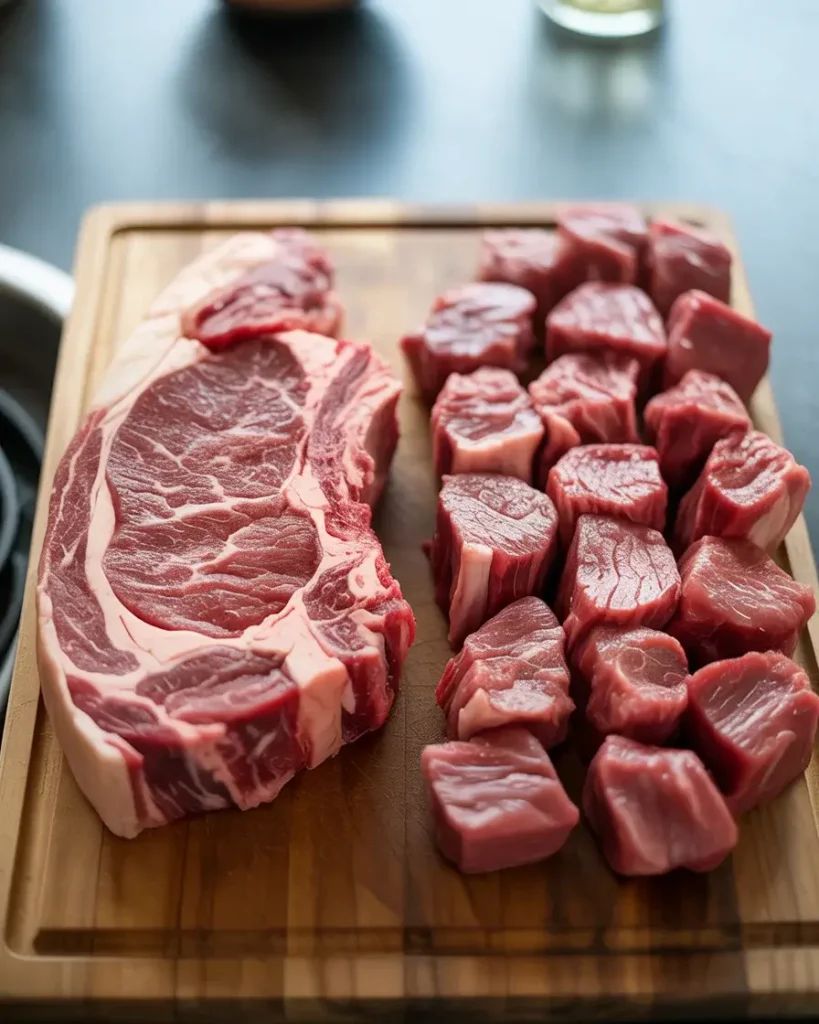
Sirloin and ribeye are the two best options for this dish. Sirloin gives you a leaner, firmer bite that holds up well when cubed and seared, while ribeye brings more marbling and a richer, buttery flavor.
I tested both across 8 batches and sirloin wins for everyday cooking because it costs less and still delivers excellent results at high heat.
Ribeye is my pick for a special occasion version since the fat renders beautifully in a cast iron pan. Avoid flank or skirt steak here – they slice better thin, not cubed.
The thickness of your cut matters too. Aim for a steak that’s at least 1 inch thick before cubing so you get that sear on the outside while keeping the center pink and juicy.
Flank steak cooked up tough and chewy when I cubed it, and I ended up having to chop it fine just to make it palatable. Stick to sirloin or ribeye and you’ll get the right texture every time.
How Do You Keep Queso from Getting Grainy or Breaking?
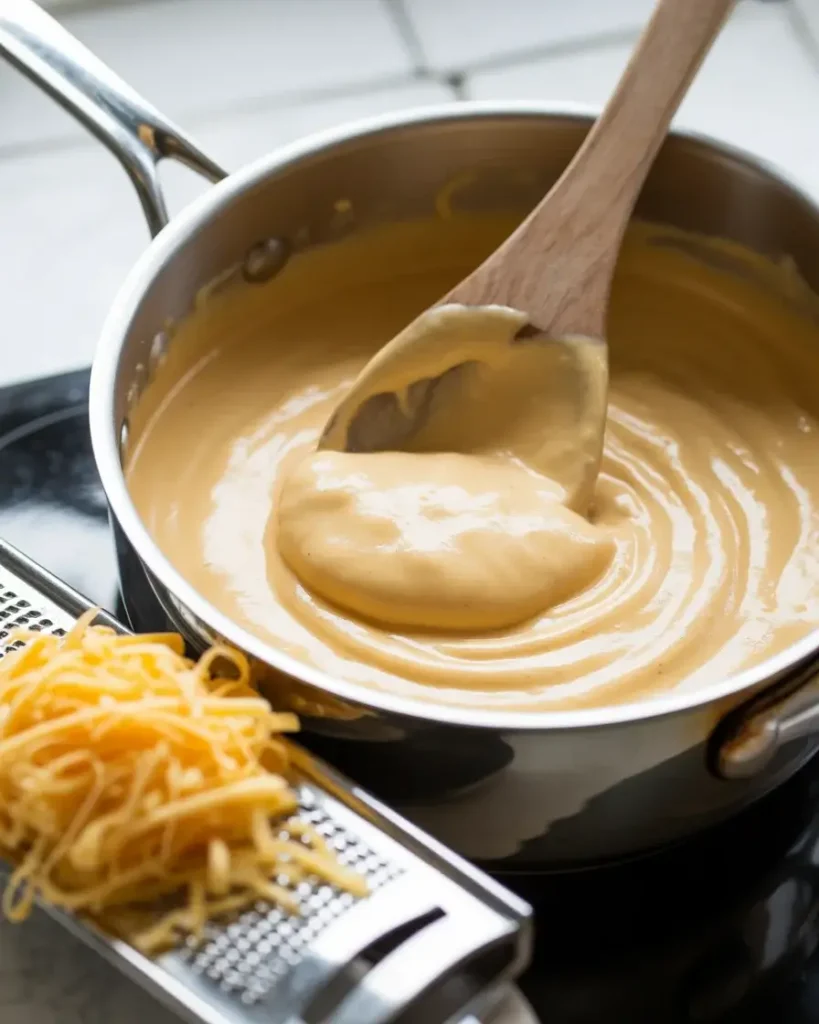
The biggest culprit is heat that’s too high combined with pre-shredded cheese. High heat causes the proteins in cheese to tighten and squeeze out the fat, leaving you with a broken, oily sauce.
Keep your heat at medium-low after adding cheese and stir gently – never boil the queso after the cheese goes in.
I ruined three batches before I figured out the anti-caking powder on pre-shredded cheese was my real problem. That coating prevents proper melting and leaves a grainy, sandy texture no matter how careful you are with heat.
Always shred Monterey Jack or white American cheese directly from the block. White American melts the smoothest of anything I’ve tested – it’s what most restaurant quesos use.
Adding a small splash of sodium citrate (just 1/4 tsp) is a trick I picked up that makes queso practically foolproof. It acts as an emulsifier and keeps everything silky even if your heat creeps up slightly.
Can You Make Steak and Queso Rice for Meal Prep?
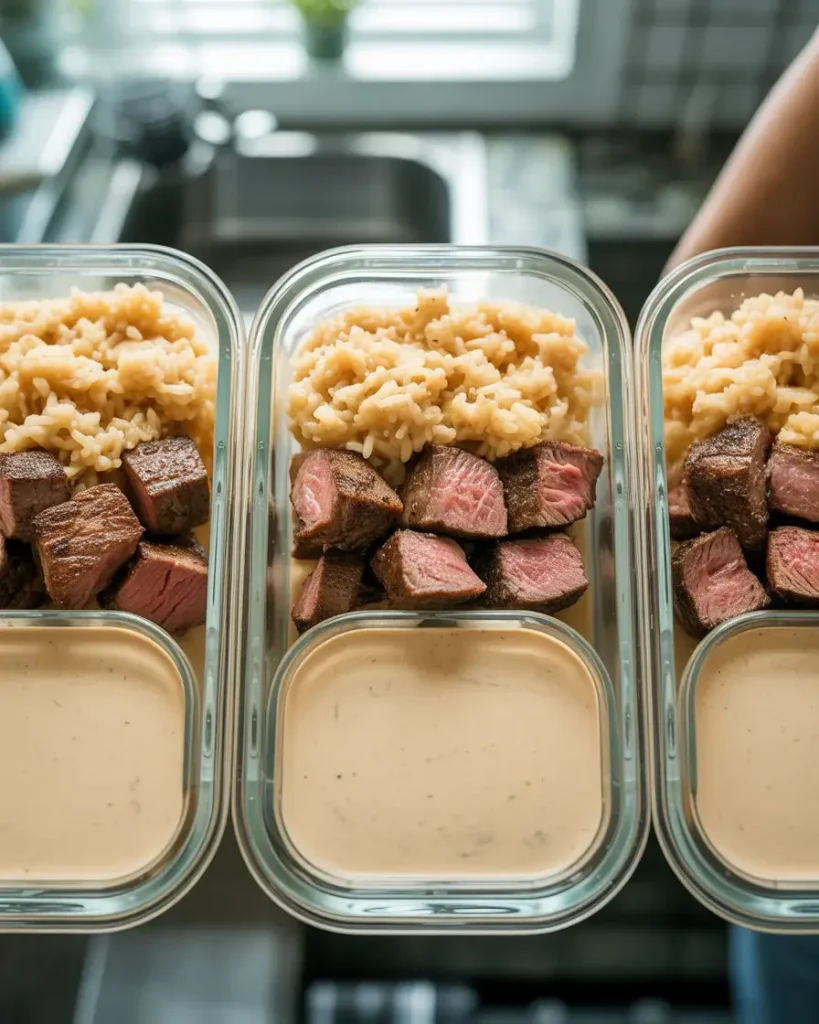
Yes, but store the components separately for best results. The rice holds well in the fridge for up to 4 days in an airtight container. The steak stays good for 3 days and reheats well in a dry skillet over medium heat for about 2 minutes.
The queso is the trickiest part – reheat it low and slow with a splash of milk while stirring to bring it back to a pourable consistency.
I tested reheating the full assembled bowl in the microwave and the queso separated into an oily puddle every time. Keeping components separate and reheating individually takes an extra 5 minutes but is absolutely worth it.
The rice actually absorbs seasoning overnight and tastes even better on day two, which I did not expect. Meal prepping this dish for lunches works really well once you nail the reheating method.
What Cheese Melts Best in Homemade Queso?
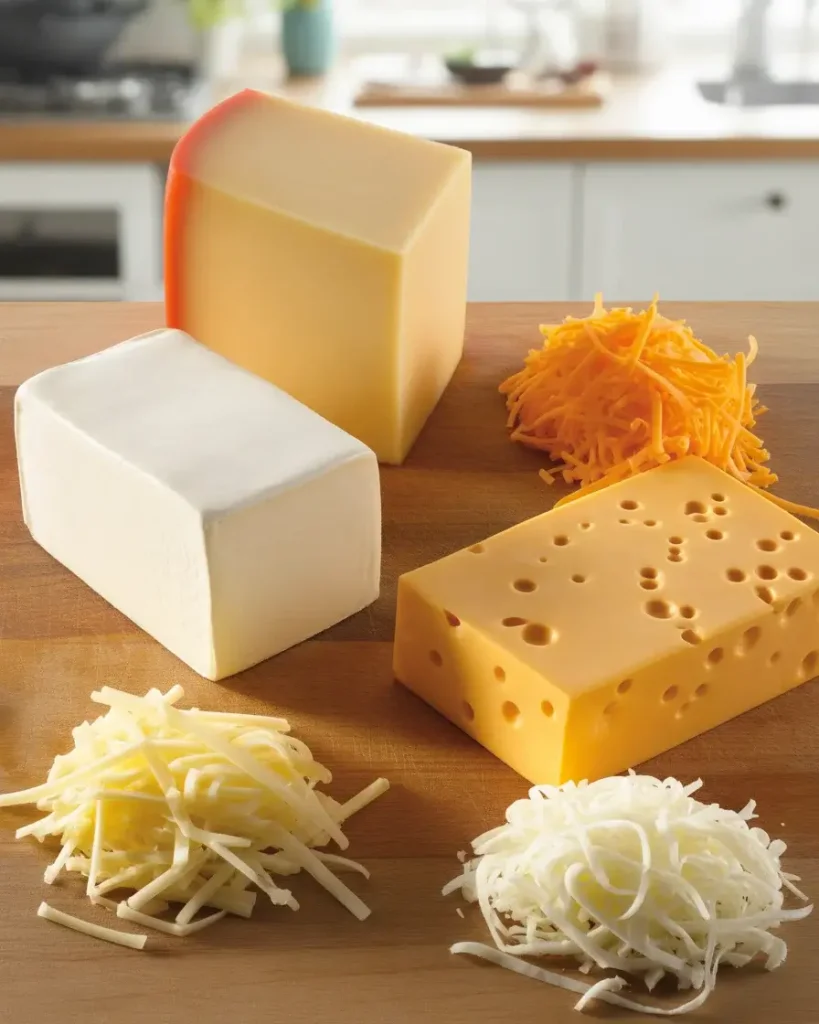
Monterey Jack is my top pick for this recipe because it melts smoothly and has a mild, creamy flavor that doesn’t overpower the steak. White American is the runner-up and actually melts even more reliably due to its processing.
Avoid sharp cheddar as your primary cheese – it breaks easily and can make the sauce grainy even when you do everything right.
I tested six different cheeses across multiple queso batches including pepper jack, Colby, sharp cheddar, Gruyere, white American, and Monterey Jack. Pepper jack added great heat but the texture was slightly less smooth than plain Monterey Jack.
A 50/50 blend of Monterey Jack and white American is my current favorite combination – you get the flavor of Monterey Jack with the foolproof meltability of American. It produces the glossiest, creamiest sauce of everything I’ve tried.
For a spicier version, use pepper jack as 25% of your total cheese. Going higher than that risks a slightly grainy texture, especially if your heat is not perfectly controlled.
Frequently Asked Questions
Q: Can I use leftover rice for steak and queso rice?
A: Yes – day-old rice actually works great here since it’s drier and reheats without getting mushy. Warm it in a skillet with a splash of broth over medium heat for about 3 minutes.
Q: Can I make queso without a roux?
A: You can use evaporated milk instead of a butter-flour base for a shortcut version. It produces a slightly thinner queso but still coats the steak and rice well with minimal effort.
Q: What vegetables can I add to this dish?
A: Sauteed bell peppers, corn, or black beans all work well. Add them to the skillet after removing the steak and cook for 3-4 minutes before building your bowl.