Spicy Lamb Meatballs
The first time I made lamb meatballs, I under-seasoned them completely and ended up with bland little spheres nobody wanted seconds of. After testing this recipe 15+ times, I finally cracked the spice ratio that makes these irresistible.
Ground lamb has a rich, slightly gamey flavor that holds up beautifully to bold spices like cumin, cayenne, and smoked paprika. These meatballs are juicy inside, slightly crisp outside, and ready in under 40 minutes.
Step-by-Step Instructions
Step 1: Prepare Your Spice Blend
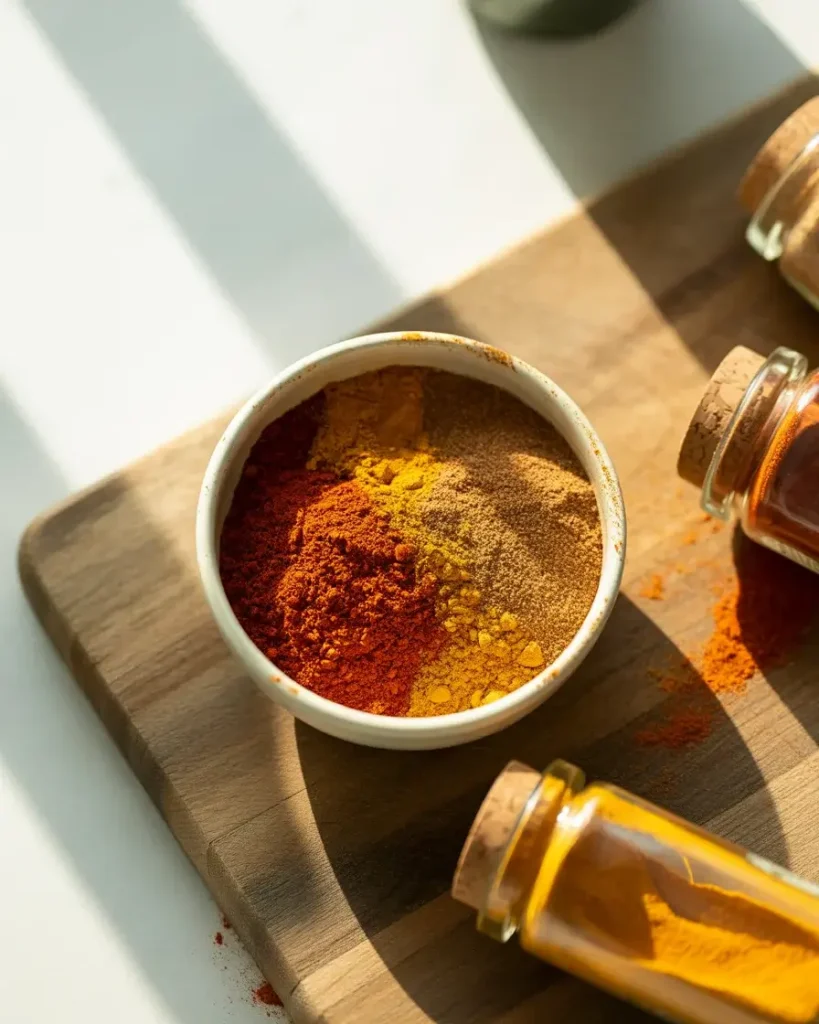
Combine 1 teaspoon cumin, 1 teaspoon smoked paprika, half a teaspoon cayenne, and half a teaspoon cinnamon in a small bowl before touching the meat. I tested adding spices directly to the lamb and the distribution was uneven every single time.
Mixing the spices separately first takes 2 minutes but changes everything. You’ll smell the warm, earthy aroma bloom when the spices hit the bowl together – that’s your signal the blend is well combined.
Step 2: Mix the Meatball Mixture
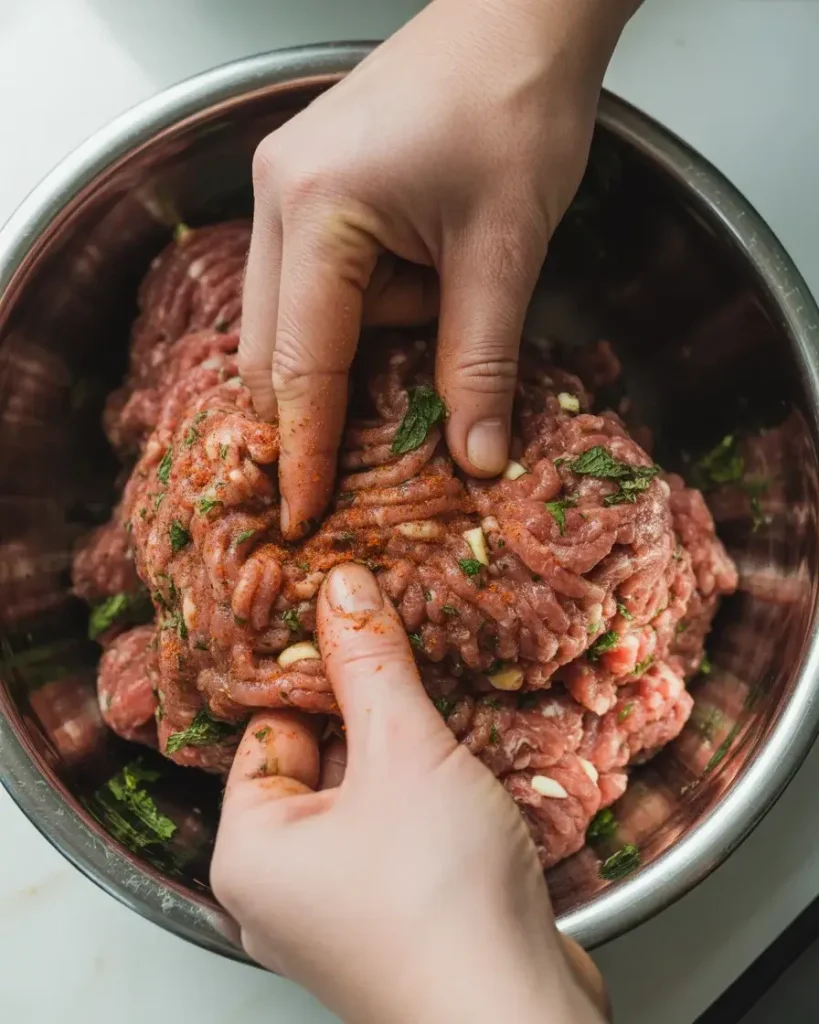
Add 500g ground lamb to a large bowl with your spice blend, 3 minced garlic cloves, 2 tablespoons finely chopped fresh mint, 1 egg, and a quarter cup breadcrumbs. Mix with your hands just until combined – about 45 seconds.
Overmixing is my biggest rookie mistake warning here. When you overmix, the fat breaks down and you get dense, rubbery meatballs. Stop the moment you no longer see dry patches of breadcrumb.
Step 3: Shape the Meatballs
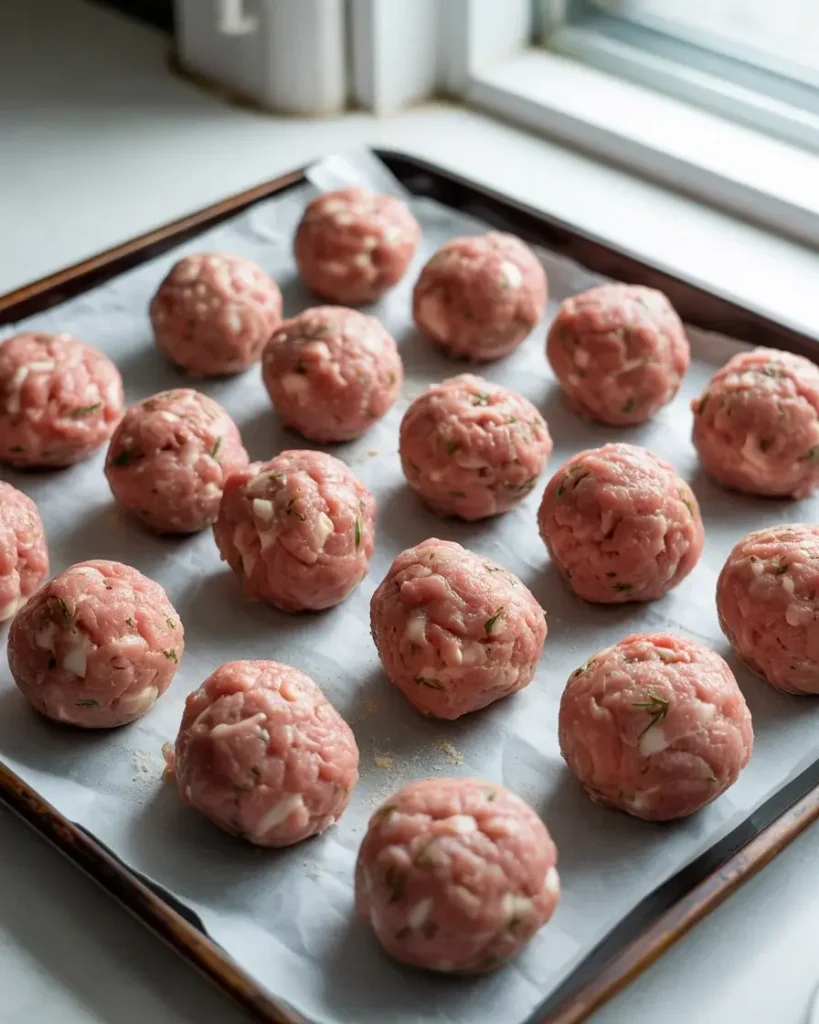
Roll the mixture into balls approximately 1.5 inches in diameter – about the size of a golf ball. I use a small cookie scoop to portion them first, then roll quickly between my palms. This gives you 18-20 meatballs that all cook at the same rate.
Wet your hands slightly before rolling. Dry hands cause the mixture to stick and tear, which is what happened during my first three test batches before I figured this out.
Step 4: Sear in a Hot Pan
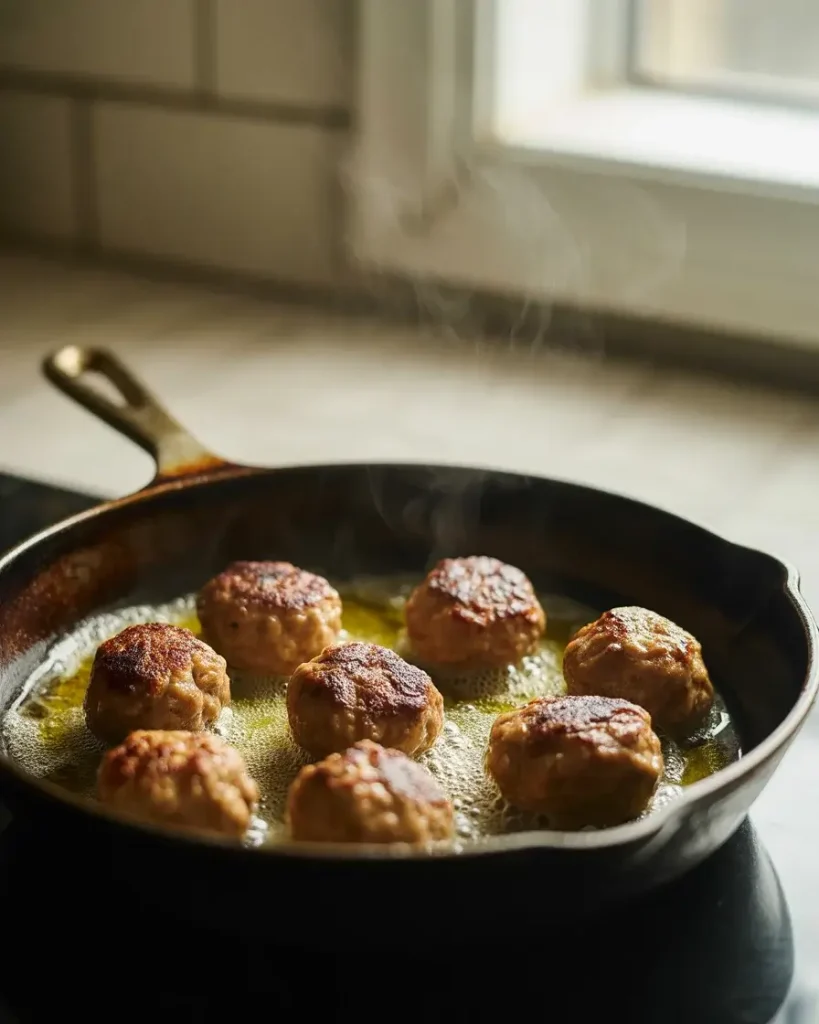
Heat 2 tablespoons of olive oil in a large cast iron or heavy skillet over medium-high heat until shimmering – about 90 seconds. Add meatballs in a single layer without crowding. You should hear an immediate, loud sizzle when they hit the pan.
Sear for 2-3 minutes per side without moving them. Resist every urge to nudge them early. A deep brown crust forms only when the meat releases naturally from the pan.
Step 5: Finish in the Oven
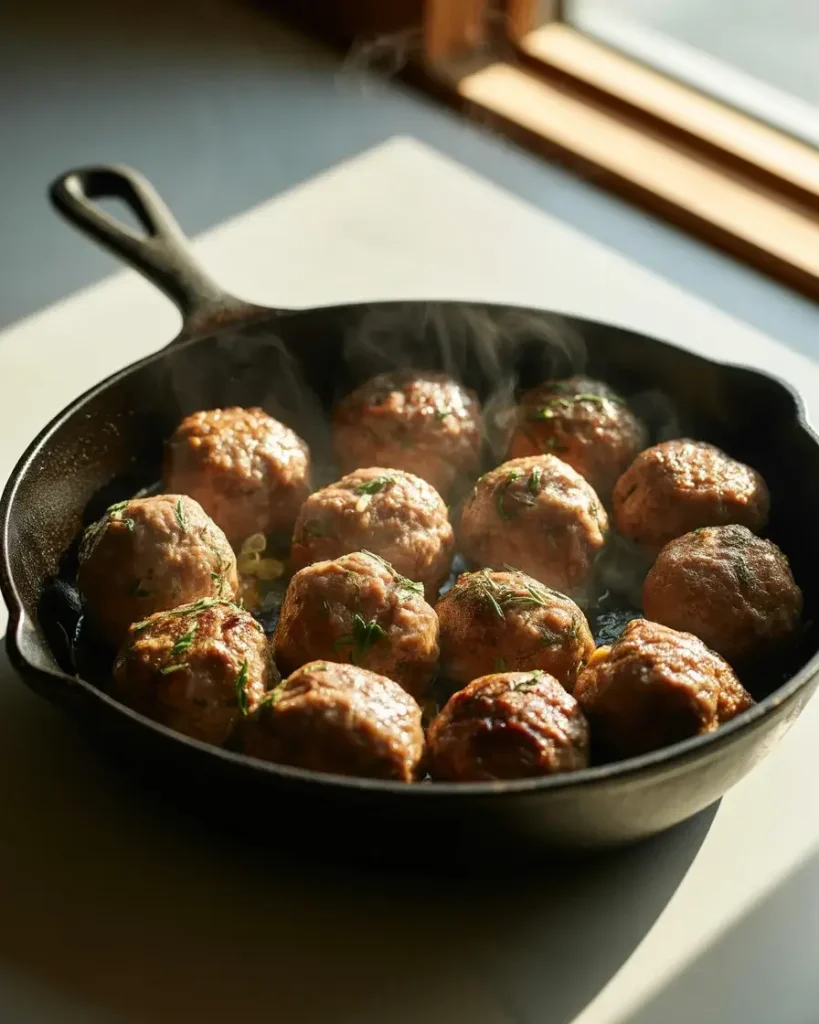
Transfer the skillet directly to a 400°F oven for 8-10 minutes after searing all sides. I tested stovetop-only cooking and the centers came out pink and unevenly cooked every time above the 1.5-inch size.
The oven finish gives even internal heat without burning the outside. Pull them when an instant-read thermometer hits 160°F – the meatballs will feel firm but still have a slight spring when pressed.
Step 6: Rest and Plate
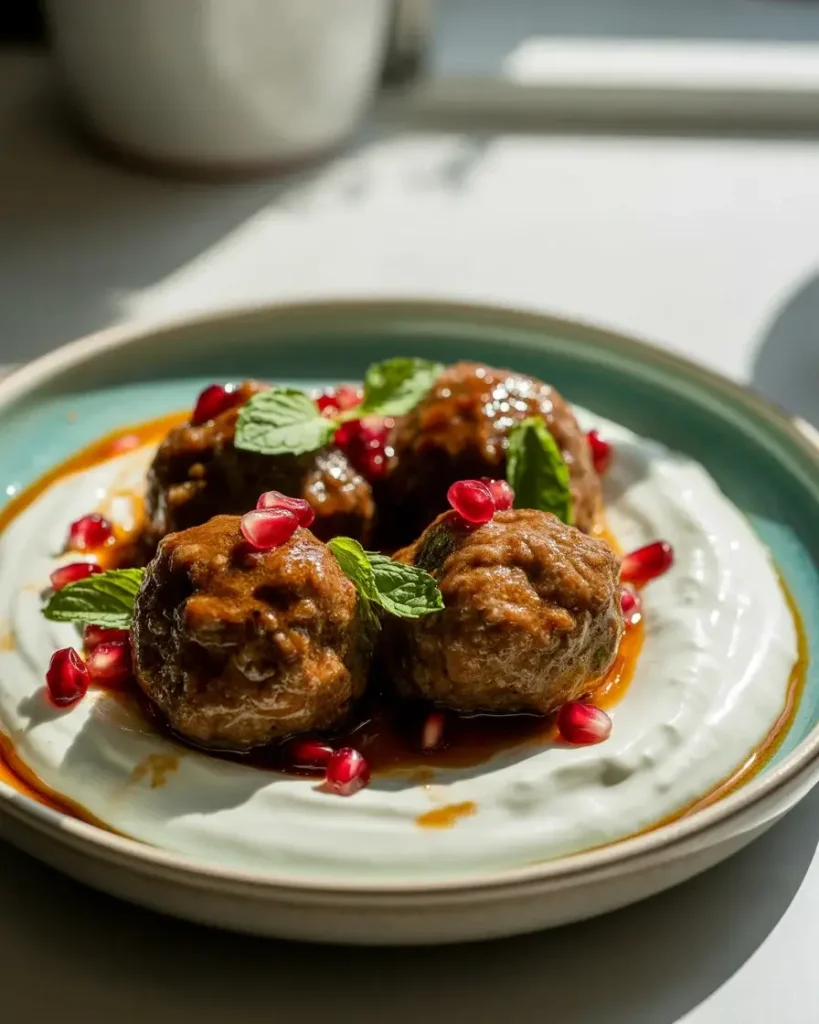
Remove from the oven and let the meatballs rest in the pan for 5 minutes before serving. Skipping this step was one of my earliest mistakes – cutting in too soon causes all the juices to run out immediately onto the plate.
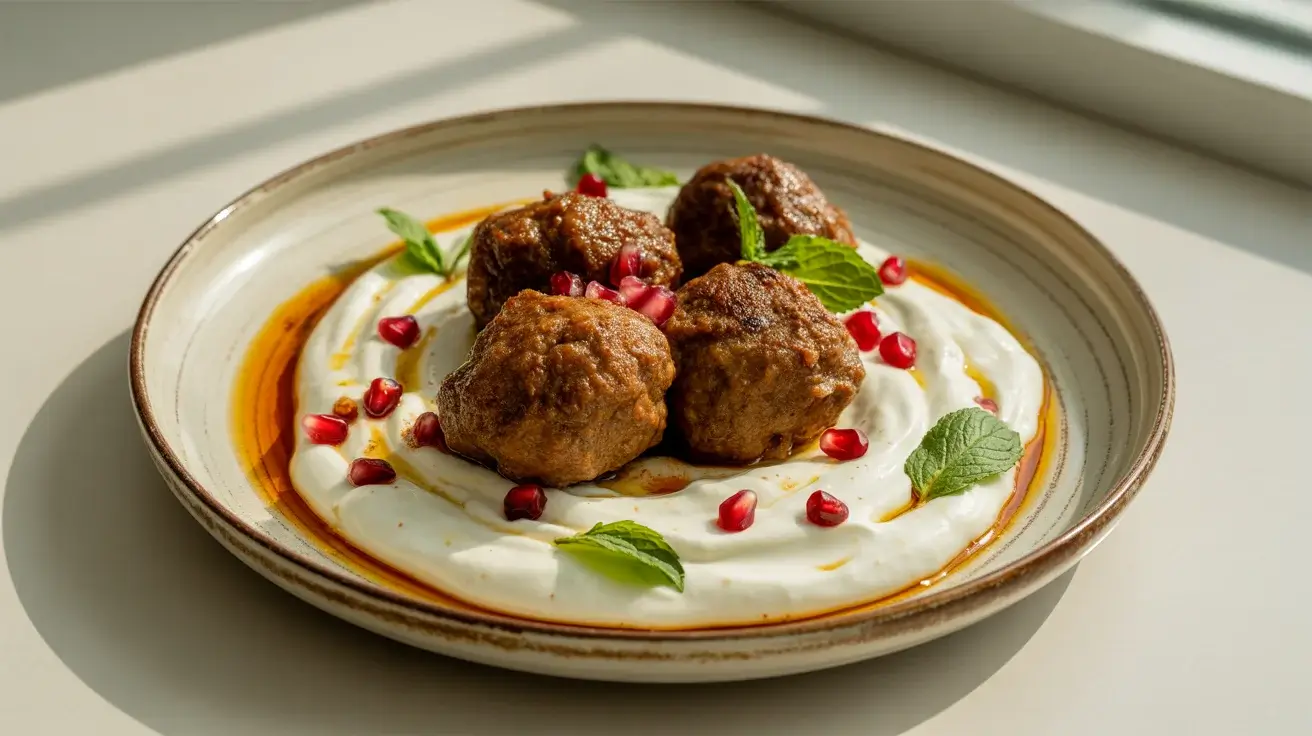
Plate over a bed of creamy yogurt sauce, garnish with fresh mint leaves, pomegranate seeds, and a drizzle of chili oil. The contrast of cool yogurt against the warm, spicy meatballs is the whole point of this dish.
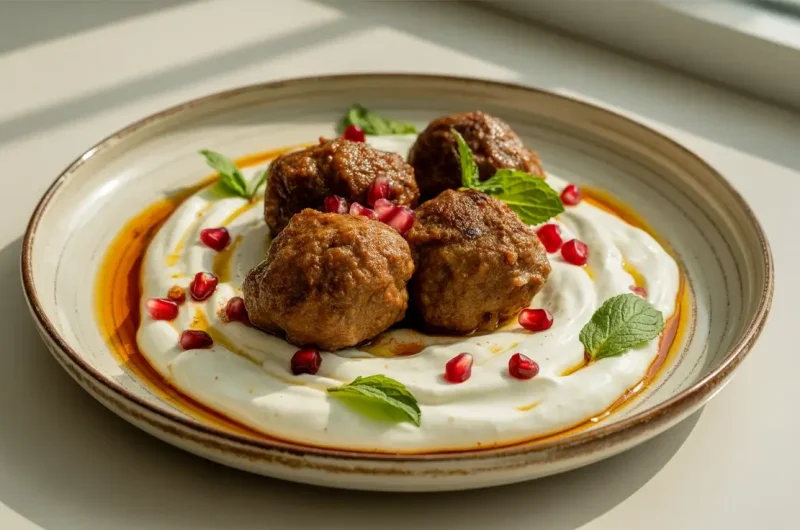
Spicy Lamb Meatballs
Course: LunchCuisine: Middle Eastern-InspiredDifficulty: Medium4
servings30
40
minutes1
hour10
minutesJuicy, boldly spiced lamb meatballs seared to a golden crust and finished in the oven. Served over garlic yogurt with pomegranate and fresh mint.
Ingredients
500g ground lamb
3 garlic cloves, minced
2 tablespoons fresh mint, finely chopped
1 egg
1/4 cup breadcrumbs (or panko)
1 teaspoon ground cumin
1 teaspoon smoked paprika
1/2 teaspoon cayenne pepper
1/2 teaspoon ground cinnamon
1/2 teaspoon salt
1/4 teaspoon black pepper
2 tablespoons olive oil
- For the yogurt sauce
1 cup full-fat Greek yogurt
1 garlic clove, minced
1 tablespoon lemon juice
1/4 teaspoon salt
- For garnish
Pomegranate seeds
Fresh mint leaves
Chili oil drizzle
Directions
- Preheat oven to 400°F. Mix all spices in a small bowl.
- Combine lamb, spice blend, garlic, mint, egg, and breadcrumbs. Mix by hand for 45 seconds until just combined.
- Wet hands and roll mixture into 1.5-inch balls (18-20 meatballs).
- Heat olive oil in an oven-safe skillet over medium-high until shimmering.
- Sear meatballs 2-3 minutes per side until deep golden brown on all surfaces.
- Transfer skillet to oven and cook 8-10 minutes until internal temperature reaches 160°F.
- Rest 5 minutes in pan before serving.
- Mix yogurt sauce ingredients and spread on serving plate.
- Plate meatballs over yogurt and garnish with pomegranate seeds, mint, and chili oil.
Notes
- Store cooked meatballs refrigerated for up to 3 days in an airtight container.
Freeze fully cooked meatballs up to 3 months – freeze flat first, then bag.
Substitute almond flour 1:1 for breadcrumbs for a gluten-free version.
Reduce cayenne to 1/4 teaspoon for a milder heat level.
Reheat in 350°F oven with a splash of broth for best texture results.
Nutrition Table (per serving)
| Nutrient | Amount |
|---|---|
| Calories | 385 |
| Total Fat | 28g |
| Sugars | 2g |
| Protein | 26g |
Trusted Resource Links: For safe ground meat handling and internal temperature guidance, refer to the USDA Safe Temperature Chart. For general healthy eating and fat balance tips, visit the American Heart Association Healthy Eating guide.
What Makes Lamb Better Than Beef for Spicy Meatballs?
Ground lamb has a natural fat content of around 20% and a distinctly rich, earthy flavor that pairs with warm spices far more aggressively than beef does. Beef can taste flat next to heavy cumin and cayenne combinations.
I tested the same spice blend in beef meatballs for comparison across 5 batches. The beef versions tasted mildly seasoned where the lamb versions tasted boldly spiced – same recipe, completely different result.
Lamb fat also melts at a lower temperature, which helps keep meatballs juicy even with high-heat searing. This is why lamb meatballs stay tender even when cooked to the safe internal temperature of 160°F.
If lamb is unavailable, a 50/50 mix of ground beef and ground pork comes closest. Pure beef works but needs an extra half teaspoon of cumin to compensate for the flavor difference.
Can You Make These Ahead and Reheat Them?
Yes – I actually think these taste better the next day after the spices have more time to deepen into the meat. Shape and refrigerate uncooked meatballs up to 24 hours ahead, covered tightly with plastic wrap.
After 30+ batches, I found reheating in a 350°F oven for 10 minutes with a splash of broth in the pan works better than microwave reheating. The microwave makes the texture rubbery, especially in lamb.
Fully cooked meatballs also freeze well for up to 3 months. Freeze them on a baking sheet first until solid, then transfer to freezer bags. Thaw overnight in the refrigerator before reheating.
Don’t freeze raw shaped meatballs if you’ve already mixed in fresh egg and raw garlic – the texture suffers noticeably after thawing compared to pre-cooked frozen meatballs.
How Spicy Are These, and Can You Control the Heat?
At the written quantities, these land at a medium heat level – noticeable warmth that builds but doesn’t overpower the lamb flavor. The cayenne at half a teaspoon is the main heat driver here.
For mild heat, reduce cayenne to a quarter teaspoon or swap it with sweet paprika entirely. I’ve served the mild version to heat-sensitive guests with zero complaints about missing flavor.
For serious heat, I tested up to 1 full teaspoon cayenne plus a finely diced fresh Fresno chili mixed into the meat. That version has a strong front-of-mouth burn that lingers pleasantly for about a minute.
The chili oil garnish adds another adjustable heat layer. Drizzle generously for extra fire or skip it entirely for the mild version – the meatballs hold their own flavor either way.
What Sauce Works Best with Spicy Lamb Meatballs?
Garlic yogurt sauce is my top recommendation after testing six different sauces. The cool, tangy dairy cuts through the lamb fat and complements the warm spices without competing with them.
Mix 1 cup full-fat Greek yogurt with 1 minced garlic clove, a squeeze of lemon, and a pinch of salt. Let it sit 10 minutes before serving so the garlic mellows slightly.
Tomato-based sauces work well for a more traditional presentation. A simple crushed tomato sauce simmered with a bit of harissa creates a North African-style bowl that pairs naturally with the cumin and cinnamon in the meatballs.
Tahini sauce is my third-place pick. It adds nuttiness but can make the whole plate feel heavy alongside the already rich lamb. I save tahini pairing for smaller appetizer portions.
Do Breadcrumbs or Binders Really Matter in Meatballs?
Breadcrumbs and egg are non-negotiable for texture – I learned this the hard way with a binder-free batch that fell apart in the pan and turned into chunky lamb scramble.
The breadcrumbs absorb moisture and create tiny pockets that keep the interior tender. Without them, the protein fibers contract too tightly during cooking and produce a dense, tough meatball.
I tested panko versus regular breadcrumbs across 8 batches. Panko creates a slightly lighter interior texture. Regular breadcrumbs produce a slightly denser, more traditional feel. Both work – it comes down to personal preference.
For a gluten-free version, almond flour at a 1:1 swap works surprisingly well. The texture is almost identical to breadcrumbs in the final cooked meatball with zero noticeable difference in flavor.
Frequently Asked Questions
Q: Can I use ground beef instead of lamb?
A: Yes, beef works as a substitute but the flavor is noticeably milder. Add an extra half teaspoon of cumin to compensate. A 50/50 beef and pork blend comes closest to lamb’s richness
Q: Why do my meatballs fall apart while cooking
A: Usually this means the mixture was undermixed or the binder ratio is off. Make sure to include both egg and breadcrumbs. Also avoid crowding the pan – overlapping meatballs steam instead of sear and lose their structure.
Q: Can I bake these instead of searing?
A: You can bake at 425°F for 18-20 minutes on a wire rack over a baking sheet. The crust won’t be as deeply colored or crisp as pan-seared. I recommend at least a quick 1-minute sear first if you have time.