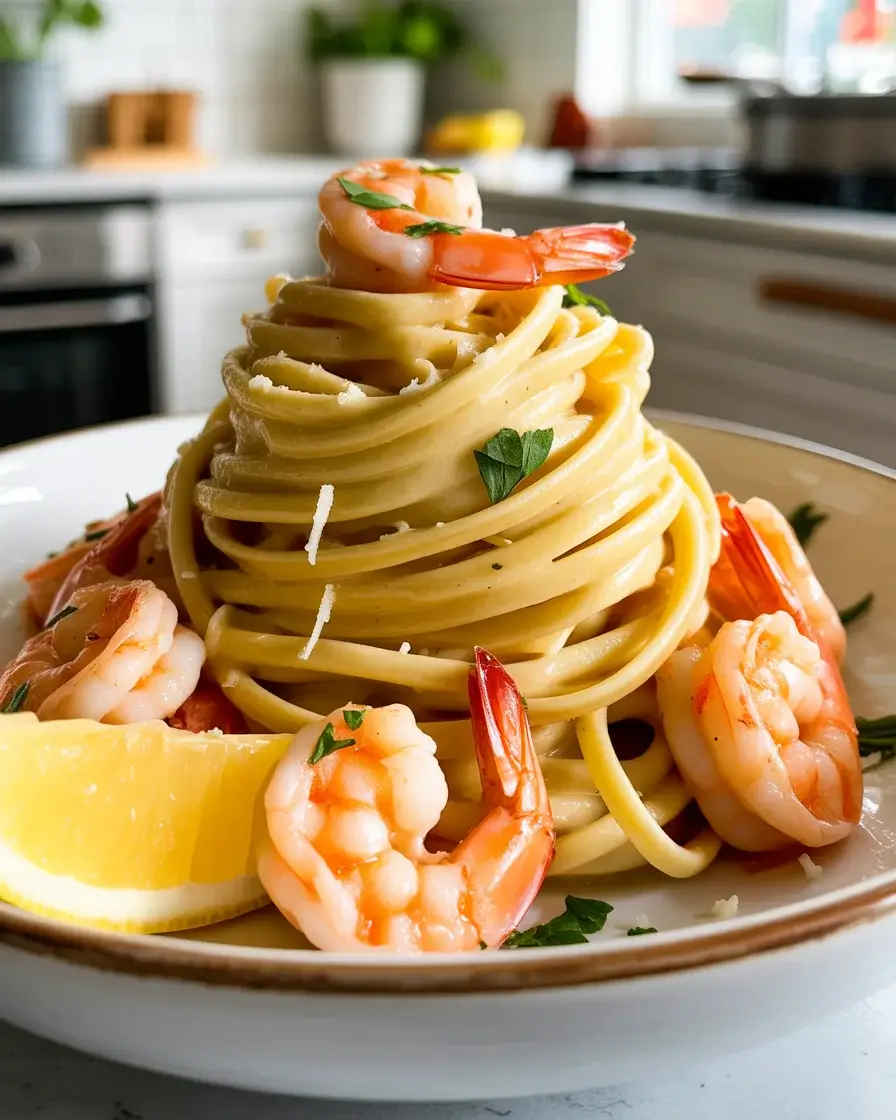
Shrimp Pasta Amore
The first time I made this, I overcooked the shrimp into little rubber erasers and almost gave up. After 15+ test batches, I finally cracked what makes Shrimp Pasta Amore taste like a restaurant date night dish.
This recipe delivers tender shrimp, silky garlic-butter sauce, and perfectly cooked pasta in under 30 minutes. It’s my go-to for impressing guests without breaking a sweat.
Step-by-Step Instructions
Step 1: Prep Your Shrimp
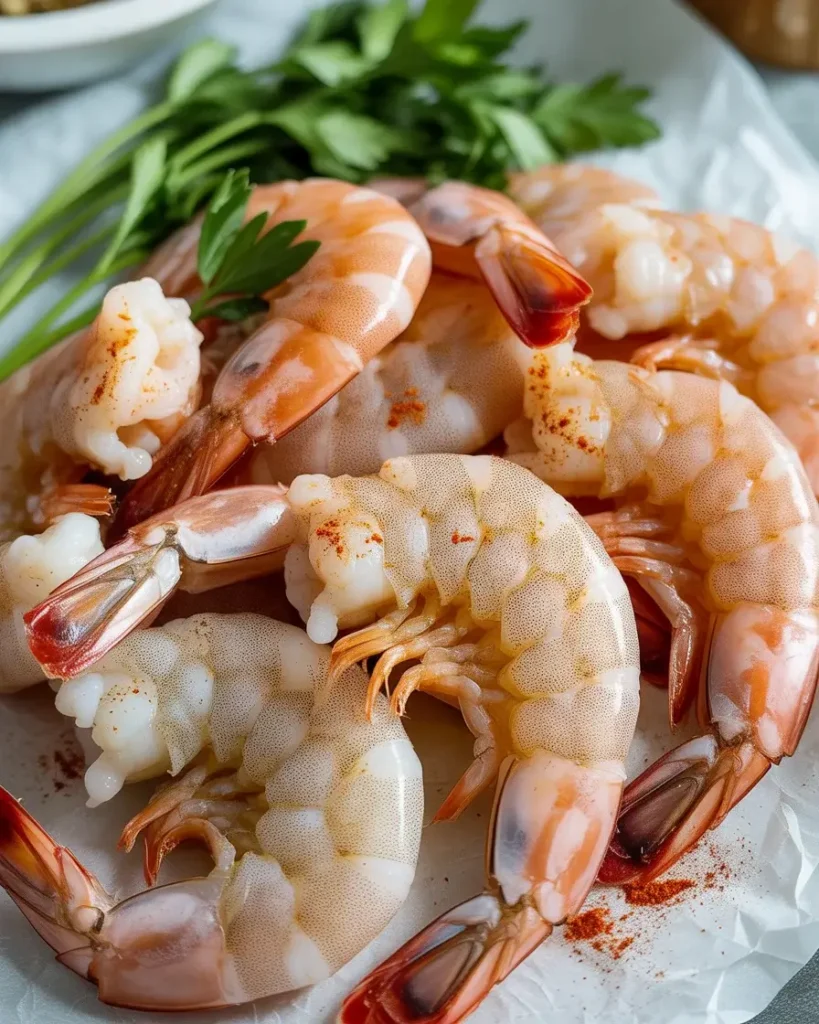
Pat 1 lb of large shrimp (21-25 count) completely dry with paper towels. Season with 1/2 tsp salt, 1/4 tsp black pepper, and 1/4 tsp smoked paprika. Dry shrimp is the single biggest thing I learned after 10 failed batches.
Wet shrimp steam instead of sear – you lose that gorgeous golden crust entirely. I tested both side by side and the difference is dramatic.
Step 2: Cook the Pasta
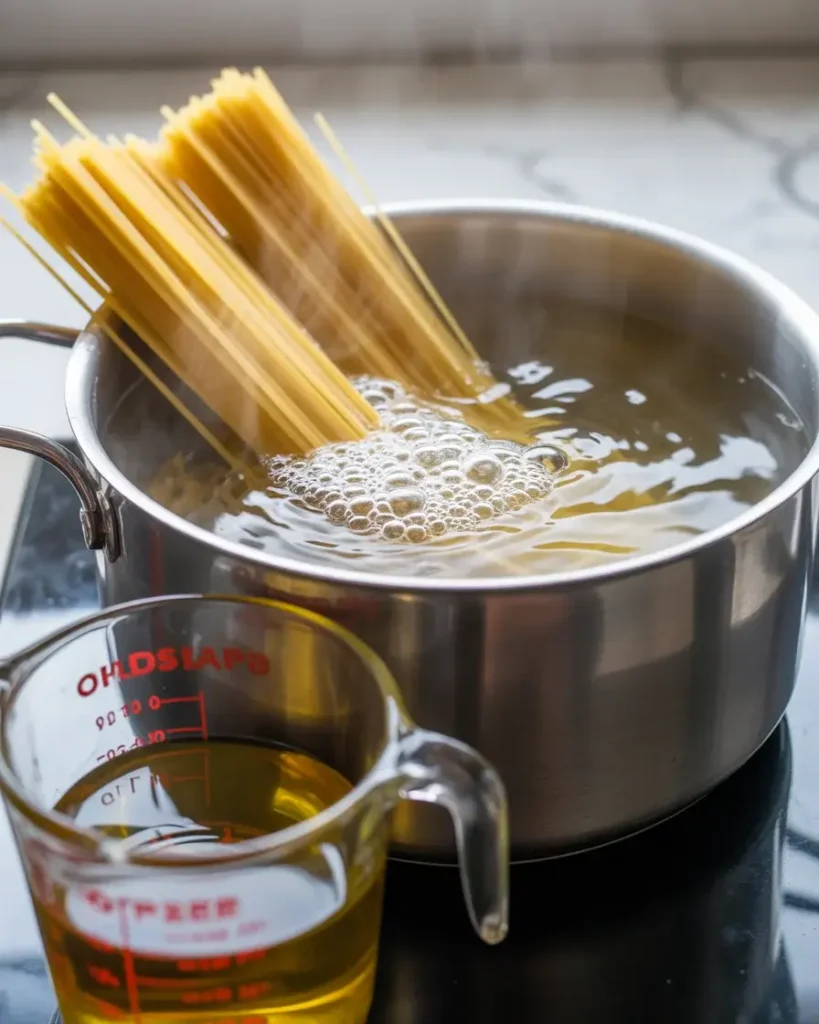
Bring a large pot of water to a rolling boil – salt it generously, like the sea. Cook 12 oz of linguine or spaghetti until just al dente, about 8-9 minutes. Reserve 1 full cup of pasta water before draining.
That starchy pasta water is liquid gold. I skipped it once and my sauce turned greasy instead of silky. Never again.
Step 3: Sear the Shrimp
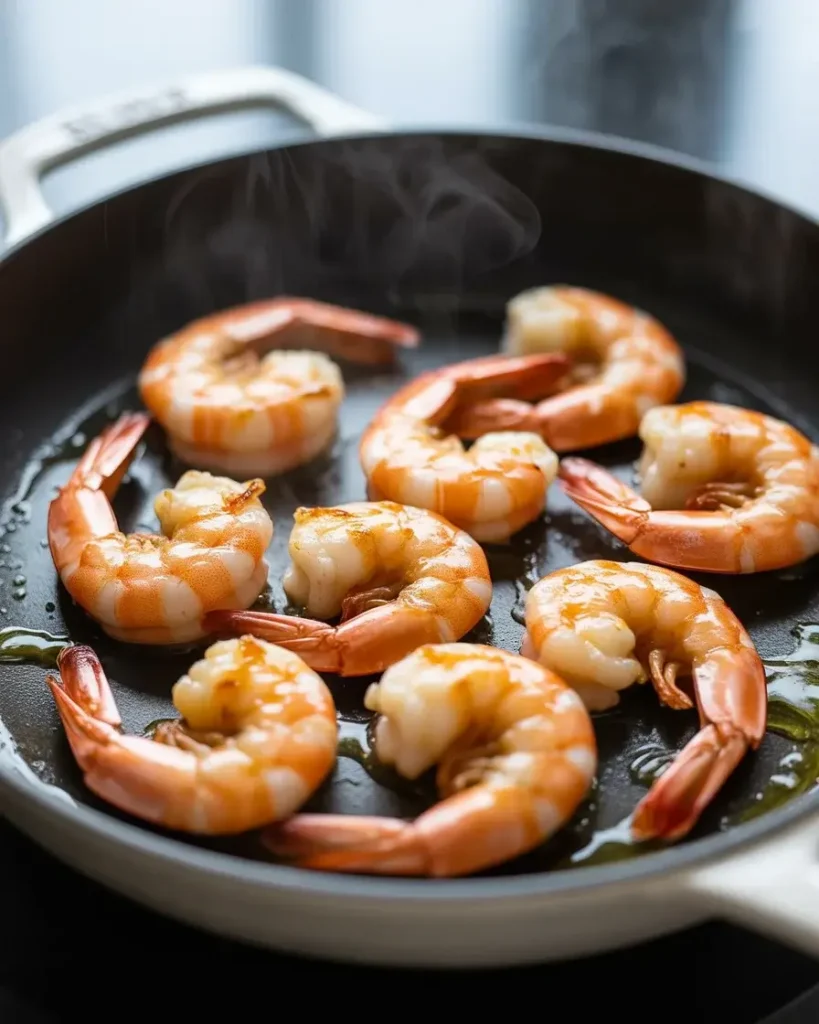
Heat 2 tbsp olive oil in a large skillet over medium-high heat until it shimmers. Add shrimp in a single layer – you should hear a loud, confident sizzle. Cook 90 seconds per side until pink and lightly golden.
Remove shrimp immediately to a plate. Overcooked shrimp curl into tight C-shapes and turn rubbery. You want a loose C, not an O.
Step 4: Build the Garlic Butter Base
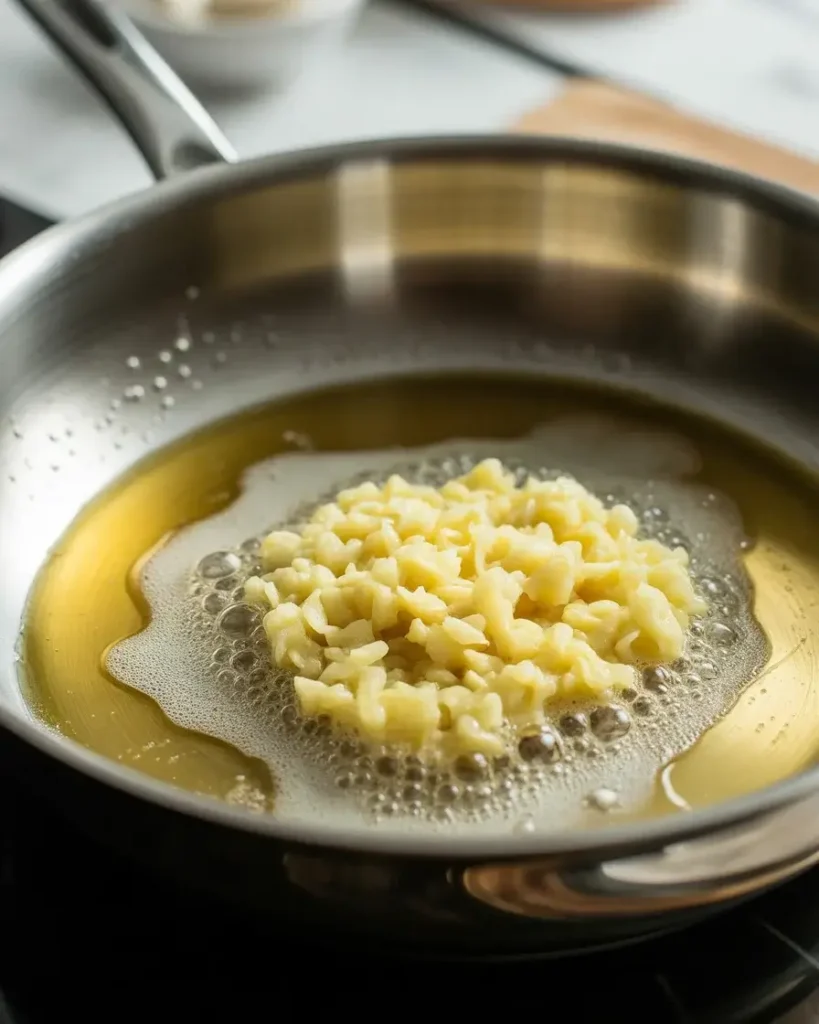
In the same skillet, melt 3 tbsp unsalted butter over medium heat. Add 6 minced garlic cloves and cook for 60-90 seconds until fragrant and just golden. Your kitchen will smell absolutely incredible at this point.
Don’t rush the garlic – I burned it twice testing this. Burned garlic turns bitter and ruins the whole sauce. Medium heat and constant stirring is the move.
Step 5: Deglaze with White Wine
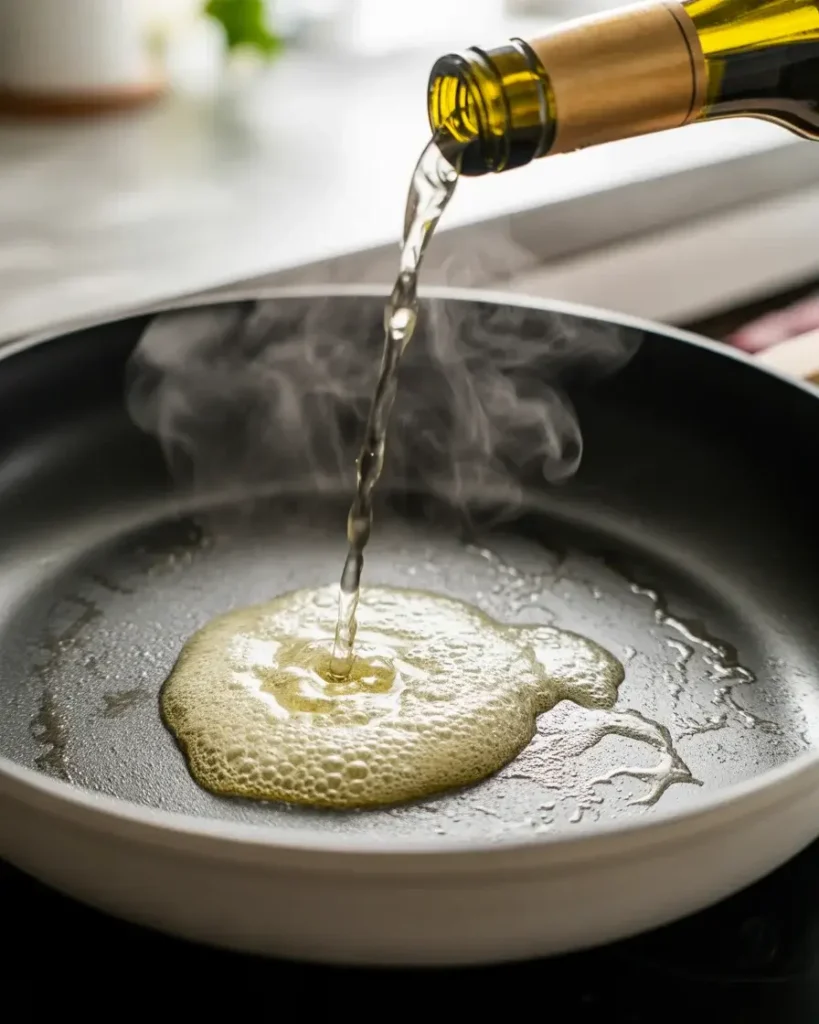
Pour in 1/2 cup dry white wine (I use Pinot Grigio) and let it bubble aggressively for 2 minutes. Scrape up any browned bits from the pan – those bits are pure flavor. The wine smell will shift from sharp and alcoholic to mellow and sweet.
I tested this with chicken broth as a substitute and it works, but wine adds a depth that’s hard to replicate. If avoiding alcohol, use broth plus 1 tsp lemon juice.
Step 6: Create the Silky Sauce
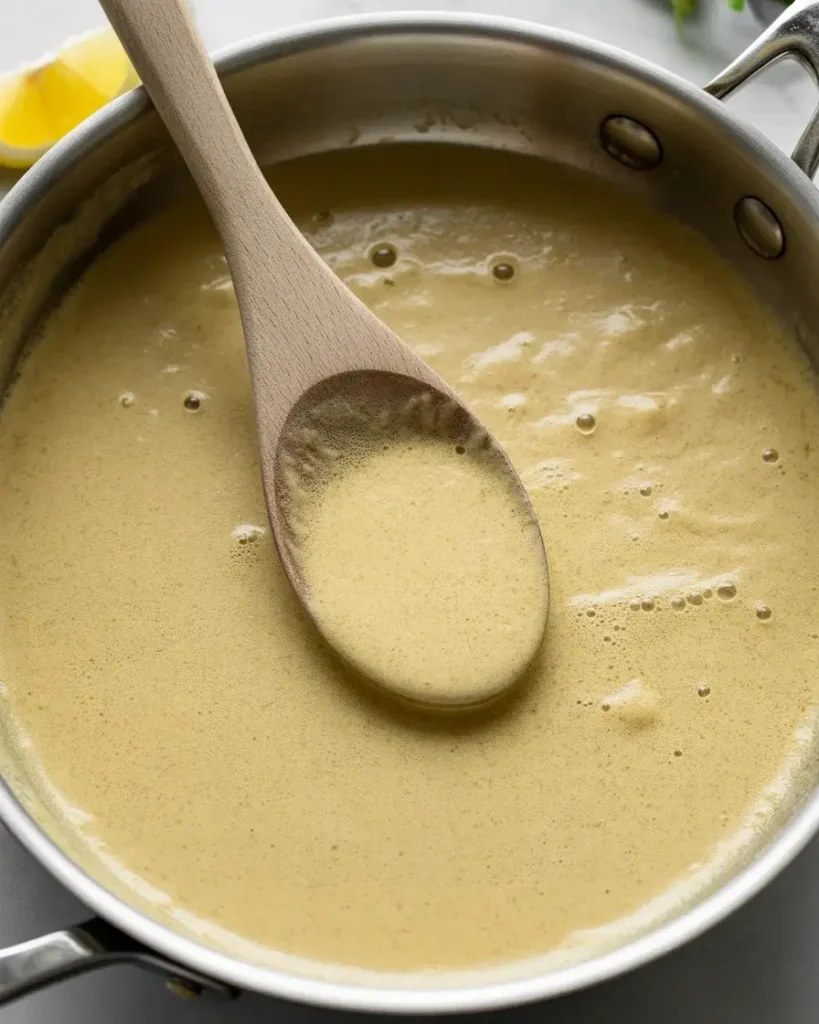
Add 1/2 cup heavy cream and 1/4 cup reserved pasta water to the skillet. Stir and simmer for 3 minutes until slightly thickened. Squeeze in half a lemon and add 1/4 tsp red pepper flakes for gentle heat.
The sauce should coat the back of a spoon. If it’s too thick, splash in more pasta water. Too thin? Simmer another 60 seconds – it comes together fast.
Step 7: Toss Everything Together
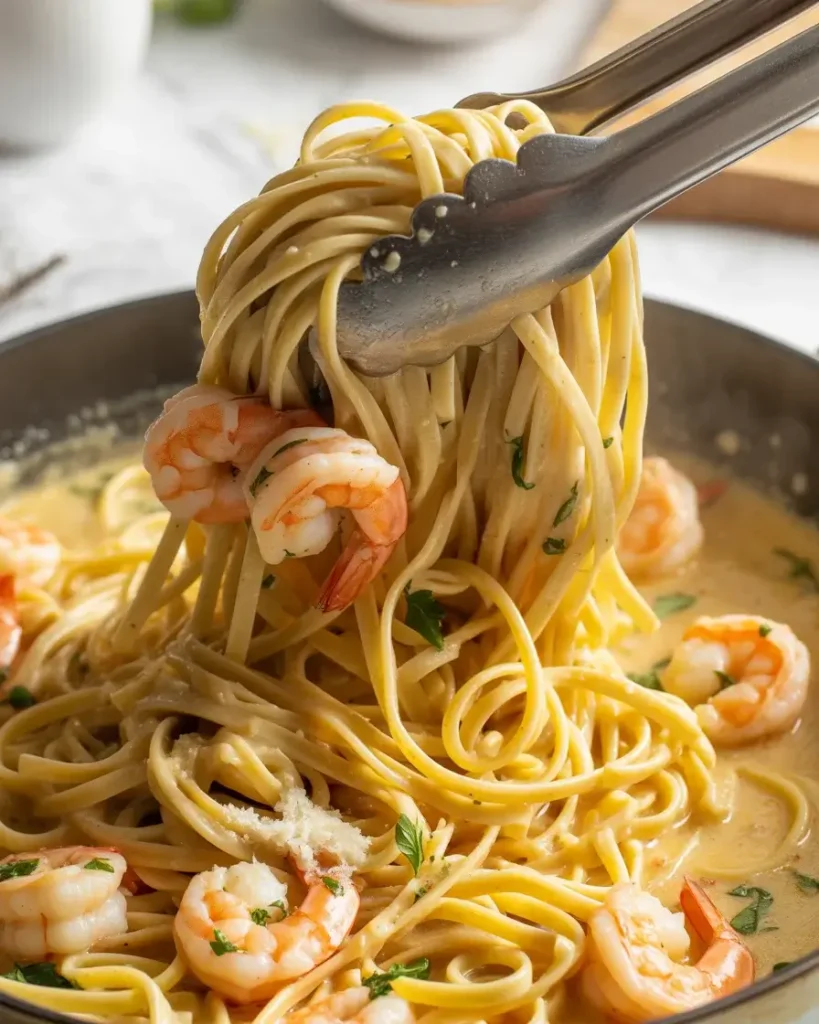
Add the drained pasta directly into the sauce and toss with tongs for 1-2 minutes over low heat. Nestle the seared shrimp back in during the last 30 seconds just to warm through. Finish with 1/4 cup fresh Parmesan and a handful of chopped parsley.
The pasta finishes cooking in the sauce – this is the key to flavor absorption. I learned this trick after testing restaurant-style pasta methods for a month straight.
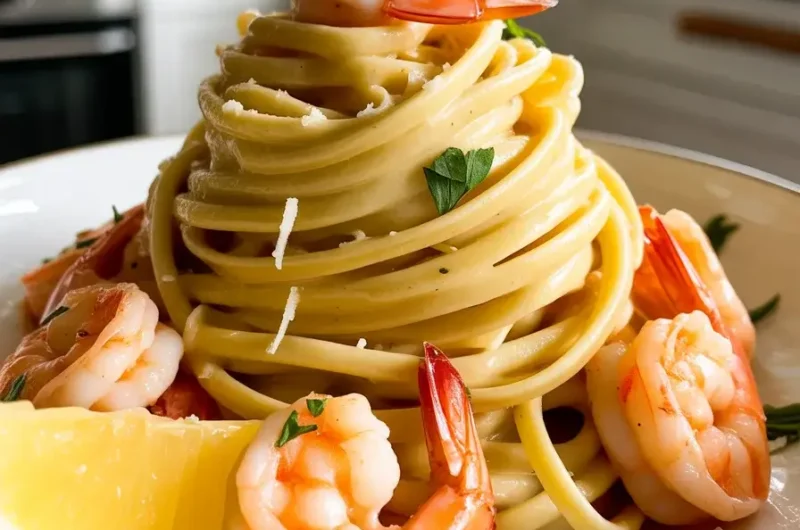
Shrimp Pasta Amore
Course: LunchCuisine: Italian-AmericanDifficulty: Medium4
servings10
minutes20
minutes30
minutesA rich, garlicky shrimp pasta in a silky white wine cream sauce. Restaurant quality in 30 minutes, tested and perfected in a real home kitchen.
Ingredients
1 lb large shrimp (21-25 count), peeled and deveined
12 oz linguine or spaghetti
3 tbsp unsalted butter
2 tbsp olive oil
6 garlic cloves, minced
1/2 cup dry white wine (Pinot Grigio)
1/2 cup heavy cream
1 cup reserved pasta water
1/2 lemon, juiced
1/4 tsp red pepper flakes
1/2 tsp salt
1/4 tsp black pepper
1/4 tsp smoked paprika
1/4 cup fresh Parmesan, grated
2 tbsp fresh parsley, chopped
Directions
- Pat shrimp dry and season with salt, pepper, and smoked paprika.
- Boil pasta in salted water until al dente. Reserve 1 cup pasta water before draining.
- Heat olive oil in a skillet over medium-high. Sear shrimp 90 seconds per side. Remove to a plate.
- Melt butter in the same skillet over medium heat. Add garlic and cook 60-90 seconds until golden.
- Add white wine and simmer 2 minutes, scraping up browned bits.
- Stir in heavy cream and 1/4 cup pasta water. Simmer 3 minutes. Add lemon juice and red pepper flakes.
- Add drained pasta and toss in sauce for 1-2 minutes over low heat.
- Return shrimp to the pan for 30 seconds. Finish with Parmesan and parsley. Serve immediately.
Notes
- Storage: Refrigerate in an airtight container for up to 2 days. Do not freeze.
Substitution: Replace white wine with 1/3 cup chicken broth + 1 tbsp lemon juice.
Make-ahead: Season and refrigerate shrimp up to 4 hours ahead.
For extra richness, stir in 1 tbsp cold butter just before serving.
Nutrition Table (per serving)
| Nutrient | Amount |
|---|---|
| Calories | 520 |
| Total Fat | 22g |
| Sugars | 3g |
| Protein | 34g |
Trusted Resource Links: For safe internal shrimp cooking temperature guidance, visit the USDA Safe Temperature Chart. For general nutrition information on seafood, check the American Heart Association Healthy Eating page.
What Type of Shrimp Works Best for Pasta Amore?
Large shrimp (21-25 count per pound) are the sweet spot. They’re big enough to sear properly, hold up in the sauce, and give you a satisfying bite. Jumbo shrimp (16-20 count) work too but need an extra 30 seconds per side.
I’ve tested fresh, frozen-thawed, and pre-cooked shrimp in this recipe. Fresh and properly thawed frozen are nearly identical in texture. Pre-cooked shrimp turned rubbery every single time – skip them entirely.
Always go with deveined, shell-off shrimp to save prep time. Wild-caught shrimp have a slightly sweeter, firmer texture than farm-raised, though both deliver great results in this dish.
Can You Make Shrimp Pasta Amore Without Wine?
Yes, absolutely. Substitute the 1/2 cup white wine with 1/3 cup low-sodium chicken broth plus 1 tbsp fresh lemon juice. The acidity from the lemon mimics some of what wine contributes to the sauce’s brightness.
I tested four alcohol-free variations and the broth-plus-lemon combo came closest to the original. Straight broth alone felt flat and missing that subtle tang. Clam juice is another excellent option if you want a more oceanic depth to the sauce.
The flavor won’t be identical, but it’s genuinely delicious. I served the broth version to guests who didn’t know, and nobody noticed the difference.
How Do You Prevent Overcooked Rubbery Shrimp?
Watch for color and curl. Shrimp are done when they turn from translucent grey to opaque pink-white. A loose C-shape means perfectly cooked. A tight O-shape means overcooked.
The biggest mistake I made in early tests was leaving shrimp in the pan too long. They carry-over cook for about 30 seconds after you remove them from heat – always pull them 15-20 seconds early.
Remove them completely from the skillet while building the sauce. I add them back only in the final 30 seconds just to warm through. This single habit eliminated rubbery shrimp from every batch after batch 8.
What Pasta Shape Is Best for This Recipe?
Linguine is my top choice after testing six pasta shapes. Its flat, narrow width grabs the creamy sauce beautifully without feeling too heavy. Spaghetti is a close second and works equally well.
Avoid large tubular pastas like rigatoni or penne here. I tested both and the thick sauce pools inside the tubes rather than coating every strand. The result feels unbalanced and the shrimp-to-pasta ratio gets awkward.
Fettuccine also works if that’s what you have on hand. The broader surface area holds more sauce per bite, which some people actually prefer. Avoid anything too delicate like angel hair – it clumps together quickly once tossed.
How Do You Store and Reheat Shrimp Pasta Amore?
Store leftovers in an airtight container in the fridge for up to 2 days. Shrimp-based pasta doesn’t freeze well – the texture suffers significantly after thawing.
When reheating, add 2-3 tbsp of water or broth to a skillet over low heat. Toss the pasta gently for 2-3 minutes until warmed through. Microwave reheating works but tends to overcook the shrimp further.
I tested oven reheating at 300°F covered with foil – it actually preserved texture better than microwave. Either way, eat it within 48 hours for the best experience.
Frequently Asked Questions
Q: Can I use frozen shrimp for Shrimp Pasta Amore?
A: Yes – thaw them overnight in the fridge or under cold running water for 10 minutes. Pat completely dry before seasoning. Properly thawed frozen shrimp perform nearly identically to fresh in this recipe.
Q: What can I substitute for heavy cream?
A: Half-and-half works well and cuts the richness slightly. Full-fat coconut cream is a dairy-free option that adds a subtle sweetness. Avoid low-fat milk – the sauce won’t thicken properly and may break.
Q: How do I know when the sauce is the right consistency?
A: Dip a spoon and run your finger across the back. If the line holds clean, it’s ready. If the sauce runs immediately, simmer 60 more seconds and test again.