Are Pretzel Chips Baked Or Fried? Unveiling The Snack’s Secrets
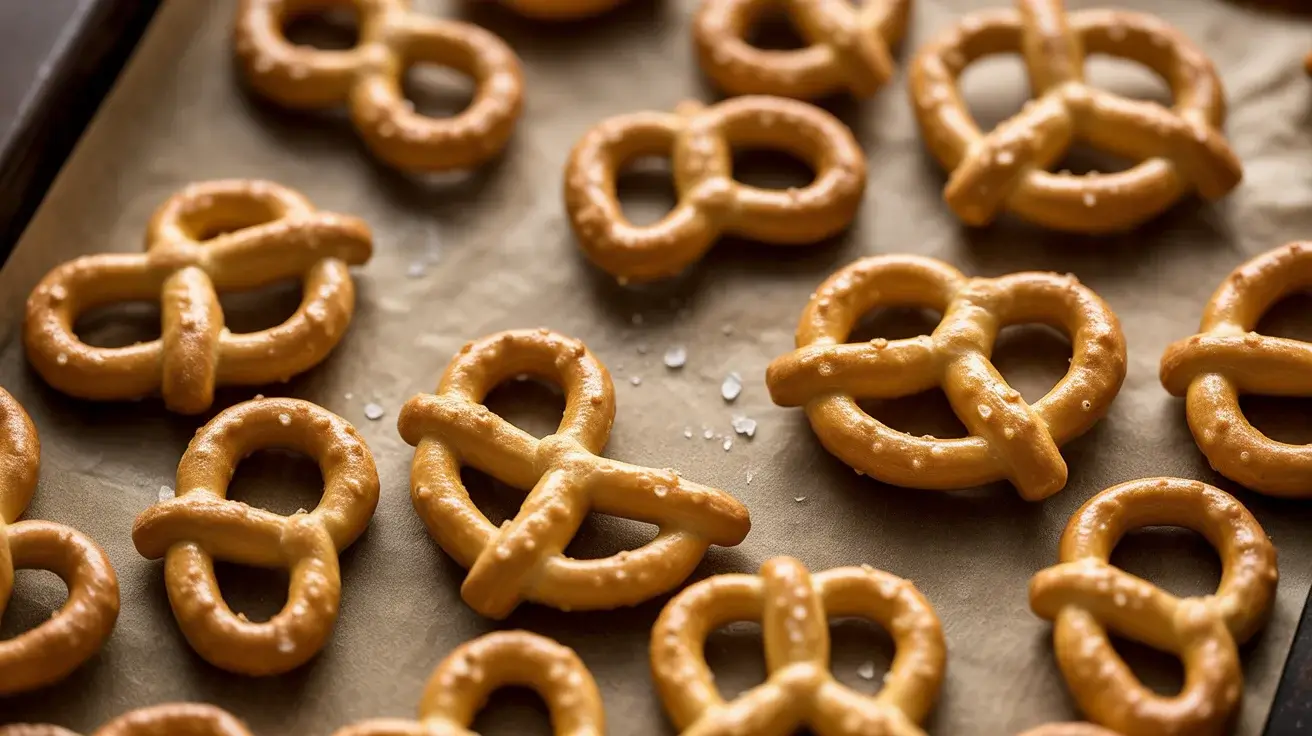
If you’ve ever wondered whether pretzel chips are baked or fried, you’re not alone. These crunchy snacks have become a pantry staple, but their preparation method remains a mystery to many. Most commercial pretzel chips are actually baked, not fried, which is what gives them that signature crispy texture without the excess oil.
The baking process involves rolling the pretzel dough thin, cutting it into chip shapes, and baking at high temperatures. This method creates those satisfying air pockets and golden edges we all love. Understanding how they’re made can help you recreate this beloved snack at home with complete control over ingredients and flavor.
What Makes Pretzel Chips Different
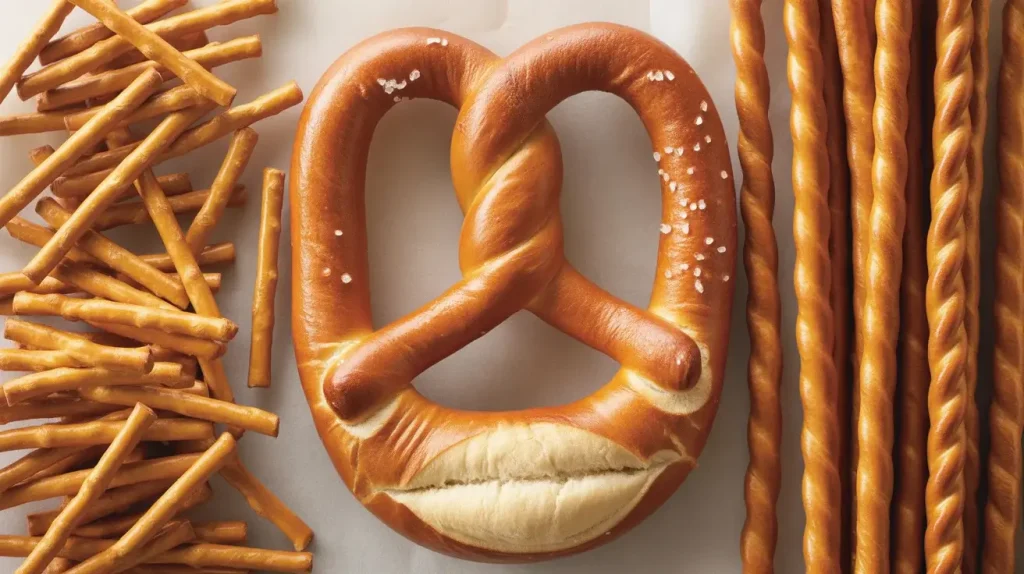
Pretzel chips stand apart from regular pretzels due to their flat, crispy structure and concentrated flavor. The thin shape allows for maximum crunch in every bite, while the increased surface area means more space for seasoning. Unlike soft pretzels or traditional pretzel twists, chips are sliced or rolled paper-thin before baking.
The key to their addictive texture lies in the alkaline bath—a quick dip in baking soda water before baking. This creates that distinctive pretzel flavor and deep brown color. The baking method, rather than frying, keeps them light and allows the pretzel’s natural wheat flavor to shine through without heavy oil.
Why Baking Beats Frying
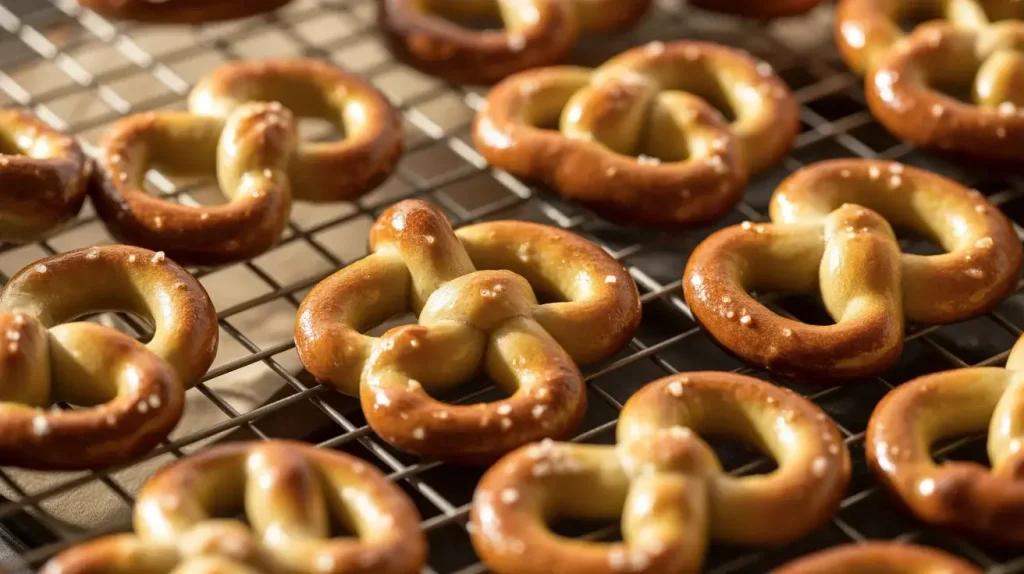
Baking pretzel chips instead of frying them offers several advantages that make them a smarter snack choice. First, baked chips contain significantly less fat—usually 2-3 grams per serving compared to 8-10 grams in fried chips. This makes them lighter on your stomach while still delivering that satisfying crunch.
The baking process also allows the pretzel’s flavor to develop more fully without being masked by oil. Heat from the oven caramelizes the sugars naturally present in the dough, creating complex flavors. Plus, baked chips have a cleaner taste and won’t leave your fingers greasy, making them perfect for snacking anywhere.
How Commercial Brands Make Them
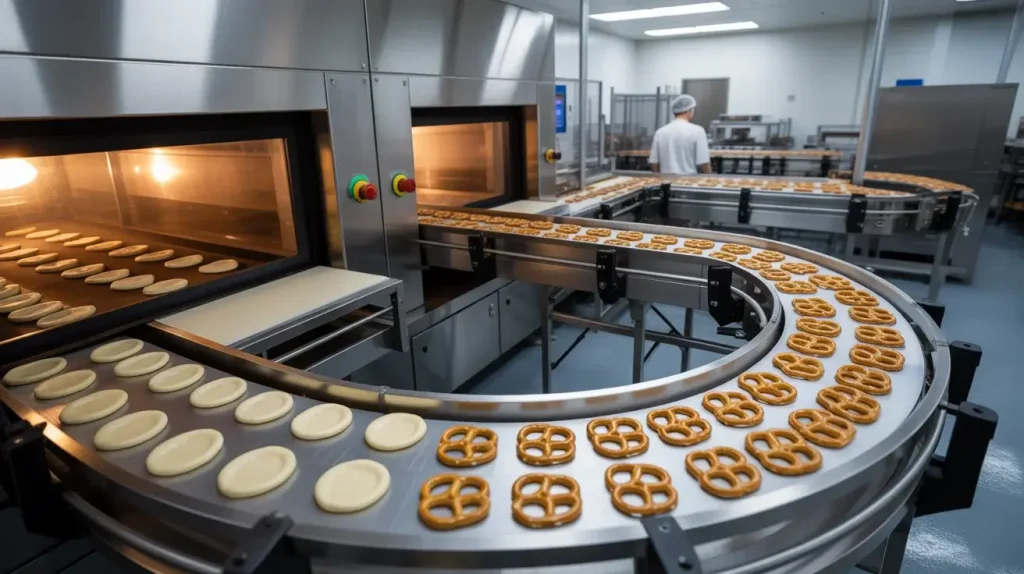
Major pretzel chip brands use industrial ovens that reach temperatures between 400-450°F for perfectly even baking. The dough is rolled through machines to achieve a uniform thickness, typically around 2-3mm. After the alkaline bath, chips are arranged on conveyor belts and baked for just 8-12 minutes until golden and crisp.
Quality control is crucial—each batch is monitored for color, texture, and moisture content. Some brands add a light mist of oil after baking for flavor enhancement, but this is minimal compared to deep-frying. The result is a consistent product with an extended shelf life thanks to the low moisture content achieved through baking.
Making Homemade Baked Pretzel Chips
Creating your own pretzel chips at home is surprisingly simple and incredibly rewarding. You’ll need basic pantry ingredients: flour, yeast, baking soda, salt, and water. The process mirrors traditional pretzel making, but with one key difference—you roll the dough much thinner and cut it into chip-sized pieces.
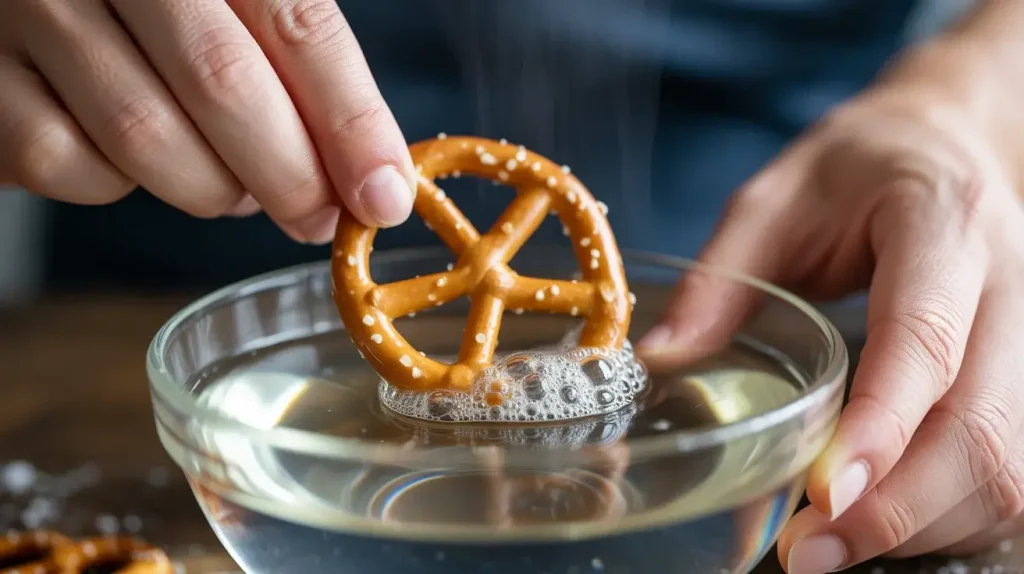
The secret to authentic pretzel flavor is the baking soda bath, which must be done just before baking. After boiling water with baking soda, dip each chip for 20-30 seconds, then transfer to a baking sheet. A sprinkle of coarse salt before baking adds that classic pretzel taste we all crave.
Are Pretzel Chips Baked Or Fried? Unveiling The Snack’s Secrets
Course: Dessert, SnacksCuisine: AmericanDifficulty: Easy6
servings20
minutes12
minutes32
Crispy, golden homemade pretzel chips baked to perfection with authentic pretzel flavor. These addictive snacks are oil-free, customizable, and healthier than store-bought versions.
Ingredients
2 cups all-purpose flour
1 tablespoon granulated sugar
1 teaspoon salt
1 packet (2¼ teaspoons) active dry yeast
¾ cup warm water (110°F)
6 cups water (for boiling)
¼ cup baking soda
Coarse sea salt for topping
Optional: melted butter for brushing (1 tablespoon)
Directions
- Activate the yeast: In a large bowl, combine warm water, sugar, and yeast. Let sit for 5 minutes until foamy.
- Make the dough: Add flour and salt to the yeast mixture. Knead for 5-7 minutes until smooth and elastic. Place in a greased bowl, cover, and let rise for 1 hour until doubled.
- Roll the dough: Divide the dough into 4 pieces. Roll each piece as thin as possible (about 1/8 inch) on a floured surface. Cut into 2-inch squares or desired chip shapes.
- Prepare baking soda bath: Preheat oven to 425°F. Bring 6 cups of water and baking soda to a boil in a large pot.
- Boil the chips: Drop 10-15 chips into boiling water for 20-30 seconds. Remove with a slotted spoon and place on parchment-lined baking sheets.
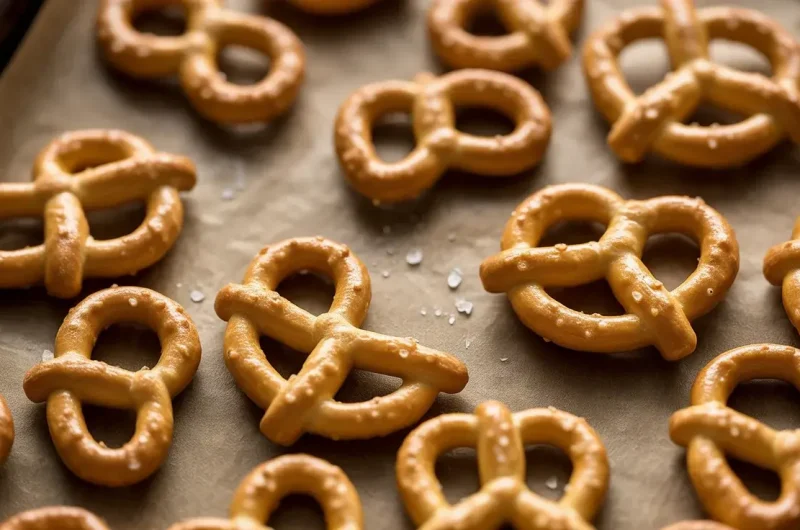
- Season and bake: Sprinkle chips with coarse salt. Bake for 10-12 minutes until deep golden brown and crispy. Let cool completely on a wire rack.
- Optional finishing: Brush lightly with melted butter while still warm for extra flavor.
Notes
- Thickness matters: The thinner you roll the dough, the crispier your chips will be
Don’t skip the bath: The baking soda water is what creates authentic pretzel flavor and color
Storage: Store in airtight container for up to 2 weeks - Flavor variations: Try adding garlic powder, everything bagel seasoning, or cinnamon sugar before baking
Make ahead: Unbaked chips can be frozen for up to 3 months
| Nutrient | Per Serving (28g) |
|---|---|
| Calories | 110 kcal |
| Total Fat | 1.5 g |
| Dietary Fiber | 1 g |
| Sugars | 0 g |
| Protein | 3 g |
The Health Benefits Of Baked Over Fried
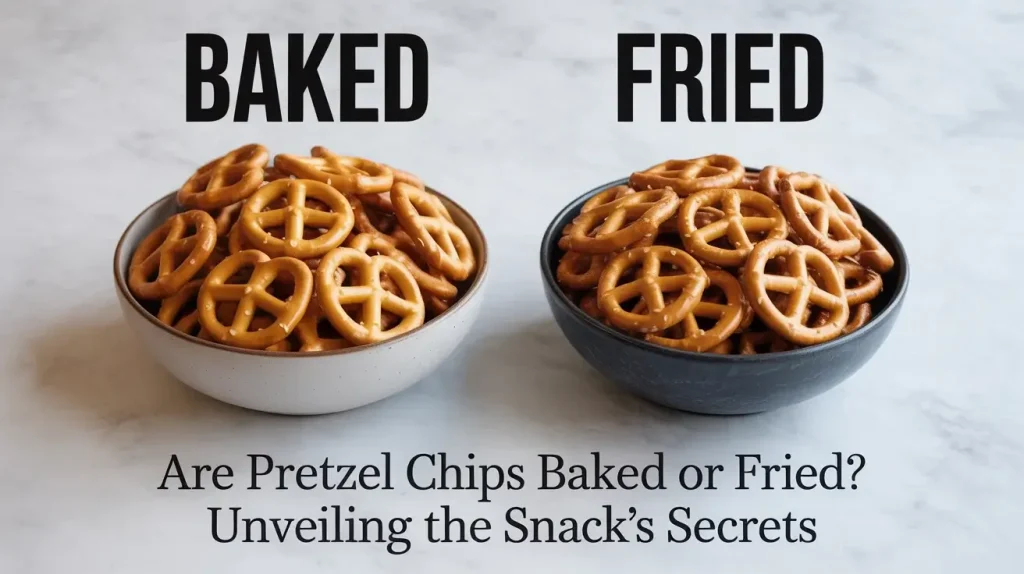
Choosing baked pretzel chips over fried alternatives provides measurable health advantages without sacrificing taste. Baked versions typically contain 60-70% less fat, which translates to fewer calories per serving. This makes them a guilt-free option for snacking while watching movies or entertaining guests.
Beyond lower fat content, baked pretzel chips are easier to digest and won’t cause that heavy, greasy feeling. They’re also lower in acrylamide, a compound formed during high-temperature frying that’s been linked to health concerns. When you bake at home, you control the sodium levels too, making them heart-healthier than most store-bought options.
Best Seasonings For Pretzel Chips
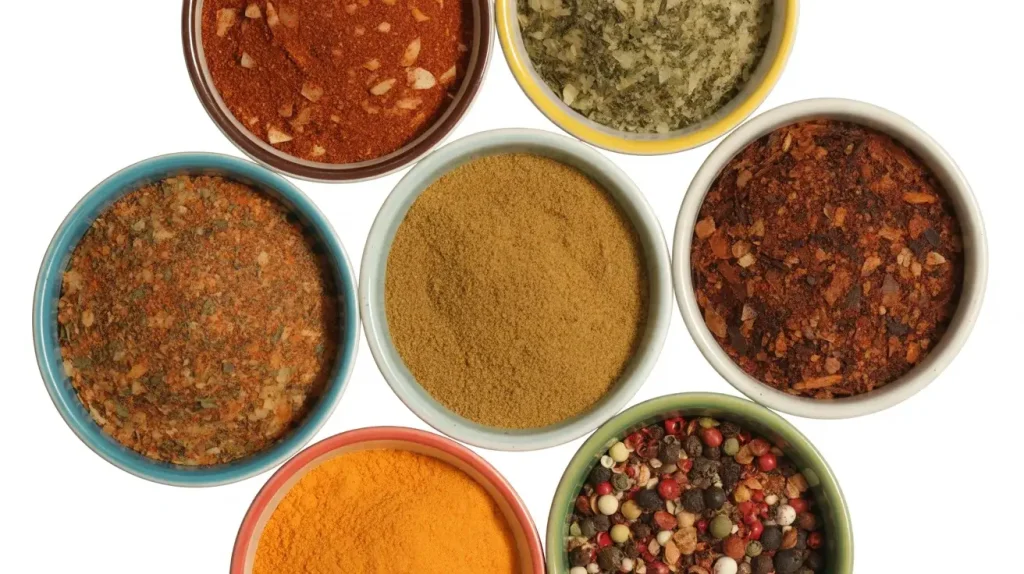
The beauty of homemade baked pretzel chips lies in the endless possibilities for seasoning. Classic coarse salt is traditional, but try everything bagel seasoning, garlic parmesan, or ranch powder for variety. Sweet options like cinnamon sugar transform them into a dessert-worthy treat that rivals churros.
For savory lovers, smoked paprika with onion powder creates a BBQ-inspired flavor, while nutritional yeast and herbs deliver a cheesy, vegan-friendly option. Apply seasonings immediately after the baking soda bath when chips are still damp—this helps them stick better. You can also toss baked chips in melted butter and seasonings for maximum flavor coating.
Storing Your Pretzel Chips
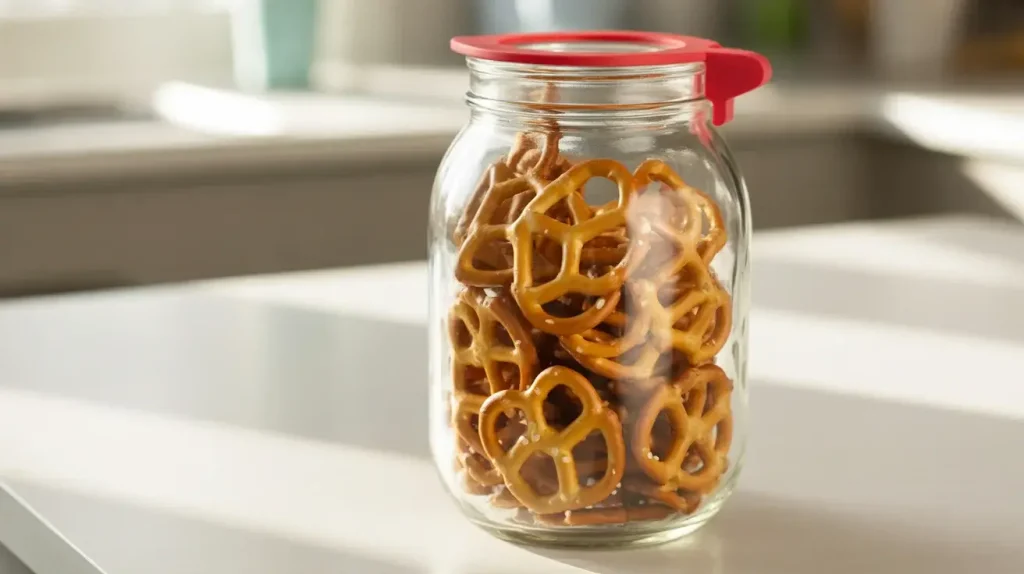
Proper storage is essential for maintaining that perfect crispy texture you worked hard to achieve. Once completely cooled, transfer pretzel chips to an airtight container or resealable bag with excess air pressed out. They’ll stay fresh and crunchy for up to two weeks at room temperature in a cool, dry place.
Never store pretzel chips while still warm—trapped steam will make them soggy. If they do lose crispness, revive them by spreading on a baking sheet and warming in a 300°F oven for 3-5 minutes. For longer storage, freeze baked chips in freezer bags for up to three months, though texture is best when fresh.
Serving Ideas And Pairings
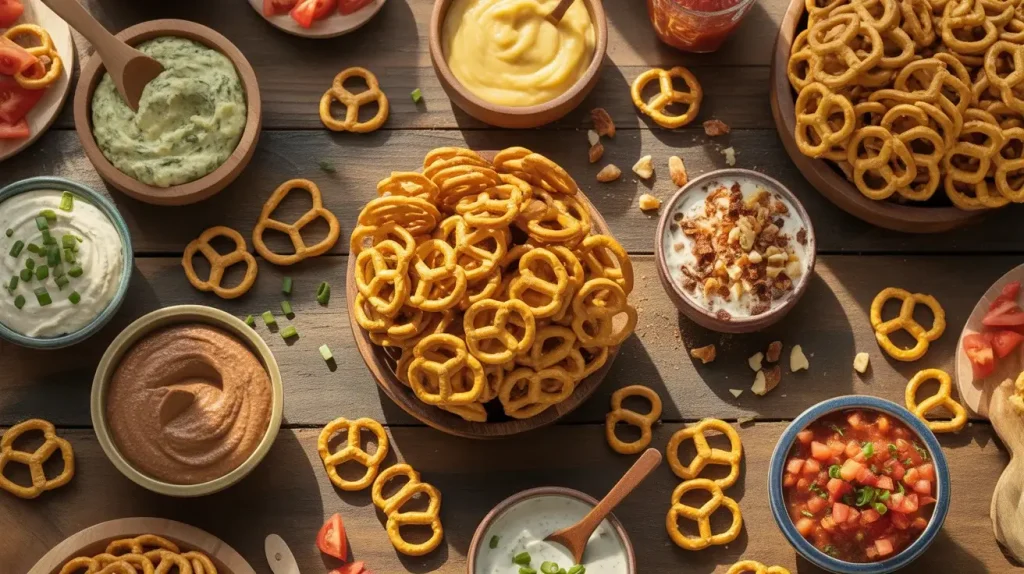
Pretzel chips shine as a versatile base for countless appetizers and snacks. Create a stunning charcuterie board by arranging cheeses, cured meats, and fruits—their sturdy structure holds up to heavy dips. They’re perfect for scooping hummus, spinach artichoke dip, or beer cheese without breaking.
Try them as a crunchy salad topper instead of croutons, or crush them to make a coating for baked chicken tenders. For parties, top individual chips with cream cheese, smoked salmon, and capers for easy canapes. Their neutral-salty flavor complements both sweet and savory toppings, making them more versatile than regular crackers.
Frequently Asked Questions
Q: Can I make pretzel chips without the baking soda bath?
A: While you can skip it, the baking soda bath is what gives pretzel chips their signature flavor, dark color, and chewy-crispy texture. Without it, you’ll have plain baked crackers rather than true pretzel chips. The alkaline solution is crucial for obtaining accurate results.
Q: Why are my homemade pretzel chips not as crispy as store-bought?
A: Crispiness depends on three factors: rolling the dough thin enough (aim for 1/8 inch or thinner), baking at the right temperature (425°F), and cooling completely on a wire rack. If chips are still soft, return them to the oven for 2-3 more minutes and ensure they cool uncovered.
Q: Can I use whole wheat flour for healthier pretzel chips?
A: Yes! Substitute up to half the all-purpose flour with whole wheat flour for added fiber. Using 100% whole wheat will create denser, darker chips with a nuttier flavor. You may need to add 1-2 tablespoons more water since whole wheat flour absorbs more liquid than white flour.