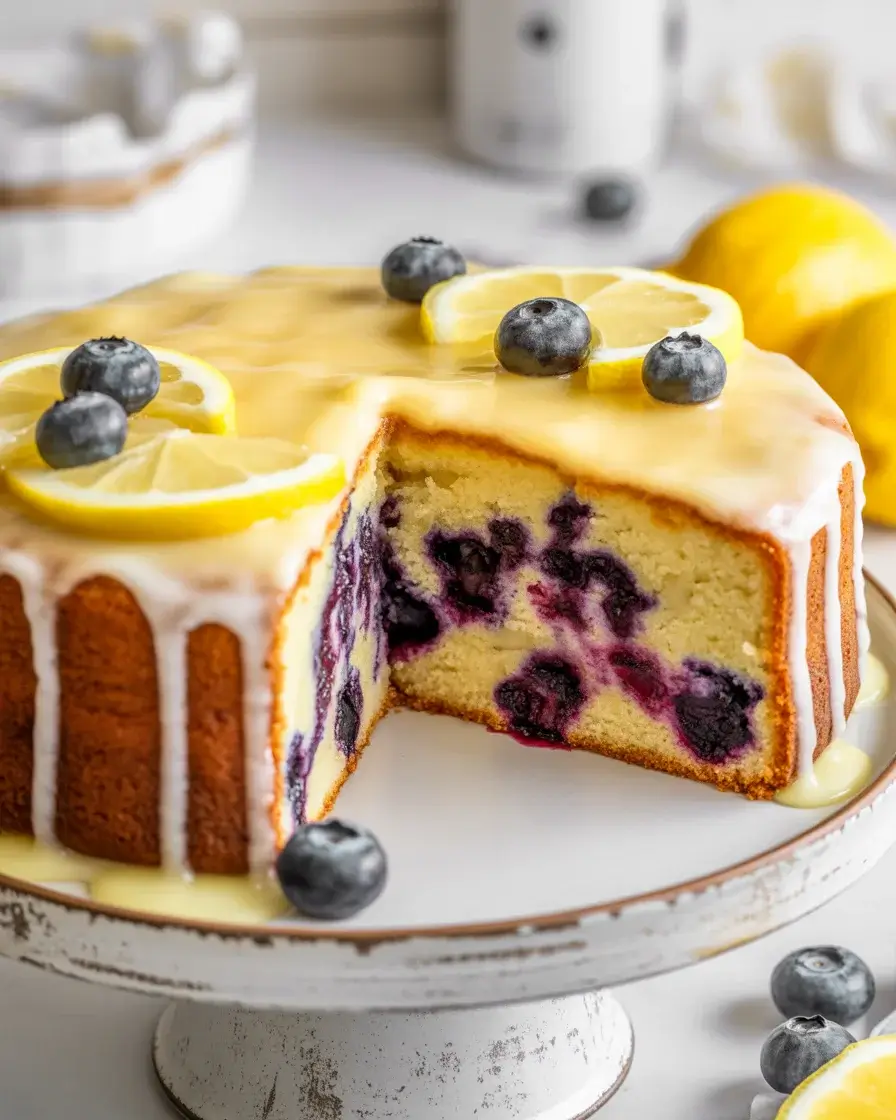
The Ultimate Lemon Blueberry Cake Recipe
I burned my first attempt at this cake because I got greedy with the oven temperature, thinking higher heat would somehow make it fluffier. Instead, I got a domed, cracked mess with raw batter in the center. After testing lower temperatures and different pan sizes, I finally cracked the code for a perfectly level, moist cake that doesn’t sink in the middle.
This lemon blueberry cake balances bright citrus with sweet berries without tasting like a muffin pretending to be cake. The crumb stays tender for days, and the lemon glaze soaks in just enough to add moisture without making it soggy.
Step-by-Step Instructions
Step 1: Prepare Your Ingredients and Pan
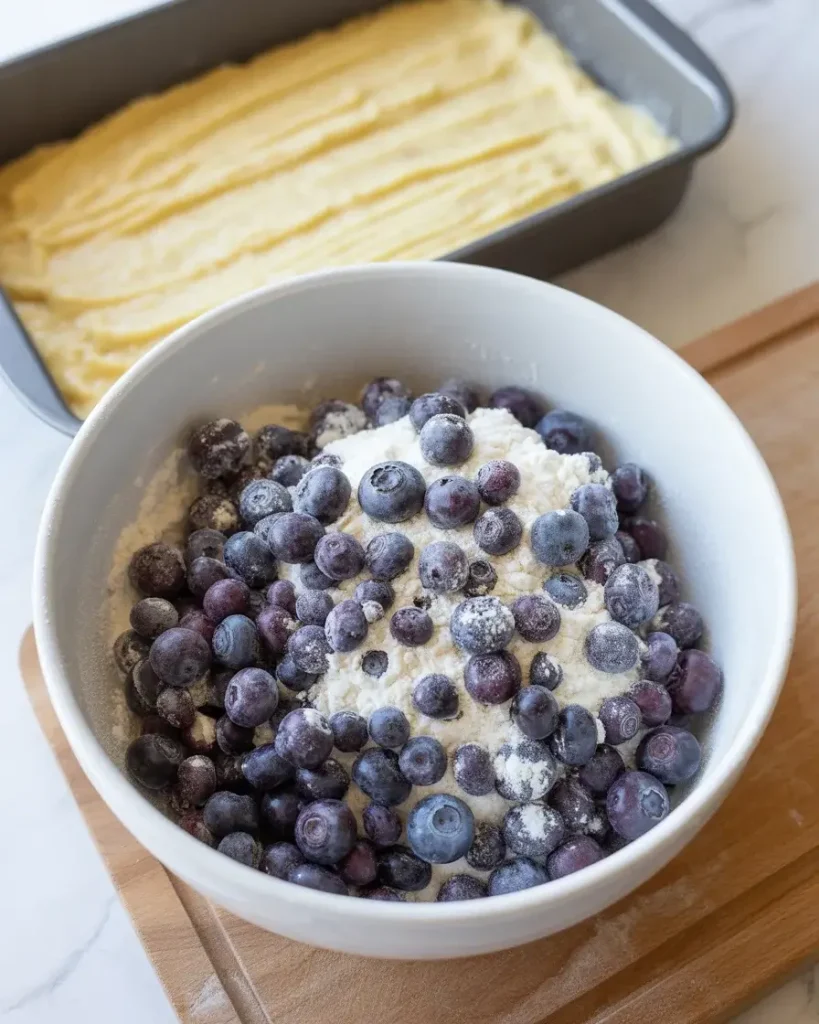
Preheat your oven to 325°F and grease a 9×13-inch baking pan with butter, then dust it lightly with flour. I tested this at 350°F multiple times and always got over-browned edges with an undercooked center. The lower temperature gives you an even bake.
Toss 1.5 cups of fresh blueberries with 1 tablespoon of flour in a small bowl. This coating prevents them from sinking to the bottom, which happened in 3 of my early test batches when I skipped this step.
Step 2: Cream the Butter and Sugar
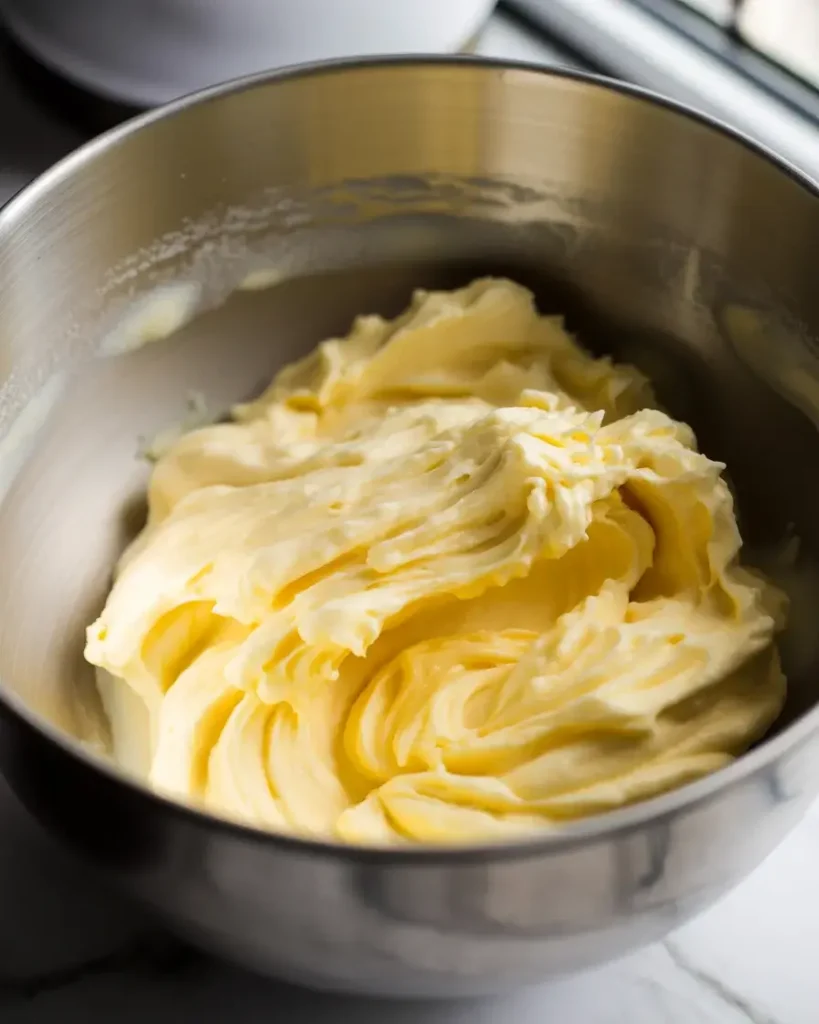
Beat 1 cup of softened butter with 2 cups of granulated sugar in a large mixing bowl for 4-5 minutes on medium-high speed until the mixture turns pale yellow and fluffy. I use a stand mixer, but a hand mixer works if you add an extra minute of beating time.
The mixture should look almost white and have visible air pockets when you lift the beaters. If it still looks yellow and dense, keep beating. This step creates the cake’s tender texture, and I’ve found that under-creaming results in a heavy, compact crumb.
Step 3: Add Eggs and Lemon Zest
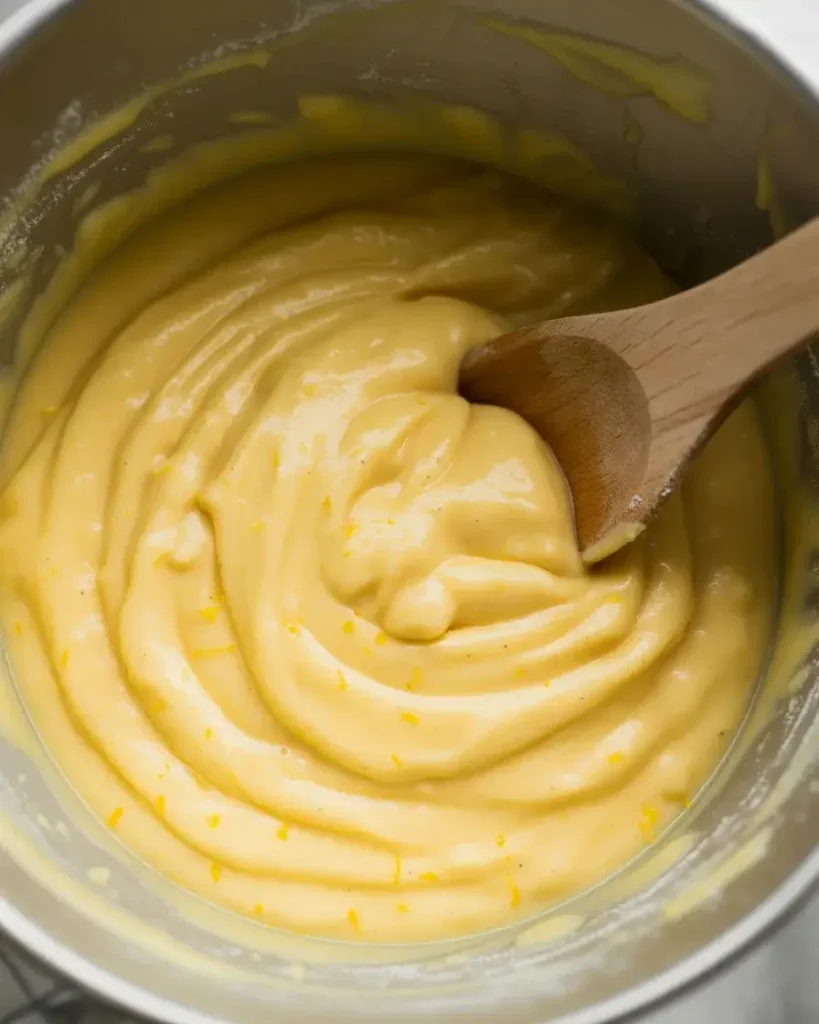
Add 4 large eggs one at a time, beating for 30 seconds after each addition until fully incorporated. Scrape down the bowl sides between eggs because bits of butter love to hide there. Mix in the zest of 3 lemons and 2 teaspoons of vanilla extract until evenly distributed.
The batter should look smooth and slightly glossy now. I tested with both Meyer lemons and regular lemons, and regular lemons gave a brighter, tangier flavor that balances the sweet blueberries better.
Step 4: Combine Dry Ingredients
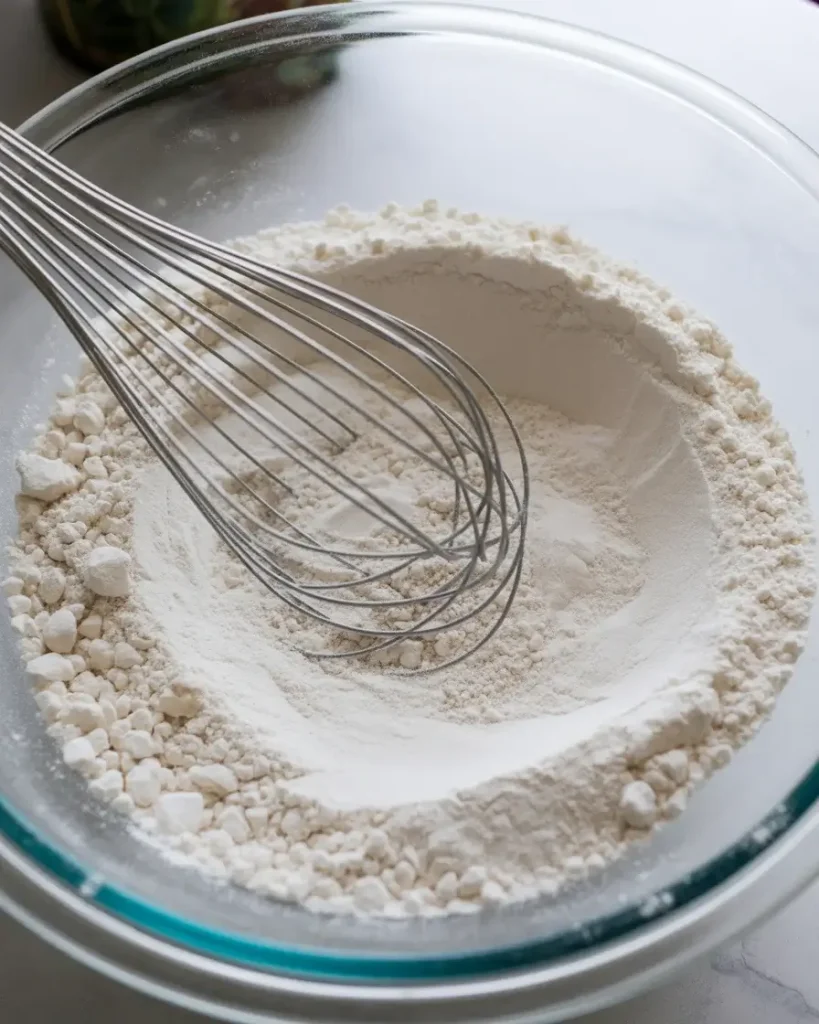
Whisk together 3 cups of all-purpose flour, 1 teaspoon of baking powder, 1/2 teaspoon of baking soda, and 1/2 teaspoon of salt in a separate medium bowl. Make sure there are no lumps of baking powder because those create bitter spots in the finished cake.
I sift these ingredients only when my baking powder has been sitting in the cabinet for months and gets clumpy. Fresh baking powder whisks in smoothly without sifting, saving you an extra step and dirty dish.
Step 5: Alternate Wet and Dry Additions
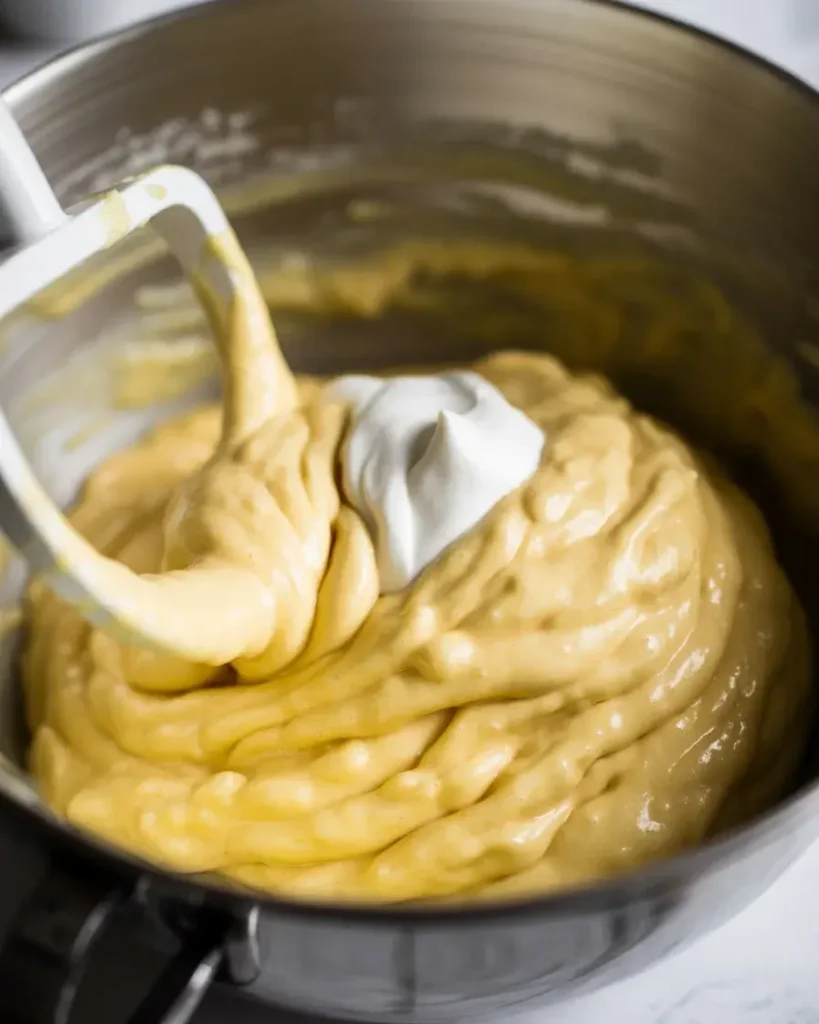
Add one-third of the flour mixture to the butter mixture and beat on low speed just until you see a few flour streaks remaining. Pour in 1/2 cup of sour cream and 1/4 cup of fresh lemon juice, then beat until just combined. Repeat this process, ending with the flour mixture.
Stop mixing as soon as the last flour streaks disappear. I over-mixed this in my fourth test batch and ended up with a tough, chewy cake instead of tender crumb. The batter should look thick and slightly lumpy, not smooth like cake batter from a box.
Step 6: Fold in Blueberries
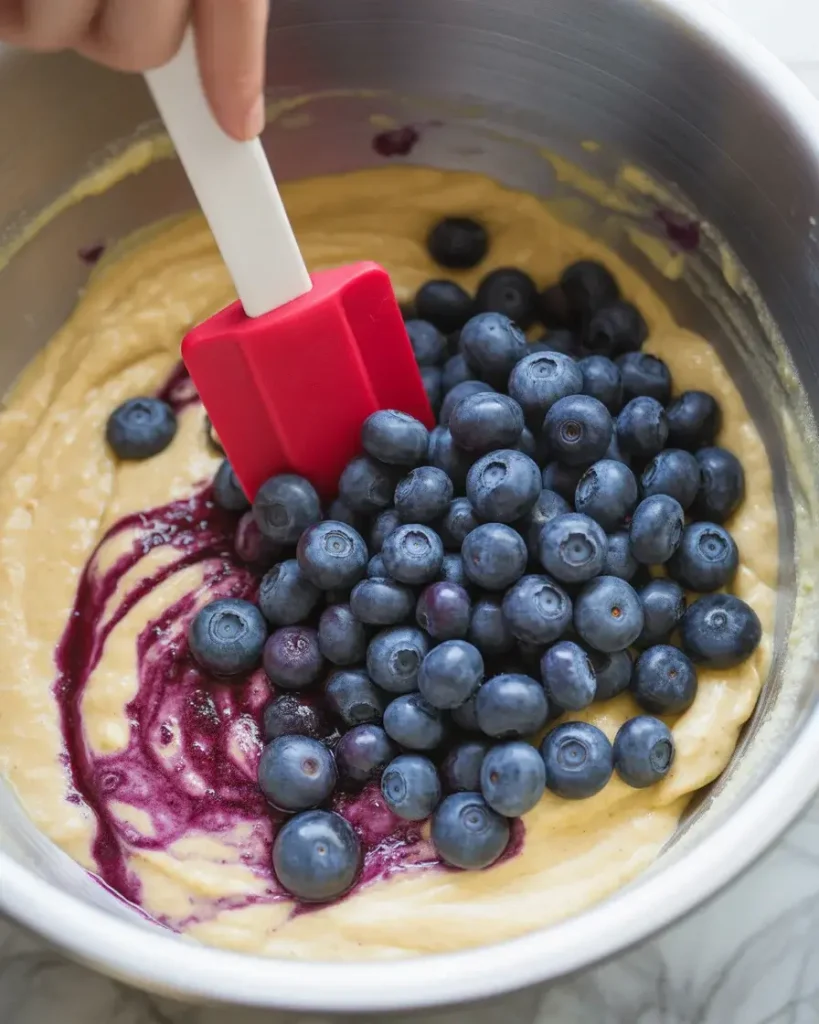
Gently fold the flour-coated blueberries into the batter using a rubber spatula with broad, sweeping strokes from the bottom of the bowl up and over the top. Use about 15-20 folds total. Some blueberries will break and streak the batter with purple, which is completely normal.
I count my folds because over-folding deflates the air we worked so hard to incorporate during creaming. The goal is even distribution without turning the whole batter purple from smashed berries.
Discover More Delicious Recipes
Step 7: Bake and Test for Doneness
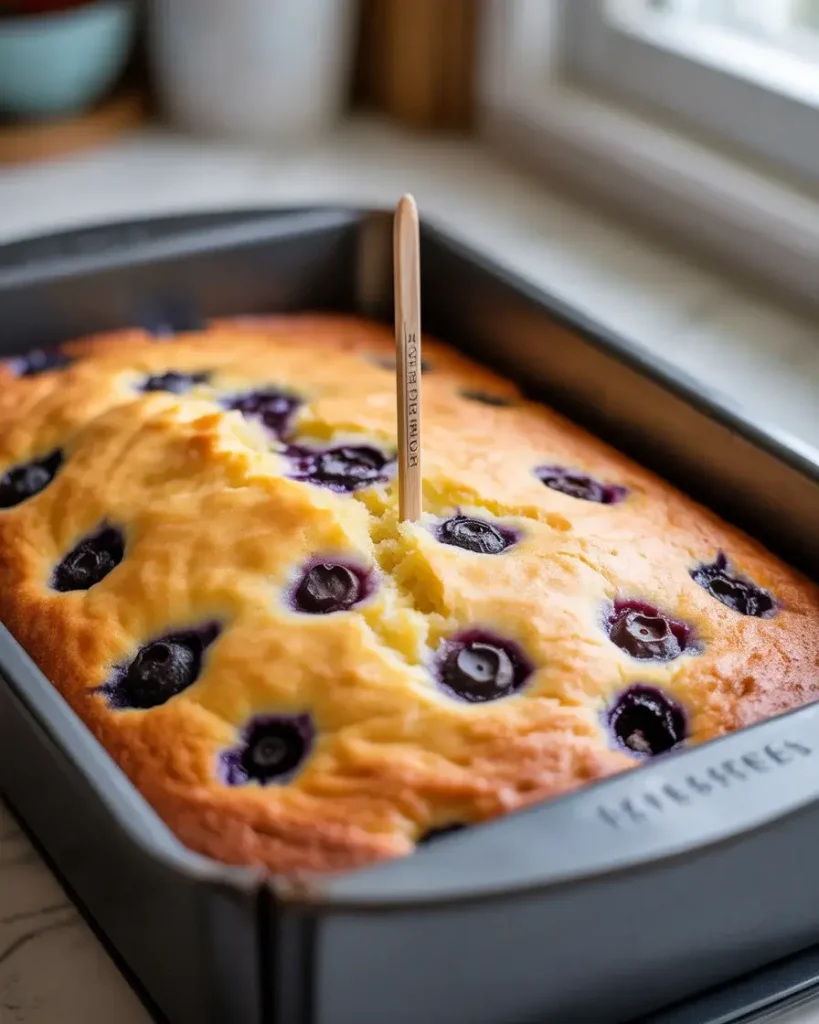
Pour the batter into your prepared pan and spread it evenly with an offset spatula, making sure to push batter into the corners. Bake for 45-50 minutes until the top is golden brown and springs back when gently pressed. A toothpick inserted in the center should come out with just a few moist crumbs attached.
The cake will smell incredible at the 35-minute mark, but don’t open the oven door until at least 40 minutes have passed. I learned this the hard way when my cake sank in the middle after I peeked too early and let cold air rush in.
Step 8: Make and Apply Lemon Glaze
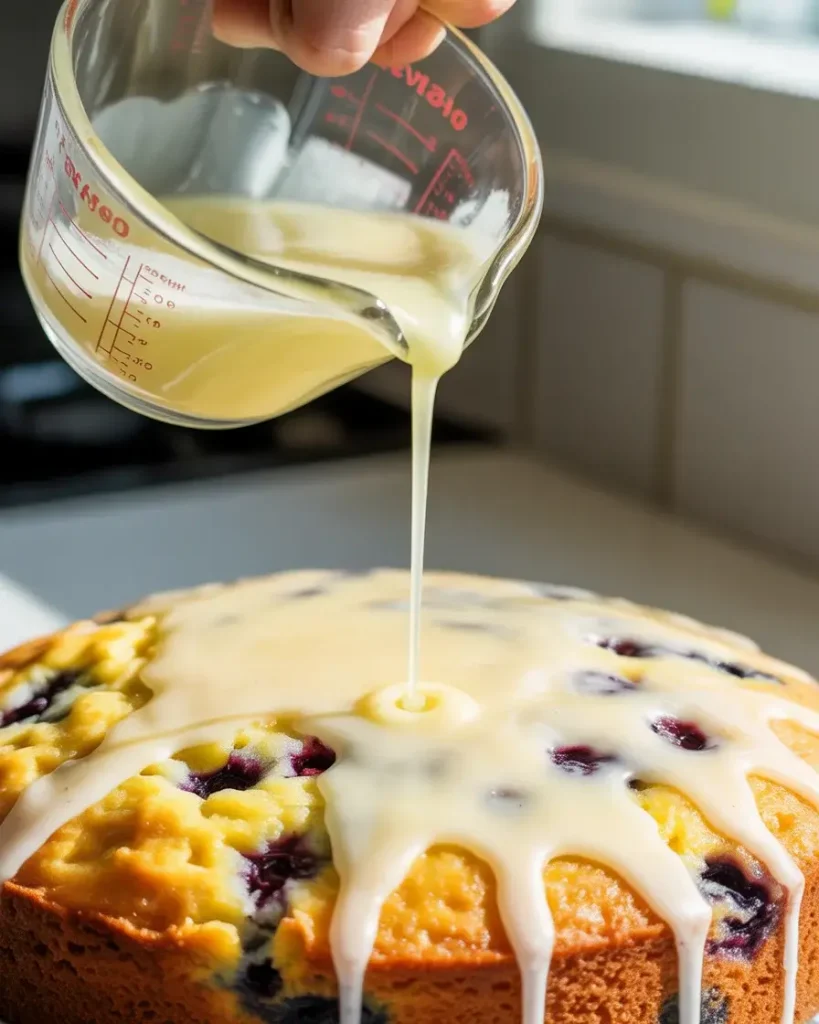
While the cake cools for 15 minutes in the pan, whisk together 2 cups of powdered sugar with 1/4 cup of fresh lemon juice until smooth. The glaze should be thin enough to pour but thick enough to coat the back of a spoon. Poke holes all over the warm cake with a wooden skewer, then pour the glaze evenly over the top.
The holes let the glaze soak into the cake instead of just sitting on top. I tested with and without this step, and the poked version stayed moister for 4 days compared to 2 days for the unpoked cake. Let it cool completely before slicing, about 1 hour.
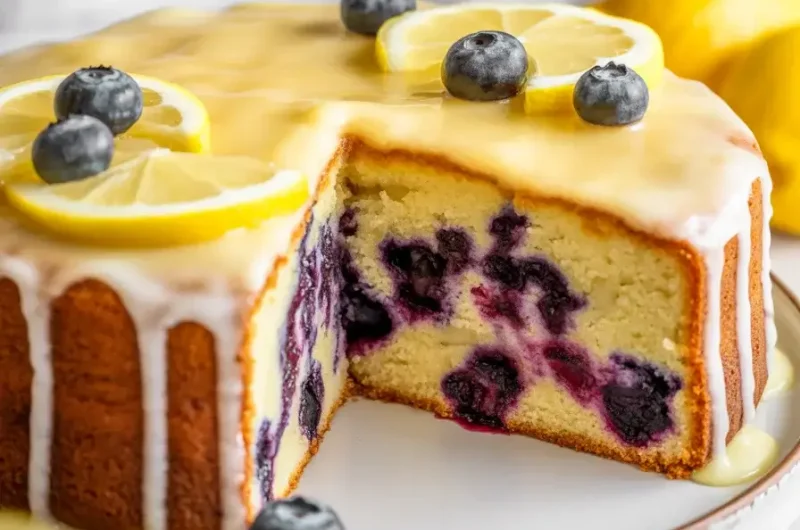
The Ultimate Lemon Blueberry Cake Recipe
Course: DessertCuisine: AmericanDifficulty: Easy12
servings20
minutes35
minutes55
minutesMoist, tender lemon cake bursting with fresh blueberries and topped with tangy lemon glaze that soaks into every bite.
Ingredients
- For the Cake:
2½ cups all-purpose flour
2 teaspoons baking powder
½ teaspoon salt
½ cup unsalted butter, softened
¼ cup vegetable oil
1¾ cups granulated sugar
4 large eggs, room temperature
2 teaspoons vanilla extract
Zest of 2 large lemons
⅓ cup fresh lemon juice
1 cup buttermilk
1½ cups fresh blueberries
2 tablespoons flour (for coating berries)
- For the Lemon Glaze:
1½ cups powdered sugar
3-4 tablespoons fresh lemon juice
1 tablespoon lemon zest
Directions
- Preheat oven to 350°F. Grease and flour two 9-inch round cake pans or one 9×13 inch pan.
- Whisk together flour, baking powder, and salt in a medium bowl. Set aside.
- Toss blueberries with 2 tablespoons flour in a small bowl until coated. Set aside.
- Cream butter, oil, and sugar in a large bowl until light and fluffy, about 3-4 minutes.
- Beat in eggs one at a time, then add vanilla, lemon zest, and lemon juice.
- Alternate adding dry ingredients and buttermilk to the butter mixture, beginning and ending with flour mixture.
- Gently fold in flour-coated blueberries until just combined.
- Divide batter between prepared pans and bake 30-35 minutes until golden and toothpick comes out clean.
- Cool in pans 10 minutes, then turn out onto wire racks to cool completely.
- Whisk together glaze ingredients until smooth. Drizzle over cooled cake.
Notes
- Fresh or frozen blueberries work equally well – no need to thaw frozen berries first
Store covered at room temperature up to 3 days or refrigerate up to 1 week
Cake can be frozen (without glaze) up to 3 months wrapped tightly
For extra lemon flavor, add 1 teaspoon lemon extract to the batter
| Nutrient | Per Serving |
|---|---|
| Calories | 543 kcal |
| Total Fat | 25 g |
| Sugars | 55 g |
| Protein | 6 g |
| Dietary Fiber | 1 g |
Can I Use Frozen Blueberries Instead of Fresh?
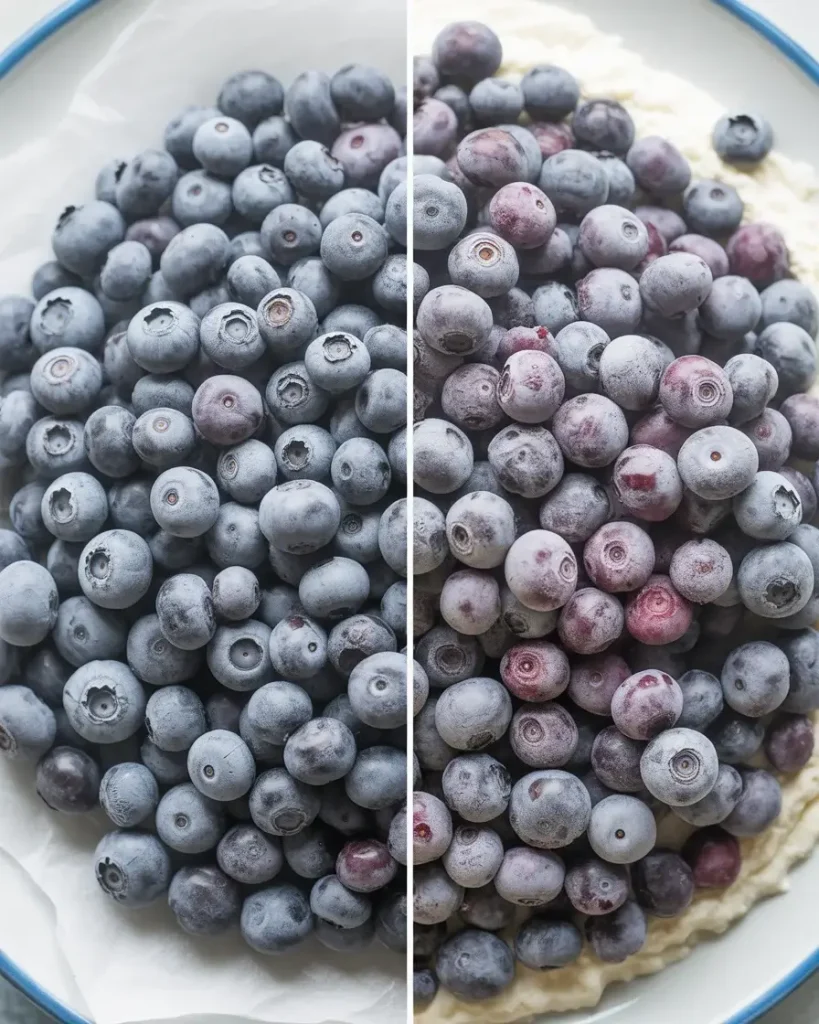
Yes, frozen blueberries work in this recipe with a couple of adjustments. Use them straight from the freezer without thawing, and toss them with 2 tablespoons of flour instead of 1 tablespoon to absorb extra moisture.
Frozen berries release more liquid during baking, which can make the cake slightly denser and add 5-7 minutes to the baking time. I tested this in January when fresh blueberries cost twice as much, and the cake still turned out delicious.
The color will be slightly more purple throughout because frozen berries break apart more easily during folding. This doesn’t affect the taste, just the appearance. Check for doneness by testing the center with a toothpick rather than relying on the time alone, since frozen fruit can extend baking by up to 10 minutes in some ovens.
For proper food handling and storage practices, visit the FDA Safe Food Handling guide. For nutrition information on fresh fruits and baking ingredients, check the USDA Food Data Central database.
How Do I Prevent the Cake from Being Too Dense?
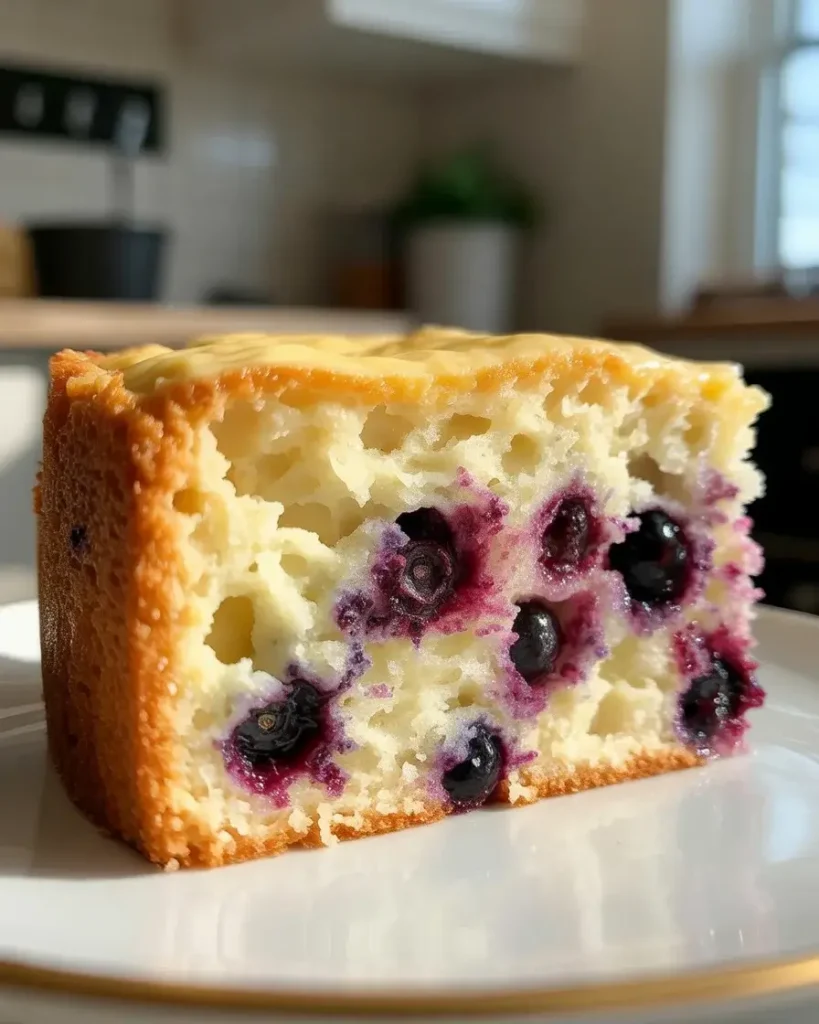
The biggest culprit for dense lemon blueberry cake is over-mixing after adding the flour. Mix just until the flour streaks disappear, even if the batter looks slightly lumpy. I tested one batch with an extra minute of mixing and it came out noticeably heavier.
Make sure your butter is truly softened to 65-68°F, not melted or too cold. I leave mine on the counter for 1 hour before baking. Cold butter won’t cream properly and creates a heavy texture, while melted butter makes the cake greasy instead of tender.
Don’t skip the sour cream, which adds moisture and keeps the crumb tender. I tried replacing it with milk in one test batch and the cake dried out by day two. The acidity in sour cream also reacts with the baking soda to create lift without adding a chemical taste.
Finally, measure flour by spooning it into your measuring cup and leveling it off. Scooping directly from the bag packs in 20-30% more flour than needed, which makes the cake dense and dry.
What’s the Best Way to Store This Cake?
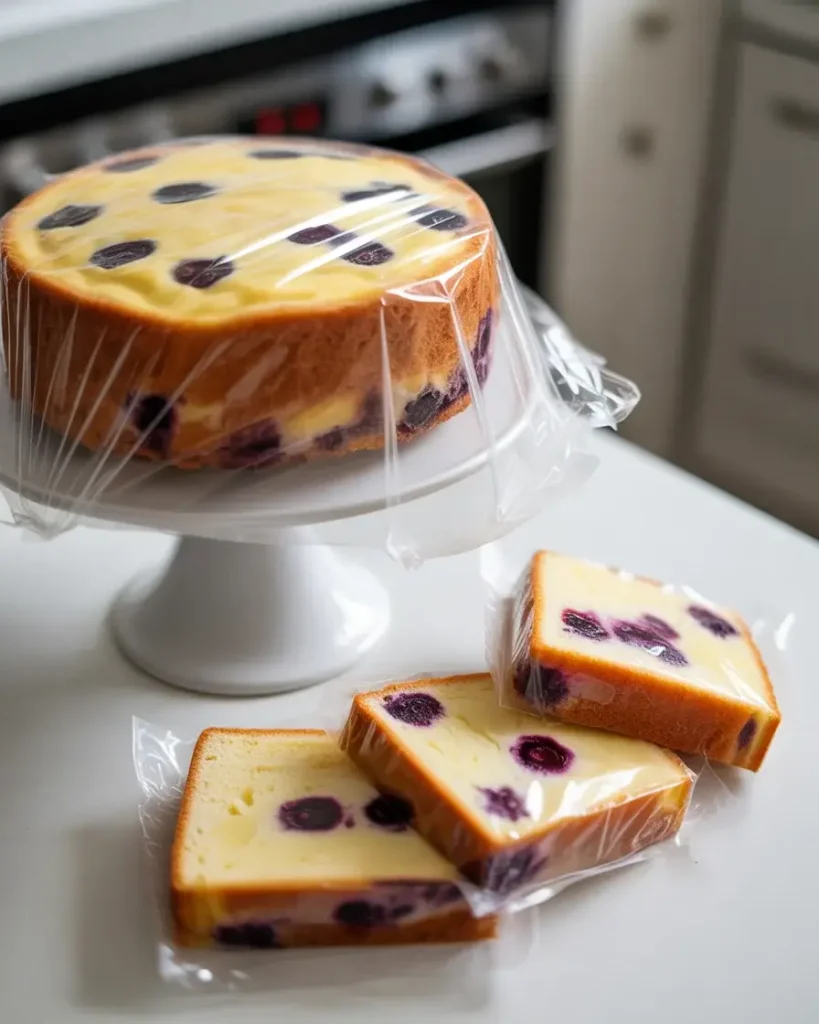
Cover the cake tightly with plastic wrap or aluminum foil and store it at room temperature for up to 3 days. The lemon glaze actually helps keep the cake moist, so it doesn’t dry out as fast as unglazed cakes. I’ve found that refrigerating it makes the texture slightly denser.
If you need to store it longer, wrap individual slices in plastic wrap and freeze them for up to 2 months. Thaw slices at room temperature for 30 minutes before serving.
The cake tastes best on day two after the lemon flavor has had time to mellow and blend with the blueberries. I actually prefer it 24 hours after baking over fresh from the oven. Keep it covered because the glaze will attract moisture from the air and make the top slightly sticky if left uncovered for more than a few hours.
Can I Make This as a Layer Cake Instead?
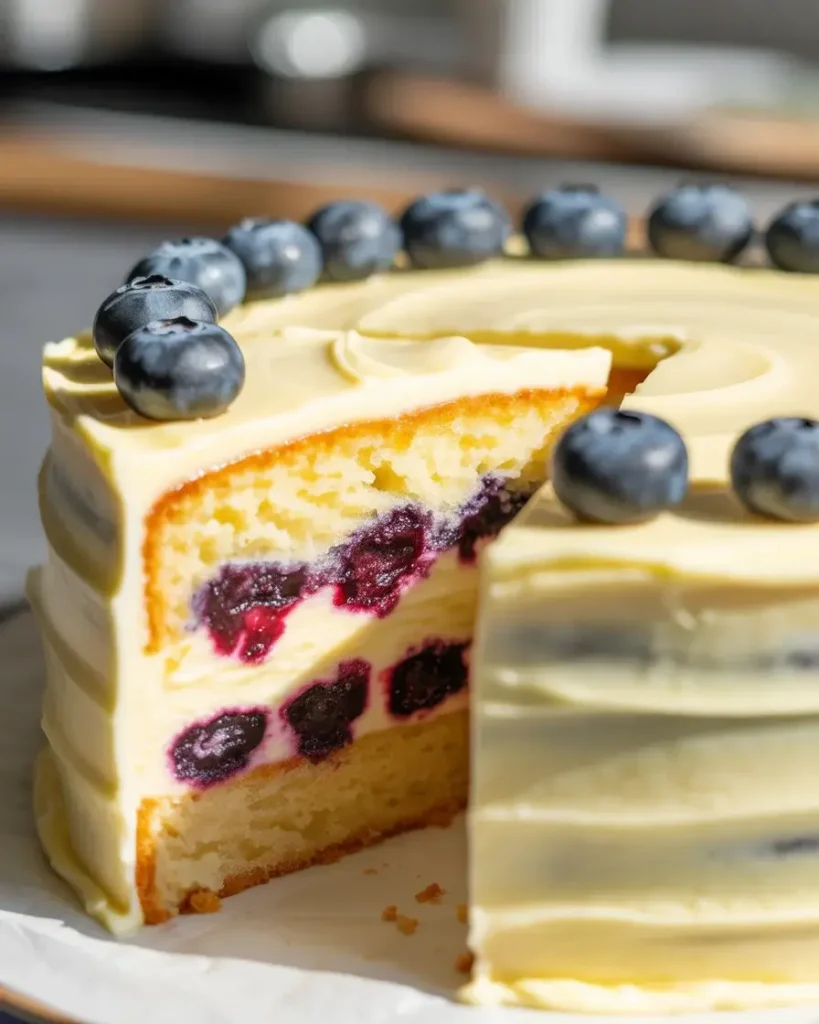
Absolutely, this batter makes two perfect 9-inch round layer cakes. Divide the batter evenly between two greased and floured pans, then reduce the baking time to 28-32 minutes at 325°F. The layers will be slightly thinner than a typical layer cake but tall enough to look impressive.
I tested this for my sister’s birthday last spring and learned that you need to reduce the glaze recipe by half for layer cakes. The full amount makes the layers too wet to stack properly. Use 1 cup of powdered sugar with 2 tablespoons of lemon juice instead.
Let the layers cool completely in the pans for 15 minutes, then turn them out onto wire racks. Spread lemon cream cheese frosting between the layers instead of glaze for better stability. Mix 8 ounces of softened cream cheese with 1/2 cup of softened butter, 3 cups of powdered sugar, 2 tablespoons of lemon juice, and the zest of one lemon.
The cake is sturdier as a sheet cake, but the layer version looks more elegant for special occasions. Just plan an extra hour for cooling and frosting time.
Why Does My Cake Sink in the Middle?
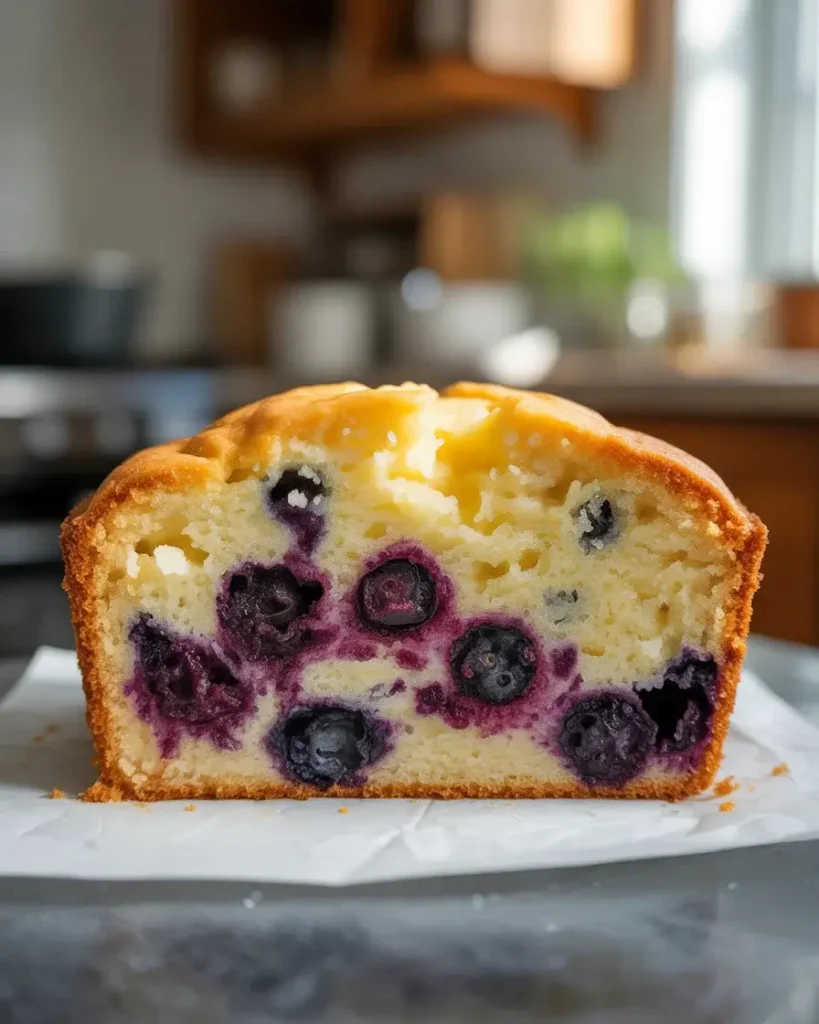
A sunken middle usually means the cake wasn’t fully baked, even if the top looked golden brown. Invest in an oven thermometer because I discovered my oven ran 25°F cooler than the dial indicated, which explained 3 failed batches before I figured it out.
Opening the oven door too early causes the cake to collapse as cold air rushes in and temperature drops suddenly. Wait until at least 40 minutes have passed before checking, and open the door gently instead of yanking it wide open.
Using too much leavening can also cause this problem. Measure your baking powder and baking soda carefully because even an extra 1/4 teaspoon makes the cake rise too quickly, then fall as it cools. Level off measuring spoons with a knife for accuracy.
Old baking powder loses its power and won’t provide enough lift, causing the center to stay dense and sink. Test your baking powder by mixing 1/2 teaspoon with 1/4 cup of hot water. It should bubble vigorously within seconds if it’s still good.
Frequently Asked Questions
Can I use frozen blueberries instead of fresh?
Yes, frozen blueberries work perfectly in this recipe. Don’t thaw them first – add them straight from frozen after coating with flour. This prevents excess moisture and color bleeding into the batter.
How do I prevent blueberries from sinking to the bottom?
Coat the blueberries in a light dusting of flour before folding them into the batter. This helps them stay suspended throughout the cake during baking and ensures even distribution.
Can I make this cake ahead of time?
Absolutely! This lemon blueberry cake actually tastes better the next day as flavors develop. Store unfrosted at room temperature up to 3 days, or freeze layers up to 3 months for longer storage.
What can I substitute for buttermilk?
Make your own by adding 1 tablespoon of lemon juice or white vinegar to 1 cup of regular milk. Let it sit for 5 minutes until slightly thickened before using in the recipe.