How to Clean Kitchen Mats: The Complete Guide to a Fresh, Hygienic Kitchen Floor
Kitchen mats take a beating every single day. Between cooking splashes, foot traffic, dropped food, and moisture, they can quickly become one of the dirtiest spots in your home. After years of helping homeowners with kitchen renovations and upgrades, I can tell you that a clean kitchen mat isn’t just about appearances it’s a genuine hygiene issue.
Whether you have a rubber-backed anti-fatigue mat, a woven cotton rug, or a foam standing mat, the cleaning method matters. The wrong approach can shrink, warp, or ruin your mat entirely. This guide walks you through everything you need to know.
Know Your Mat Type First
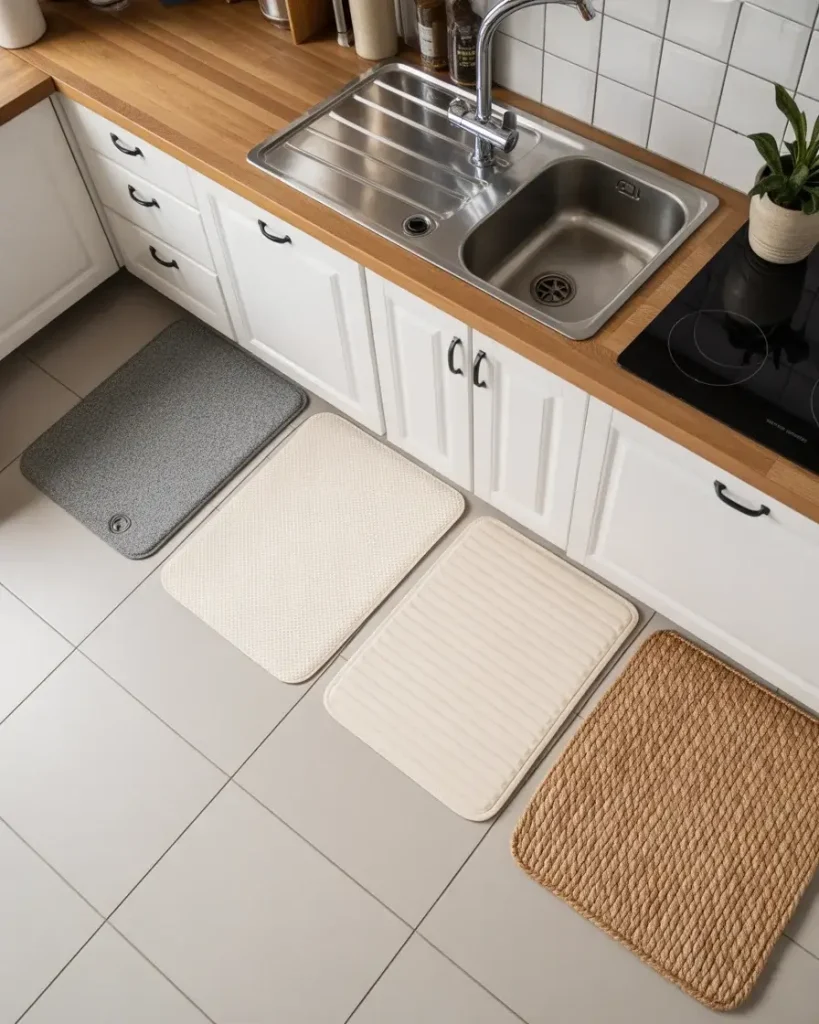
Before cleaning, always identify your mat’s material. Using the wrong method is the fastest way to damage it.
Common kitchen mat types include:
In most kitchens I’ve worked in, homeowners have two or three different mat types without even realizing it and they’re cleaning them all the same wrong way.
Get More Kitchen Tips
How to Clean Rubber and Vinyl Kitchen Mats
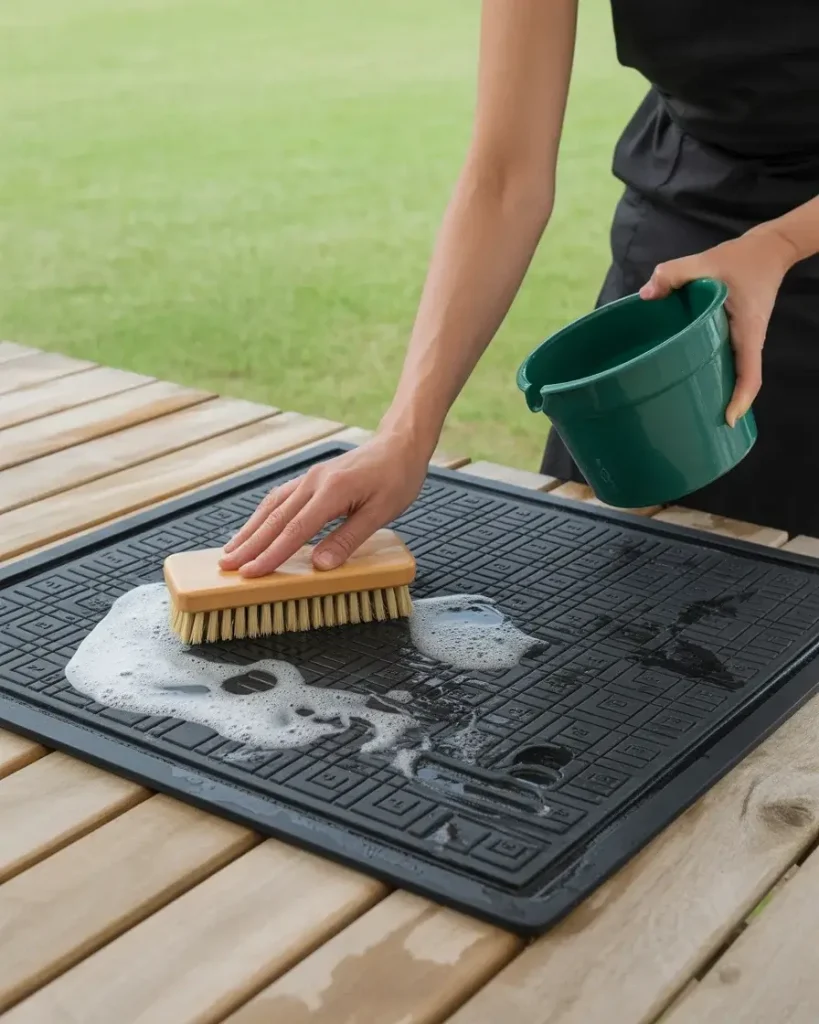
Rubber and vinyl mats are the most forgiving and easiest to clean.
What you’ll need:
Steps:
- Take the mat outside or to a bathtub.
- Shake off loose crumbs and debris.
- Rinse with warm water.
- Scrub with dish soap and a brush, paying attention to textured grooves.
- Rinse thoroughly until no soap remains.
- Hang or lay flat to air dry completely before returning it to the kitchen.
How to Clean Cotton and Fabric Kitchen Mats
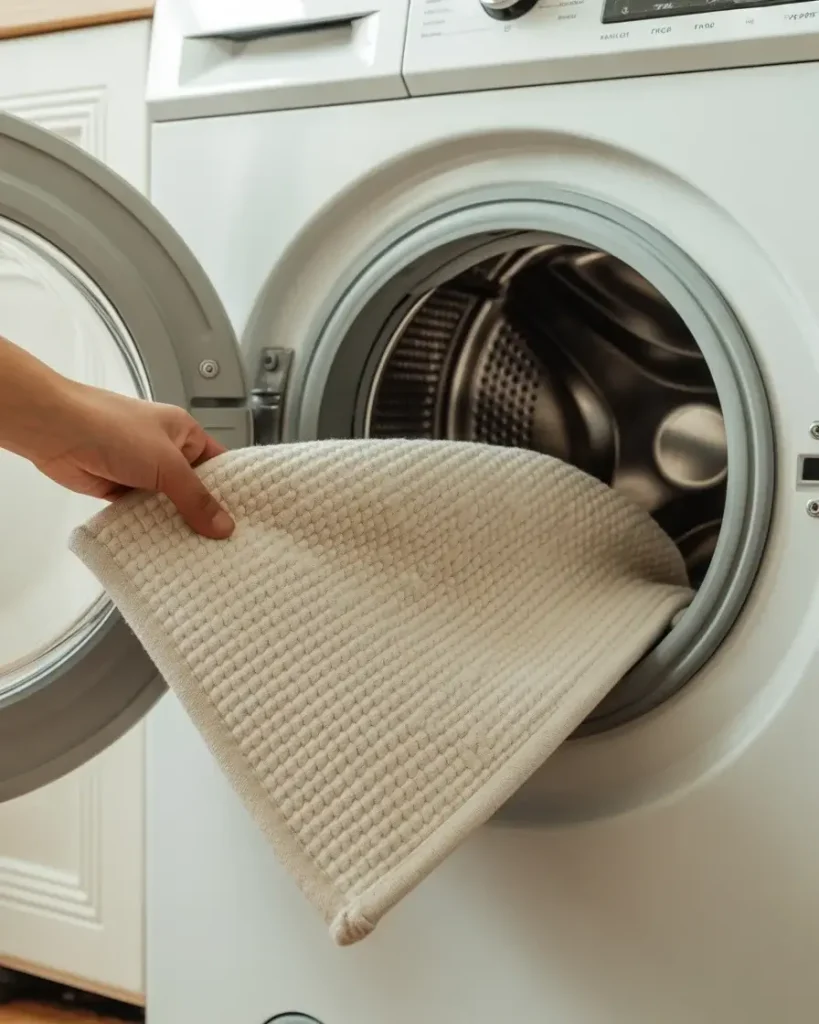
Most cotton mats are machine washable, making them the most convenient option to maintain.
Machine washing steps:
- Check the care label first — always.
- Shake out loose debris outdoors.
- Pre-treat any visible stains with a stain remover or liquid detergent.
- Wash on a gentle cycle with cold or warm water.
- Use a mild laundry detergent — avoid bleach unless the label says otherwise.
- Air dry flat or tumble dry on low heat only.
Things to avoid:
How to Clean Anti-Fatigue and Foam Kitchen Mats
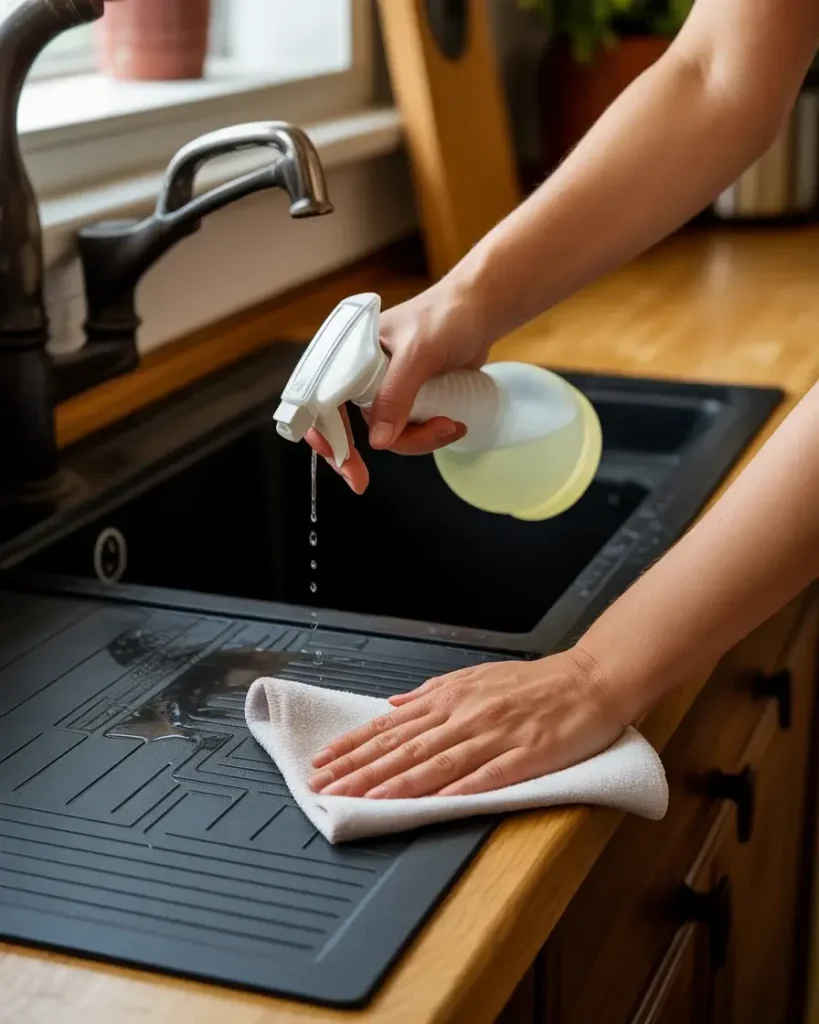
Anti-fatigue mats require the most care because their foam core can absorb water and take a long time to dry leading to mold if not handled properly.
Hand cleaning method:
- Mix warm water with a few drops of dish soap in a bucket.
- Dip a cloth or soft sponge and wring it out well — you want it damp, not soaking wet.
- Wipe the surface in circular motions.
- For stubborn stains, sprinkle baking soda, let it sit for 10 minutes, then scrub gently.
- Wipe with a clean damp cloth to remove soap residue.
- Stand the mat upright or lay it flat in a well-ventilated area to dry fully — this can take several hours.
I always recommend that homeowners with foam mats clean them on a dry, sunny day so they can dry outside. Indoor drying dramatically increases the risk of mold growth in the foam core.
Tackling Tough Stains and Odors
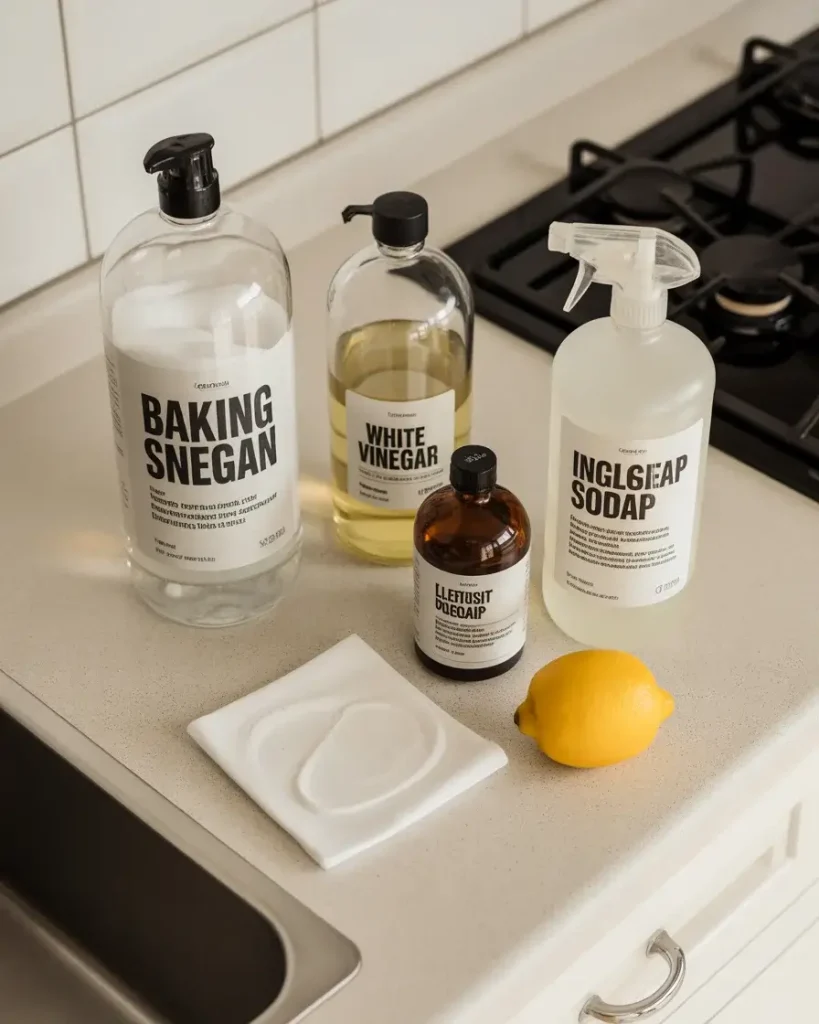
Some stains need a little extra attention. Here’s how to handle the most common kitchen mat problems:
Grease stains:
Food and sauce stains:
Odors:
Mold or mildew spots:
How Often Should You Clean Kitchen Mats?
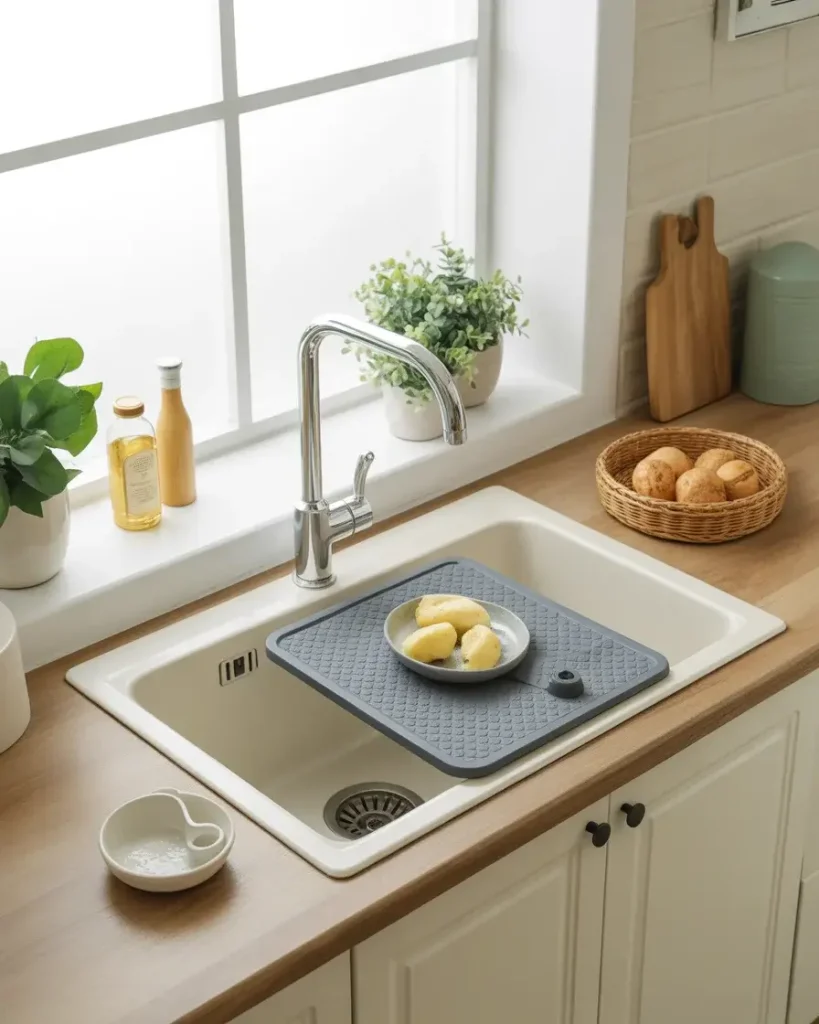
According to cleaning professionals and the cleaning industry’s general best practices, kitchen mats should be cleaned based on how much use they see.
Recommended cleaning frequency:
| Mat Location | Spot Clean | Deep Clean |
|---|---|---|
| In front of sink | Every 2–3 days | Weekly |
| Stove area | Every 2–3 days | Weekly |
| Entryway/transition | Weekly | Monthly |
| Low-traffic areas | Weekly | Monthly |
A good rule of thumb: if it looks dirty or smells off, clean it. Don’t wait for your scheduled cleaning day.
Tips to Keep Kitchen Mats Cleaner for Longer
Conclusion
Keeping your kitchen mats clean doesn’t have to be a chore. With the right method for your mat type whether it’s a quick machine wash, a gentle hand scrub, or a baking soda treatment you can keep them fresh, hygienic, and long-lasting.
The key takeaways are simple: know your mat material, clean regularly, and always dry completely. A mat that stays damp is a mat headed toward mold.
Start with one mat today and work through the right method for your type. A clean kitchen mat means a cleaner kitchen overall and that’s always worth the effort.
Frequently Asked Questions
Can you put kitchen mats in the washing machine?
Many kitchen mats are machine washable, but it depends on the material. Cotton and fabric mats generally wash well on a gentle cycle. Rubber-backed, foam, and anti-fatigue mats should never go in the washing machine, as it can cause cracking, warping, or permanent damage.
How do you get grease out of a kitchen mat?
Apply undiluted dish soap directly to the greasy area and let it sit for 5 to 10 minutes. Scrub with a stiff brush, then rinse with warm water. For stubborn grease, repeat the process or use a degreasing kitchen spray before scrubbing.
How do you get rid of the smell in a kitchen mat?
Sprinkle a generous layer of baking soda over the mat and leave it for at least 30 minutes, or overnight for strong odors. Shake or vacuum it off, then wipe down or wash the mat as normal. White vinegar diluted with water also neutralizes odors effectively.
Can I use bleach on my kitchen mat?
Bleach should only be used on white or light-colored mats that are specifically labeled as bleach-safe. On colored or rubber mats, bleach can cause fading, cracking, and deterioration of the material. Always check the care label before using any harsh chemicals.