How to Keep Your Kitchen Spotless Cleaning Tips
The kitchen is the heart of every home, where delicious meals are prepared and memories are made. However, it’s also one of the most challenging spaces to keep clean. Between cooking splatters, food spills, dish pile-ups, and everyday traffic, maintaining a spotless kitchen can feel like an endless battle. The good news is that with the right strategies and consistent habits, you can transform your kitchen into a pristine space without spending hours scrubbing every day.
A clean kitchen isn’t just about aesthetics. It plays a crucial role in food safety, prevents pest infestations, and creates a more pleasant cooking environment. When your kitchen is organized and spotless, meal preparation becomes more enjoyable and efficient. You’ll spend less time searching for utensils and more time actually enjoying the cooking process.
This comprehensive guide will walk you through proven cleaning tips, daily maintenance routines, and deep cleaning strategies that actually work. Whether you’re dealing with stubborn grease stains, cluttered countertops, or just trying to establish better cleaning habits, these practical solutions will help you achieve and maintain a sparkling clean kitchen that you’ll be proud to show off.
Daily Kitchen Cleaning Habits That Make a Difference

Building consistent daily habits is the foundation of a spotless kitchen. When you tackle small tasks every day, you prevent the buildup of grime and clutter that makes deep cleaning overwhelming. The key is to integrate these quick cleaning routines into your daily schedule so they become second nature.
Start by wiping down countertops after every meal preparation. This simple five-minute task prevents food particles and spills from hardening and becoming difficult to remove later. Use a microfiber cloth with warm, soapy water or an all-purpose cleaner to quickly sanitize surfaces where food is prepared.
Never go to bed with a sink full of dirty dishes. This golden rule of kitchen maintenance prevents unpleasant odors, discourages pests, and ensures you start each morning with a clean slate. If you don’t have time to wash dishes immediately, at least rinse them and load them into the dishwasher.
Sweep or vacuum your kitchen floor every evening to remove crumbs, dirt, and debris that accumulate throughout the day. This quick task takes less than five minutes but makes a dramatic difference in how clean your kitchen looks and feels. Pay special attention to corners and areas under appliances where crumbs tend to gather.
Essential Cleaning Supplies for a Spotless Kitchen
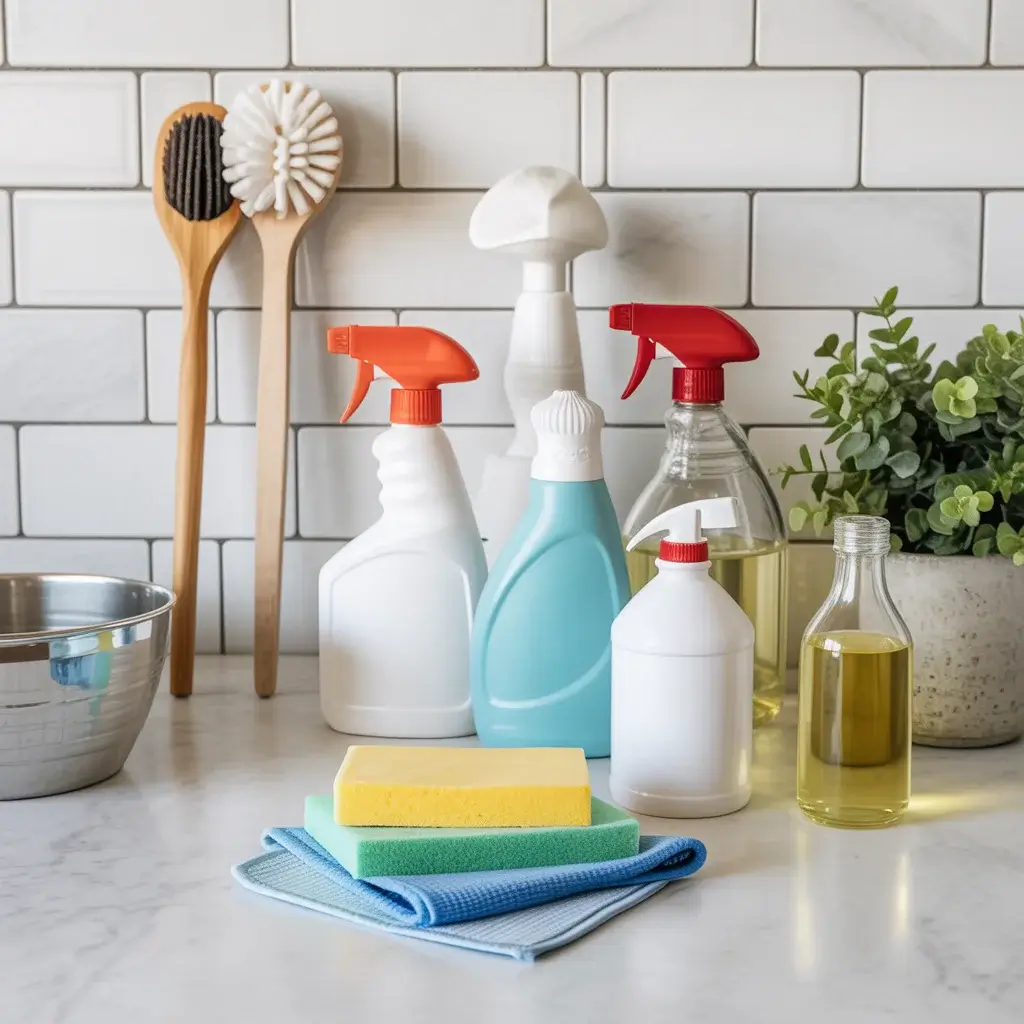
Having the right cleaning tools and products makes kitchen maintenance significantly easier and more effective. Invest in quality supplies that tackle different types of messes and surfaces without causing damage. You don’t need an overwhelming collection of specialized products, just a few versatile essentials that work well.
Your basic cleaning arsenal should include microfiber cloths, which are superior to regular rags because they trap dirt and bacteria without scratching surfaces. Keep several on hand so you always have clean ones available. All purpose cleaner works for most surfaces, but you’ll also need a degreaser for stovetops and range hoods where cooking oil accumulates.
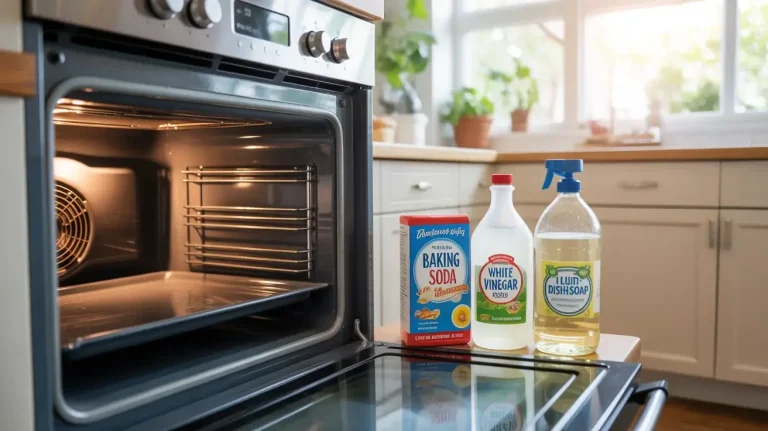
Baking soda and white vinegar are natural cleaning powerhouses that deserve a permanent spot in your cleaning cabinet. Baking soda acts as a gentle abrasive for scrubbing sinks and removing stains, while vinegar cuts through grease and eliminates odors. Together, they create a fizzing action that’s perfect for cleaning drains and tough spots.
Don’t forget about specialized tools like a good quality scrub brush for grout lines, a squeegee for streak free windows and glass surfaces, and melamine foam sponges for removing stubborn marks from walls and cabinets. A steam cleaner is an optional but valuable investment that sanitizes surfaces without chemicals.
Tackling Kitchen Grease and Stubborn Stains
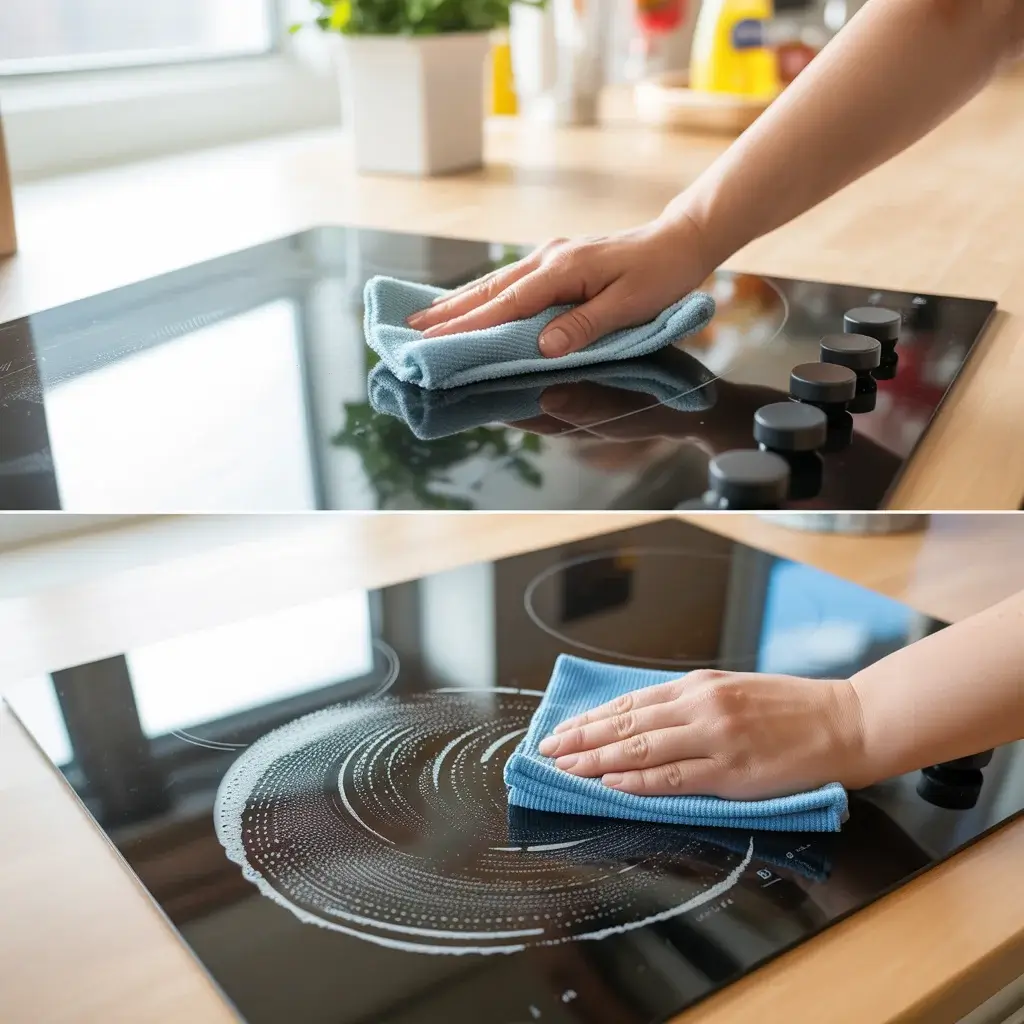
Grease is the nemesis of every clean kitchen. It accumulates on stovetops, backsplashes, range hoods, and even cabinet fronts near the cooking area. The secret to removing grease effectively is using the right combination of heat, degreasing agents, and mechanical action.
For stovetop grease, create a paste using baking soda and a small amount of dish soap. Apply this mixture to greasy areas and let it sit for fifteen to twenty minutes. The baking soda breaks down the grease while the dish soap lifts it away. Scrub gently with a non-abrasive sponge and rinse thoroughly with warm water.
Cabinet fronts near the stove often develop a sticky film of grease mixed with dust. Mix equal parts white vinegar and warm water in a spray bottle, then add a squirt of dish soap. Spray this solution on cabinet surfaces and wipe with a microfiber cloth, working from top to bottom. For stubborn buildup, use a soft-bristle toothbrush to get into crevices and details.
Stainless steel appliances show fingerprints and smudges easily, but they’re actually simple to clean. Spray with a stainless steel cleaner or a mixture of vinegar and water, then wipe in the direction of the grain using a microfiber cloth. Buff dry with a clean cloth for a streak-free shine that makes your appliances look brand new.
Read More: 21 Kitchen Tips You Wish You Knew Sooner: Game-Changing Hacks for Home Cooks
Deep Cleaning Your Kitchen Appliances

Appliances work hard every day but often get neglected during routine cleaning. Scheduling regular deep cleaning sessions for your major kitchen appliances extends their lifespan and keeps them functioning efficiently. Most appliances only need thorough cleaning monthly or quarterly, making this task manageable.
Your refrigerator should be deep-cleaned every three months. Remove all food items and shelves, then wash shelves and drawers in warm soapy water. Wipe down interior walls with a solution of baking soda and water to eliminate odors and sanitize surfaces. Don’t forget to vacuum the condenser coils at the back or bottom of the refrigerator to improve energy efficiency.
The oven can be intimidating to clean, but it doesn’t have to be a nightmare. For a natural approach, make a paste of baking soda and water, spread it throughout the oven interior, avoiding heating elements, and let it sit overnight. The next day, spray with vinegar to create a fizzing reaction, then wipe away the loosened grime. For tougher jobs, use a commercial oven cleaner following the package directions carefully.
Microwave cleaning is surprisingly easy with the steam method. Place a microwave-safe bowl filled with water and lemon slices inside, then heat on high for three to five minutes. The steam loosens stuck-on food particles, and the lemon provides natural degreasing power. After steaming, carefully remove the hot bowl and wipe interior surfaces with a damp cloth.
Your dishwasher also needs regular cleaning despite running soap and water through it constantly. Remove and clean the filter monthly, wipe down door seals where mold can grow, and run an empty cycle with a cup of white vinegar placed on the top rack. This removes mineral deposits, eliminates odors, and keeps your dishwasher performing optimally.
Organizing Kitchen Spaces to Maintain Cleanliness

A cluttered kitchen is nearly impossible to keep clean. When countertops are covered with appliances, utensils, and miscellaneous items, wiping surfaces becomes a tedious process of moving things around. Strategic organization is essential for maintaining a spotless kitchen with minimal effort.
Start by decluttering your countertops and keeping only frequently used items within reach. Coffee makers, knife blocks, and dish soap dispensers might earn their counter space, but rarely used appliances should be stored in cabinets. This “clear counter” approach makes daily wiping quick and simple while creating a more spacious, appealing aesthetic.
Implement a one-in, one-out rule for kitchen items to prevent the accumulation of unnecessary gadgets and dishes. Before purchasing a new kitchen tool, consider whether you have space for it and if you’ll use it regularly. This mindful approach prevents cabinet overcrowding and makes finding what you need much easier.
Create designated zones for different activities. Establish a prep zone near the sink with cutting boards and knives, a cooking zone near the stove with oils and spices, and a serving zone with plates and serving utensils. This logical arrangement reduces cross-kitchen traffic and keeps related items together, minimizing clutter and mess.
Use drawer dividers, cabinet organizers, and clear storage containers to maximize space and maintain order. When everything has a designated home, it’s easier to put items away immediately after use rather than leaving them on counters. Label containers in your pantry to quickly identify contents and maintain an organized system that the whole family can follow.
Maintaining Clean Kitchen Floors and Baseboards
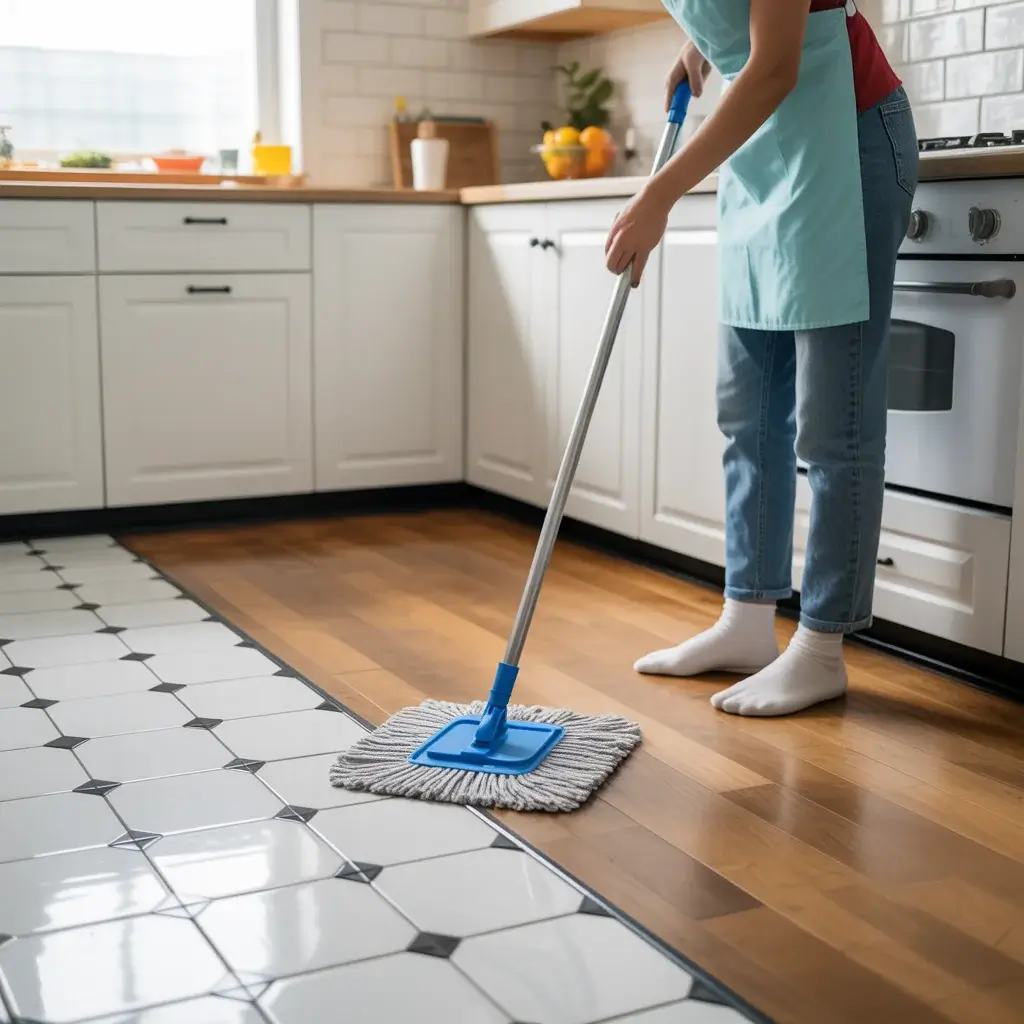
Kitchen floors endure constant foot traffic, food spills, and splashes from cooking and cleaning. They require more frequent attention than floors in other rooms but are often overlooked until they become visibly dirty. Establishing a consistent floor cleaning routine prevents buildup and keeps this high-traffic area looking fresh.
Different flooring materials require specific cleaning approaches. Tile floors benefit from regular sweeping followed by mopping with warm water and a pH-neutral cleaner. Pay special attention to grout lines, which can harbor dirt and bacteria. For stubborn grout stains, use a paste of baking soda and hydrogen peroxide applied with an old toothbrush.
Hardwood kitchen floors need gentler treatment to avoid water damage. Use a barely damp mop with a cleaner specifically formulated for wood floors. Never let water pool on hardwood surfaces, and dry the floor immediately after mopping. Place mats near the sink and stove where water and grease are most likely to splash.
Baseboards are easily forgotten but they collect dust, grease splatters, and scuff marks. Wipe them down monthly using a damp cloth with all-purpose cleaner. For textured baseboards, use a soft-bristle brush to remove debris from crevices. Clean baseboards make the entire kitchen look more polished and well maintained.
Managing Kitchen Odors Naturally

Even the cleanest kitchen can develop unpleasant odors from cooking, garbage, or food storage. Rather than masking smells with artificial air fresheners, address the sources directly and use natural deodorizing methods that eliminate odors at their root.
Garbage disposal maintenance is crucial for preventing sink odors. Run ice cubes and rock salt through the disposal to clean blades and remove buildup. Follow with citrus peels like lemon or orange to freshen and deodorize. Run cold water while operating the disposal and continue running water for several seconds after turning it off.
Keep an open box of baking soda in your refrigerator to absorb food odors continuously. Replace it every three months for optimal effectiveness. For stubborn refrigerator smells, wipe interior surfaces with a solution of equal parts water and white vinegar, then place a small bowl of activated charcoal or fresh coffee grounds inside overnight.
Your kitchen trash can is a major odor source that requires regular attention. Wash the can weekly with hot soapy water and let it dry completely before adding a new liner. Sprinkle baking soda in the bottom of the can before inserting the trash bag to neutralize odors. Consider using a can with a tight-fitting lid to contain smells between cleanings.
Combat cooking odors by simmering a pot of water with cinnamon sticks, vanilla extract, or citrus peels on the stove. This natural method freshens the entire kitchen without harsh chemicals. Proper ventilation is also essential, so always use your range hood while cooking and open windows when the weather permits.
Weekly Deep Cleaning Tasks for a Spotless Kitchen

While daily maintenance handles surface cleanliness, weekly deep cleaning tasks tackle areas that don’t need daily attention but shouldn’t be neglected long-term. Setting aside time each week for these tasks prevents buildup and reduces the need for intensive seasonal cleaning sessions.
Dedicate time to cleaning inside your microwave, toaster oven, and other small appliances. Crumbs and food splatters accumulate quickly in these devices. Empty crumb trays, wipe down exteriors, and clean interior surfaces according to manufacturer guidelines. This regular attention prevents fire hazards and extends appliance lifespan.
Wash dish towels, dishcloths, and sponges weekly to prevent bacteria growth and eliminate musty odors. Dish towels should be laundered in hot water, while sponges can be sanitized in the dishwasher or microwave. Consider having multiple sets of kitchen linens so you always have clean ones available while others are being washed.
Clean light fixtures, ceiling fans, and the tops of cabinets where dust and grease accumulate. These overlooked areas contribute to an overall dingy appearance when neglected. Use a step stool to safely reach high areas, and wipe surfaces with a damp microfiber cloth or duster with an extendable handle.
Sanitize frequently touched surfaces like cabinet handles, drawer pulls, light switches, and appliance handles. These high-touch points harbor germs and bacteria from repeated contact. Wipe them down with disinfectant wipes or a cloth dampened with rubbing alcohol to maintain a truly hygienic kitchen environment.
Seasonal Kitchen Cleaning Projects

Beyond daily and weekly maintenance, certain kitchen cleaning tasks only need attention seasonally but shouldn’t be skipped entirely. These comprehensive projects keep your kitchen functioning optimally and looking its best throughout the year.
Spring and fall are ideal times to deep clean inside all cabinets and drawers. Remove everything, vacuum or wipe out crumbs and dust, then wipe down interior surfaces with a mild cleaner. This is also the perfect opportunity to reassess your storage system, discard expired items, and reorganize for better efficiency.
Clean your range hood and exhaust fan filters twice yearly. Grease accumulates in these filters, reducing ventilation efficiency and creating a fire hazard. Most filters can be soaked in hot water with dish soap and baking soda, then scrubbed clean. Replace disposable filters according to manufacturer recommendations.
Descale your coffee maker and kettle to remove mineral deposits that affect taste and performance. Run a cycle with equal parts water and white vinegar, then run several cycles with plain water to rinse thoroughly. This maintenance extends the life of your appliances and ensures better-tasting beverages.
Clean behind and under major appliances like the refrigerator and stove. These areas collect dust, food particles, and debris that can attract pests. Pull appliances away from the wall, vacuum thoroughly, and wipe down floors and walls. This task requires effort but dramatically improves kitchen cleanliness and hygiene.
Time Saving Kitchen Cleaning Hacks

Efficiency is key when maintaining a spotless kitchen while balancing busy schedules. These clever hacks help you clean smarter, not harder, saving valuable time without sacrificing cleanliness.
Use the self-cleaning cycle on your oven strategically, but don’t rely on it exclusively. While it’s convenient, it uses significant energy and produces smoke and odors. Supplement with regular spot cleaning to reduce the frequency of self-cleaning cycles and extend oven life.
Line refrigerator shelves and produce drawers with washable mats or easily replaceable plastic wrap. When spills occur, simply remove and clean or replace the liner rather than scrubbing the entire shelf. This simple trick saves considerable time during refrigerator cleaning sessions.
Clean as you cook to minimize post-meal cleanup. While waiting for water to boil or food to simmer, wipe down counters, load dirty prep dishes into the dishwasher, and put away ingredients. This multitasking approach means less mess to tackle after enjoying your meal.
Create a cleaning caddy with all your essential supplies that can be easily carried around the kitchen. Having everything in one portable container eliminates time wasted searching for supplies and makes it easier to tackle quick cleaning tasks whenever you have a few spare minutes.
Conclusion
Maintaining a spotless kitchen doesn’t require hours of daily scrubbing or expensive cleaning services. By implementing consistent daily habits, using the right cleaning supplies, and tackling deep cleaning tasks on a regular schedule, you can keep your kitchen pristine with minimal effort. Remember that the key to success lies in preventing buildup rather than waiting until messes become overwhelming.
The strategies outlined in this guide, from managing grease and odors to organizing spaces efficiently, work together to create a comprehensive kitchen maintenance system. Whether you’re dealing with stubborn stains, outdated appliances, or simply trying to establish better cleaning routines, these proven tips provide practical solutions for every challenge. A clean kitchen enhances food safety, improves cooking enjoyment, and creates a welcoming space for family and friends.
Ready to transform your kitchen into a spotless sanctuary? Start implementing these cleaning tips today and discover how manageable kitchen maintenance can be. For more home cleaning guides, organization hacks, and lifestyle tips, explore our website and join our community of readers committed to creating beautiful, functional living spaces. Your dream of a perpetually clean kitchen is within reach with the right strategies and consistent effort.
Frequently Asked Questions
How often should I deep clean my kitchen?
Deep clean your kitchen monthly for optimal cleanliness, focusing on appliances, cabinets, and areas that don’t get daily attention. However, daily maintenance like wiping counters and washing dishes prevents buildup that makes deep cleaning overwhelming. Seasonal projects like cleaning behind appliances can be done quarterly.
What is the best natural cleaner for kitchen grease?
A mixture of white vinegar, dish soap, and warm water effectively cuts through kitchen grease naturally. For tougher buildup, make a paste with baking soda and dish soap, apply to greasy areas, let sit for 15 minutes, then scrub and rinse. These natural ingredients are safe, affordable, and environmentally friendly.
How can I keep my kitchen smelling fresh without air fresheners?
Maintain a fresh smelling kitchen by addressing odor sources directly. Clean your garbage disposal with citrus peels and ice, keep baking soda in the refrigerator, wash trash cans weekly, and simmer natural ingredients like cinnamon or vanilla on the stove. Proper ventilation while cooking also prevents lingering food odors.
What is the most efficient way to clean kitchen countertops daily?
Wipe countertops after each use with a microfiber cloth dampened with warm soapy water or all purpose cleaner. Work from back to front, sweeping crumbs into your hand or directly into the sink. This quick habit takes less than two minutes and prevents buildup that requires scrubbing later.
How do I prevent my kitchen from getting cluttered again after organizing?
Maintain organization by implementing a “clean as you go” mindset and putting items back immediately after use. Adopt a one-in-one-out rule for new purchases, regularly purge unused items, and designate specific storage zones for different categories. Consistent daily habits prevent clutter from accumulating over time.