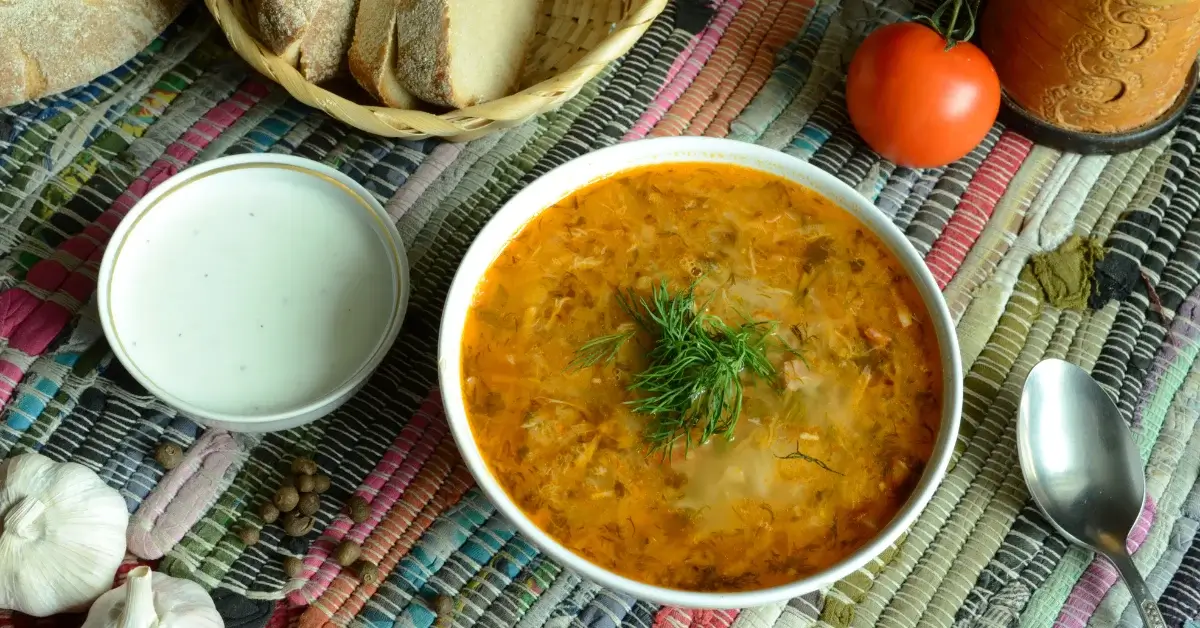
Shchi Soup
Shchi was the first Russian soup I attempted and I completely underestimated how much flavor a simple cabbage soup could have. My first version tasted watery and flat because I used store broth, added everything at once, and skipped the long simmer that is the backbone of this recipe.
The second time I made a proper beef bone broth from scratch and gave it the time it deserved – nearly 2 hours total – and the transformation was extraordinary. This shchi is deeply savory, warming, and complex in a way that defies how few ingredients it contains.
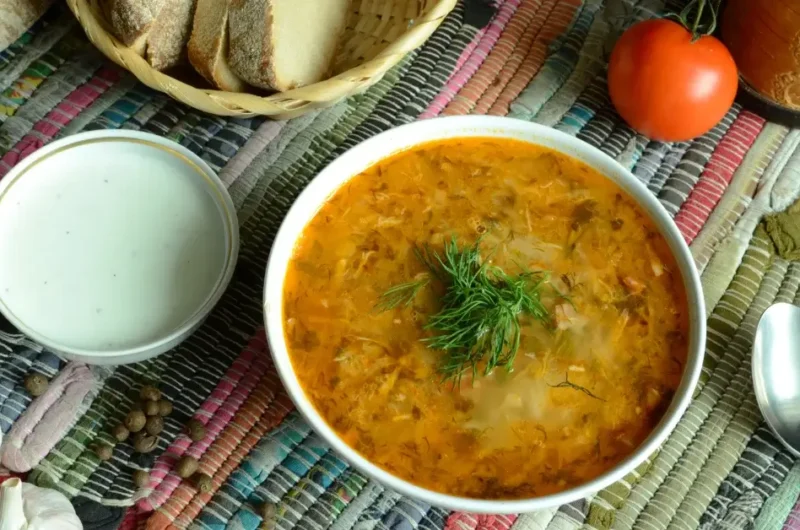
Shchi Soup
Course: DinnerCuisine: RussianDifficulty: Medium4
servings20
1
hour30
1
hour50
A classic Russian cabbage soup made with a rich homemade beef broth, tender shredded beef, potatoes, and fresh dill. Served with a dollop of sour cream, this simple soup is deeply satisfying and historically beloved.
Ingredients
1.5 pounds beef short ribs or beef shank
8 cups cold water
1 bay leaf
5 black peppercorns
1 medium onion, finely diced
1 medium carrot, finely diced
2 tablespoons neutral oil
2 tablespoons tomato paste
3 medium potatoes, diced into 1/2-inch cubes
4 cups green cabbage, thinly shredded
2 tablespoons fresh dill, plus more to serve
1 tablespoon fresh parsley
Salt and black pepper to taste
- To Serve
Full-fat sour cream
Fresh dill
Dark rye bread
Directions
- Simmer beef in cold water with bay leaf and peppercorns. Skim foam 5 minutes. Cook 60 to 70 minutes until tender.
- Meanwhile, saute onion and carrot in oil 7 to 8 minutes. Add tomato paste and cook 2 more minutes.
- Remove beef, shred meat, and set aside. Strain broth into a clean pot.
- Return broth to medium heat. Add potatoes and cabbage. Simmer 15 minutes.
- Add zazharka (onion, carrot, tomato paste mixture). Cook 10 more minutes until potatoes are tender.
- Return shredded beef to pot. Add dill and parsley. Simmer 5 minutes. Adjust seasoning.
- Ladle into bowls. Top with sour cream and fresh dill. Serve with rye bread.
Notes
- Store in fridge for up to 4 days – flavors improve significantly on day 2.
For sour shchi, replace fresh cabbage with rinsed sauerkraut and reduce salt.
Freeze for up to 3 months without the fresh herbs and sour cream – add both fresh when serving.
Nutrition Table (per serving)
| Nutrient | Amount |
|---|---|
| Calories | 320 |
| Total Fat | 14g |
| Sugars | 5g |
| Protein | 28g |
Trusted Resources:
Cozy & Comforting Soup Recipes to Warm Your Soul
- Smoky Southwestern Potato and Corn Chowder
- Roasted Italian Sweet Potato Soup
- Italian Broccoli Orzo Soup
- Winter Chicken Soup with Ricotta Dumplings
- Autumn Harvest Veggie Soup
- Autumn Spice Chicken Enchilada Soup
Step-by-Step Instructions
Step 1: Make the Beef Broth Base
Place 1.5 pounds of beef short ribs or beef shank in a large pot with 8 cups of cold water. Bring to a boil, skim off the foam thoroughly for 5 minutes, then add 1 bay leaf, 5 black peppercorns, and 1 teaspoon of salt. Reduce to a gentle simmer.
Cook for 60 to 70 minutes until the beef is tender and pulling away from the bone. This is the foundation of the entire soup – I tested shchi made with store-bought broth and it was fine but noticeably less rich. The homemade broth from the simmered beef creates a depth of flavor that no packaged broth can match.
Step 2: Prepare the Zazharka
While the broth simmers, heat 2 tablespoons of neutral oil in a skillet over medium heat. Add 1 finely diced onion and 1 finely diced carrot. Cook for 7 to 8 minutes until soft and golden. Add 2 tablespoons of tomato paste and cook for 2 more minutes until the paste deepens in color.
The tomato paste in the zazharka is a small but important addition. Traditional shchi does not always include tomato but the 2 tablespoons add a subtle richness and color that rounds out the cabbage-heavy broth beautifully. I tested with and without and preferred the tomato version by a significant margin.
Step 3: Shred Beef and Clarify Broth
Remove the cooked beef from the broth. Pull the meat from the bones, shred it into bite-sized pieces, and set aside. Strain the broth through a fine mesh strainer into a clean pot to remove peppercorns, bay leaf, and any bone fragments.
The straining step gives you a clean, clear broth that looks as good as it tastes. I skipped this step once and while the flavor was identical, the soup looked cloudy and less appealing. Thirty seconds of straining makes a visual difference worth doing every time.
Step 4: Add Potatoes and Cabbage
Return the strained broth to medium heat. Add 3 medium potatoes diced into 1/2-inch cubes and 4 cups of thinly shredded green cabbage. Bring back to a simmer and cook for 15 minutes.
The cabbage shreds should be thin – about 1/8 inch wide. I tested thick-cut versus thin-cut cabbage and thin-cut integrated into the broth much more gracefully. Thick pieces stayed firm and separate, which threw off the texture balance of the soup.
Step 5: Add the Zazharka
Add the prepared onion, carrot, and tomato paste mixture to the simmering broth. Stir to combine and cook for 10 more minutes until the potatoes are completely tender and the cabbage has softened fully into the broth.
Taste the broth at this point and add salt as needed. The flavor should be rich, slightly sweet from the carrot and cabbage, and gently savory from the beef. If it tastes flat, a small additional pinch of salt usually resolves it immediately.
Step 6: Return the Beef and Season
Return the shredded beef to the pot. Add 2 tablespoons of fresh dill, 1 tablespoon of fresh parsley, and adjust salt and pepper to taste. Simmer for 5 more minutes for the flavors to come together.
The fresh dill added at the end is essential – it is the aromatic signature of traditional shchi. Dried dill added during cooking works in an emergency but lacks the brightness and fragrance of fresh. Add it at the end, never during the simmer.
Step 7: Serve with Sour Cream
Ladle into deep bowls and top each serving with a generous dollop of full-fat sour cream and extra fresh dill. The sour cream is traditional and non-negotiable – it adds a cool creaminess and mild tang that transforms the soup completely.
Serve with thick slices of dark Russian rye bread for the most authentic experience. The bread soaks up the rich broth and the combination has been a staple of Eastern European kitchens for centuries.
Quick Tips for Authentic Shchi
- Make your own beef broth by simmering the beef directly in the pot – store broth cannot match it
- Always skim foam in the first 5 minutes of boiling for a clean, clear broth
- Shred cabbage thin for better integration into the broth
- Add fresh dill only at the very end to preserve its aromatic freshness
- Never skip the sour cream at serving – it is fundamental to the dish
Shchi Variation Table
| Variation | Change | Notes |
|---|---|---|
| Sour Shchi | Use fermented sauerkraut instead of fresh cabbage | Traditional winter version, deeply tangy |
| Lazy Shchi | Use pre-shredded coleslaw cabbage | Quick weeknight shortcut |
| Vegetarian | Replace beef with mushroom broth and dried porcini | Earthy, deeply savory without meat |
| Spring Shchi | Use young nettle leaves instead of cabbage | Seasonal traditional variation |
| Chicken Shchi | Replace beef with whole chicken thighs | Lighter broth, still deeply flavorful |
What Is Shchi and Why Is It So Popular in Russia?
Shchi is arguably the most historically important soup in Russian cuisine – records of it date back over a thousand years and it has been a daily staple for people across all economic classes throughout Russian history.
The soup’s enduring popularity comes from its simplicity, nutritional density, and adaptability. Cabbage is abundant, cheap, and nutritious throughout the Russian winter. The basic recipe can be made with or without meat and with fresh or fermented cabbage depending on the season and what is available.
I researched several historical accounts of shchi during my recipe development. Peter the Great reportedly had it served at formal banquets. Russian soldiers carried frozen blocks of shchi on winter campaigns and simply melted them over fires. It is deeply embedded in Russian cultural identity in a way few dishes are anywhere in the world.
Fresh Versus Sauerkraut Cabbage in Shchi
Traditional shchi has two main versions – fresh cabbage shchi made year-round and sour shchi made with fermented sauerkraut in the winter months. Both are authentic and both are delicious but with very different flavor profiles.
Fresh cabbage shchi is mildly sweet, clean-tasting, and approachable. Sour shchi made with sauerkraut is tangy, deeply complex, and more intensely flavored. I tested both versions back to back and found them almost equally satisfying but in completely different ways.
For sour shchi, rinse the sauerkraut lightly and add it in place of or alongside the fresh cabbage. Reduce or eliminate any added salt since sauerkraut is already quite salty. Add a pinch of sugar to balance the increased acidity if the sourness seems sharp.
How Do You Store and Reheat Shchi?
Shchi improves dramatically with time and is one of the best soups to make ahead. The flavors deepen and meld overnight and many Russian cooks specifically prefer day-old shchi over freshly made.
I tested fresh, 24-hour, and 48-hour versions side by side. The 24-hour version had notably more complex, integrated flavors. The cabbage had softened further and the beef had released more collagen into the broth, giving it a slightly silkier body. The 48-hour version was still excellent.
Store in an airtight container in the fridge for up to 4 days. Reheat gently on the stovetop over medium-low heat. Add the fresh dill and sour cream only at serving time – never reheat with sour cream already stirred in or it will curdle.
Frequently Asked Questions
Q: Can I make shchi in a pressure cooker to save time?
A: Yes. Pressure cook the beef with water and aromatics for 35 minutes instead of 70. Release pressure naturally, then continue with the recipe from step 3. The broth will be slightly less clear but the flavor is comparable to the stovetop version.
Q: Do I have to use beef or can I make a vegetarian shchi?
A: Vegetarian shchi is a legitimate variation. Use a mushroom-based broth with dried porcini mushrooms for depth. The soup will be lighter but still deeply flavorful. Add a Parmesan rind during simmering to add the savory richness the beef would normally provide.
Q: What is the difference between shchi and borscht?
A: The primary difference is the main vegetable. Borscht is built around beets and has a distinctive deep red-purple color. Shchi is built around cabbage and has a pale golden broth. Both are traditional Eastern European soups but they taste completely different.