How to Quickly Clean an Oven with Steam in Minutes
If you’ve been putting off cleaning your oven because you dread the hours of scrubbing and the smell of harsh chemicals, you’re not alone. Most homeowners avoid this essential kitchen task simply because traditional oven cleaning methods are time consuming and unpleasant. However, there’s a revolutionary technique that can transform this dreaded chore into a quick and easy process using nothing more than the power of steam.
Steam cleaning your oven is a game-changer that uses heat and moisture to loosen stubborn grease, baked-on food particles, and carbon deposits. This natural cleaning method takes only minutes of active work and doesn’t require expensive commercial cleaners or toxic fumes. Whether you’re dealing with months of buildup or just maintaining a lightly used oven, steam cleaning offers an efficient and eco-friendly solution that delivers impressive results.
Why Steam Cleaning Your Oven Works So Well
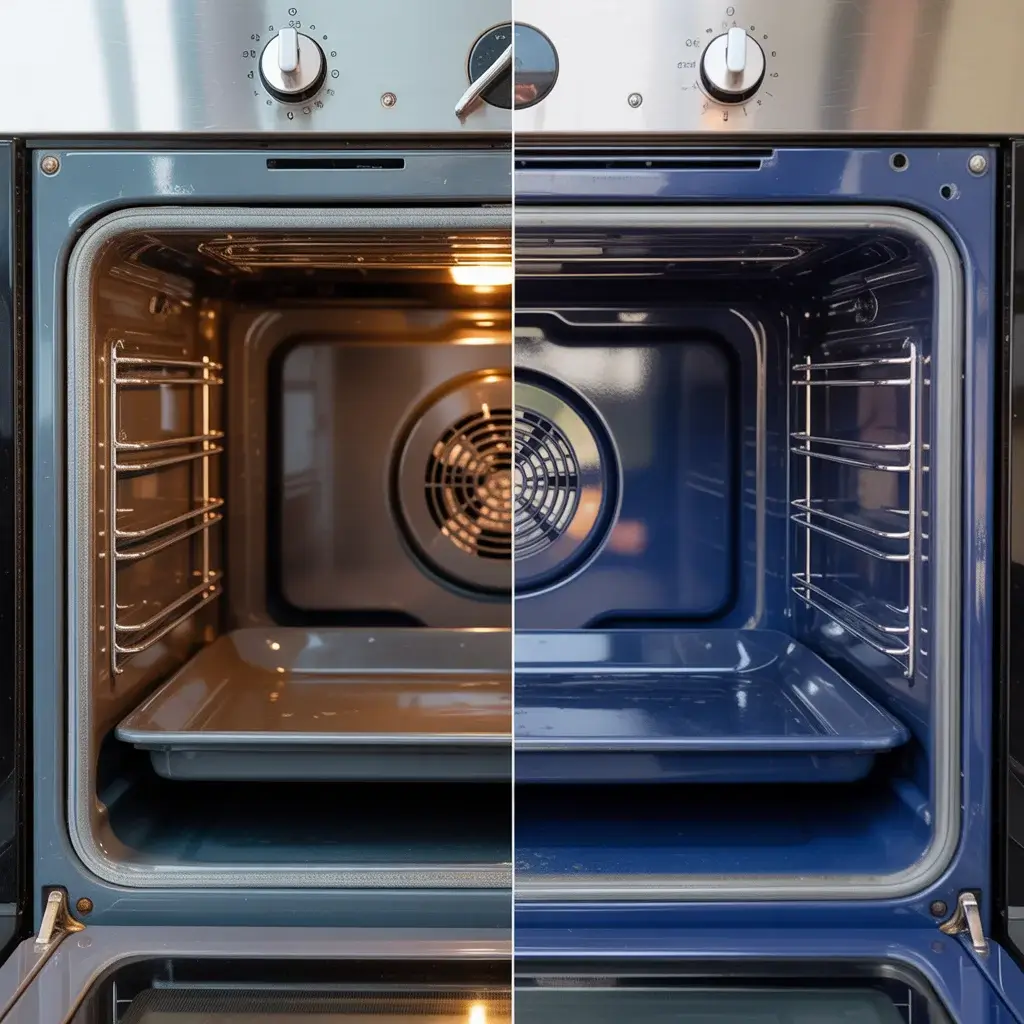
Steam cleaning harnesses the natural power of water vapor to break down grease and grime without abrasive scrubbing. When water is heated to high temperatures inside your closed oven, it creates steam that penetrates even the most stubborn baked-on residue. This moisture softens the hardened particles, making them incredibly easy to wipe away with minimal effort.
The science behind steam cleaning is simple yet effective. High-temperature steam molecules agitate and loosen dirt particles while also helping to sanitize surfaces naturally. Unlike chemical cleaners that can leave behind residue or harmful fumes, steam cleaning uses only water, making it the safest option for households with children, pets, or anyone sensitive to strong cleaning products.
Traditional oven cleaning methods often require letting caustic chemicals sit for hours or overnight, followed by extensive scrubbing and multiple rinse cycles. Steam cleaning cuts this time down dramatically, often requiring just 20 to 30 minutes of steam time plus a quick wipe down. This makes it perfect for busy households or anyone who wants to maintain a clean oven without dedicating an entire afternoon to the task.
Read More: Modern Victorian Kitchen Ideas to Inspire Your Remodel
What You’ll Need for Steam Cleaning Your Oven
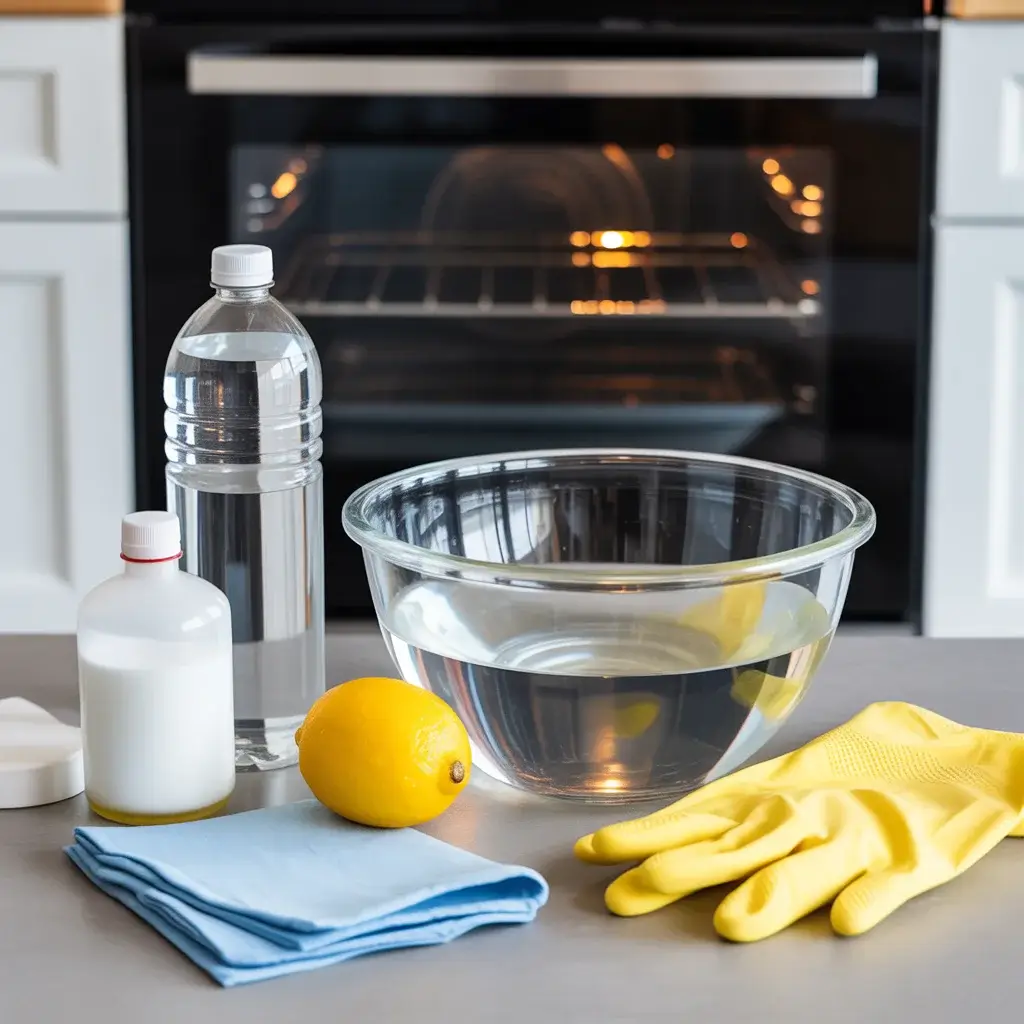
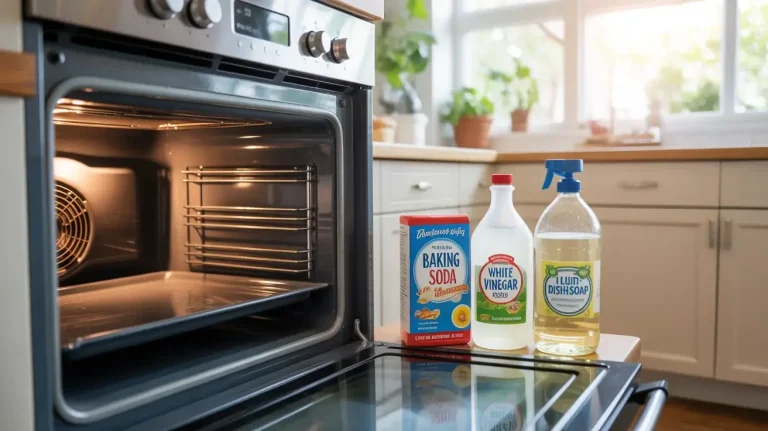
Gathering your supplies before you begin makes the oven cleaning process smooth and efficient. The beauty of this steam cleaning method is that you probably already have everything you need in your home. You won’t need to purchase expensive specialty products or venture into harsh chemical territory.
Here’s your complete supply list:
The vinegar or lemon juice addition isn’t mandatory, but it significantly enhances the cleaning power of the steam. These acidic ingredients help break down grease more effectively and leave your oven smelling fresh instead of like burnt food. If you don’t have vinegar, lemon juice works equally well and provides a pleasant citrus scent.
Step-by-Step Guide to Steam Cleaning Your Oven in Minutes
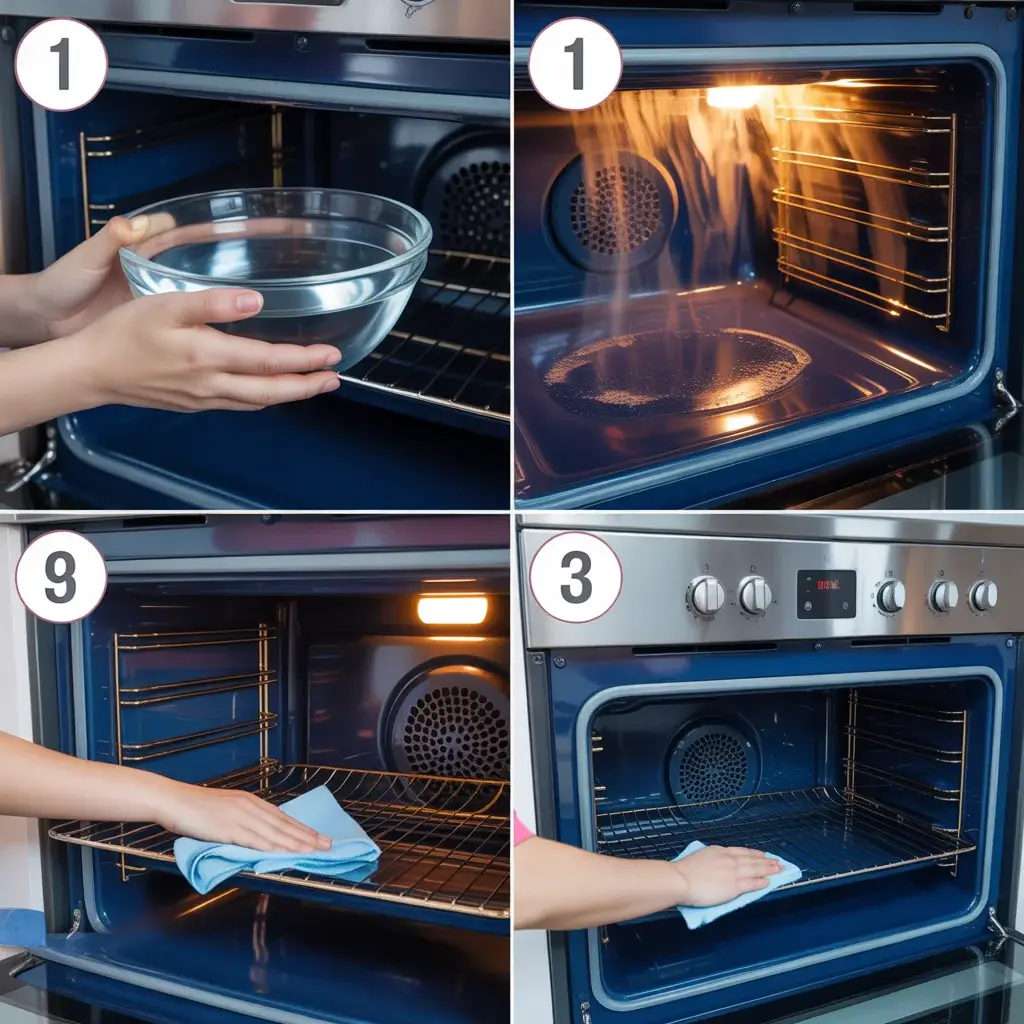
Now that you have your supplies ready, follow these simple steps to achieve a spotless oven using the steam cleaning method. This process is straightforward and requires minimal hands-on time, though you’ll need to let the steam work its magic for about 20 to 30 minutes.
Step 1: Remove Oven Racks and Loose Debris
Start by taking out all oven racks, thermometers, and any other removable items from your oven. This ensures the steam can circulate freely throughout the entire oven cavity. Use a dry paper towel or cloth to brush out any loose crumbs, ash, or food particles from the bottom of the oven. This prevents them from turning into a muddy mess when they get wet from the steam.
Step 2: Prepare Your Steam Cleaning Solution
Fill your oven-safe bowl or baking dish with 2 to 3 cups of water. Add one tablespoon of white vinegar or freshly squeezed lemon juice to the water and give it a quick stir. This acidic addition boosts the grease-cutting power of the steam and helps neutralize odors. Place the bowl on the center rack or directly on the bottom of the oven, depending on your oven’s design.
Step 3: Heat the Oven to Create Steam
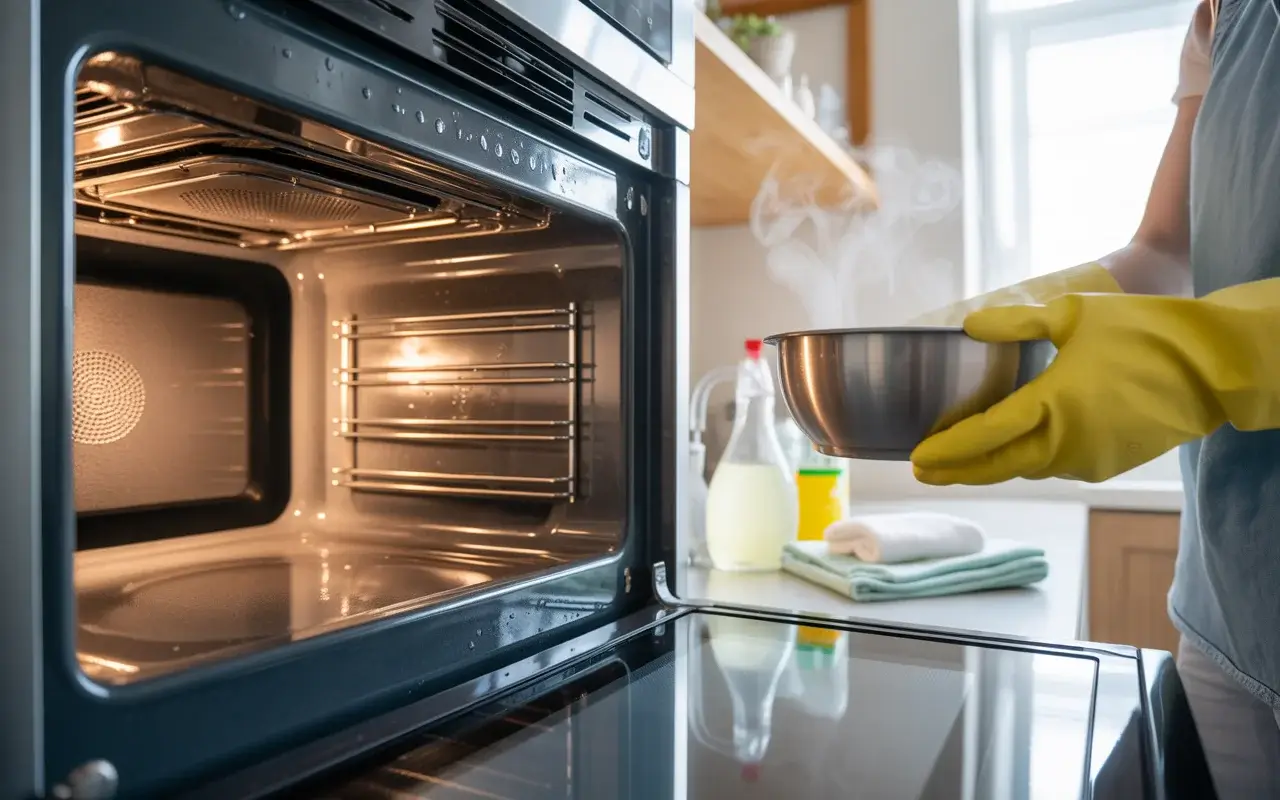
Close the oven door and set your oven temperature to 450 degrees Fahrenheit (or 230 degrees Celsius). Let the oven heat for 20 to 30 minutes, allowing the water to boil and create abundant steam. You’ll notice condensation forming on the oven door, which is exactly what you want. The steam is penetrating every surface and loosening all that stubborn grime.
Step 4: Let the Oven Cool and Wipe Down
After the steaming time is complete, turn off the oven and carefully open the door to release some heat. Wait until the oven is cool enough to touch comfortably but still warm, about 10 to 15 minutes. Put on your rubber gloves and use a damp microfiber cloth to wipe down all interior surfaces. You’ll be amazed at how easily the grime comes off with minimal scrubbing.
Step 5: Tackle Stubborn Spots
For any remaining stubborn spots, spray them with your vinegar water solution and let it sit for a minute or two. Use your plastic scraper to gently lift away the softened residue, then wipe clean with a fresh cloth. Avoid using metal scrapers or abrasive scrubbers, as these can damage your oven’s enamel coating.
Step 6: Clean the Oven Door and Final Touches
Don’t forget the oven door, which often collects just as much grime as the interior. Wipe down both sides of the door with your damp cloth, paying special attention to the area around the door seal. Give the entire interior one final wipe with a clean, slightly damp cloth to remove any remaining residue, then leave the door open for 15 to 20 minutes to air dry completely.
Pro Tips for Maximum Steam Cleaning Results
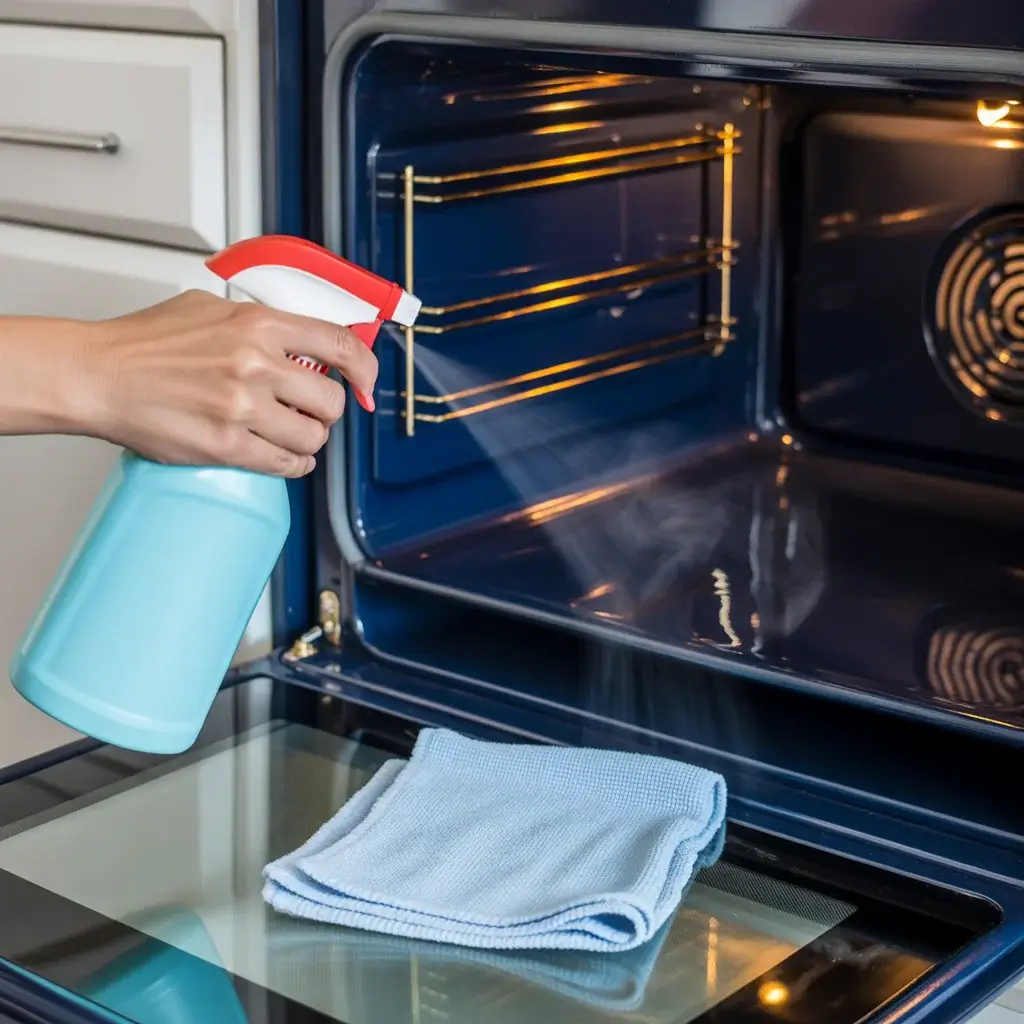
While the basic steam cleaning method is incredibly effective on its own, these expert tips can help you achieve even better results and make the process even easier. Experienced home cleaners have discovered these tricks through trial and error, and they can save you time and effort.
For heavily soiled ovens, consider doing a double steam session. After your first round of steaming and wiping, if you notice particularly stubborn areas, refill your bowl with fresh water and vinegar solution and repeat the process for another 15 to 20 minutes. This extended steam treatment can tackle even years of buildup without harsh chemicals.
Add a few drops of essential oils like lemon, orange, or tea tree oil to your water mixture for extra degreasing power and a pleasant aroma. These natural oils have antibacterial properties and can help cut through grease while leaving your oven smelling fresh and clean.
Clean your oven racks separately while the oven is steaming. Place them in your bathtub or large sink, cover them with hot water and a cup of dish soap, and let them soak for the same 20 to 30 minutes. They’ll wipe clean effortlessly, and you can reinstall them in your freshly cleaned oven.
How Often Should You Steam Clean Your Oven
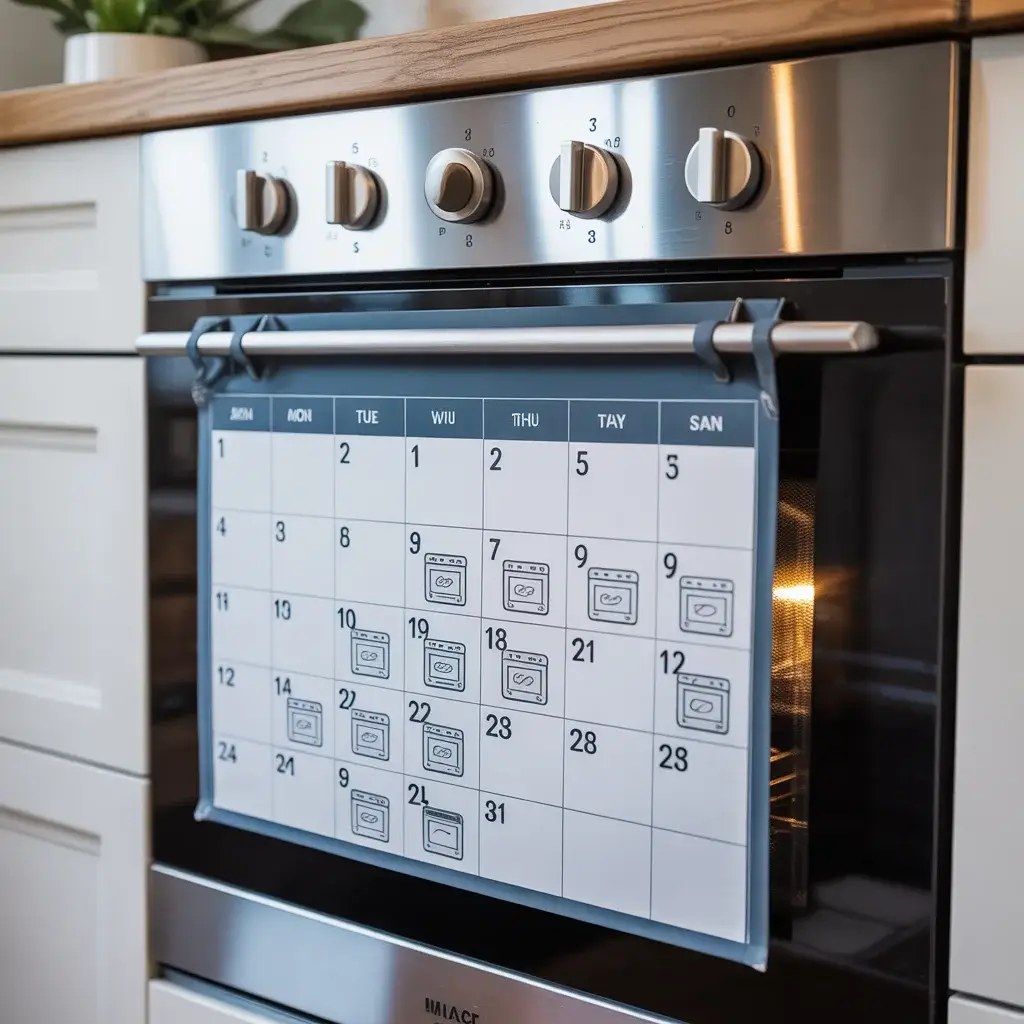
Establishing a regular oven cleaning schedule prevents heavy buildup and makes each cleaning session even quicker and easier. The frequency of steam cleaning depends on how often you use your oven and what types of foods you typically cook. Understanding your usage patterns helps you develop an effective maintenance routine.
For average home cooks who use their oven two to three times per week, steam cleaning once a month keeps the oven in excellent condition. This prevents grease and food particles from accumulating to the point where they become carbonized and much harder to remove. Monthly maintenance takes only about 30 minutes total and prevents the need for deep cleaning sessions.
If you’re a frequent baker or regularly roast foods that splatter, consider steam cleaning every two weeks. Heavy oven users who cook daily might benefit from weekly quick steam sessions using just 15 minutes of steam time. On the other hand, light users who only occasionally use their oven can extend the interval to every six to eight weeks.
Pay attention to visual cues that indicate it’s time for a cleaning. If you notice smoke when preheating your oven, detect unpleasant odors during cooking, or see visible food debris and grease buildup, don’t wait for your scheduled cleaning. A quick steam session will prevent these issues from affecting your food’s taste and your kitchen’s air quality.
Steam Cleaning vs Traditional Oven Cleaning Methods
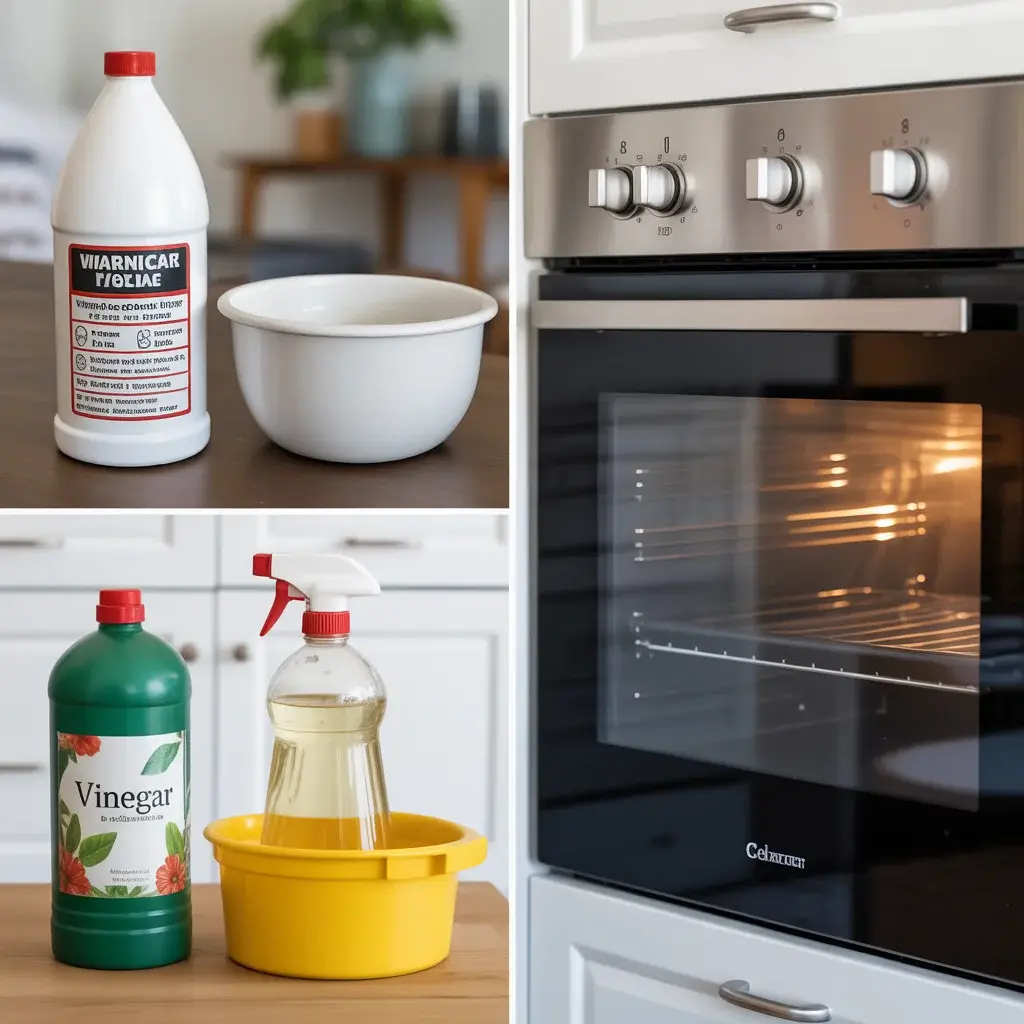
Understanding the differences between steam cleaning and other popular oven cleaning methods helps you make informed decisions about maintaining your appliance. Each method has its place, but steam cleaning offers unique advantages that make it ideal for regular maintenance and moderate soiling.
Commercial chemical oven cleaners are powerful but come with significant drawbacks. These products contain harsh caustic ingredients like sodium hydroxide that can irritate skin, eyes, and respiratory systems. They require extensive ventilation, often need overnight application, and must be thoroughly rinsed to prevent chemical residue from contaminating your food. Steam cleaning eliminates all these concerns while delivering comparable results for most cleaning situations.
The self-cleaning function built into many modern ovens uses extremely high temperatures (around 900 degrees Fahrenheit) to incinerate food residue into ash. While effective, this method consumes enormous amounts of energy, can produce unpleasant smoke and odors, takes three to five hours to complete, and puts stress on your oven’s components. Steam cleaning is gentler on your appliance, faster, and more energy efficient.
Baking soda paste is another popular natural cleaning method that involves coating oven surfaces with a thick paste and letting it sit overnight. While effective and chemical-free, it requires significantly more time and physical scrubbing than steam cleaning. Steam cleaning delivers similar results in a fraction of the time with less physical effort, making it the superior choice for busy households.
Troubleshooting Common Steam Cleaning Challenges
Even with the straightforward steam cleaning method, you might encounter a few challenges, especially if your oven hasn’t been cleaned regularly. These solutions address the most common issues and ensure you achieve professional level results every time.
If you find that one steam session doesn’t completely remove all the grime, don’t be discouraged. Ovens with years of neglected buildup may require two or even three steam cleaning sessions to restore them to pristine condition. Each session will progressively loosen more layers of carbonized residue. Between sessions, you can apply a paste of baking soda and water to particularly stubborn spots and let it sit for 30 minutes before your next steam treatment.
For glass oven doors with baked-on splatter between the glass panes, steam cleaning the exterior helps, but doesn’t reach the interior space. Many oven doors can be partially disassembled to access this area. Consult your oven’s manual for specific instructions, or focus your steam cleaning efforts on the accessible surfaces and consider professional service for between-glass cleaning.
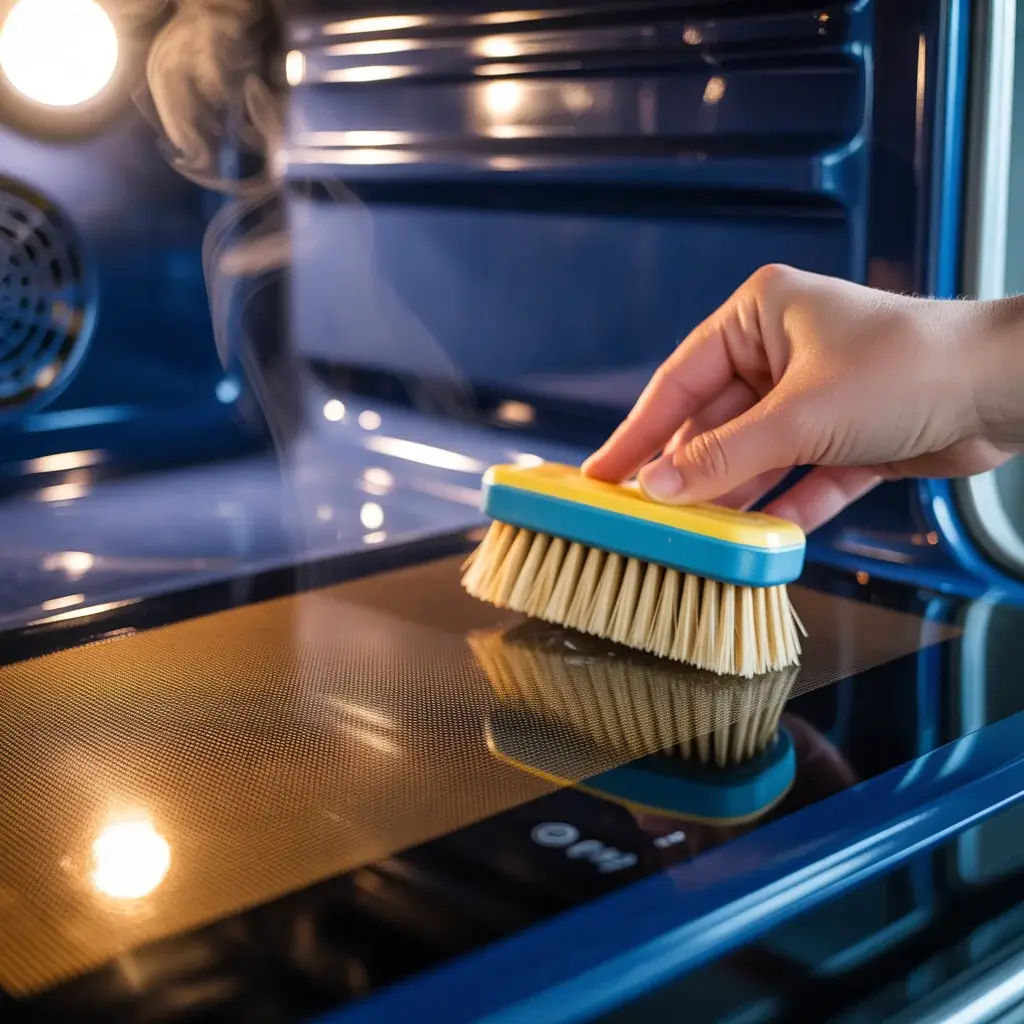
If your oven has a textured or rough interior surface, regular cloths might not effectively clean the grooves. Use a soft-bristle brush or an old toothbrush, dampened with your vinegar solution, to gently scrub these textured areas after steaming. The steam will have loosened the debris, making this brushing process quick and easy rather than the arduous scrubbing required without steam treatment.
Environmental and Health Benefits of Steam Cleaning
Choosing steam cleaning over chemical methods offers significant advantages for both your health and the environment. These benefits extend beyond just having a clean oven and contribute to a healthier home environment and a smaller ecological footprint.
Steam cleaning eliminates exposure to toxic fumes that commercial oven cleaners release. Many conventional oven cleaning products contain chemicals that can trigger asthma attacks, cause respiratory irritation, and pose particular risks to children, pregnant women, and pets. By using only water and optionally vinegar or lemon juice, you create a safe cleaning environment that doesn’t require evacuating your family or opening every window in your home.
From an environmental perspective, steam cleaning reduces chemical waste that enters our water systems and ecosystems. Traditional oven cleaners contain ingredients that persist in the environment and can harm aquatic life when they’re rinsed down drains. Steam cleaning creates no chemical waste whatsoever, making it a truly sustainable cleaning choice that aligns with eco conscious living values.
The energy efficiency of steam cleaning compared to self-cleaning oven cycles is substantial. Running your oven at 450 degrees for 30 minutes uses a fraction of the electricity required for a four-hour self-cleaning cycle at 900 degrees. Over time, this energy savings adds up, reducing both your carbon footprint and your utility bills while still maintaining a spotless oven.
Maintaining Your Oven Between Steam Cleanings
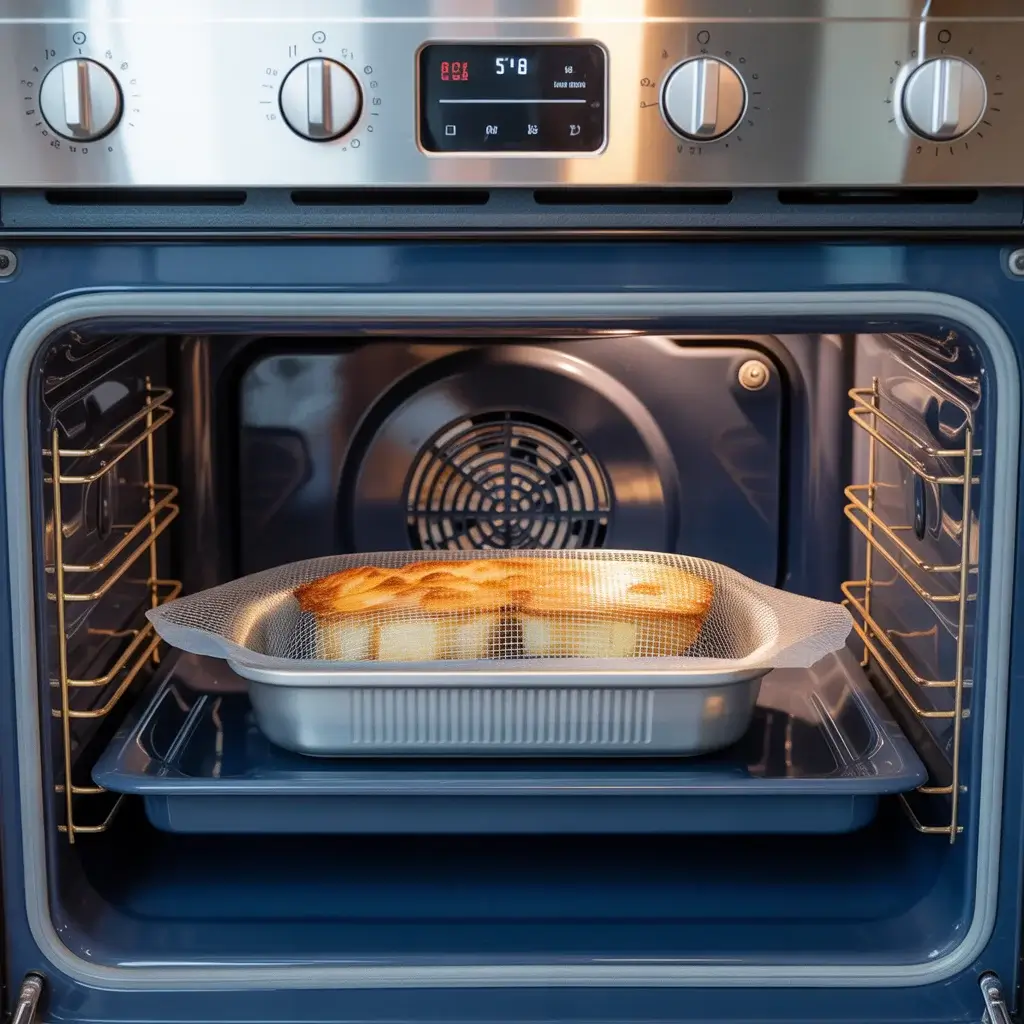
Regular maintenance between deep steam cleaning sessions keeps your oven looking great and makes each cleaning session even easier. These simple habits take just minutes but significantly extend the time between necessary deep cleans and preserve your oven’s appearance and performance.
Wipe up spills immediately after your oven cools from cooking. Fresh spills are exponentially easier to remove than baked-on residue that has gone through multiple heating cycles. Keep a designated oven cleaning cloth near your stove and make it a habit to give the oven interior a quick wipe after it cools from each use. This two-minute task prevents buildup from ever becoming a serious problem.
Use oven liners or place a sheet pan on the rack below whatever you’re cooking to catch drips and spills. These protective barriers are much easier to clean than the oven bottom itself. Choose reusable silicone oven liners over disposable aluminum foil for an eco-friendly option that lasts for years and can be easily cleaned in your dishwasher.
Cover dishes that tend to splatter during cooking. Roasting vegetables, baking casseroles, and cooking fatty meats can all send grease droplets throughout your oven interior. Using lids, aluminum foil tents, or splatter screens reduces the mess considerably while still allowing your food to cook properly. This preventive approach minimizes the cleaning work required later.
Special Considerations for Different Oven Types
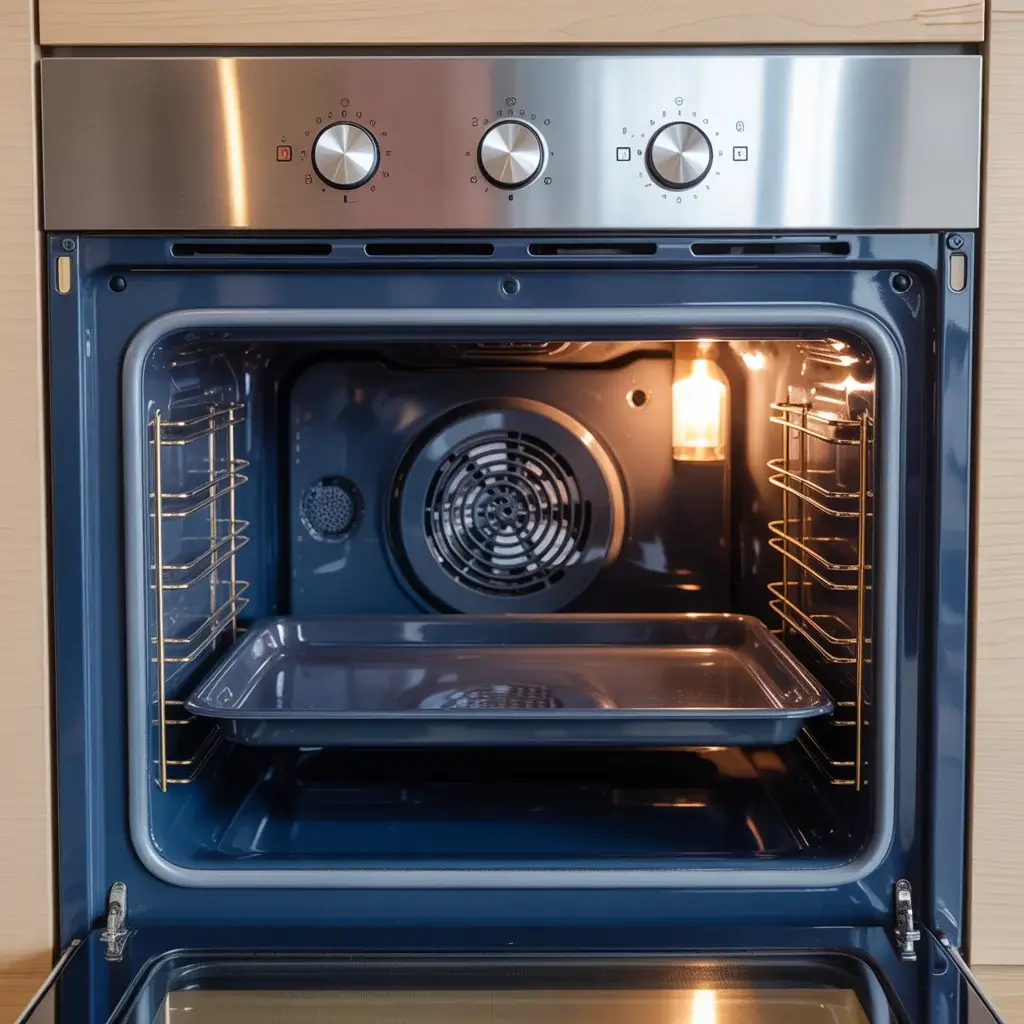
While steam cleaning works beautifully for most ovens, certain oven types may require slight modifications to the technique. Understanding your specific oven’s characteristics ensures you achieve optimal results without risking damage to special coatings or features.
For self-cleaning ovens with special coatings, steam cleaning is perfectly safe and actually recommended over using the self cleaning function frequently. The high-heat self-cleaning cycle can wear down these coatings over time, while gentle steam cleaning preserves them. Follow the standard steam cleaning process without any modifications for these oven types.
Convection ovens benefit tremendously from steam cleaning because the fan helps circulate the steam throughout the entire cavity, reaching every corner and crevice. You might find that steam cleaning is even more effective in convection ovens than in standard models. Just ensure your oven-safe bowl is securely positioned so the fan’s air circulation doesn’t cause it to tip.
For older ovens with porcelain enamel interiors that show signs of wear or chipping, be extra gentle during the wiping process. Use soft cloths rather than any scrubbers, and avoid applying pressure to areas where the enamel is compromised. Steam cleaning is actually ideal for these delicate surfaces because it removes grime without the aggressive scrubbing that could worsen existing damage.
Gas ovens require one additional safety consideration. Ensure you properly extinguish and allow the oven to fully cool before placing your water bowl inside for steam cleaning. The process itself is identical to electric ovens once you’ve taken this precaution. The steam works just as effectively regardless of your oven’s heat source.
Frequently Asked Questions
How long does it take to steam clean an oven?
The entire steam cleaning process takes approximately 45 to 60 minutes from start to finish, but only about 10 to 15 minutes of that time requires your active participation. You’ll spend 20 to 30 minutes allowing the steam to work while you attend to other tasks, then another 10 to 15 minutes wiping down the surfaces. This makes it far faster than traditional methods that require hours of chemical dwell time or self cleaning cycles.
Can I use dish soap instead of vinegar in the water?
While you can add a small amount of dish soap to your steam cleaning water, vinegar or lemon juice is more effective for this application. The acidic nature of vinegar specifically targets grease and baked on food residue, whereas dish soap creates unnecessary suds that don’t enhance the steam’s cleaning power. If you don’t have vinegar, plain water alone still produces excellent results, or you can use lemon juice as an equally effective alternative.
Is steam cleaning safe for all oven types?
Yes, steam cleaning is safe for virtually all residential oven types including electric, gas, convection, and self cleaning models. The gentle nature of steam cleaning makes it suitable even for ovens with special coatings or older models with delicate surfaces. Unlike the extremely high temperatures of self cleaning cycles or the harsh chemicals of commercial cleaners, steam poses no risk of damaging your oven’s interior finish or components.
Will steam cleaning remove years of built up grease?
Steam cleaning can effectively tackle years of neglected buildup, though severely soiled ovens may require multiple steam cleaning sessions rather than just one. For heavy accumulation, plan to steam clean two or three times, allowing each session to progressively loosen more layers of carbonized residue. You can also apply a baking soda paste to the worst areas between steam sessions to enhance the cleaning power and achieve professional level results without harsh chemicals.
Do I need to remove the oven door to steam clean properly?
No, you don’t need to remove the oven door for effective steam cleaning. The steam circulates throughout the closed oven cavity, reaching all surfaces, including the inside of the door. However, you should wipe down both the interior and exterior of the door after steaming to remove any condensation and loosened grime. If you want to clean between the glass panes of your oven door, that requires door disassembly, which is a separate process from steam cleaning.