18 Genius Ways to Clear the Chaos in Your Kitchen
Is your kitchen driving you crazy? You’re not alone. The kitchen is often the heart of the home, but it’s also where clutter accumulates faster than anywhere else. From overflowing countertops to disorganized cabinets and junk drawers bursting at the seams, kitchen chaos can make cooking feel overwhelming and stressful.
A cluttered kitchen doesn’t just look messy—it affects your daily life in surprising ways. Studies show that disorganized spaces increase stress levels and waste precious time as you search for tools and ingredients. When your kitchen is chaotic, meal prep becomes a chore rather than an enjoyable activity, and you’re less likely to cook healthy meals at home.
The good news? Clearing kitchen chaos doesn’t require a complete renovation or expensive organizational systems. With the right strategies and a bit of effort, you can transform your kitchen into an organized, functional space that makes cooking a pleasure. This comprehensive guide will walk you through 18 genius ways to tackle kitchen clutter, optimize storage, and create a cooking environment that actually works for your lifestyle.
Declutter Your Countertops First
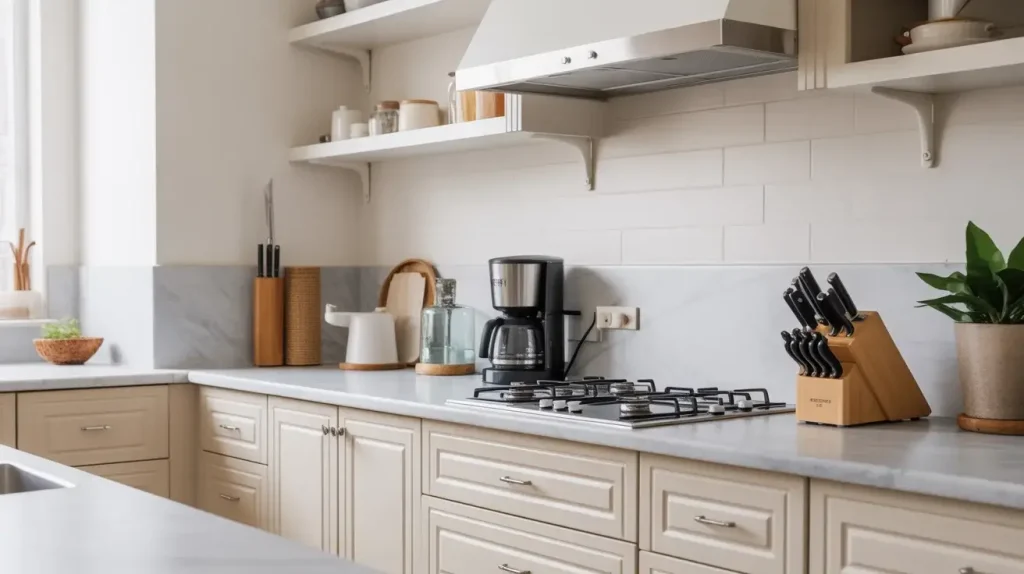
Your countertops are prime real estate in the kitchen, yet they often become dumping grounds for everything from mail to small appliances you rarely use. The first step in clearing kitchen chaos is to completely clear your counters and evaluate what truly deserves that valuable space. Keep only the items you use daily—like your coffee maker or a utensil holder—and store everything else.
Consider implementing a “one in, one out” rule for countertop items to maintain your newly cleared surfaces. When you bring home a new gadget or appliance, commit to removing something else. This simple practice prevents clutter from creeping back and keeps your workspace functional and inviting.
Create Designated Zones for Different Activities
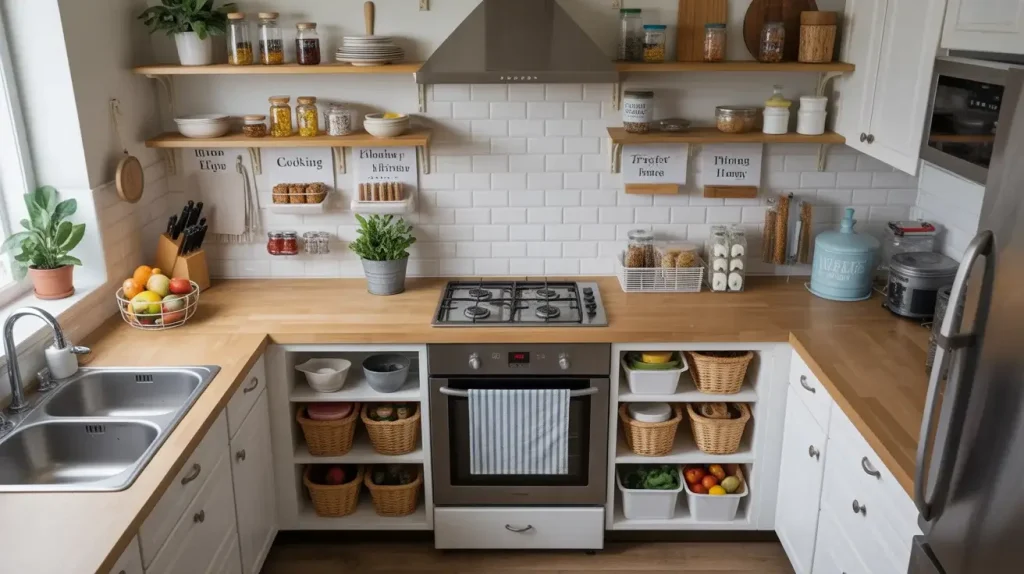
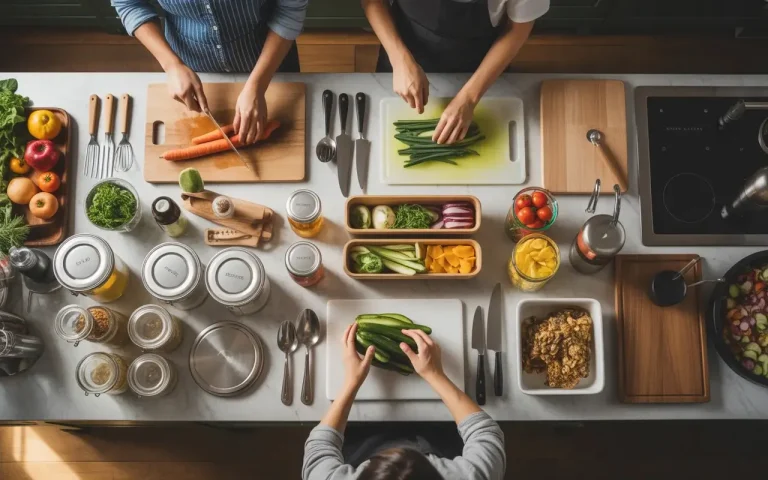
Professional chefs and kitchen designers swear by the zone system for maximum efficiency. Divide your kitchen into specific zones based on activities: a prep zone near your cutting boards and knives, a cooking zone around the stove, a baking zone with measuring tools and mixers, and a cleaning zone near the sink. This kitchen organization strategy reduces chaos by ensuring everything has a logical home.
When items are grouped by function, you’ll naturally know where to find what you need and where to put things away. You’ll spend less time searching and more time actually cooking. Take inventory of your kitchen tools and reassign their locations based on where you use them most frequently.
Maximize Vertical Storage Space
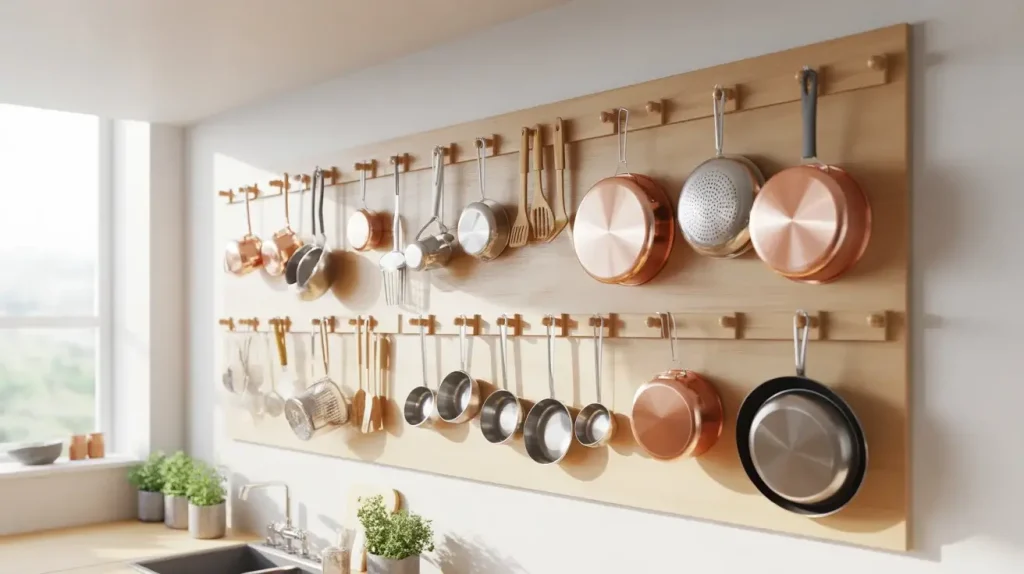
Most kitchens have tons of unused vertical space just waiting to be utilized. Install floating shelves, pegboards, or wall-mounted racks to take advantage of empty wall space and free up valuable cabinet and counter room. Vertical storage solutions are perfect for storing frequently used items like spices, cooking oils, or coffee mugs where they’re easily accessible.
Don’t forget about the inside of cabinet doors—these hidden spaces are ideal for mounting small racks, hooks, or magnetic strips. You can store everything from measuring spoons to pot lids on cabinet doors, effectively doubling your storage capacity without any major renovations.
Organize Your Pantry Like a Pro
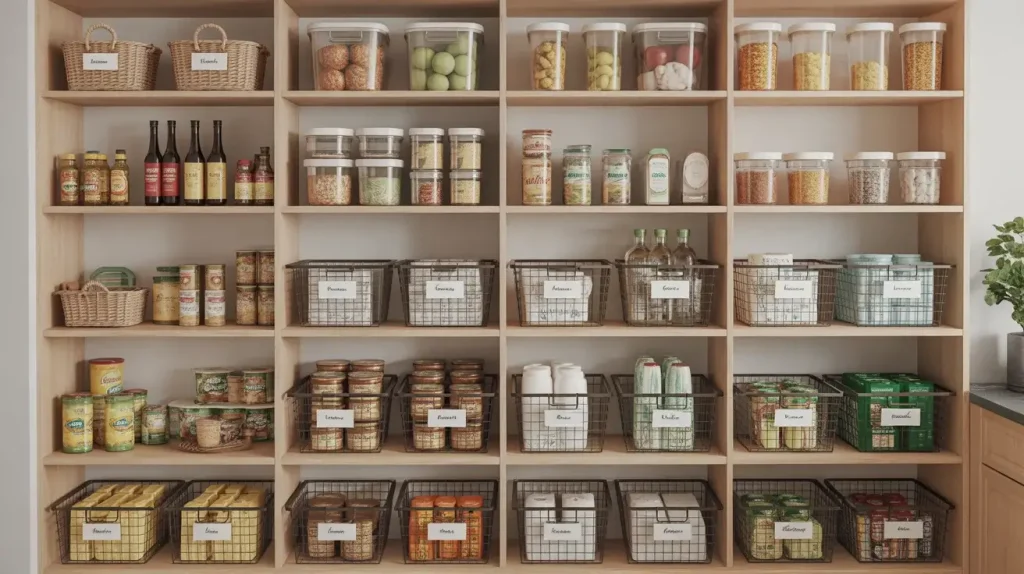
A chaotic pantry makes meal planning nearly impossible and leads to duplicate purchases and food waste. Start your pantry organization by removing everything, checking expiration dates, and discarding anything past its prime. Group similar items together—all baking supplies in one area, canned goods together, snacks in another section.
Invest in clear, airtight containers for dry goods like flour, sugar, pasta, and cereal. Not only do these containers keep food fresher longer, but they also create a uniform, visually appealing look that makes it easy to see when you’re running low on staples. Label everything clearly with both the contents and expiration date for foolproof organization.
Tackle the Dreaded Junk Drawer
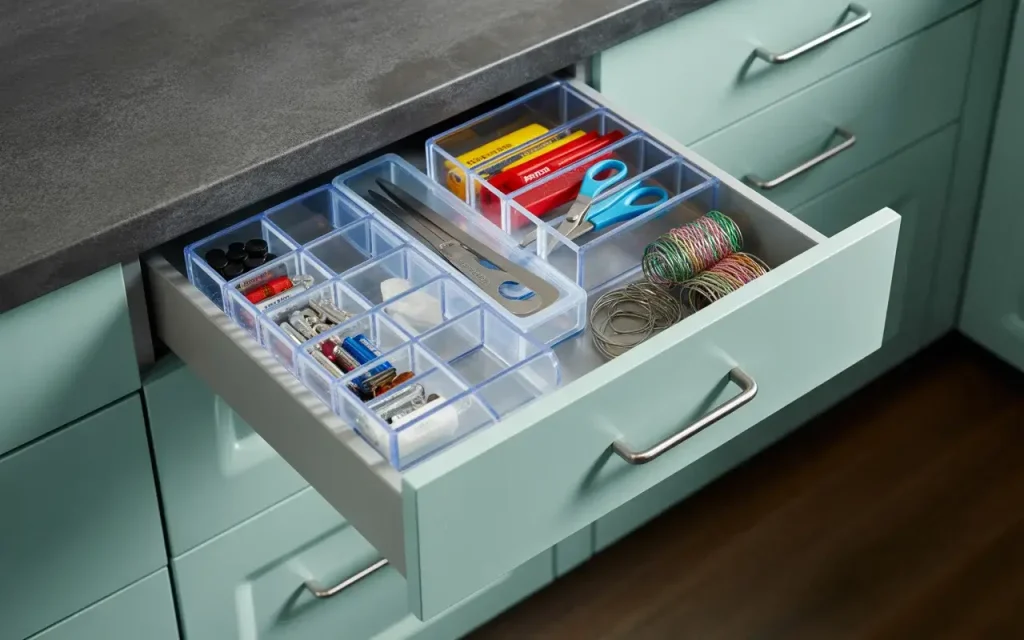
Every kitchen has at least one junk drawer that’s become a black hole for random items. Instead of accepting chaos, transform this space into a functional utility drawer. Empty the drawer completely and sort items into categories: keep only what’s genuinely useful and belongs in the kitchen.
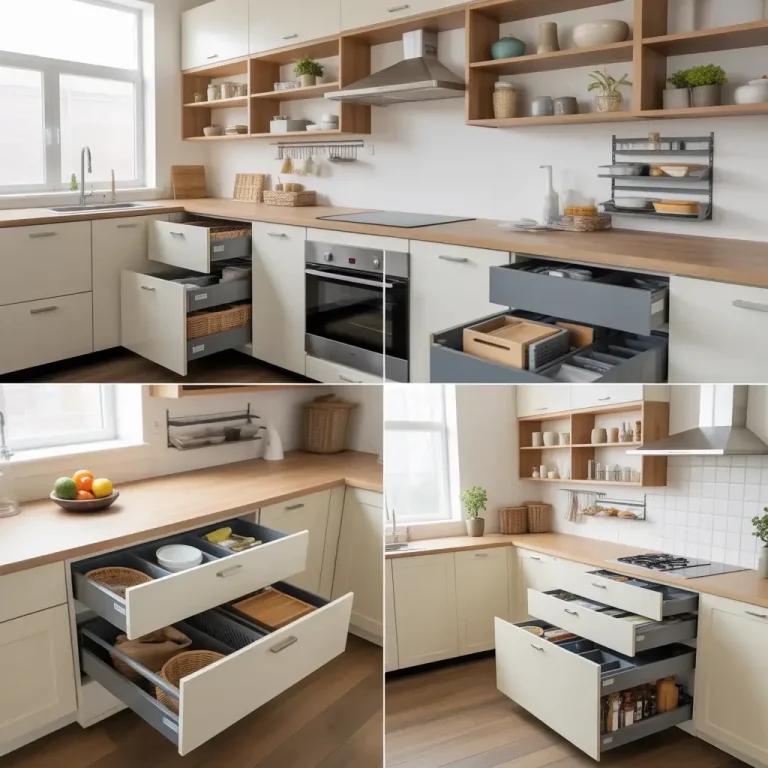
Use drawer dividers or small containers to create compartments for different categories—batteries, pens, twist ties, rubber bands, and small tools. This simple organization system ensures you can quickly find what you need without digging through a messy pile. Schedule a quick five-minute clean-out every month to prevent the chaos from returning.
Implement Smart Cabinet Organization
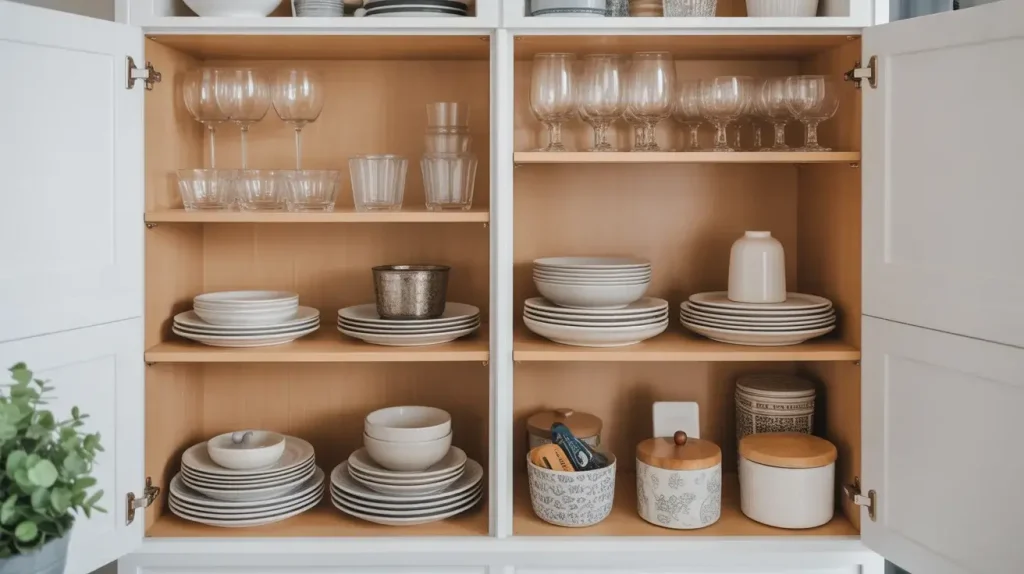
Kitchen cabinets often waste space due to poor organization. Install shelf risers to double your usable space by stacking items at different heights. Use stackable organizers for plates and bowls, and consider pull-out shelves for deep cabinets where items get lost in the back.
Group similar items together and assign each category its own cabinet or shelf section. Keep everyday dishes and glasses in the most accessible cabinets, while special occasion items can go in higher or harder-to-reach spaces. Use lazy Susans in corner cabinets to maximize awkward spaces and make everything easily accessible.
Streamline Your Spice Collection
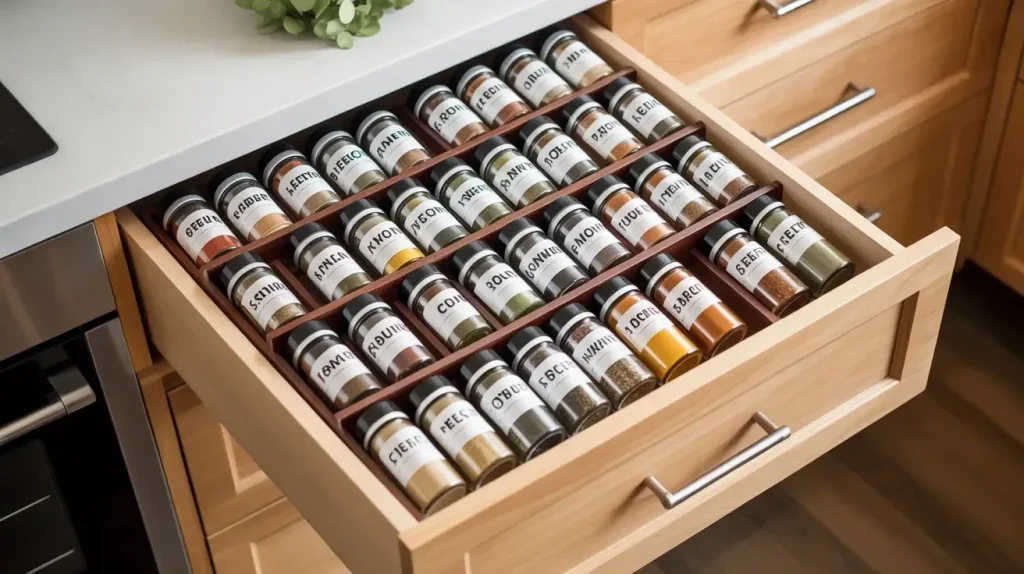
Spice chaos is real—expired jars, duplicates, and impossible-to-read labels make cooking frustrating. Consolidate your spice collection by checking expiration dates (ground spices last about 2-3 years, whole spices 3-4 years) and tossing anything old. Decant spices into uniform jars with clear labels, including the purchase date.
Organize spices alphabetically or by cuisine type in a dedicated drawer, cabinet, or wall-mounted rack. Consider a tiered spice organizer that allows you to see all your spices at once, eliminating the need to dig through cluttered shelves. This small change makes a huge difference in your cooking efficiency.
Optimize Under-Sink Storage
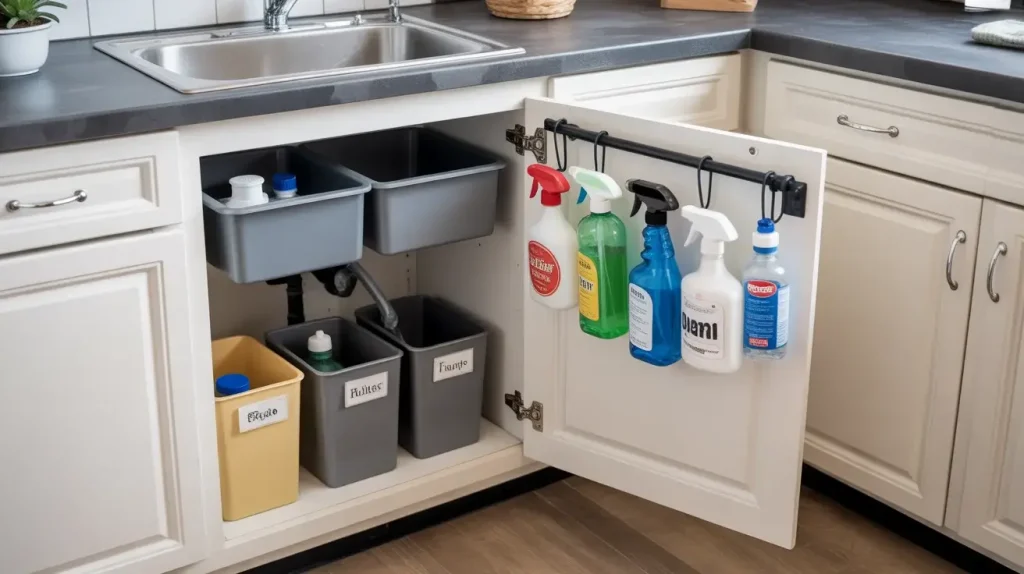
The cabinet under your kitchen sink is often a dark, cluttered mess of cleaning supplies and random items. Transform this space by installing a pull-out organizer or tension rod system. Hang spray bottles from tension rods to free up floor space, and use stackable bins to contain sponges, scrubbers, and cleaning cloths.
Consider adding a small shelf unit designed for under-sink spaces to create multiple levels of storage. Keep only cleaning products you actually use, and store toxic items in a locked container if you have children or pets. Don’t forget to line the cabinet bottom with a waterproof mat to protect against potential leaks.
Master Refrigerator Organization
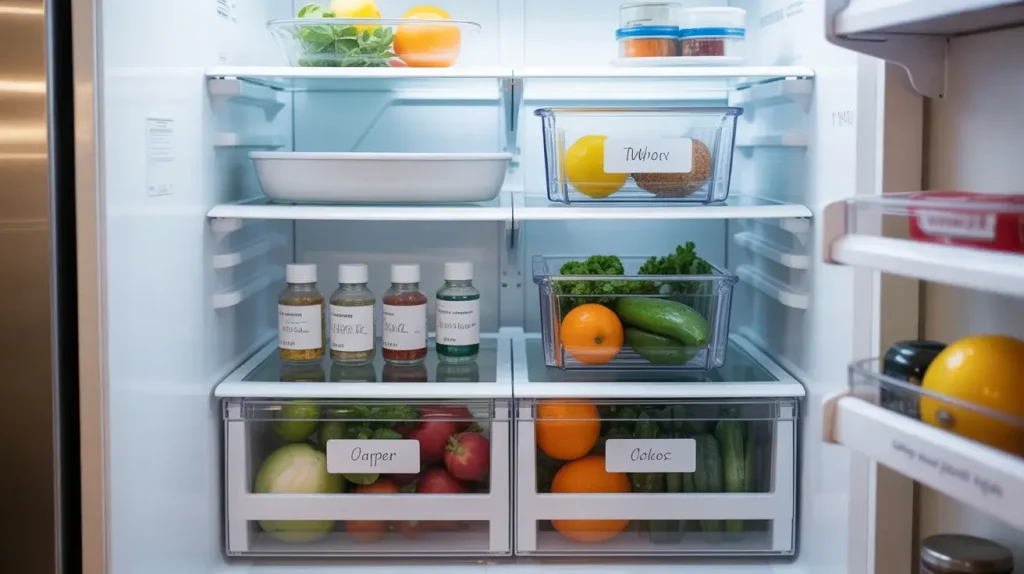
A disorganized refrigerator leads to forgotten leftovers, food waste, and duplicate purchases. Start by giving your fridge a deep clean, then implement clear storage bins to group similar items—one for dairy, one for deli meats, one for condiments. This containment system makes it easy to find what you need and identify when you’re running low.
Use the FIFO method (first in, first out) by placing newer items behind older ones to ensure food gets used before expiring. Designate specific shelves for specific categories: top shelf for leftovers and ready-to-eat foods, middle shelves for dairy and eggs, bottom shelf for raw meat (in a contained bin), and door shelves for condiments only. Label shelves if it helps your household stay organized.
Create a Command Center for Paper Clutter
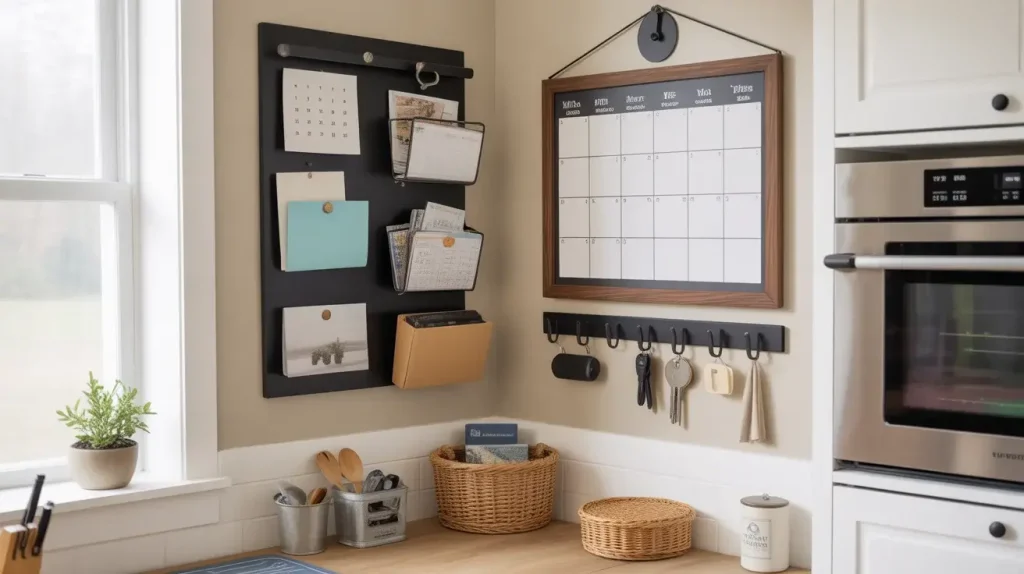
Kitchen counters often collect mail, school papers, coupons, and receipts. Establish a command center in or near your kitchen to corral all paper clutter. Use a wall-mounted mail organizer with separate slots for incoming mail, bills to pay, and items to file. Add a small basket for pens and a calendar or bulletin board for important dates.
Go digital wherever possible by opting for electronic bills and statements. Immediately recycle junk mail rather than letting it accumulate. Set aside five minutes each day to process papers—pay bills, file important documents, and toss what you don’t need. This daily habit prevents the overwhelming paper piles that contribute to kitchen chaos.
Simplify Your Tupperware Collection
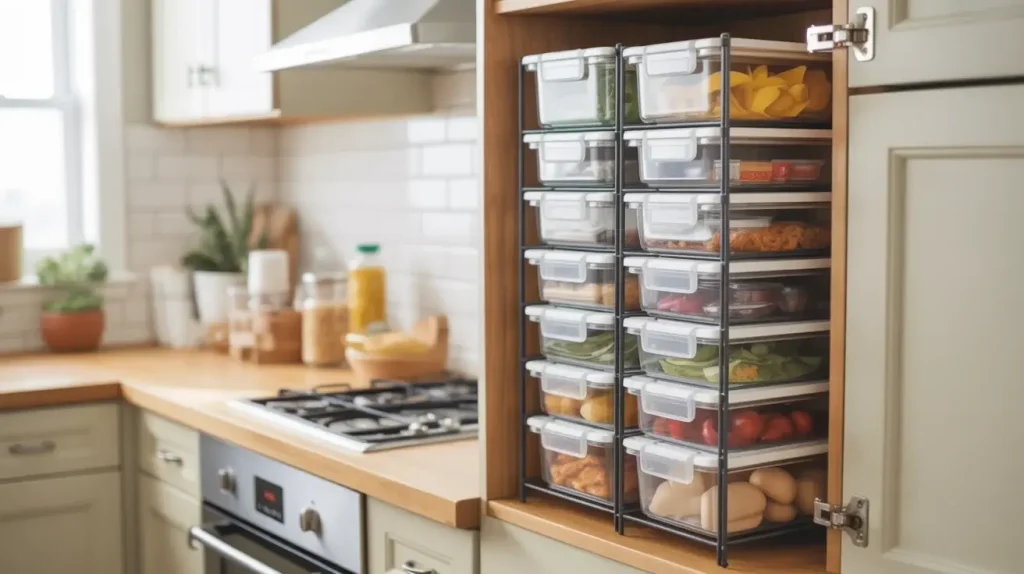
Mismatched containers with missing lids are a universal source of kitchen frustration. Dedicate an afternoon to matching every container with its lid—recycle anything without a mate. Keep only as many containers as you realistically use, considering how often you meal prep and store leftovers.
Organize your reduced collection by nesting containers inside each other and storing all lids together in a separate container or lid organizer. Consider investing in a matching set of quality containers in various sizes. This uniformity not only looks better but also makes stacking and storing much more efficient.
Utilize Drawer Dividers for Utensils
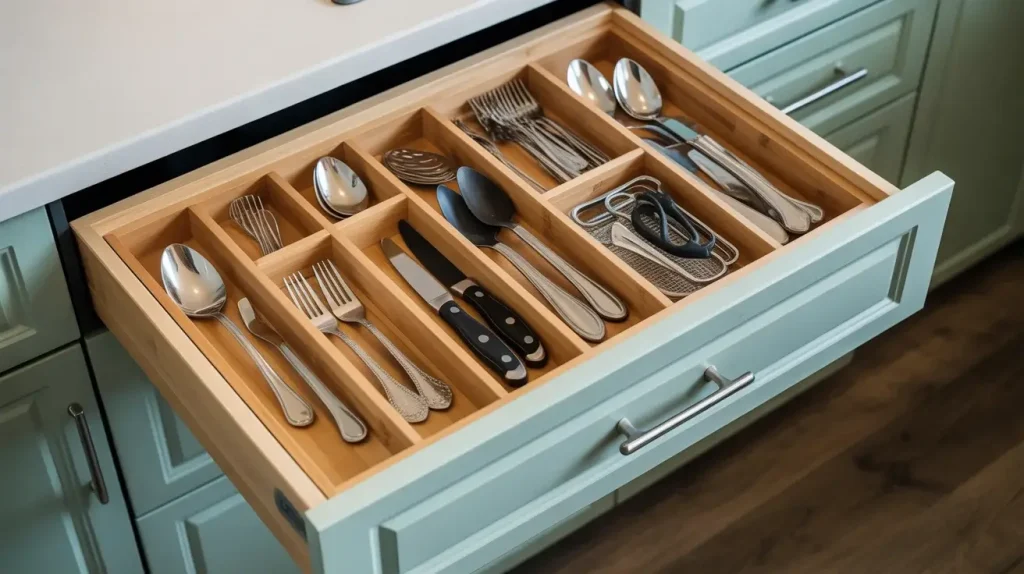
A messy utensil drawer slows down cooking and contributes to kitchen stress. Invest in expandable drawer dividers or a custom utensil organizer that fits your drawer perfectly. Separate utensils by type and frequency of use—spatulas together, serving spoons together, measuring spoons in their own section.
Keep only the utensils you actually use regularly. If you haven’t used that garlic press or avocado slicer in the past year, it’s taking up valuable space. Store specialty tools elsewhere or donate them. Your everyday drawer should contain only the essentials you reach for multiple times per week.
Establish a Coffee and Tea Station
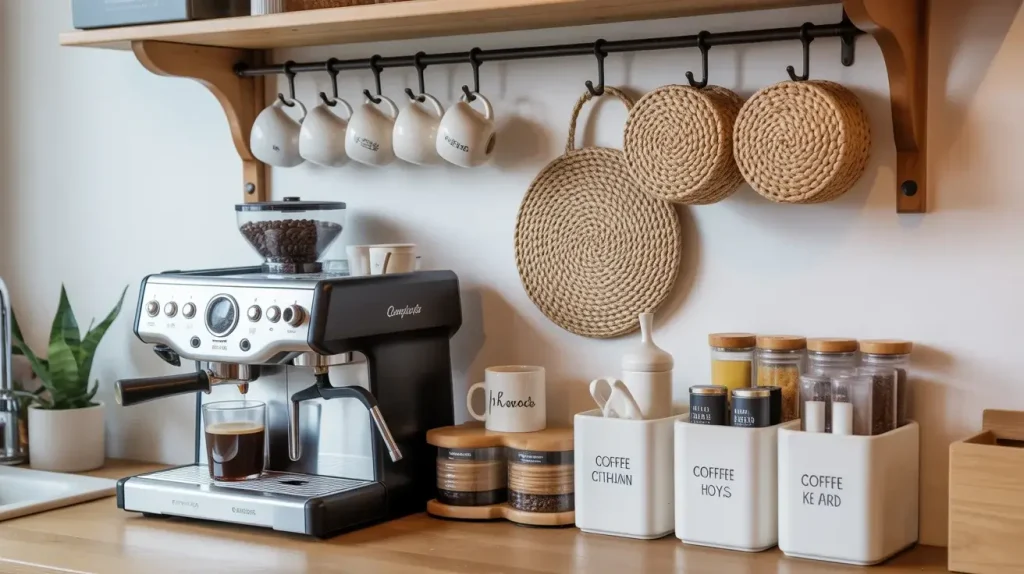
If you’re a coffee or tea drinker, creating a dedicated beverage station eliminates countertop clutter and streamlines your morning routine. Designate one cabinet or section of counter space for your coffee maker, mugs, coffee, filters, and sweeteners. Use drawer organizers or small containers to keep tea bags, coffee pods, and stirrers tidy.
Add a small tray to corral items on the counter and make cleaning easier. Consider wall-mounted mug hooks to free up cabinet space while displaying your favorite mugs. A well-organized coffee station makes your morning routine more enjoyable and keeps these frequently used items from spreading throughout the kitchen.
Organize Pots, Pans, and Lids
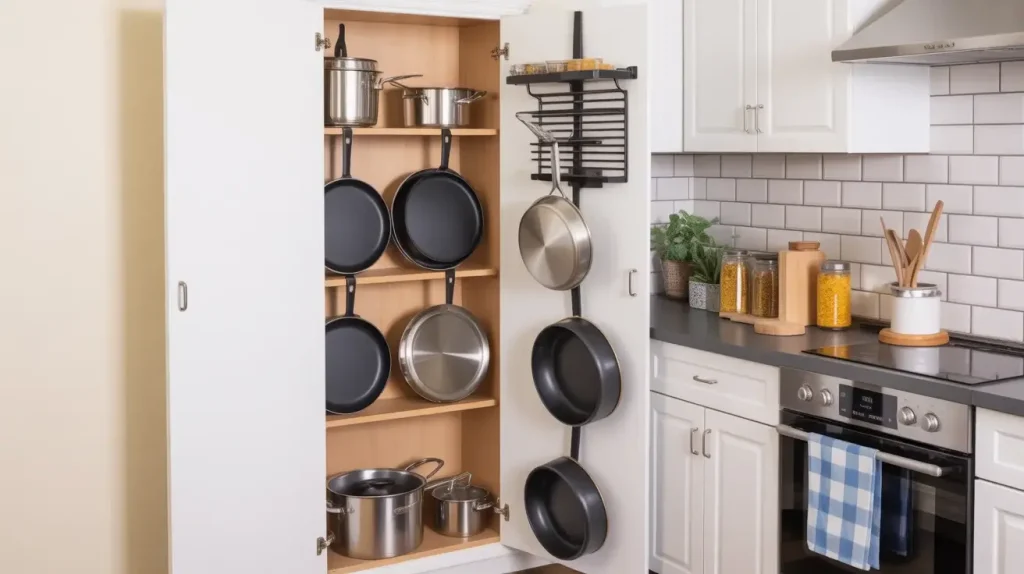
Pots and pans are bulky and difficult to store efficiently, often resulting in noisy, frustrating cabinet chaos. Install a pull-out drawer or vertical dividers in a deep cabinet to store pans upright like files rather than stacked. This allows you to grab the pan you need without disturbing others.
Store lids separately using a lid organizer, tension rod system, or mounted rack on the inside of a cabinet door. Consider hanging your most-used pots and pans on a ceiling rack or wall-mounted pot rail if you have the space. This not only looks professional but also frees up significant cabinet space for other items.
Manage Small Appliances Strategically
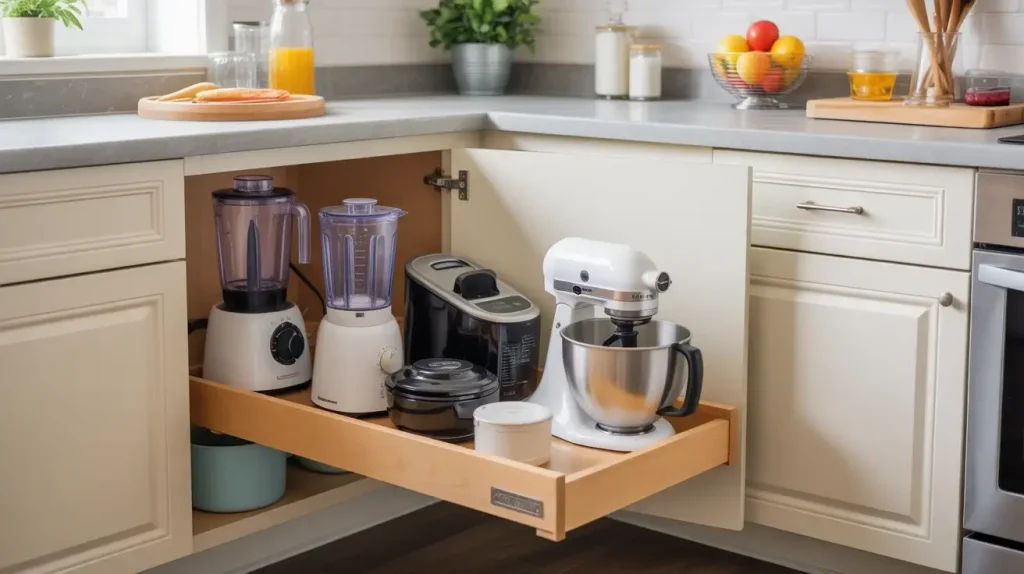
Small kitchen appliances quickly take over counters and cabinets. Evaluate each appliance honestly—if you haven’t used it in six months, consider selling or donating it. For appliances you use weekly, dedicate an accessible cabinet or counter space. For less frequently used items, store them in harder-to-reach cabinets, the garage, or a pantry.
Create an “appliance garage” by dedicating one lower cabinet to frequently used items like blenders or food processors. Install an outlet inside the cabinet if possible for plug-and-play convenience. Use pull-out shelves to make heavy appliances more accessible without leaving them on the counter permanently.
Implement a Cleaning Schedule
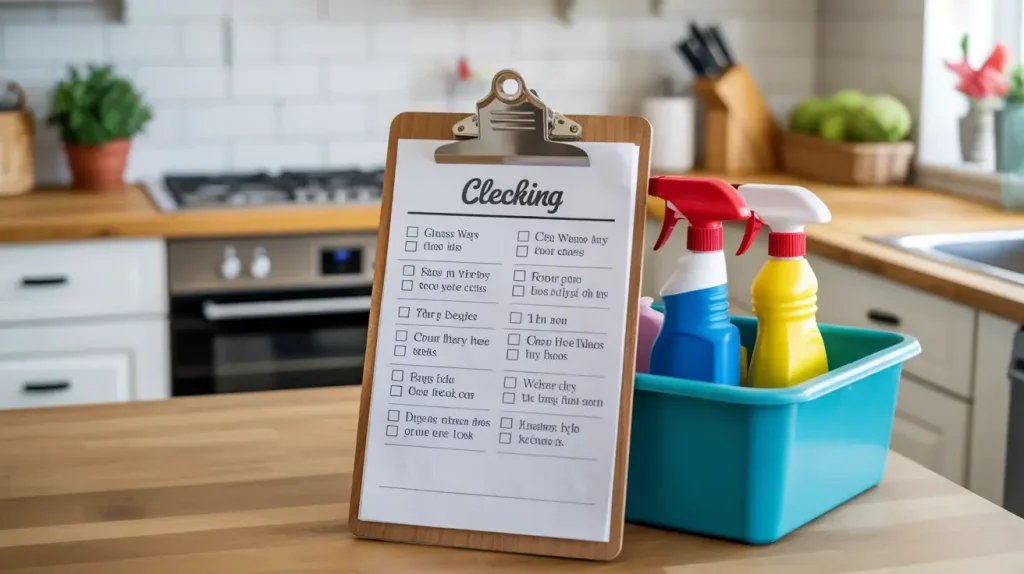
Maintaining an organized kitchen requires ongoing effort. Create a simple cleaning and organizing schedule to prevent chaos from returning. Daily tasks include wiping counters, doing dishes, and quickly clearing clutter. Weekly tasks include cleaning the refrigerator, wiping down cabinets, and organizing one drawer or shelf.
Monthly tasks should include deep cleaning the pantry, checking expiration dates, and reorganizing any areas that have become messy. By breaking maintenance into small, manageable tasks, you’ll prevent the overwhelming buildup that requires marathon organizing sessions. Set phone reminders or use a habit-tracking app to stay consistent.
Use Clear Containers for Visibility
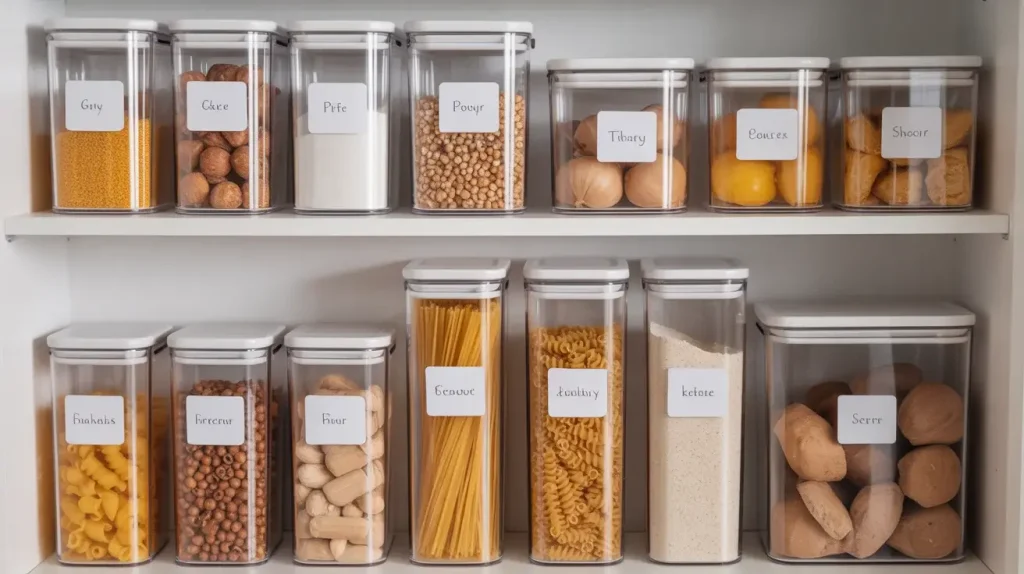
One of the biggest kitchen organization secrets is visibility—you use what you can see. Replace opaque containers and packaging with clear glass or plastic containers wherever possible. This applies to food storage, organizing supplies, and even cleaning products. When you can see exactly what you have and how much remains, you avoid overbuying and waste less food.
Clear containers in the refrigerator help you spot leftovers before they spoil. Clear pantry containers show when you’re running low on staples. Clear drawer organizers in the junk drawer make finding small items effortless. This simple switch dramatically improves kitchen functionality and helps maintain organization long-term.
Create a Meal Planning Zone
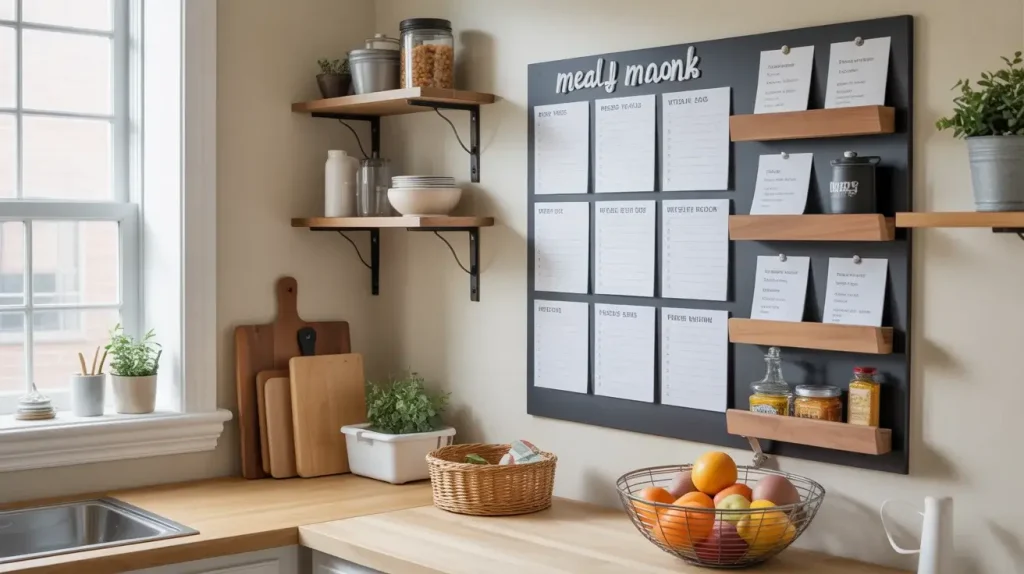
Kitchen chaos often stems from poor meal planning, leading to last-minute takeout and unused ingredients that clutter your fridge. Designate a specific area for meal planning—perhaps a section of your command center. Include a weekly meal planner, grocery list pad, and container for storing recipes you want to try.
Spend 20 minutes each week planning meals and creating a shopping list based on what you already have. This simple practice reduces food waste, saves money, and eliminates the daily stress of deciding what to cook. Keep your meal plan visible in the kitchen so family members know what’s coming and can help with prep.
Conclusion
Transforming a chaotic kitchen into an organized, functional space doesn’t happen overnight, but implementing even a few of these 18 genius strategies will make a noticeable difference in your daily life. Start with the areas that frustrate you most—whether that’s overflowing countertops, disorganized cabinets, or a cluttered pantry. Remember that kitchen organization is personal; what works for someone else might not work for your cooking style and family needs.
The key to lasting kitchen organization is creating systems that are easy to maintain and actually work for your lifestyle. Don’t aim for Pinterest-perfect perfection—aim for functional beauty that makes cooking enjoyable rather than stressful. Small, consistent efforts to maintain your organized spaces will prevent the chaos from creeping back in.
Ready to transform your entire home? Explore our other organization guides for bedrooms, bathrooms, and living spaces. Subscribe to our newsletter for weekly tips and tricks that will help you create a clutter-free, peaceful home you’ll love. Share your kitchen transformation photos with us on social media using #ClearTheKitchenChaos—we can’t wait to see your organized space!
Frequently Asked Questions
How often should I declutter my kitchen?
You should do a quick daily declutter by clearing counters and doing dishes, a weekly 15-minute decluttering session focusing on one area, and a deep quarterly declutter where you go through every cabinet and drawer. This maintenance schedule prevents overwhelming buildup and keeps your kitchen functional.
What’s the best way to organize a small kitchen with limited storage?
Maximize vertical space with wall-mounted shelves and pegboards, use the inside of cabinet doors for extra storage, invest in stackable and nesting containers, keep only essential items you use regularly, and consider furniture that provides additional storage like a kitchen cart or island with built-in shelves.
How can I keep my kitchen organized when I have kids?
Create low, accessible zones where kids can reach their own dishes and snacks, use clear bins with picture labels for younger children, establish a daily 5-minute family reset where everyone helps tidy up, designate specific drawers or baskets for kids’ items, and teach children the “one in, one out” rule early.
What should I do with kitchen items I rarely use but might need someday?
Store seasonal or rarely used items in less accessible spaces like high cabinets, basement, or garage. Use the “one-year rule”—if you haven’t used something in a year, seriously consider donating it. For specialty items you use once annually (like holiday baking tools), store them together in labeled bins outside the main kitchen space.
How do I maintain kitchen organization once I’ve set up a system?
Practice the “don’t put it down, put it away” principle immediately after use, do a nightly 5-minute kitchen reset to return items to their designated spots, involve all household members in maintaining the system, review and adjust your organization monthly as needs change, and remember that maintenance is always easier than major reorganization.