How to Clean Your Oven Using 3 Simple Household Ingredients
A dirty oven is one of those household chores we all tend to avoid. The baked-on grease, burnt food residue, and stubborn stains can seem impossible to tackle.
But what if you could clean your oven using just three simple household ingredients you already have in your kitchen? This natural cleaning method uses baking soda, white vinegar, and dish soap to transform your grimy oven into a sparkling appliance. No harsh chemicals, no expensive cleaners, and no toxic fumes—just effective, eco-friendly cleaning power.
Why Choose Natural Oven Cleaning Methods
Chemical oven cleaners contain harsh ingredients that can irritate your skin and lungs. They also leave behind strong odors that linger for days.
Natural cleaning ingredients are safer for your family and pets. They’re also budget-friendly and just as effective when used correctly.
Baking soda acts as a gentle abrasive that lifts grime without scratching. Vinegar cuts through grease and disinfects surfaces naturally.
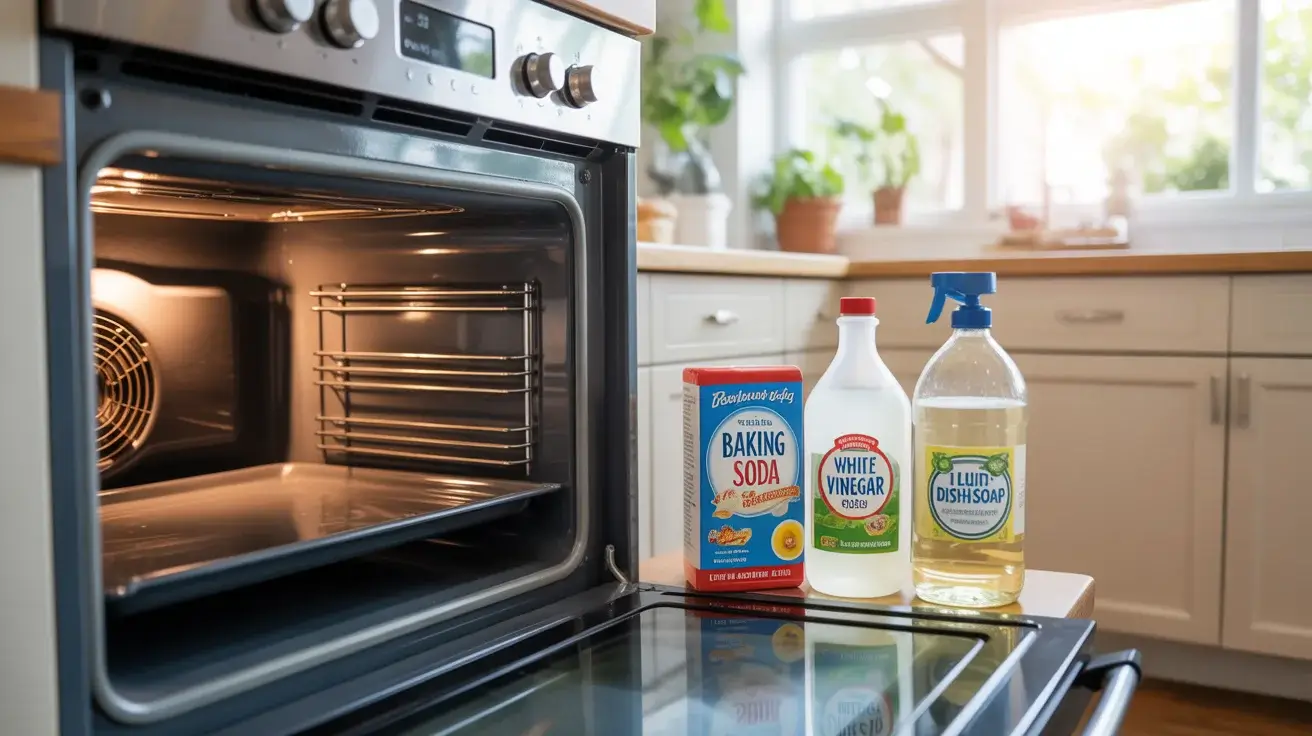
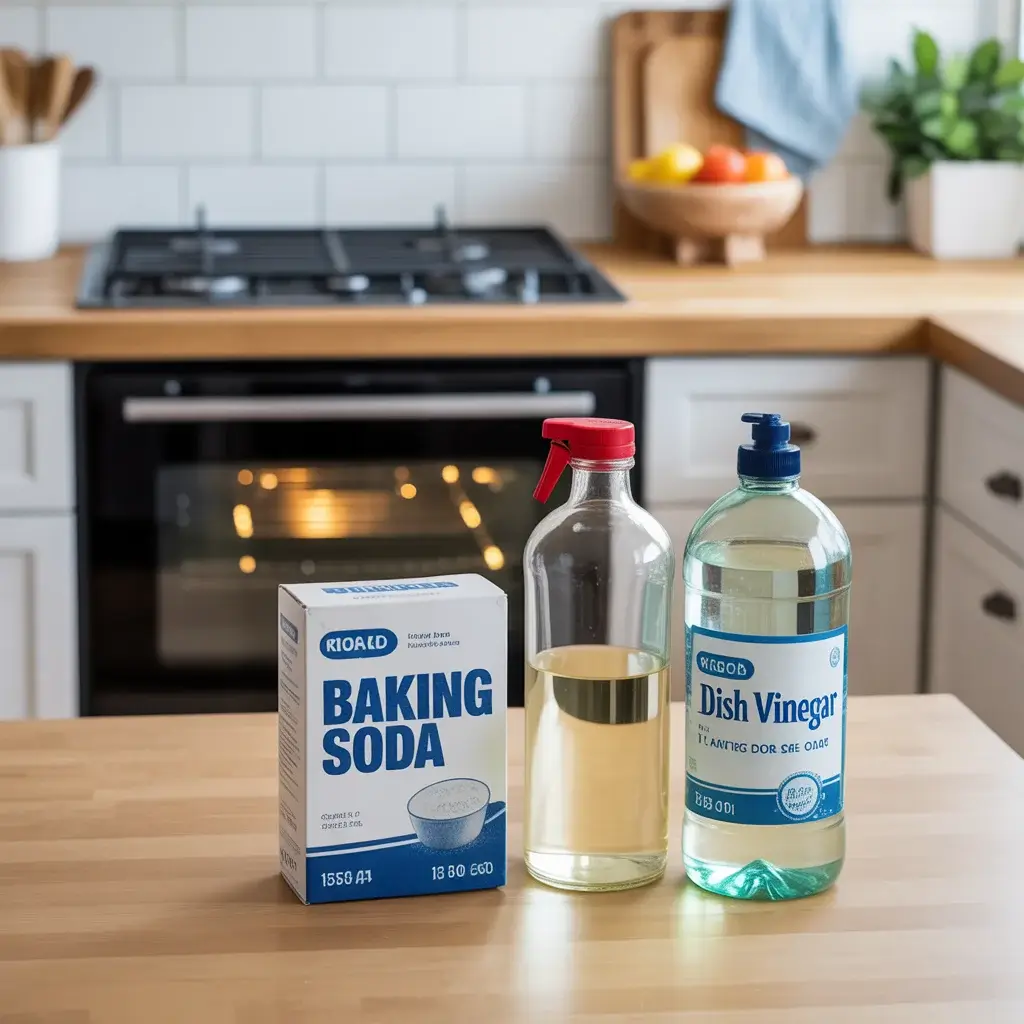
Image Suggestion: Flat lay photograph of three household ingredients arranged on a kitchen counter: box of baking soda, bottle of white vinegar, and bottle of dish soap.
Read More: 15 Genius Kitchen Storage Hacks You’ll Wish You Knew Sooner
The 3 Essential Ingredients You Need
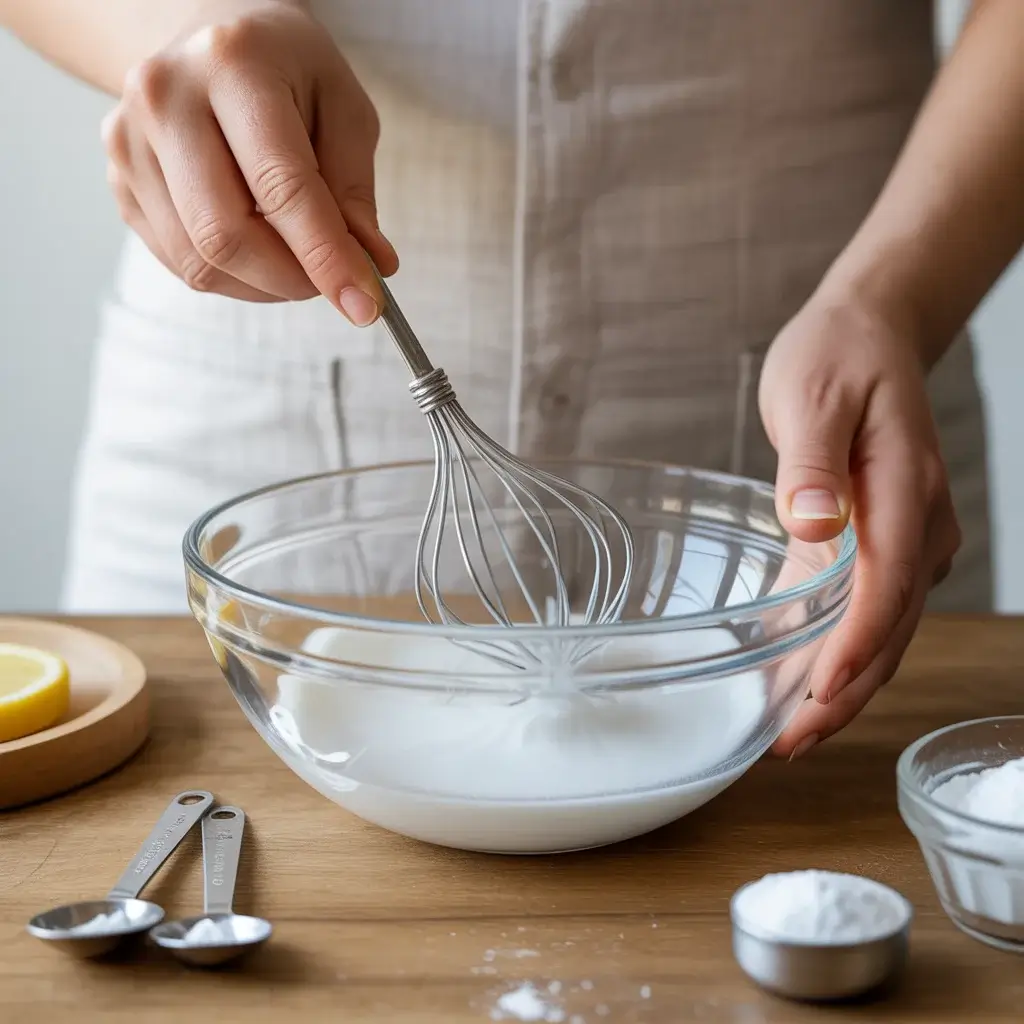
Baking Soda
Baking soda is mildly alkaline, which helps break down acidic grime and burnt food. Its fine texture provides gentle scrubbing power without damaging oven surfaces.
You’ll need about half a cup for a standard-sized oven. It’s inexpensive and available at any grocery store.
White Vinegar
White vinegar contains acetic acid that dissolves grease and mineral deposits. When combined with baking soda, it creates a fizzing reaction that lifts stubborn stains.
A spray bottle filled with vinegar makes application easier. This pantry staple costs just a few dollars.
Dish Soap
Dish soap adds extra degreasing power to your cleaning mixture. It helps create a spreadable paste and breaks down oily residues.
Any brand works fine, but concentrated formulas are most effective. You only need a few drops for the entire job.
Step-by-Step Guide to Clean Your Oven Naturally
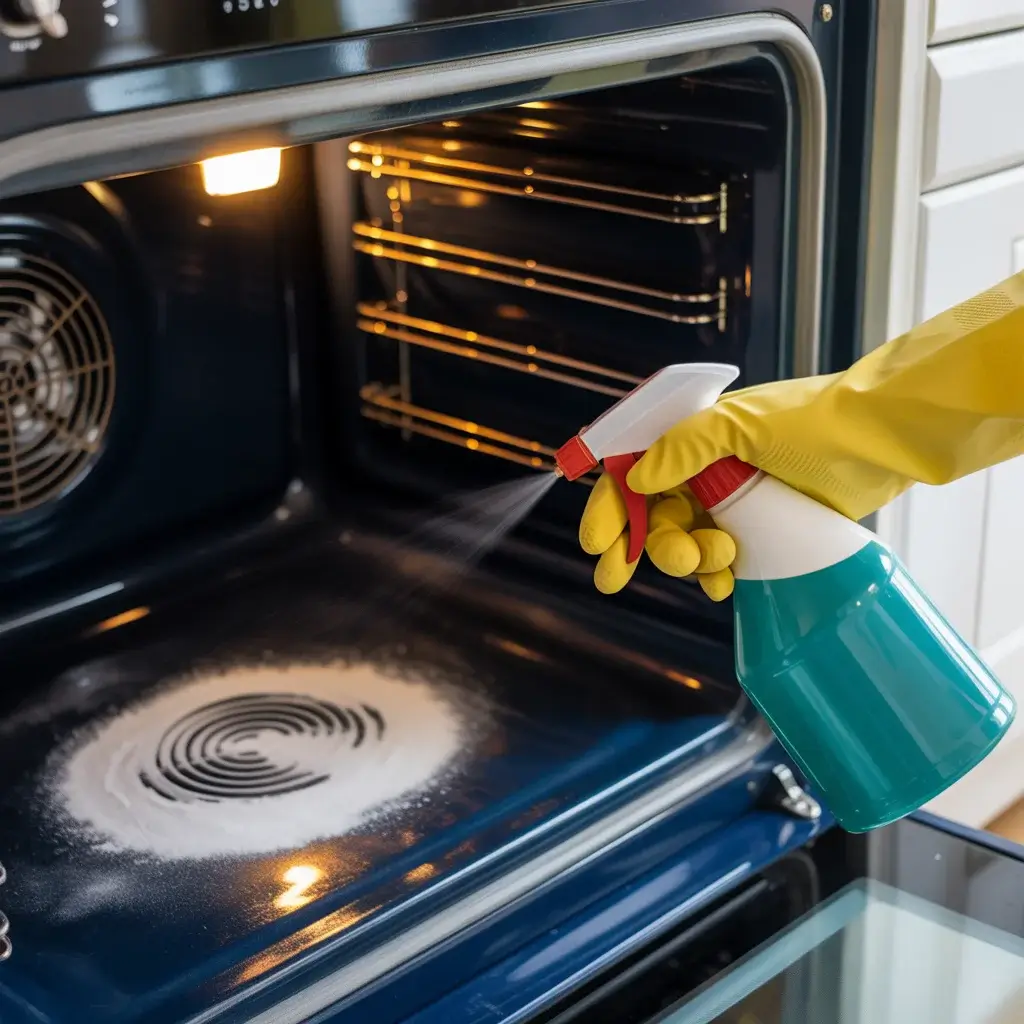
Preparation and Safety First
Remove oven racks and soak them separately in warm, soapy water. This makes them easier to clean while you work on the oven interior.
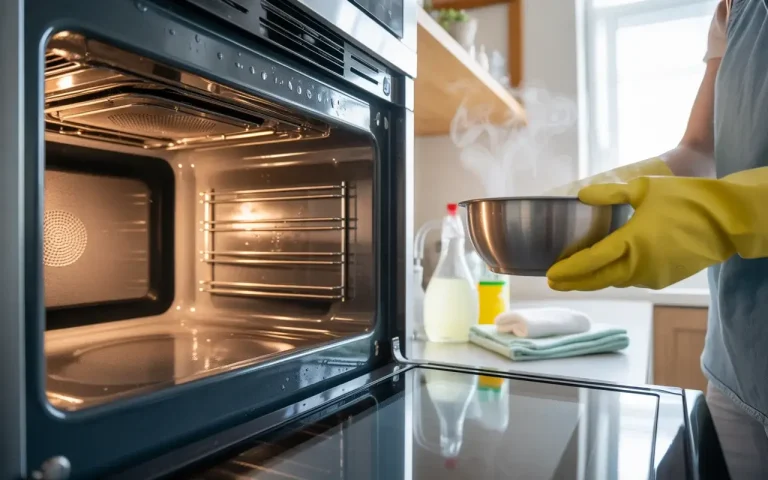
Turn off your oven and ensure it’s completely cool. Wear rubber gloves to protect your hands during the cleaning process.
Open windows for ventilation even though you’re using natural ingredients. Clear the area around your oven for easy access.
Creating Your Cleaning Paste
Mix half a cup of baking soda with three tablespoons of water in a bowl. Add two drops of dish soap and stir until you get a spreadable paste.
The consistency should be similar to thick yogurt or cake frosting. Add more water if it’s too thick or more baking soda if too runny.
This paste is the secret weapon for tackling baked-on grease. It’s gentle enough for enamel surfaces but tough on grime.
Applying the Baking Soda Mixture
Spread the paste throughout the oven interior using a sponge or spatula. Focus on areas with heavy buildup and burnt-on food.
Avoid the heating elements if you have an electric oven. Cover the glass door thoroughly as it often accumulates the most grease.
Let the paste sit for at least 12 hours or overnight. This gives the baking soda time to break down stubborn stains naturally.
The Vinegar Activation Step
Fill a spray bottle with white vinegar after the waiting period. Spray generously over the dried baking soda paste throughout the oven.
The mixture will foam and fizz as the vinegar reacts with baking soda. This chemical reaction helps lift grime from the oven surfaces.
Let the fizzing action work for 15 to 20 minutes. The foam penetrates deep into crevices and loosens baked-on residue.
Wiping and Final Cleaning
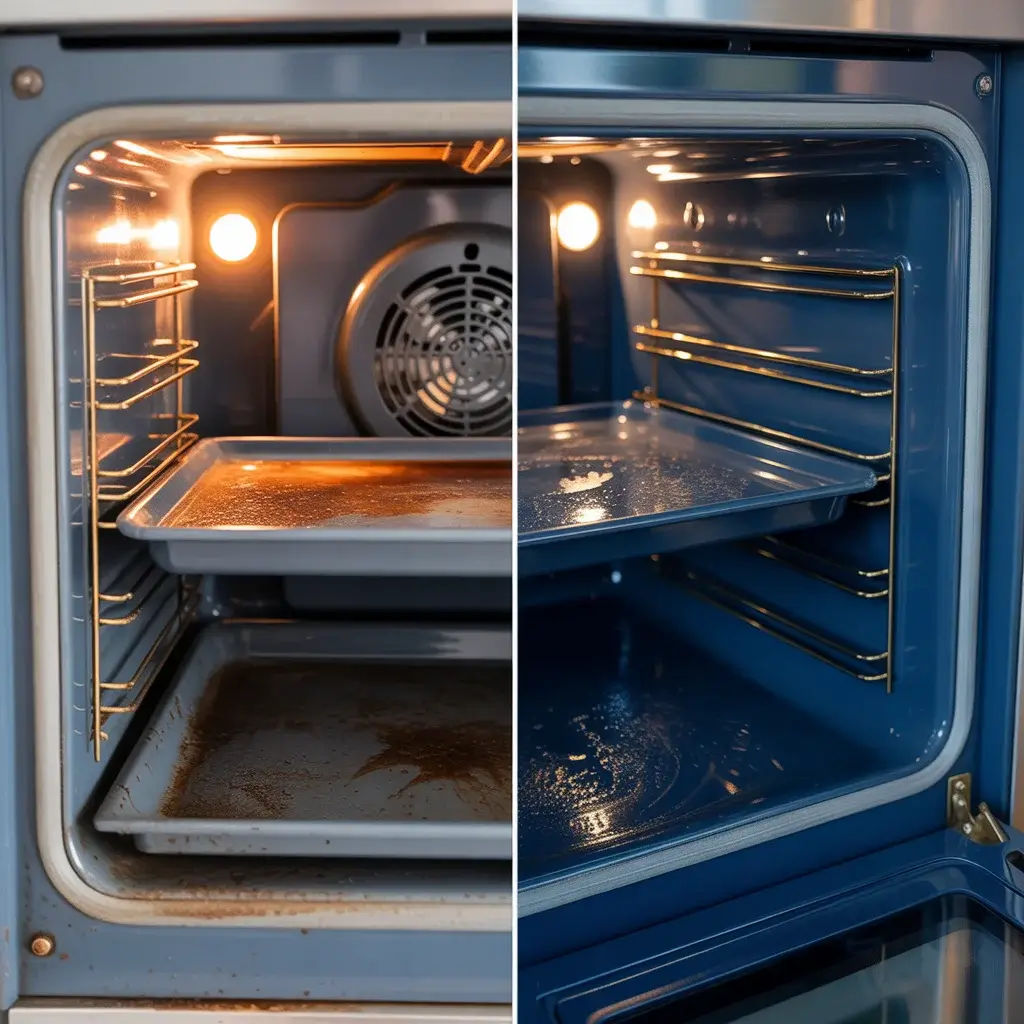
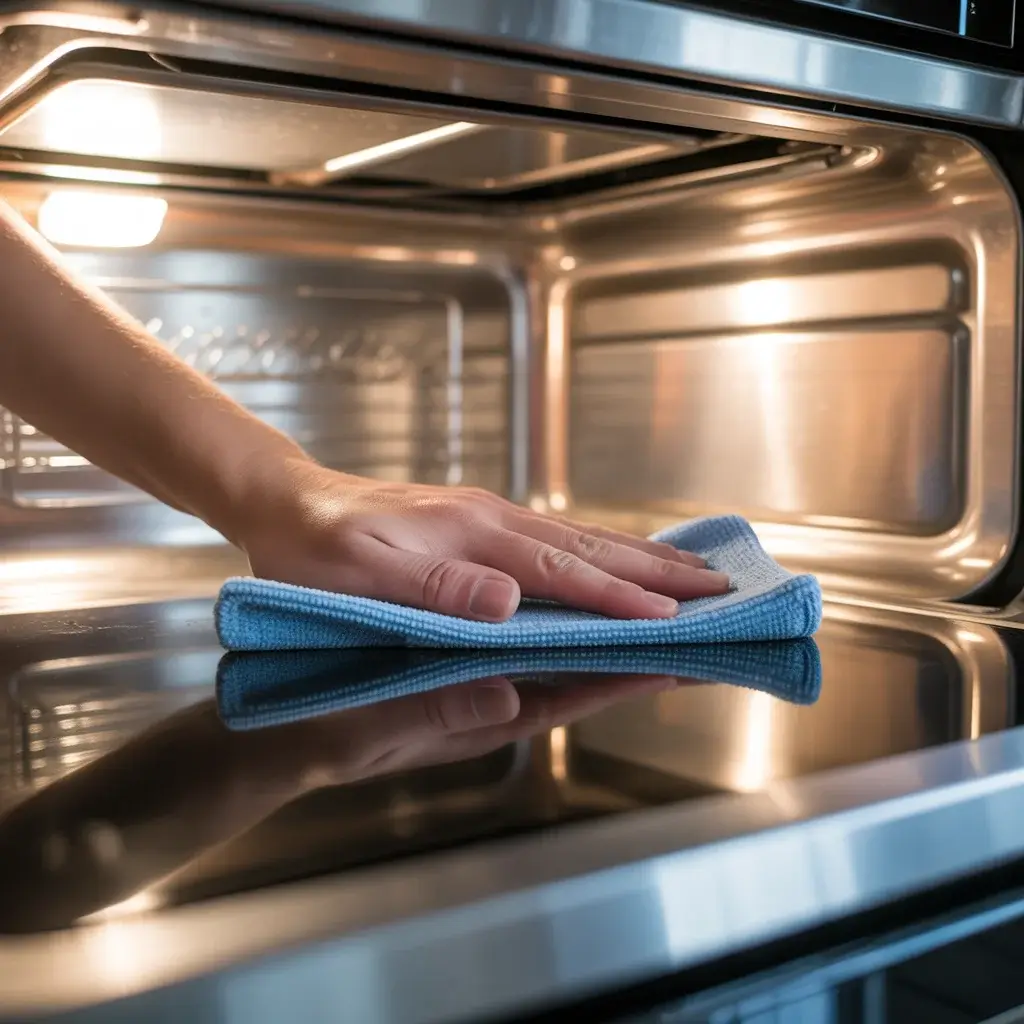
Use a damp cloth or sponge to wipe away the paste and loosened grime. Rinse your cloth frequently in clean water to avoid spreading dirt.
Stubborn spots may need a second application of paste and vinegar. Use a plastic scraper for particularly tough areas without scratching the surface.
Wipe down all surfaces with clean water until no residue remains. Dry with a clean towel for a streak-free finish.
Image Suggestion: Before and after split image showing a dirty oven on the left and the same oven sparkling clean on the right.
How to Clean Oven Racks Effectively
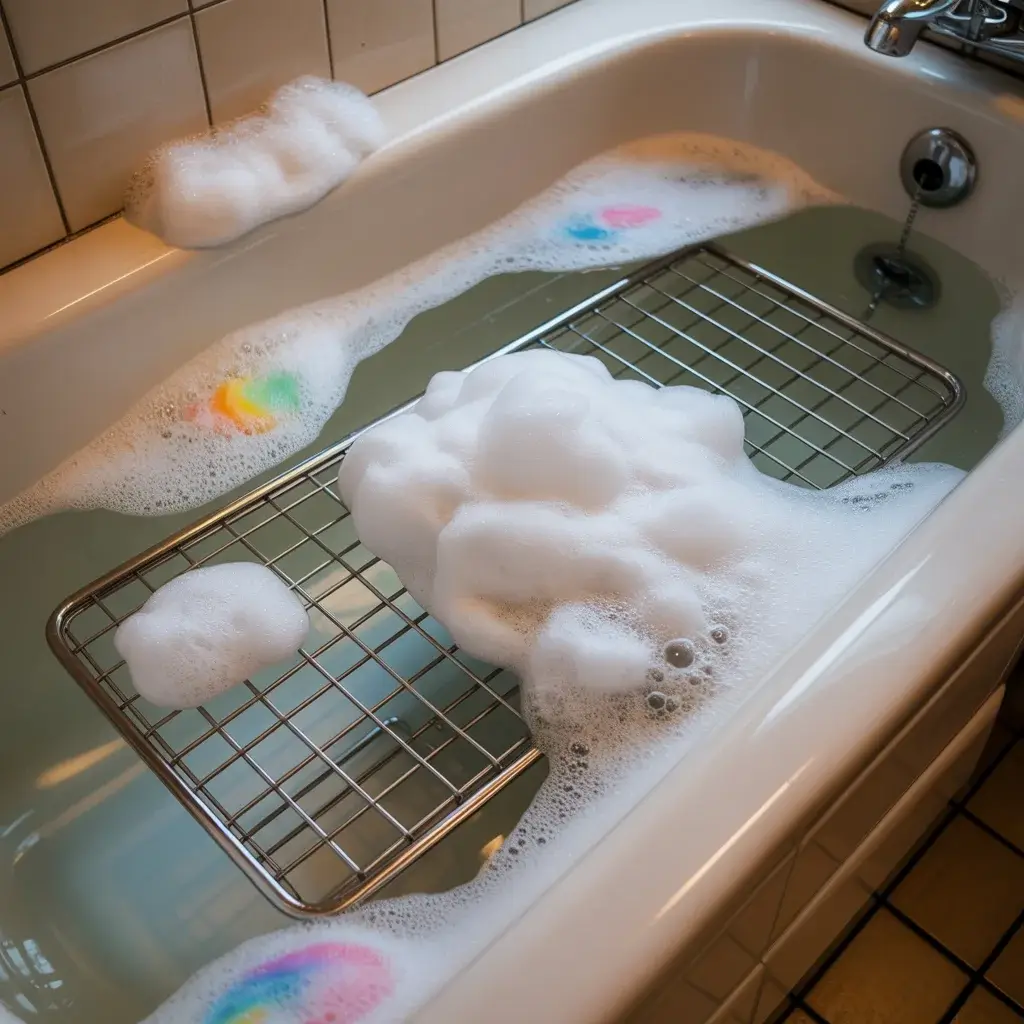
Oven racks deserve special attention as they accumulate significant grease buildup. The soaking method works best for these metal components.
Fill your bathtub or large sink with hot water and dish soap. Submerge the racks completely and let them soak for several hours.
Sprinkle baking soda directly on stubborn spots after soaking. Scrub with a brush or old sponge and rinse thoroughly with water.
Dry the racks completely before placing them back in your clean oven. This prevents water spots and potential rust formation.
Tips for Maintaining a Clean Oven
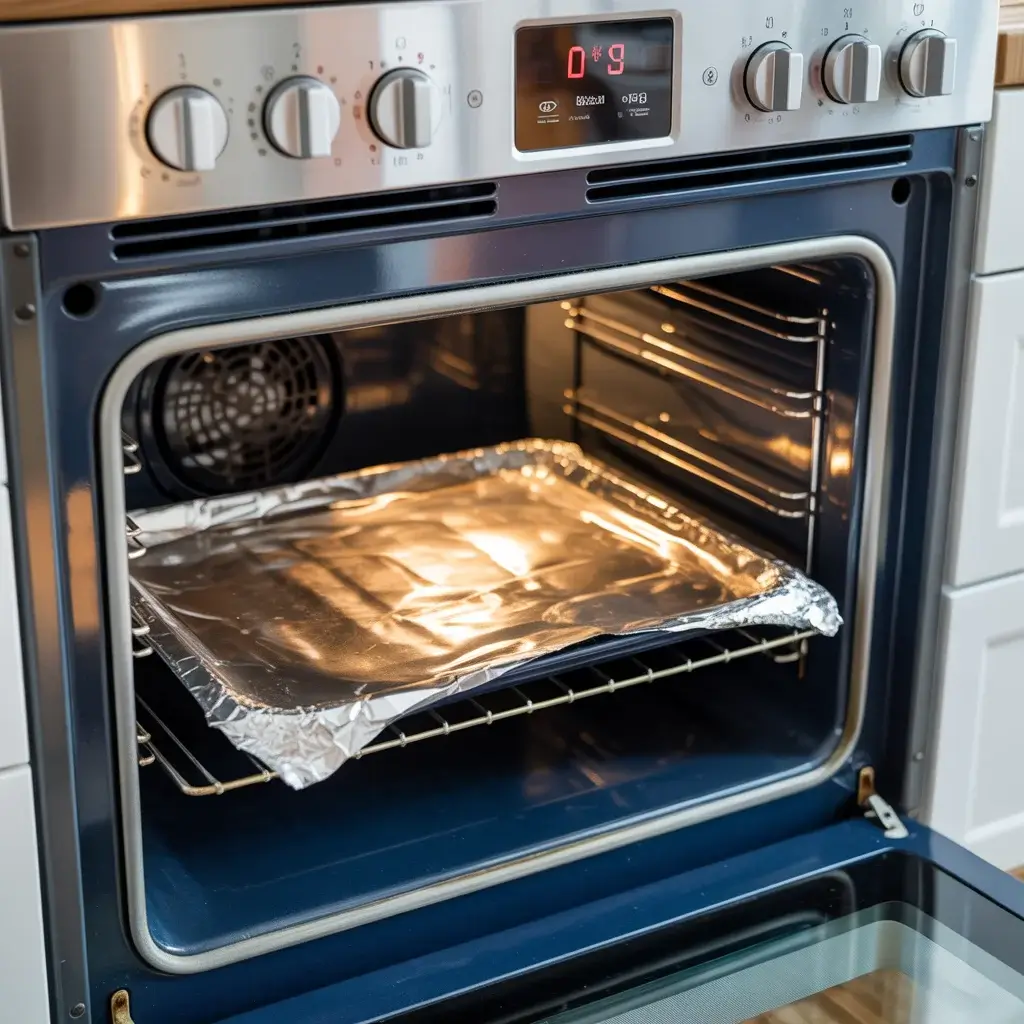
Prevention is easier than deep cleaning your oven repeatedly. Wipe up spills immediately after your oven cools down from cooking.
Place a baking sheet or aluminum foil on the bottom rack when cooking messy dishes. This catches drips before they bake onto oven surfaces.
Do a quick monthly cleaning using the same three ingredients. Regular maintenance prevents heavy buildup that requires intensive scrubbing.
Run the self-cleaning cycle sparingly, as it uses extreme heat and energy. Natural cleaning methods are gentler on your appliance and the environment.
Common Mistakes to Avoid
Never mix baking soda paste directly with vinegar before application. Apply them separately to maximize the cleaning reaction inside the oven.
Don’t use abrasive scrubbers like steel wool on enamel surfaces. These can scratch the finish and make future cleaning more difficult.
Avoid getting baking soda paste on heating elements or gas ports. This can affect oven performance and create potential fire hazards.
Don’t rush the waiting period after applying the paste. Patience allows the baking soda to properly break down grease and grime.
Frequently Asked Questions
How often should I deep clean my oven using these household ingredients?
Deep clean your oven every three to six months, depending on usage frequency. If you cook frequently or notice visible buildup, clean it quarterly. Light monthly touch-ups with baking soda paste help maintain cleanliness between deep cleans.
Can I use this method on self-cleaning ovens?
Yes, this natural cleaning method is safe for self-cleaning ovens and all oven types. It’s actually gentler than the high-heat self-cleaning cycle. Just avoid applying paste to heating elements and follow the same application process.
What if the baking soda paste dries out before I can apply vinegar?
Simply spray water lightly on the dried paste to reactivate it before applying vinegar. The paste remains effective even when dry. The key is ensuring the vinegar can react with the baking soda residue.
Is white vinegar better than apple cider vinegar for oven cleaning?
White vinegar is preferable because it contains no sugars or coloring agents. Apple cider vinegar works but may leave a slight residue or smell. White vinegar provides the strongest cleaning power without additional components.
Can I speed up the process instead of waiting overnight?
While you can reduce waiting time to four hours minimum, overnight produces the best results. The extended contact time allows baking soda to fully penetrate and break down stubborn grease. Rushing may require additional cleaning cycles.
Conclusion
Cleaning your oven doesn’t require expensive commercial products or harsh chemicals. With just baking soda, white vinegar, and dish soap, you can achieve professional-level results naturally.
This simple method saves money, protects your family from toxic fumes, and delivers a sparkling clean oven. The process requires minimal effort and uses ingredients you likely already have at home.
Ready to tackle other household cleaning challenges the natural way? Explore our website for more eco-friendly cleaning solutions that work. Transform your entire home using simple, safe, and effective methods that deliver real results.