How I Organize Every Cabinet in My Kitchen for Maximum Efficiency
Walking into a well-organized kitchen feels like stepping into a sanctuary where cooking becomes a joy rather than a chore. After years of struggling with cluttered cabinets and wasting precious minutes searching for ingredients, I finally cracked the code to kitchen cabinet organization that works. The secret isn’t buying expensive organizers or having a massive kitchen; it’s about creating a system that makes sense for how you actually cook and live.
Kitchen organization has a direct impact on your daily efficiency and stress levels. When every item has a designated spot and you can grab what you need in seconds, meal prep becomes faster and more enjoyable. Whether you’re working with a compact apartment kitchen or a spacious culinary workspace, the principles of smart cabinet organization remain the same.
In this comprehensive guide, I’ll walk you through exactly how I organize every cabinet in my kitchen, from upper cabinets to deep lower storage spaces. You’ll discover practical strategies that maximize vertical space, reduce clutter, and create a functional kitchen that supports your lifestyle. These aren’t just pretty Pinterest-worthy solutions; they’re real-world systems that actually work for busy households.
Declutter Before You Organize
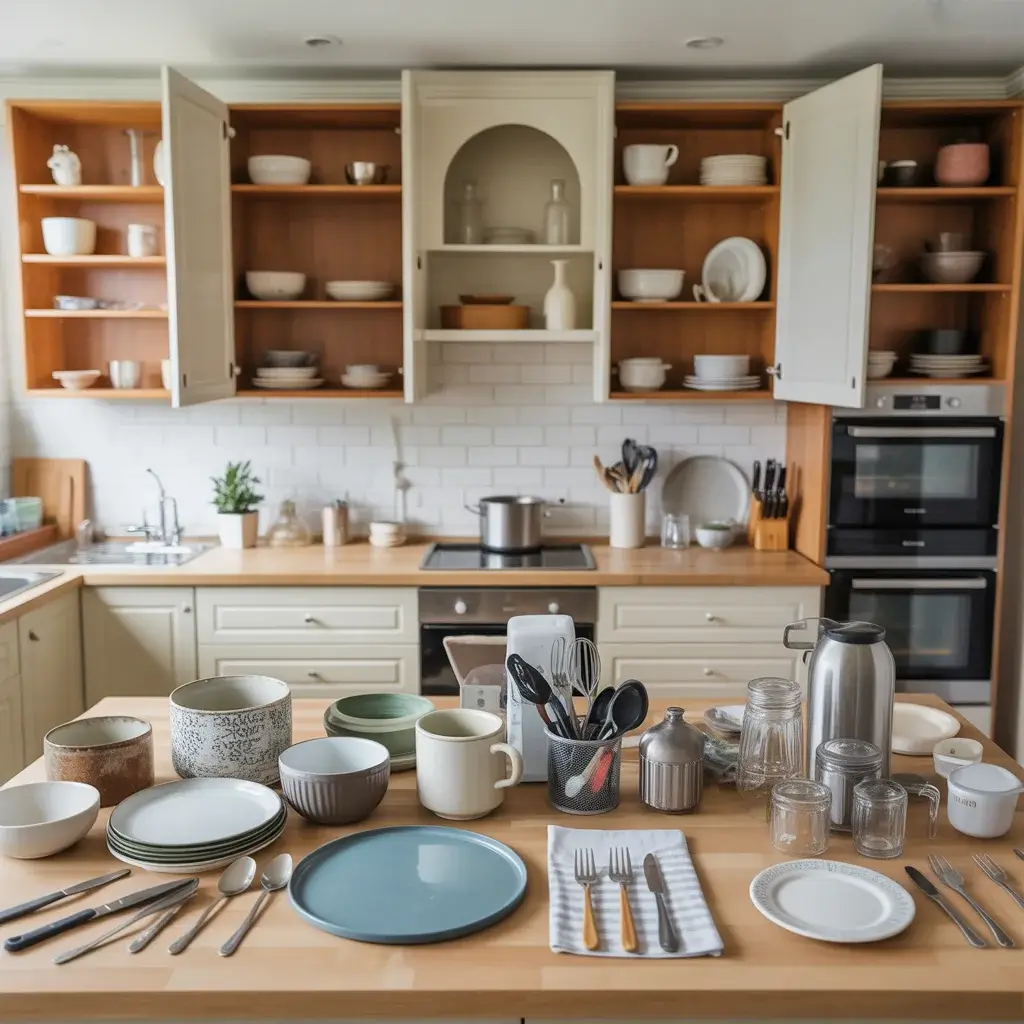
Before diving into any organization project, you need to start with a clean slate. I emptied every single cabinet in my kitchen and sorted items into four categories: keep, donate, trash, and relocate to another room. This crucial first step revealed duplicate items I didn’t know I had, expired spices hiding in the back, and gadgets I hadn’t used in years.
The decluttering process helps you see exactly what storage needs you have. I discovered I owned seven wooden spoons but only used two regularly, and I had three can openers taking up valuable drawer space. Be ruthless during this phase, as every item you keep must earn its place in your kitchen.
Set aside at least half a day for this project and work through one cabinet at a time. Take everything out, wipe down the shelves, and only return items you genuinely use. If you haven’t touched something in six months, it’s probably time to let it go.
Group Similar Items Together for Easy Access
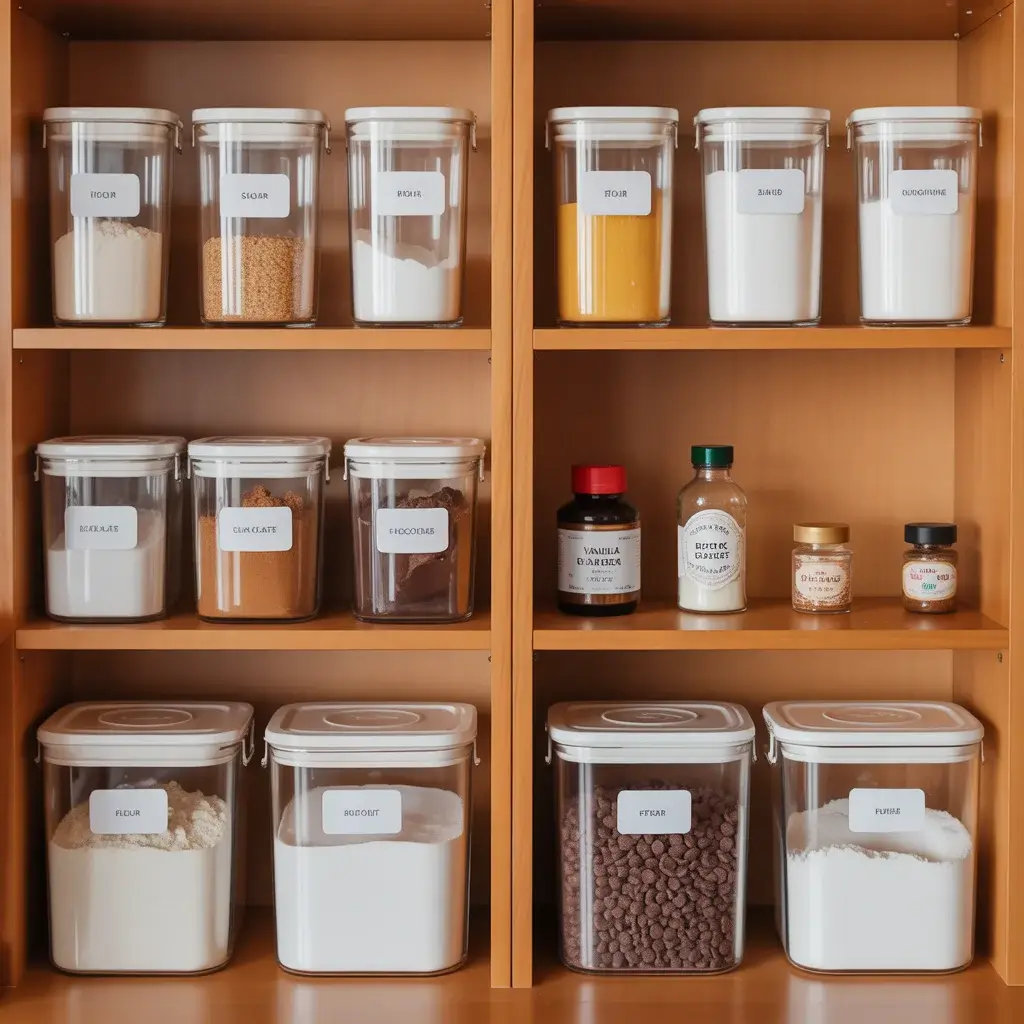
The foundation of kitchen cabinet organization is the zone system. I group all baking supplies, coffee, and tea items in one area, and cooking oils and vinegar in another designated spot. This simple strategy eliminates the frustration of hunting through multiple cabinets for related items.
Your zones should reflect your cooking habits and kitchen workflow. I positioned my everyday dishes near the dishwasher for quick unloading, while special occasion serving pieces went to higher, less accessible cabinets. Think about the natural flow of your kitchen activities when deciding where each category belongs.
Within each zone, further categorize items by frequency of use. Daily essentials should be at eye level and easy to reach, while occasional-use items can go on higher or lower shelves. This hierarchy ensures maximum efficiency during your busiest cooking moments.
Read More: 5 Smart Ways to Use Your Air Fryer for Quick & Healthy Meals
Maximize Vertical Space with Shelf Risers and Stackable Solutions
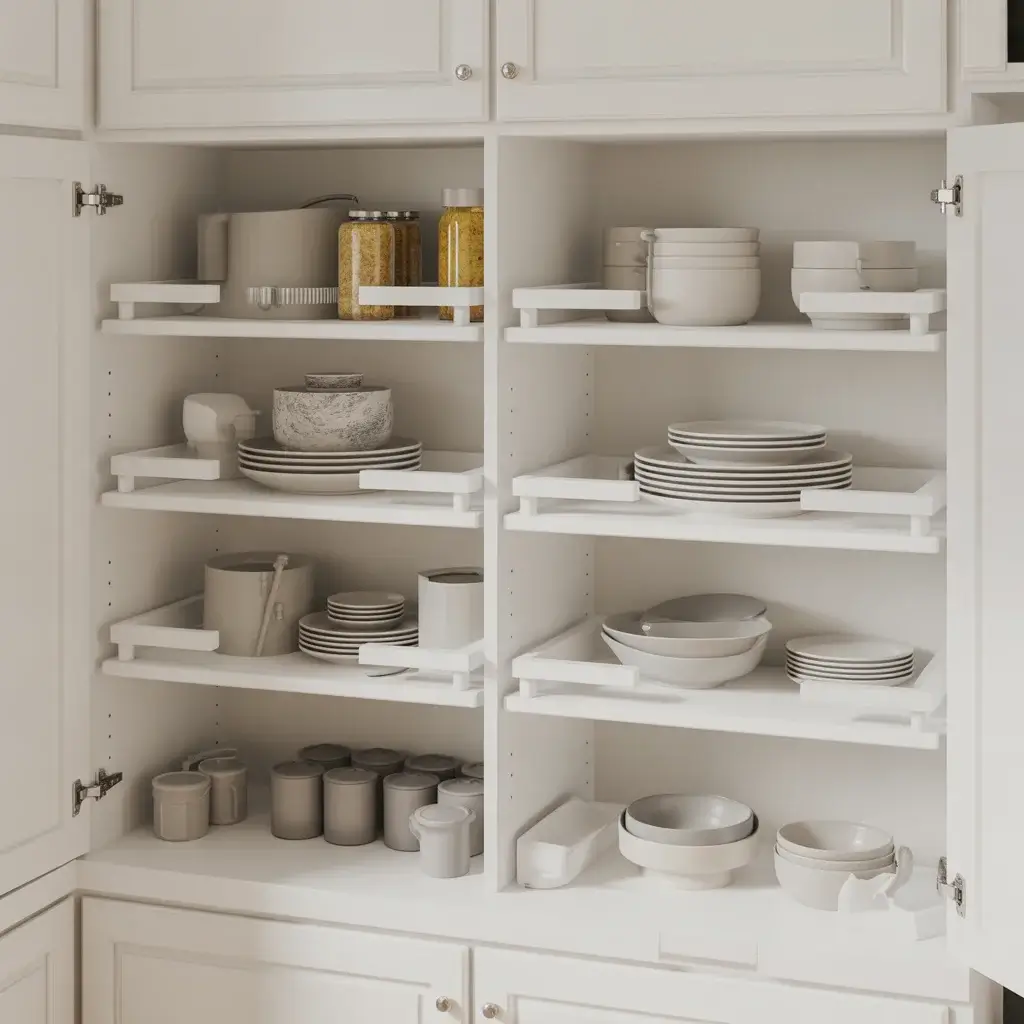
Most kitchen cabinets waste valuable vertical space between shelves. I installed adjustable shelf risers that instantly doubled my storage capacity by creating two levels where there was previously one. These simple additions cost less than twenty dollars but transformed how much I could fit in each cabinet.
Stackable organizers work wonders for items like plates, bowls, and food storage containers. I use wire shelf risers for my dinner plates and separate stackable bins for lids, which previously created chaotic piles. The key is choosing risers with the right height for your specific items.
Don’t forget about the inside of cabinet doors. I attached adhesive hooks to hold measuring spoons, pot holders, and small cutting boards. This often overlooked space provides convenient storage for flat, lightweight items that would otherwise take up shelf room.
Use Clear Containers for Pantry Items and Dry Goods
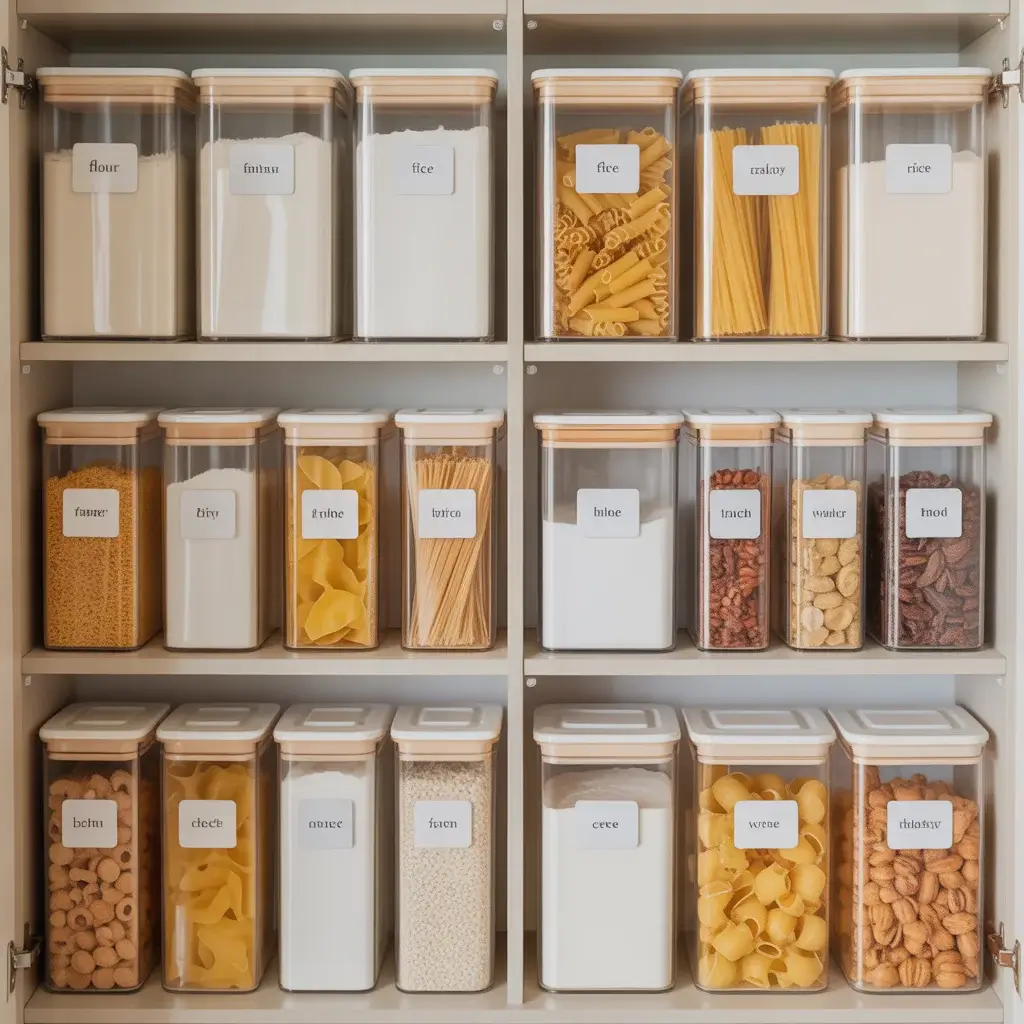
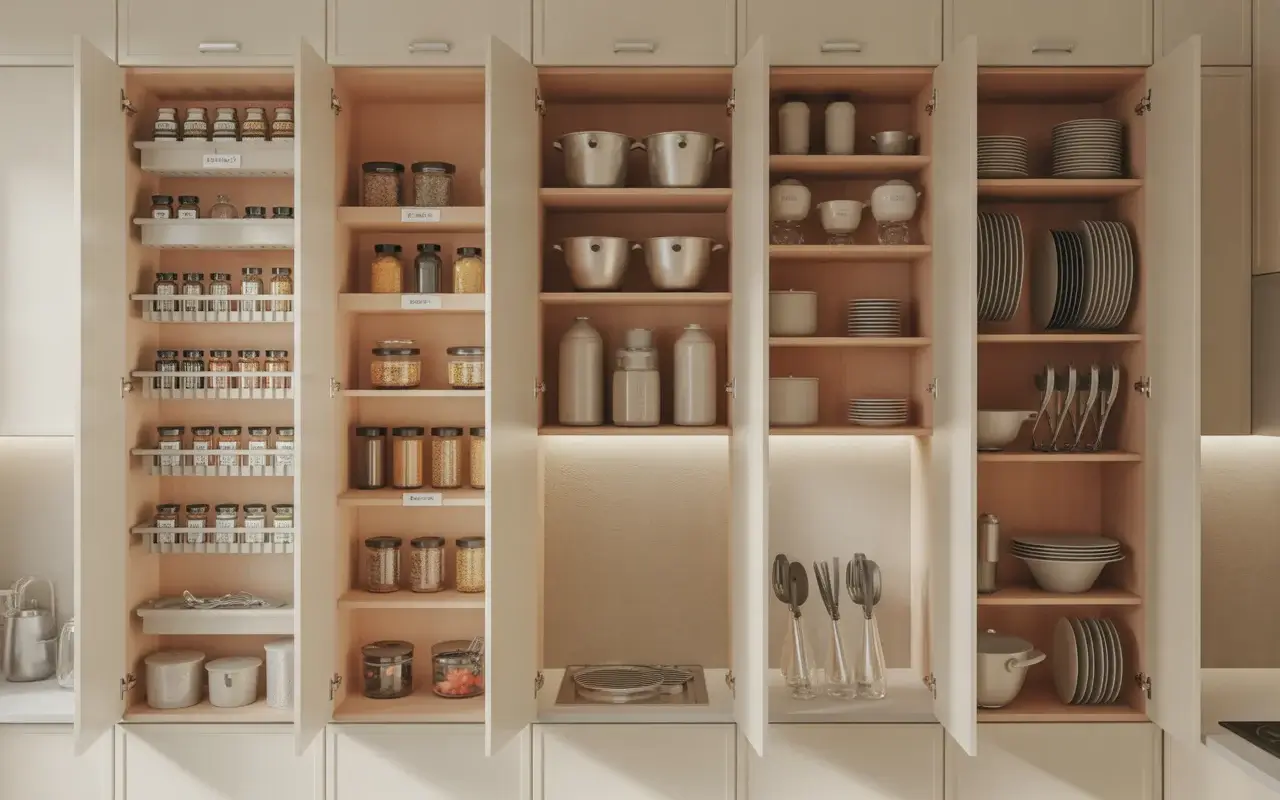
Switching to clear airtight containers was a game changer for my pantry cabinet organization. I can instantly see what ingredients I have, how much is left, and when it’s time to restock. This visibility prevents overbuying and reduces food waste significantly.
I transferred flour, sugar, rice, pasta, cereals, and snacks into uniform containers with labels. The consistent sizing makes stacking easier and creates a visually appealing, cohesive look. Choose containers that fit your cabinet dimensions to maximize every inch of space.
Labeling is essential even with clear containers. I use a label maker to mark each container with the contents and expiration date, ensuring nothing gets forgotten in the back. This system keeps my pantry cabinet functioning like a well-oiled machine.
Organize Lower Cabinets with Pull Out Drawers and Lazy Susans
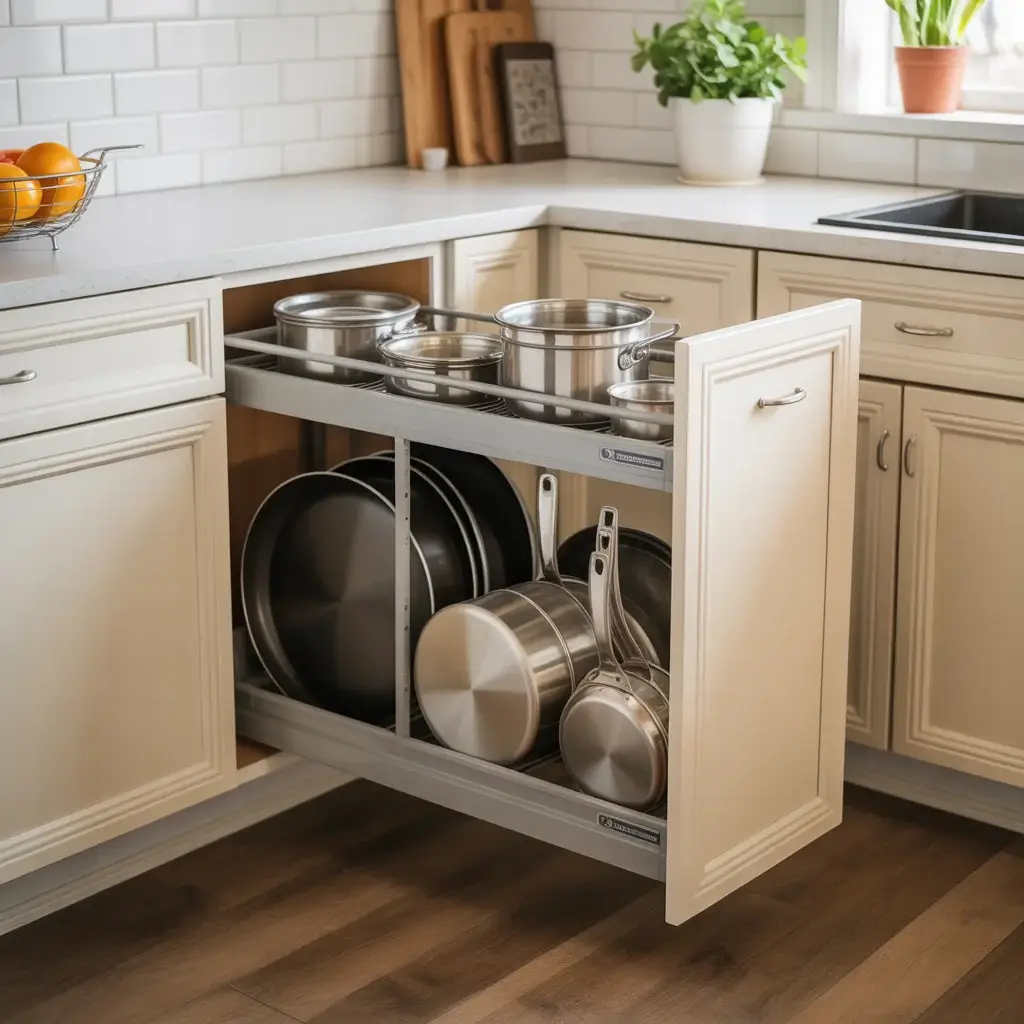
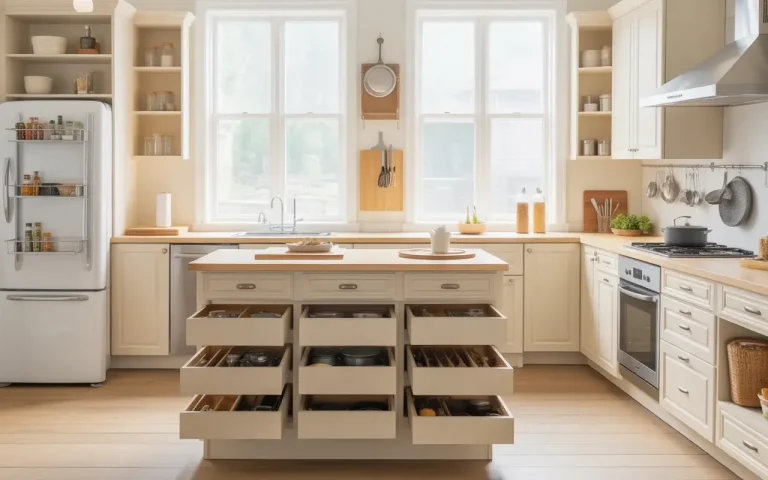
Lower cabinets present unique challenges because items in the back become practically invisible. I installed pull out drawers in my deepest cabinets, which solved the problem of losing pots and pans in the dark corners. These sliding mechanisms bring everything to you rather than requiring awkward bending and reaching.
Lazy Susans revolutionized my corner cabinet storage. I use them for oils, vinegars, and condiments that I need to access regularly. A simple spin brings any item to the front, eliminating the frustration of moving five bottles to reach the one in back.
For pots and pans, I prefer vertical storage using adjustable dividers. Stacking cookware damages nonstick surfaces and creates instability, but storing them on their sides with dividers keeps everything visible and protected. This method also makes grabbing the right pan incredibly quick.
Create a Coffee and Tea Station in Upper Cabinets
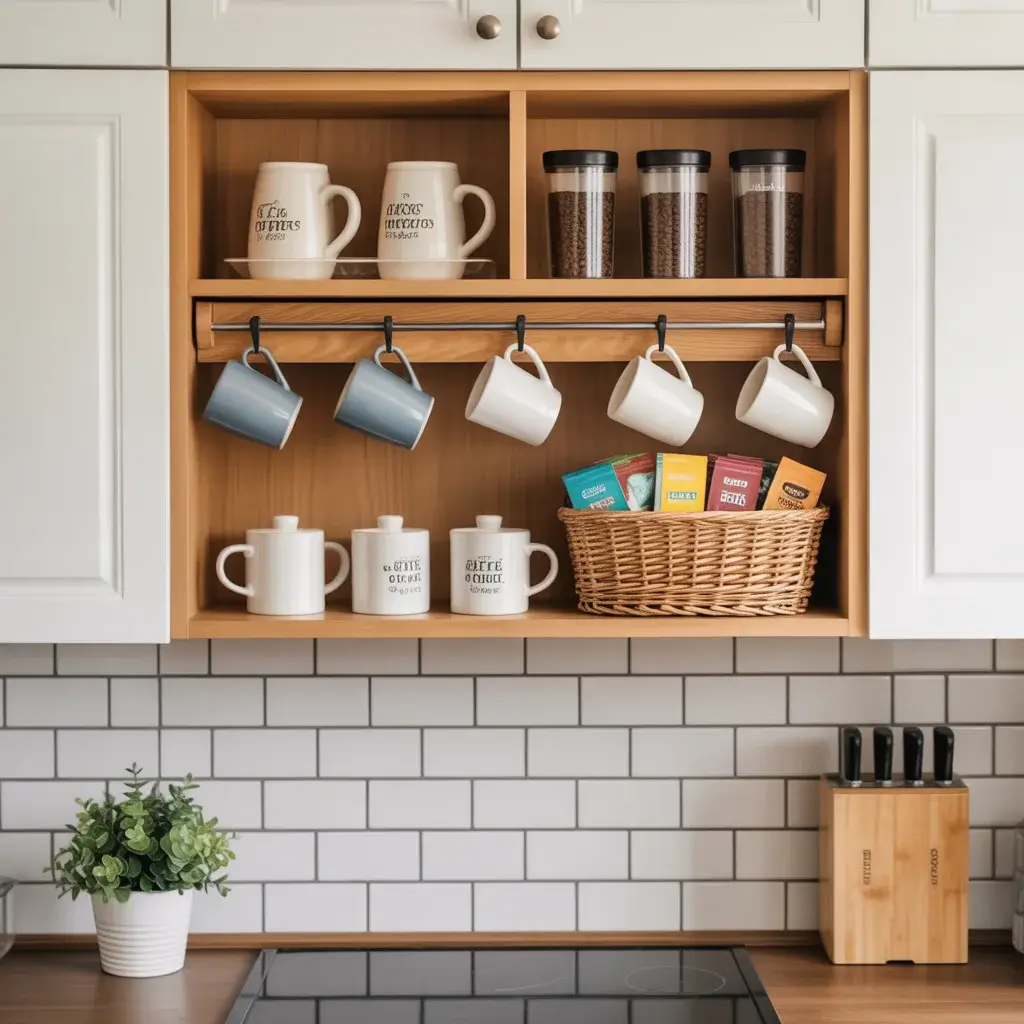
I dedicated one upper cabinet exclusively to my morning beverage routine. This cabinet holds coffee beans, filters, tea bags, mugs, and sweeteners all in one convenient location. Having everything together streamlines my morning ritual and keeps countertops clear.
Mug storage deserves special attention because these items take up considerable space. I installed mug hooks under the cabinet shelf to hang cups, which freed up shelf space for other items. This arrangement also prevents mugs from getting chipped when stacked.
Small appliances like coffee makers live on the counter below this cabinet, creating a complete beverage station. This zone based approach means I never have to walk around the kitchen gathering supplies for my morning coffee, saving precious time during busy weekday mornings.
Smart Spice Cabinet Organization Systems
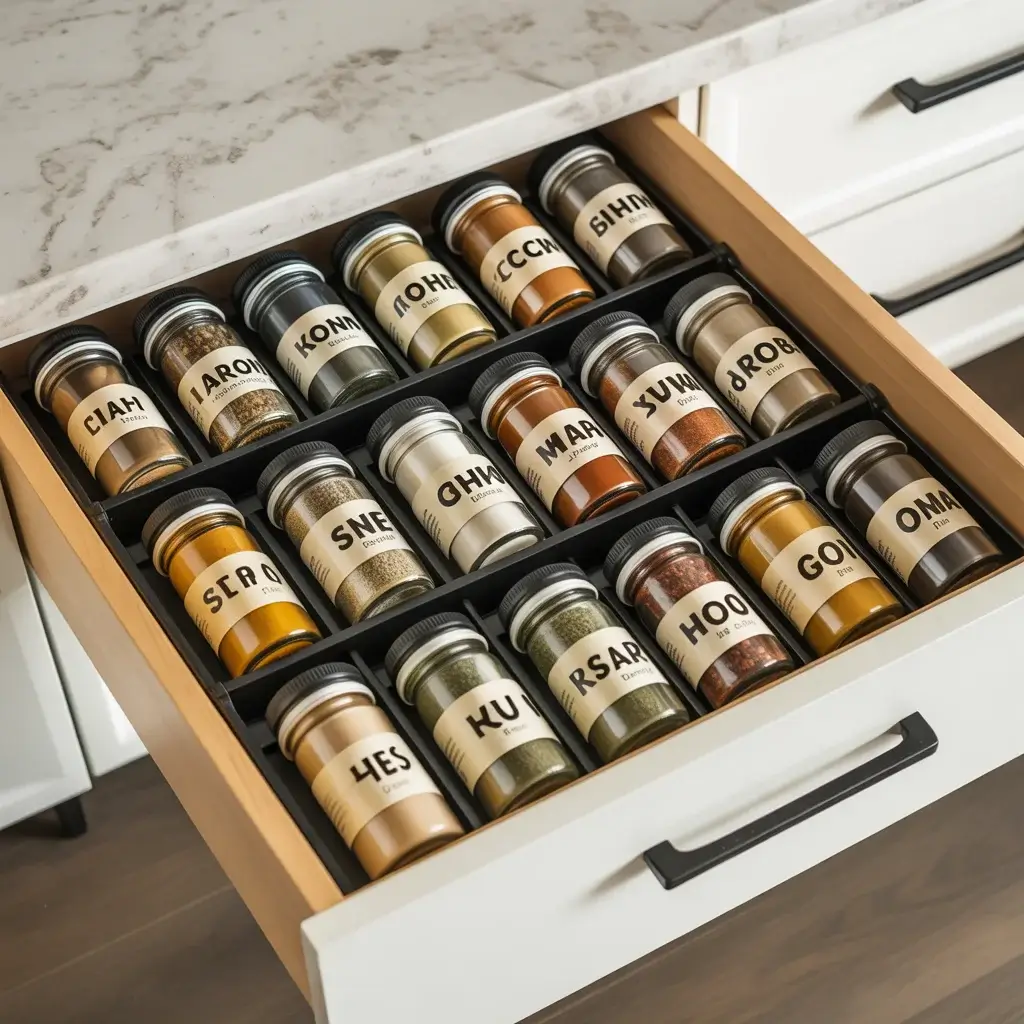
Spice organization can make or break your cooking efficiency. I arranged my spices alphabetically in a drawer using tiered inserts, but if you store spices in a cabinet, tiered shelf risers work beautifully. Being able to see every label at a glance saves time and prevents buying duplicates.
I transferred all spices into matching glass jars with clear labels on top. This uniform system looks professional and makes identification instant. The tops of jars are labeled because that’s the view you have when looking down into a drawer or reaching into a cabinet.
Frequently used spices like salt, pepper, garlic powder, and paprika stay in a small container right by the stove for immediate access. This two tier system keeps everyday seasonings within arm’s reach while maintaining an organized collection of your complete spice inventory.
Food Storage Container Organization Strategy
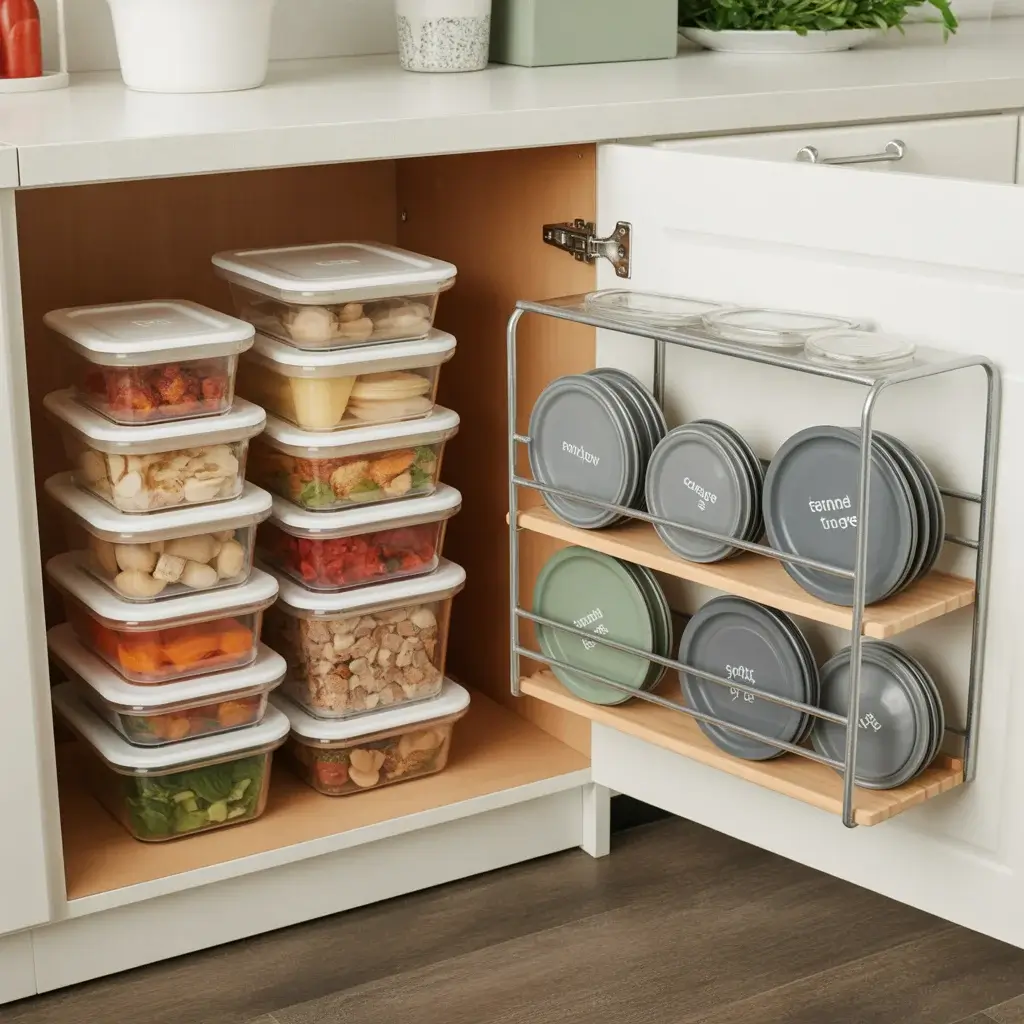
Food storage containers and lids are notorious for creating cabinet chaos. My solution involves storing containers and lids separately in dedicated bins. I keep all containers nested by size in one bin and all lids standing vertically in another divided organizer.
Purging mismatched containers was liberating. I kept only complete sets with matching lids and recycled the rest. This streamlined collection takes up half the space and eliminates the frustration of searching for the right lid.
I positioned this system in a lower cabinet near my food prep area. After packing leftovers, I can quickly return containers to their designated spots, maintaining the organization with minimal effort. The key is making the system so simple that everyone in the household can maintain it.
Organize Baking Supplies for Efficient Meal Prep
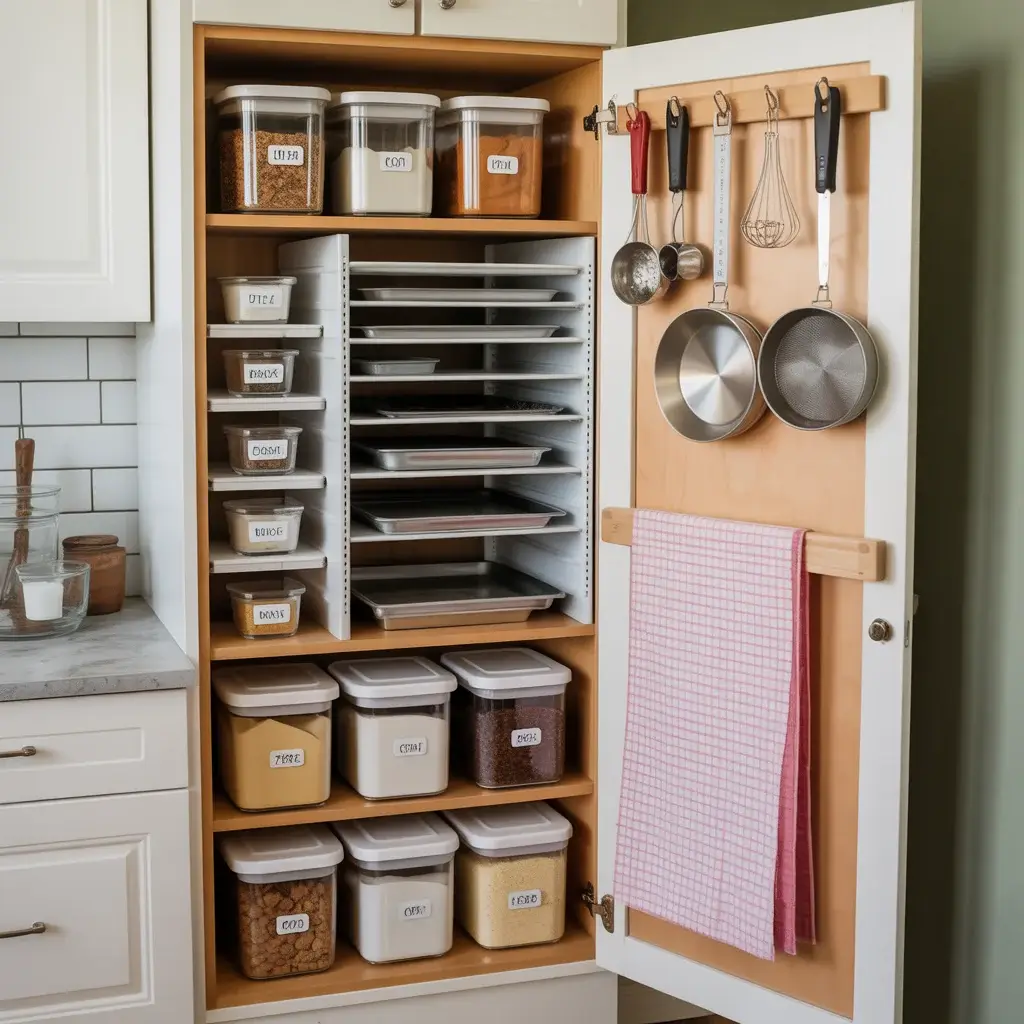
My baking cabinet contains everything needed for desserts and bread making in one location. I use clear containers for flour, sugar, baking powder, and baking soda, while smaller items like vanilla extract, food coloring, and sprinkles live in a labeled bin.
Baking sheets, muffin tins, and cooling racks store vertically using tension rods or file organizers. This prevents the avalanche effect that happens when these items are stacked horizontally. Each piece slides out independently without disturbing the others.
Measuring cups and spoons hang on the inside of the cabinet door using adhesive hooks. This placement keeps them accessible but out of the way, and they’re always right where I need them when starting a baking project.
Plate and Dishware Cabinet Organization
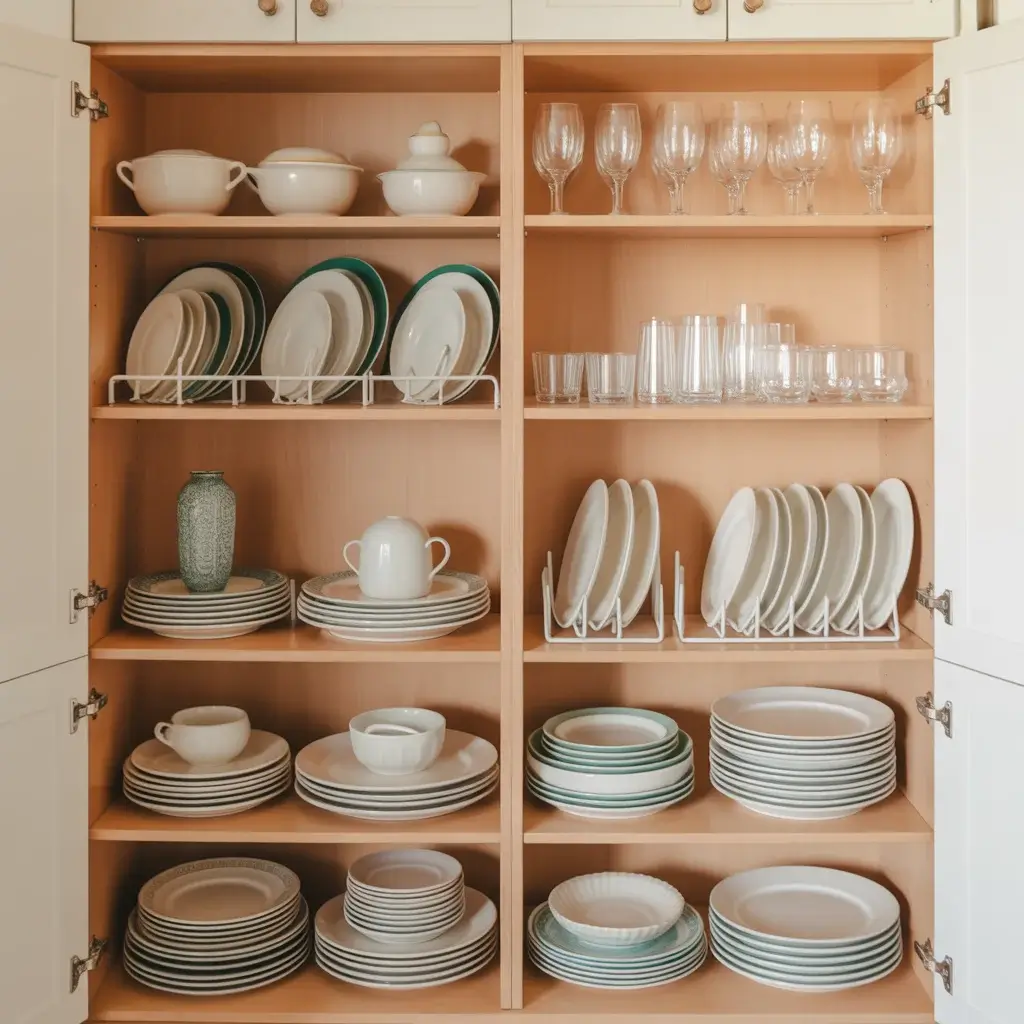
I organize dishes by frequency of use rather than trying to fit everything in one cabinet. Every day, plates, bowls, and glasses occupy prime real estate at eye level near the dishwasher. Special occasion china and serving pieces stay in higher cabinets that require a step stool to access.
Plate stackers and bowl organizers prevent dishes from piling too high, which risks chips and makes grabbing items from the middle of the stack difficult. I limit stacks to six items maximum, using additional organizers to create separate stacks when needed.
Glassware organization follows the same principle. Water glasses and everyday drinkware stay accessible, while wine glasses and specialty barware occupy less convenient spaces. This strategic placement ensures my most-used items are always within easy reach.
Cleaning Supply Cabinet Under the Sink
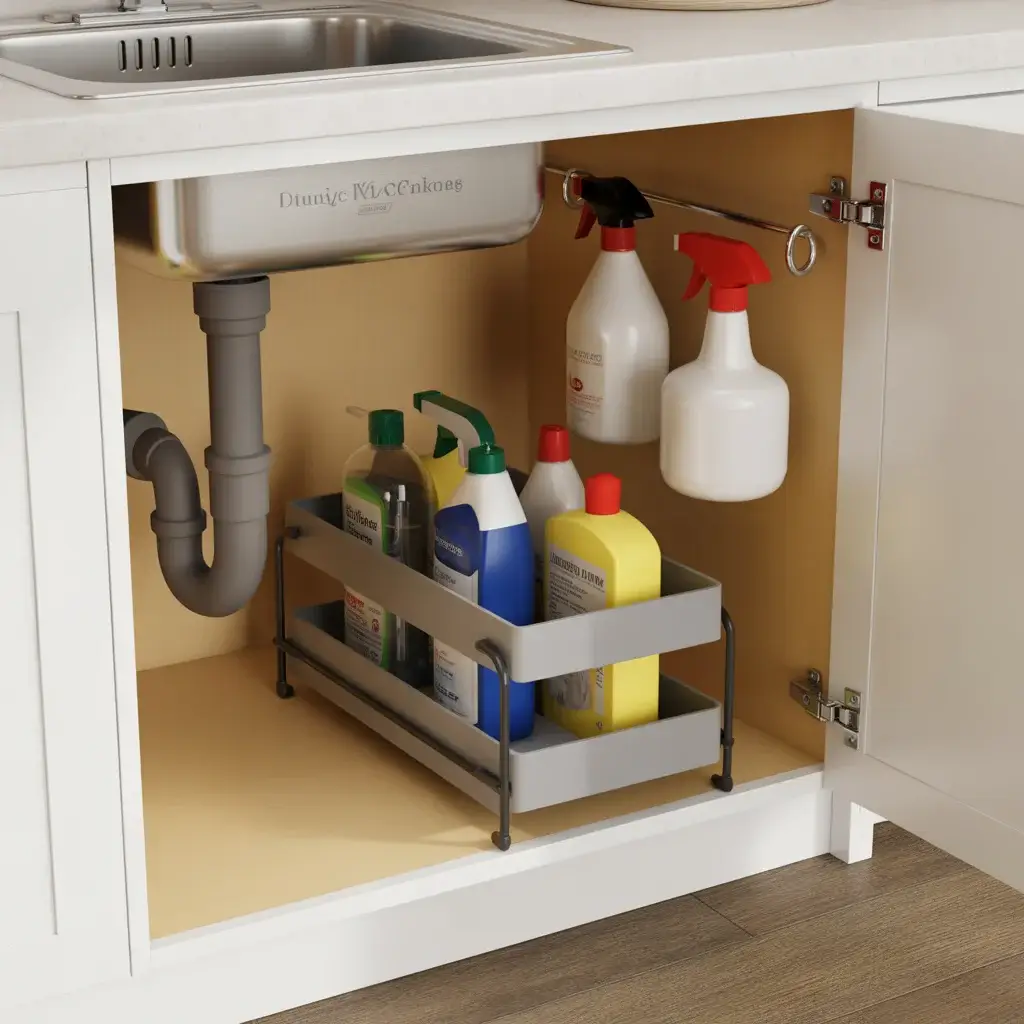
The cabinet under the sink requires special consideration due to plumbing obstacles. I use a two-tier sliding organizer that fits around pipes, maximizing this awkward space. This setup holds dish soap, sponges, trash bags, and cleaning sprays in an accessible arrangement.
I added a tension rod across the cabinet width to hang spray bottles by their triggers. This simple hack keeps bottles upright, prevents leaking, and frees up floor space in the cabinet for other items.
A small caddy holds dishwasher pods, dish soap refills, and scrub brushes. This portable container makes restocking easy and keeps small items from getting lost in the back corners. Everything under my sink now has a specific home and stays organized with minimal maintenance.
Maintain Your Kitchen Cabinet Organization
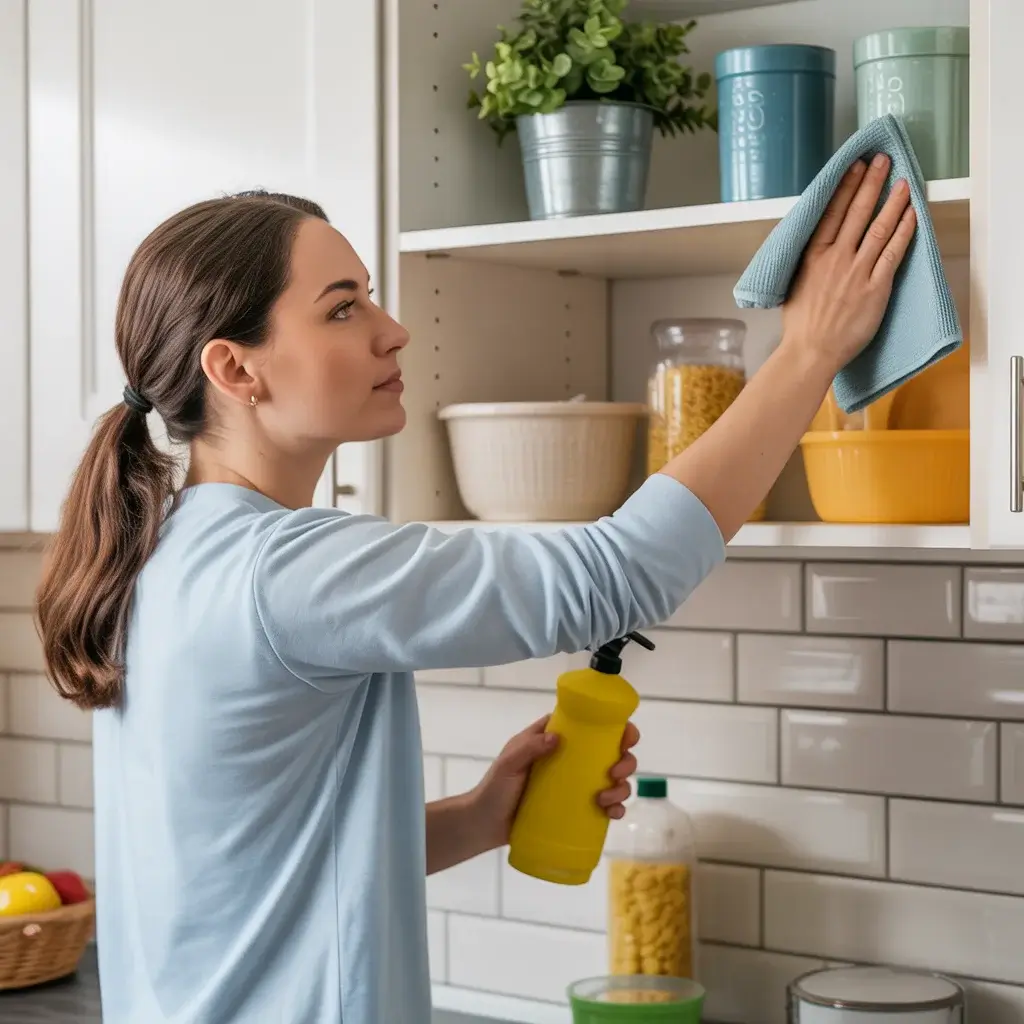
Creating organized cabinets is only half the battle; maintaining them requires consistent habits. I spend five minutes each evening returning items to their designated spots and wiping down shelves as needed. This small investment prevents clutter from accumulating and chaos from returning.
I schedule a quarterly review of each cabinet to reassess what’s working and what needs adjustment. During these sessions, I check expiration dates, remove items I’m no longer using, and reorganize if my cooking habits have changed.
Getting family members on board is crucial for long-term success. I labeled shelves and containers clearly so everyone knows where items belong. Teaching household members the organization system from the start makes maintaining order a shared responsibility rather than one person’s burden.
Conclusion
Organizing every cabinet in your kitchen for maximum efficiency transforms daily cooking from a frustrating chore into an enjoyable experience. By implementing these strategies starting with decluttering, creating zones for similar items, maximizing vertical space, and using the right organizers, you’ll save time, reduce stress, and create a kitchen that truly works for your lifestyle. The investment of time upfront pays dividends every single day when you can find exactly what you need in seconds.
Remember that kitchen organization is personal and should reflect how you actually cook and live. Don’t be afraid to adjust these systems to better suit your specific needs and preferences. The goal isn’t perfection or Pinterest-worthy aesthetics, it’s creating functional storage that makes your life easier.
Ready to transform your kitchen? Start with just one cabinet today and experience the difference organization makes. Browse our other home organization guides for more practical tips that help you create a clutter-free, efficient home you’ll love spending time in.
Frequently Asked Questions
What is the best way to organize kitchen cabinets?
The best way to organize kitchen cabinets is to group similar items together in zones based on how you use them, place frequently used items at eye level, and maximize vertical space with shelf risers and stackable organizers. Start by decluttering completely, then assign each category of items its own designated cabinet area near where you’ll use them most.
How do I maximize space in small kitchen cabinets?
Maximize space in small kitchen cabinets by using shelf risers to create additional levels, installing hooks on the inside of cabinet doors for hanging items, storing items vertically instead of stacking them, and using clear containers that stack efficiently. Remove rarely used items to other storage areas and keep only essentials in your kitchen cabinets.
Should I store pots and pans in upper or lower cabinets?
Store pots and pans in lower cabinets because they are heavy and easier to access from below without risk of dropping them. Use vertical dividers or pull out organizers in lower cabinets to keep pots and pans separated and easily accessible without stacking, which protects cookware and makes selection faster.
How often should I reorganize my kitchen cabinets?
Reorganize your kitchen cabinets quarterly to remove expired items, assess what’s working, and adjust your system based on changing needs. Perform quick daily maintenance by returning items to their designated spots immediately after use, and do a thorough decluttering session annually to keep your organization system functioning efficiently.
What containers are best for pantry cabinet organization?
The best containers for pantry cabinet organization are clear airtight containers with wide openings for easy scooping, flat surfaces for stable stacking, and consistent sizing for efficient use of space. Choose square or rectangular containers rather than round ones to minimize wasted space, and select sizes that match the quantities you typically buy.