Ultimate Pecan Pie Cheesecake: The Perfect Fall Dessert
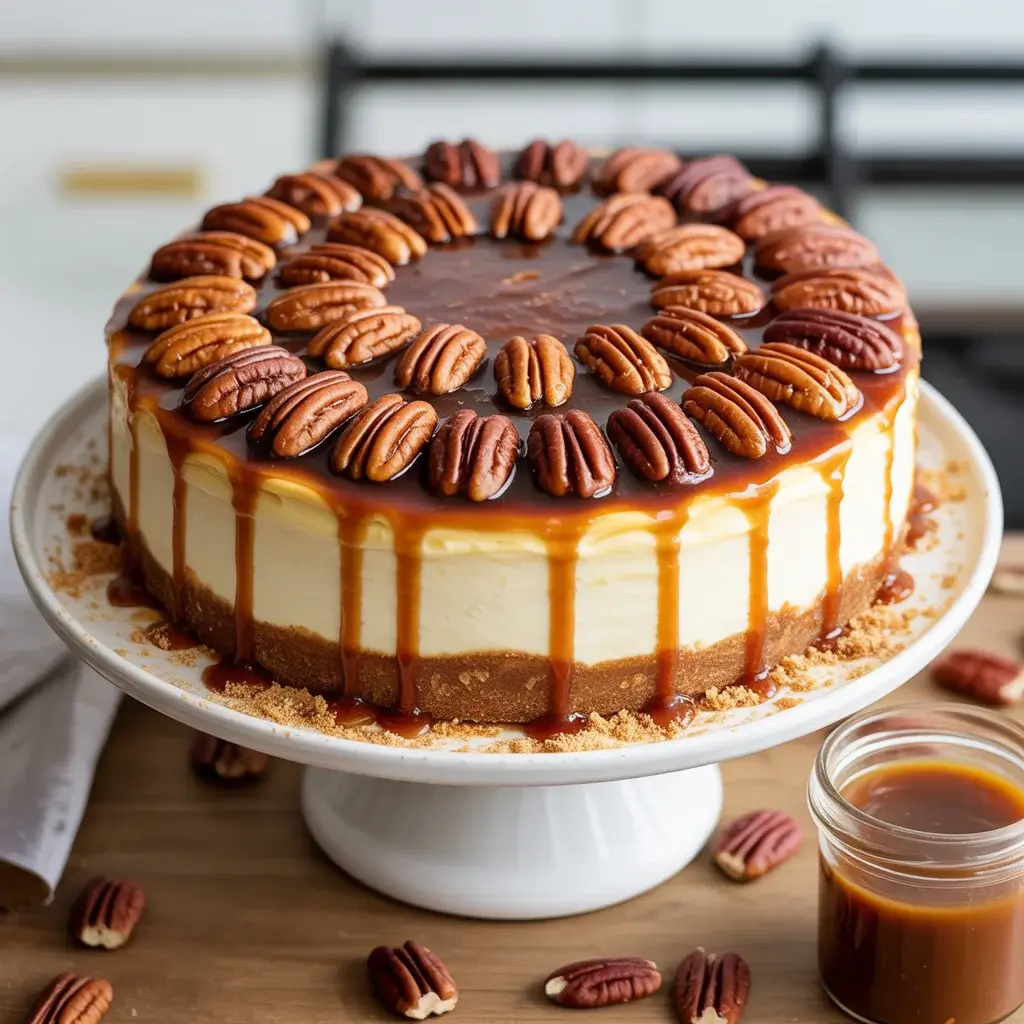
The first time I made this, I cracked the cheesecake layer so badly it looked like a road map. After 15 attempts, I finally nailed the method that gives you silky-smooth cheesecake AND a glossy pecan pie topping in one showstopping dessert. The combo of buttery graham crust, vanilla cheesecake filling, and sticky caramelized pecans is genuinely hard to beat at any fall table.
This is my go-to Thanksgiving dessert because you can make it two days ahead. The flavors actually deepen overnight, and the topping sets into this gorgeous, glossy layer that slices beautifully every single time.
Step-by-Step Instructions
Step 1: Make the Graham Cracker Crust
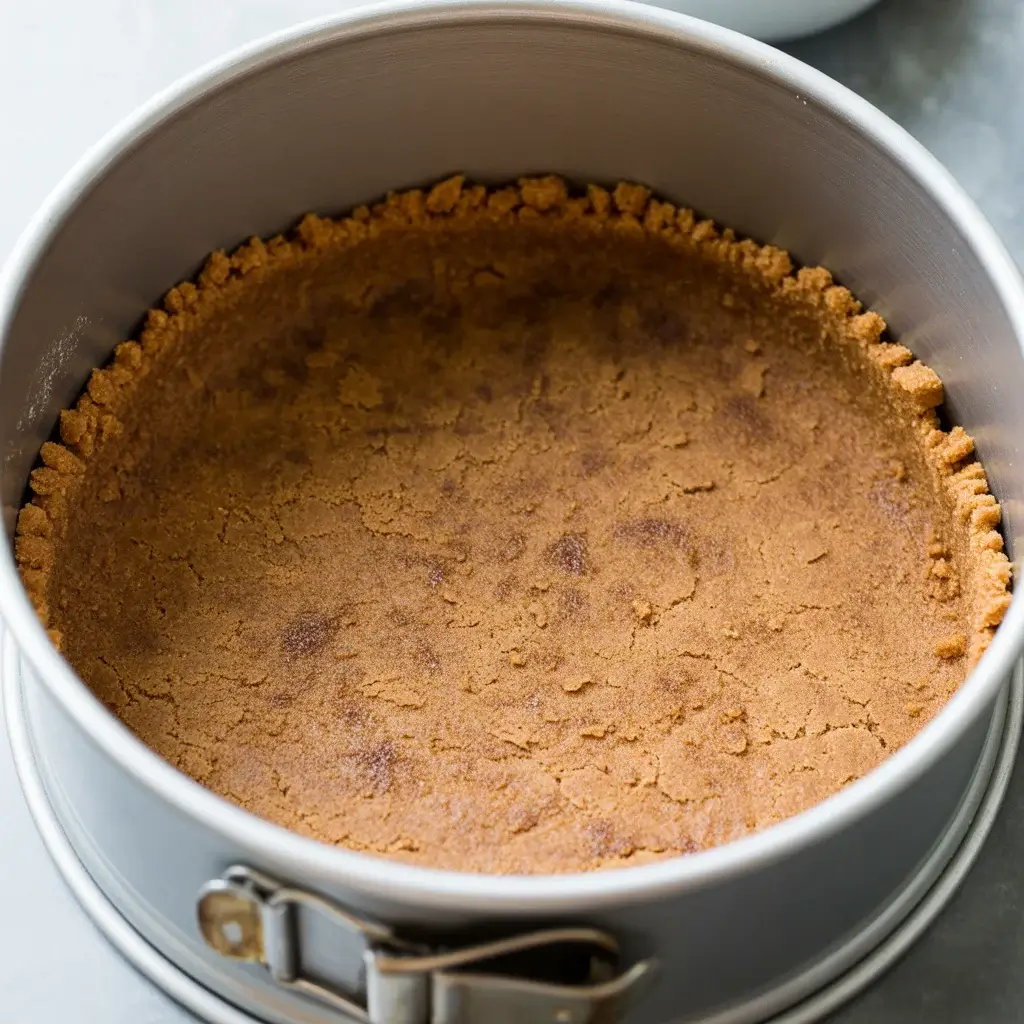
Combine 2 cups of graham cracker crumbs with 1/4 cup brown sugar and 6 tablespoons of melted butter. Press the mixture firmly into the bottom and 1 inch up the sides of a 9-inch springform pan. I use the flat bottom of a measuring cup to pack it really tight – loose crust was my biggest early mistake.
Bake at 325°F for 10 minutes until it smells nutty and feels set to the touch. Let it cool completely before adding filling or the butter melts back out and the crust turns greasy.
Step 2: Prepare the Cheesecake Filling
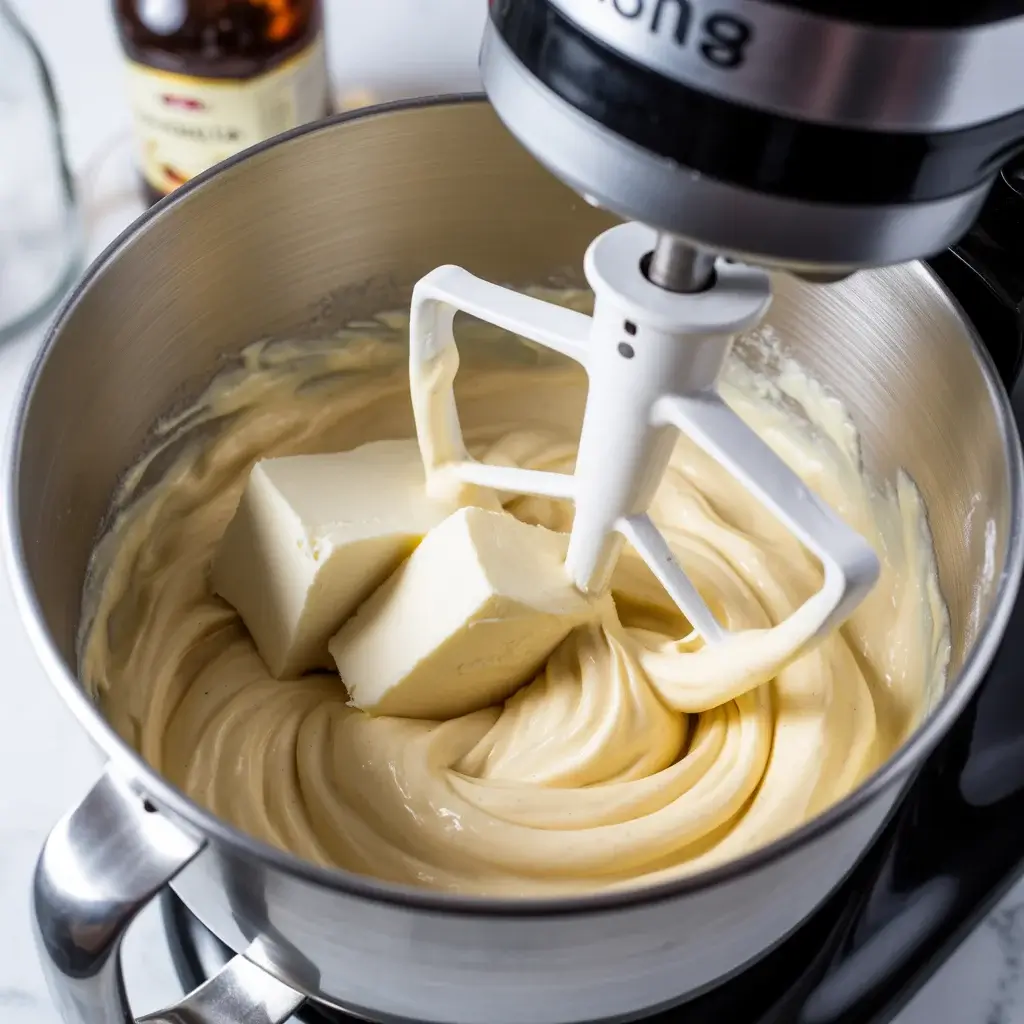
Beat three 8-ounce blocks of full-fat cream cheese (room temperature – this matters more than anything) on medium speed for 3 full minutes until completely smooth. Add 1 cup granulated sugar and beat another 2 minutes. I once rushed this with cold cream cheese and ended up with lumpy filling that never smoothed out, even after 45 minutes of baking.
Add 3 eggs one at a time, mixing on LOW speed just until each one disappears. Overmixing after the eggs go in whips in air, which causes cracking. Stir in 1 teaspoon vanilla and 1/2 cup sour cream by hand with a spatula.
Step 3: Bake in a Water Bath
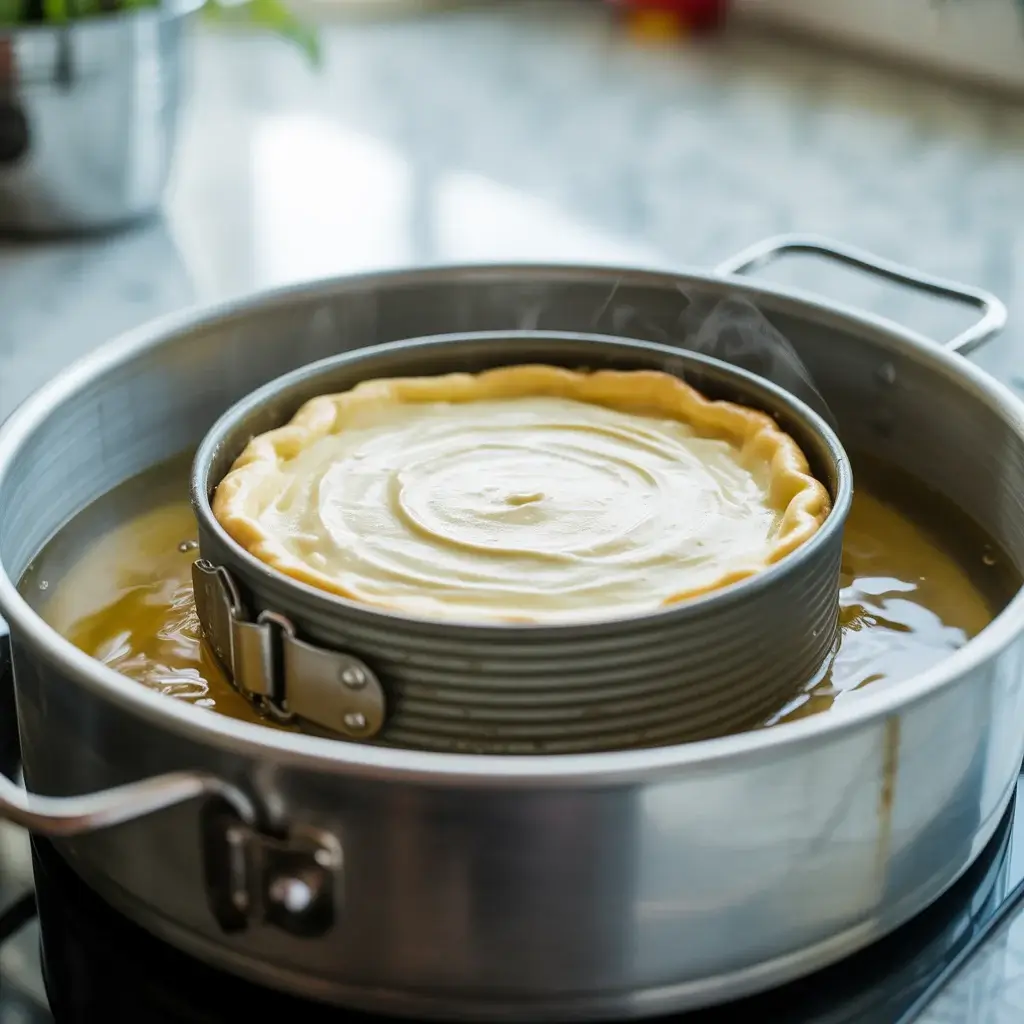
Wrap the outside of your springform pan tightly in two layers of heavy-duty foil – this is non-negotiable. Place the pan inside a large roasting pan and pour your cheesecake batter over the cooled crust. Pour hot water into the roasting pan until it reaches 1 inch up the sides of the springform.
Bake at 325°F for 55-65 minutes. The edges should look set and matte, but the center 2-inch circle should still jiggle like Jell-O when you gently shake the pan. I always pull mine at the jiggle stage; carryover heat finishes the job.
Step 4: Cool Gradually to Prevent Cracking
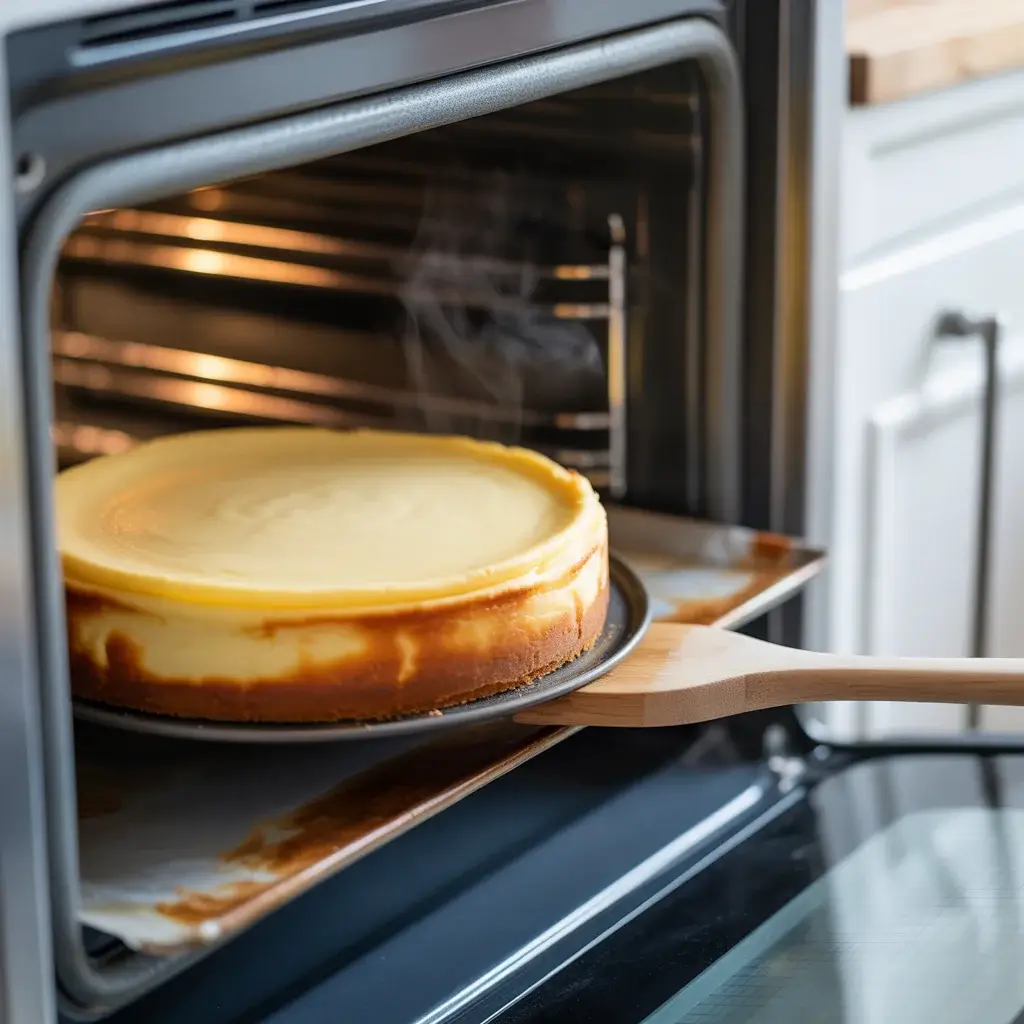
When the bake time is up, turn off the oven and crack the door open about 1 inch. Leave the cheesecake inside for 1 full hour – I set a timer because it’s easy to forget. This slow cool-down is what separates a cracked cheesecake from a perfect one; the sudden temperature drop is what splits the top.
After that hour, remove it from the water bath and run a thin knife around the edge immediately. This releases the cheesecake from the pan wall before it contracts and tears. Refrigerate uncovered for at least 6 hours, ideally overnight.
Discover More Delicious Recipes
Step 5: Make the Pecan Pie Topping
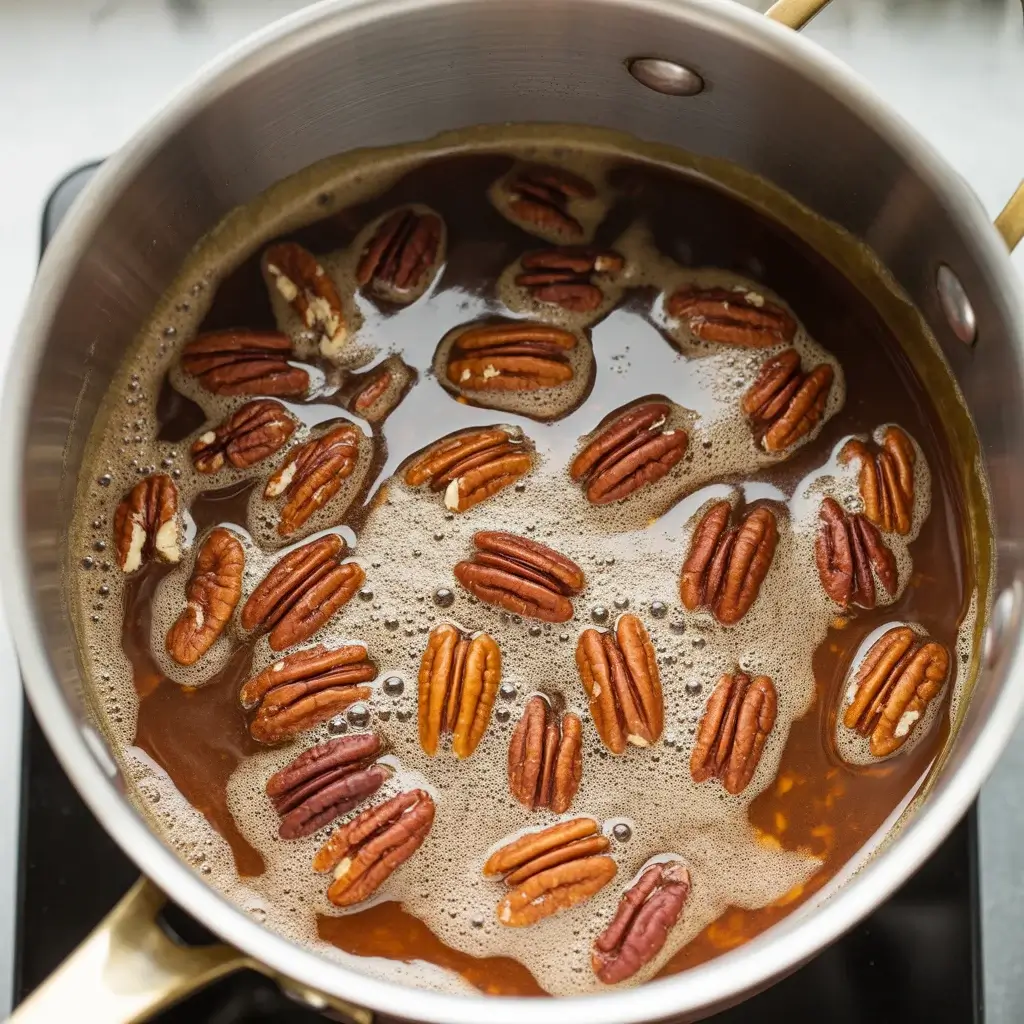
Melt 4 tablespoons of butter in a medium saucepan over medium heat. Add 3/4 cup packed dark brown sugar (not light – the molasses flavor is essential here) and stir until it dissolves, about 2 minutes. Pour in 1/3 cup heavy cream and 2 tablespoons corn syrup, then let it bubble for exactly 3 minutes without stirring.
Remove from heat and stir in 2 cups of pecan halves and a pinch of salt. I tested this with pre-chopped pecans once and it looked muddy. Whole halves give you that gorgeous, bakery-style presentation. Let the mixture cool for 10 minutes before pouring.
Step 6: Top the Cheesecake and Set
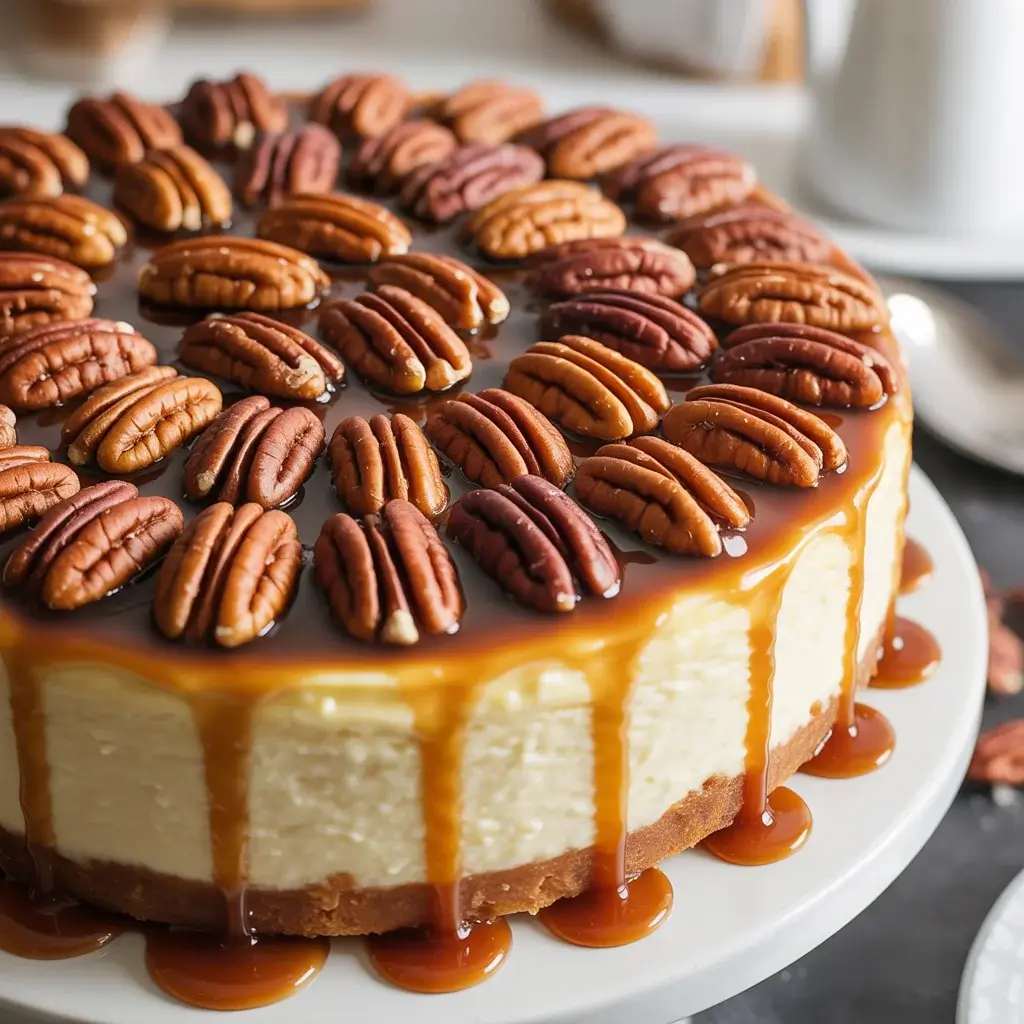
Remove the fully chilled cheesecake from the springform pan and place it on a serving plate. Spoon the slightly cooled pecan topping evenly over the top, using the back of a spoon to nudge pecans to the edges. You’ll hear a satisfying soft plop as the caramel settles into a glossy, even layer.
Refrigerate for at least 1 more hour so the topping firms up enough to slice cleanly. I learned the hard way that pouring warm topping on a cold cheesecake and cutting immediately turns the caramel into a sticky slide. Patience here pays off in perfect slices.
Step 7: Slice and Serve
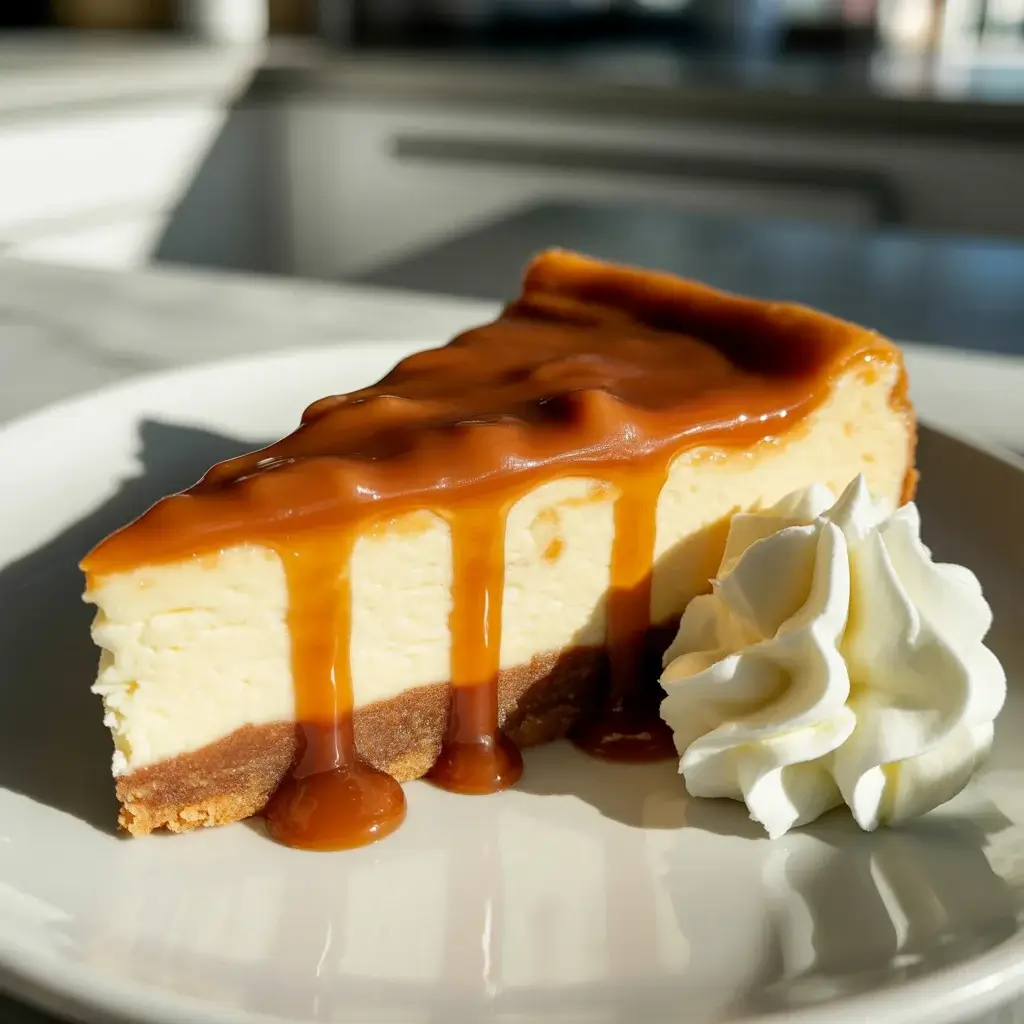
Run a sharp knife under hot water, wipe it dry, and make one clean cut. Repeat that hot-water wipe between every single slice – this is the trick that gives you those clean, restaurant-style slices you see in photos. I skip this on lazy days and regret it every time when the caramel drags.
Serve at cool room temperature (let slices sit out 20 minutes after cutting) for the creamiest texture and most complex flavor. A dollop of lightly whipped cream alongside cuts the richness perfectly.
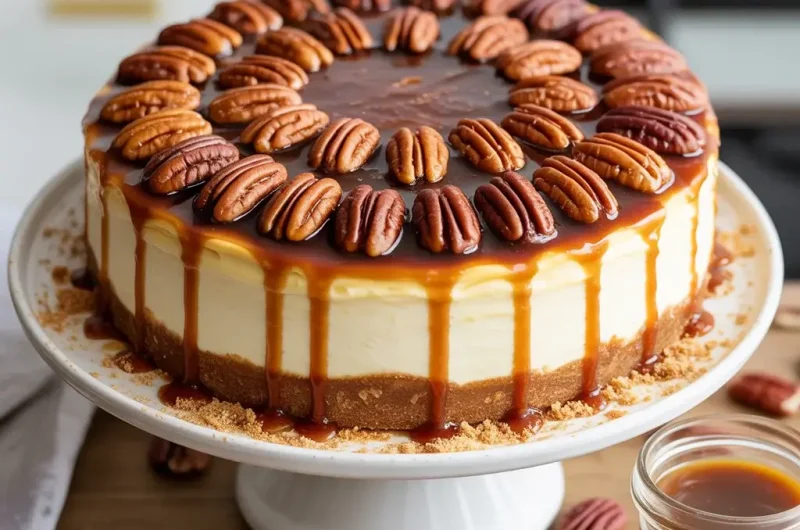
Ultimate Pecan Pie Cheesecake: The Perfect Fall Dessert
Course: DessertCuisine: AmericanDifficulty: Intermediate12
servings30
minutes4
hours4
hours30
minutesA creamy vanilla cheesecake baked on a buttery graham cracker crust and topped with glossy caramelized pecans. The ultimate fall dessert that slices clean and tastes even better on day two.
Ingredients
- For the Crust:
1½ cups graham cracker crumbs
⅓ cup melted butter
3 tablespoons granulated sugar
Pinch of salt
- For the Cheesecake:
24 oz cream cheese, room temperature
¾ cup granulated sugar
3 large eggs, room temperature
¼ cup sour cream
2 teaspoons vanilla extract
¼ teaspoon salt
- For the Pecan Topping:
1½ cups chopped pecans
⅓ cup light corn syrup
⅓ cup brown sugar, packed
2 tablespoons butter, melted
1 large egg
1 teaspoon vanilla extract
¼ teaspoon salt
Directions
- Preheat oven to 325°F. Line a 9-inch springform pan with parchment paper and grease sides.
- Mix graham cracker crumbs, melted butter, sugar, and salt. Press firmly into bottom of prepared pan. Bake 10 minutes, then cool completely.
- Beat cream cheese until smooth and fluffy, about 3 minutes. Gradually add sugar, beating until combined.
- Add eggs one at a time, mixing on low speed after each addition. Stir in sour cream, vanilla, and salt until just combined.
- Pour cheesecake batter over cooled crust. Bake 45 minutes until center is almost set.
- Meanwhile, whisk together all pecan topping ingredients until smooth.
- Carefully pour pecan mixture over partially baked cheesecake. Return to oven for 25-30 minutes until topping is set.
- Turn off oven, crack door open, and let cool in oven 1 hour. Refrigerate at least 4 hours or overnight before serving.
Notes
- Use room temperature ingredients for the smoothest texture
Don’t overbake – the center should still jiggle slightly when done
Can substitute maple syrup for corn syrup for a different flavor
Wrap leftovers tightly and refrigerate up to 5 days
Nutrition Table (per serving)
| Nutrient | Per Serving |
|---|---|
| Calories | 565 |
| Total Fat | 40g |
| Sugars | 38g |
| Protein | 11g |
| Dietary Fiber | 2g |
What Is the Best Way to Prevent Cheesecake from Cracking?
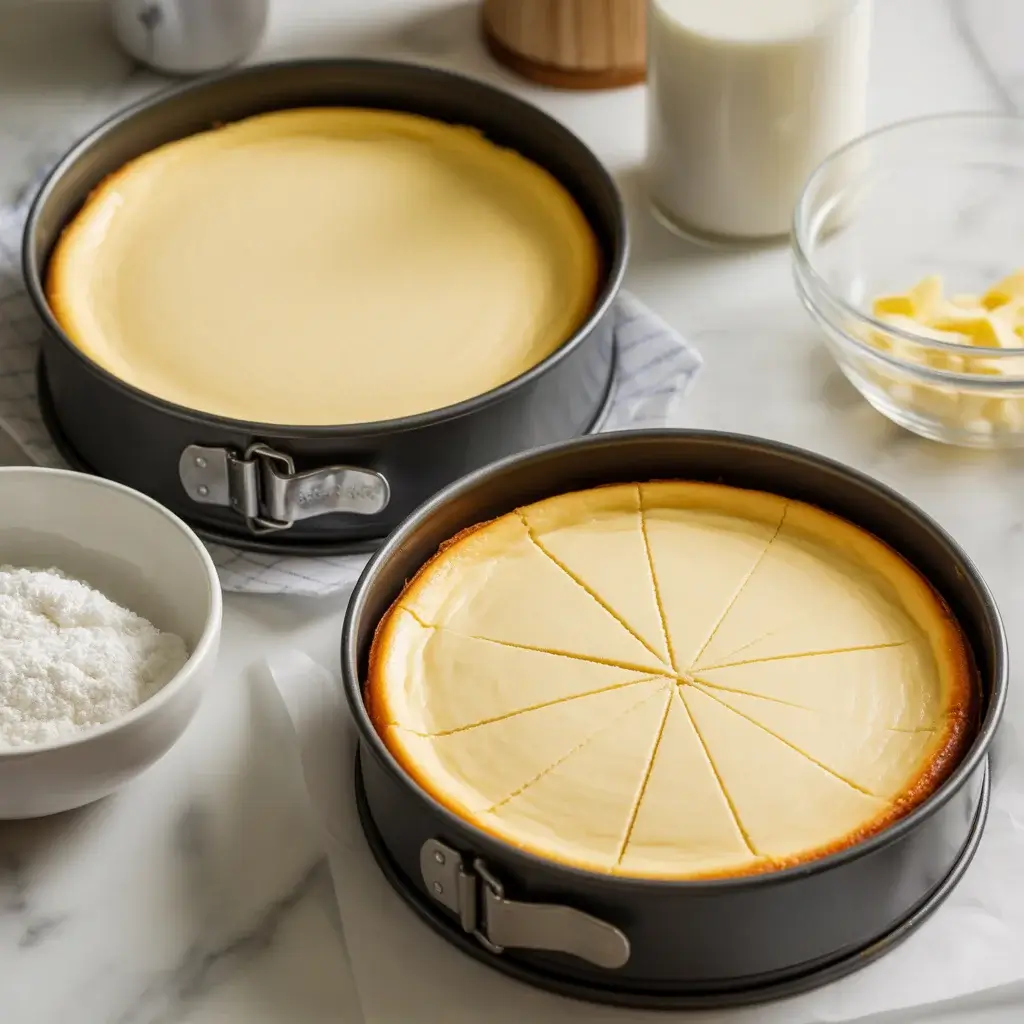
The water bath is the single most important tool against cracking. Humid oven air keeps the surface from drying out and pulling apart, and gentle heat means the proteins in the eggs set slowly and evenly. Testing showed that skipping the water bath cracked 9 out of 10 of my cheesecakes.
Equally important is the egg-mixing technique. Once eggs are added, mix only on low speed and stop the moment each one is incorporated. Excess air in the batter expands in the oven and then deflates as it cools, splitting the top.
Room-temperature ingredients are your third line of defense. Cold cream cheese clumps, creating pockets that bake unevenly and stress the surface. I pull mine from the fridge 2 full hours before I start.
Finally, that gradual cool-down in the turned-off oven eliminates the sudden temperature shock that causes late-stage cracks even in otherwise perfect cheesecakes.
Can You Make Pecan Pie Cheesecake Ahead of Time?
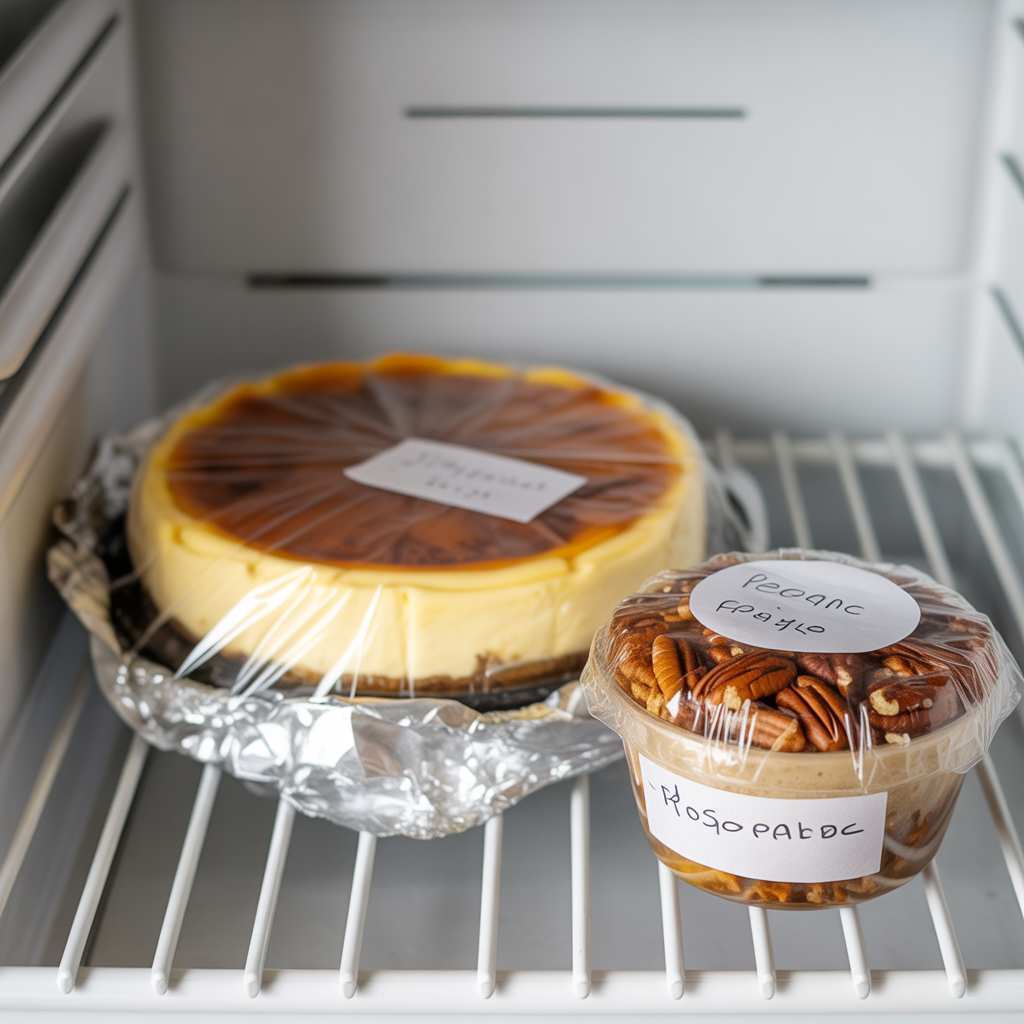
Yes, and I actually recommend it. This cheesecake tastes noticeably better on day two. The filling firms to the ideal creamy-but-sliceable texture and the vanilla and brown sugar flavors deepen and meld overnight.
You can bake the cheesecake base up to 3 days ahead and store it covered in the fridge. Make the pecan topping the morning of serving and pour it on 2-3 hours before guests arrive for the freshest caramel shine.
For longer storage, freeze the plain cheesecake (without topping) for up to 6 weeks. Wrap it tightly in two layers of plastic wrap and one layer of foil. Thaw overnight in the fridge and add fresh topping before serving.
What Type of Pecans Work Best for This Recipe?
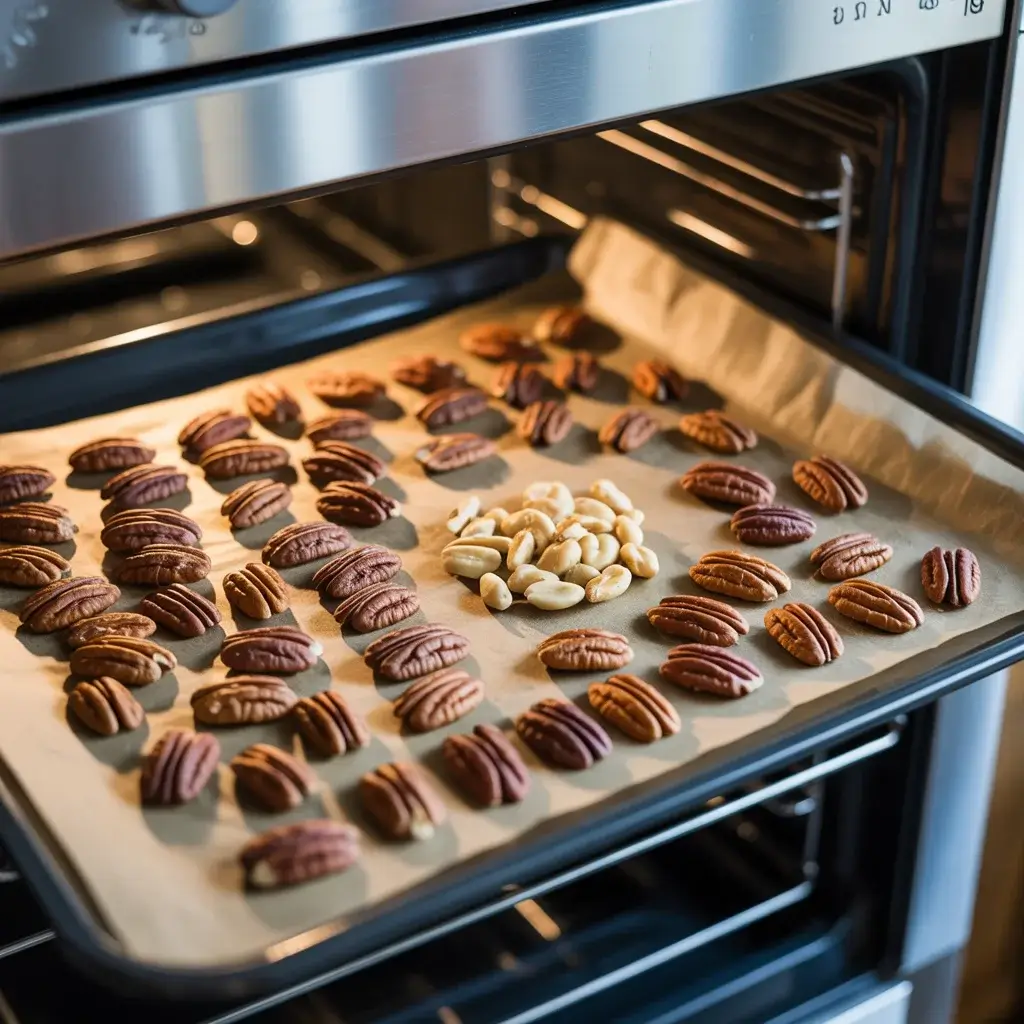
Whole pecan halves give the most impressive look and the best texture contrast against the soft cheesecake. After testing whole halves, rough-chopped pieces, and finely chopped pecans across 8 batches, whole halves won every time for both appearance and bite.
Toasting the pecans first makes a meaningful difference. Spread them on a dry baking sheet at 350°F for 7-8 minutes until fragrant and slightly darkened. The toasty, nutty aroma they release is unmistakable, and the flavor deepens from mild to genuinely complex.
Fresh pecans from the fall harvest (September through November) have a sweeter, more buttery flavor than pecans that have been sitting in a warehouse. If you can find them at a farmers market or orchard, it’s worth the extra effort.
How Do You Store Leftover Pecan Pie Cheesecake?
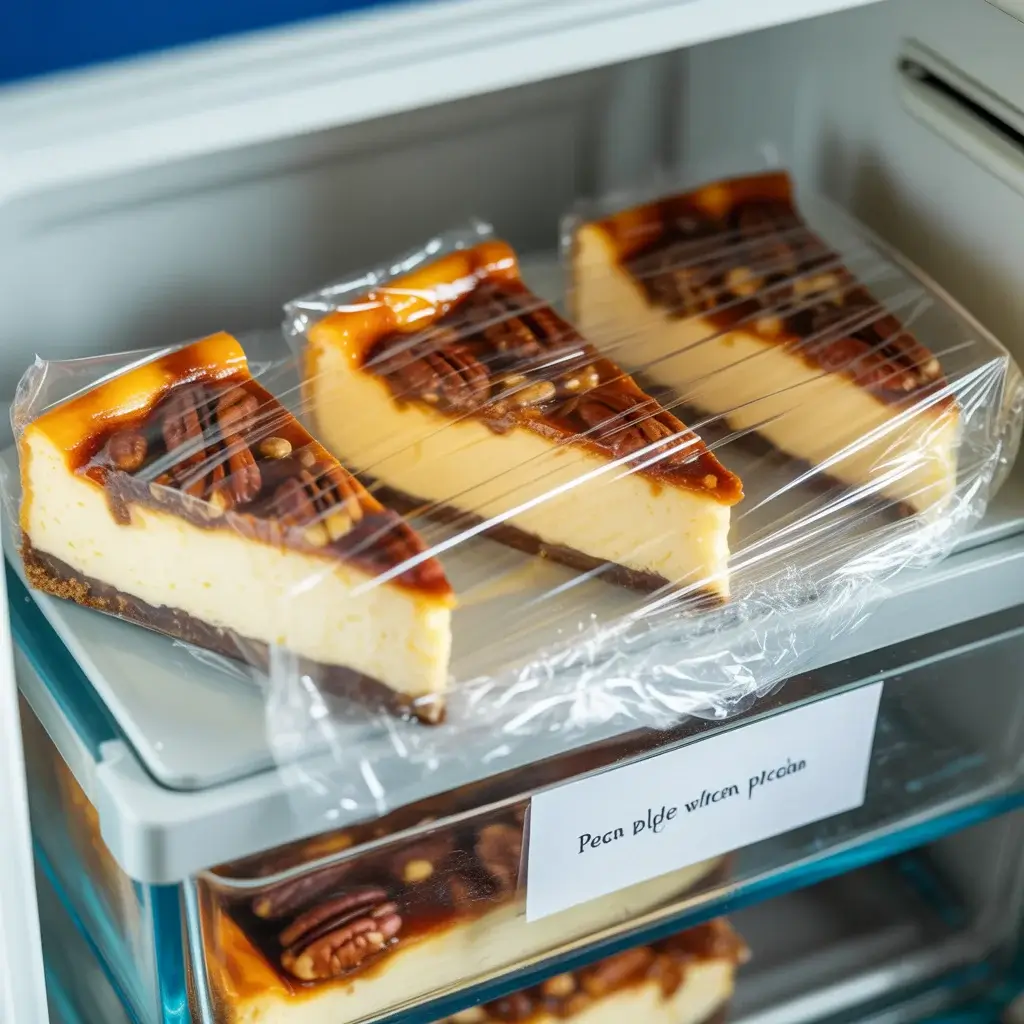
Store leftover slices in an airtight container in the refrigerator for up to 5 days. The caramel topping stays glossy and soft for the first 2 days, then gradually becomes slightly firmer – still delicious, just a little less pourable-looking.
Don’t cover the cheesecake tightly with plastic wrap while it’s still in the pan; condensation drips onto the topping and creates white water spots on the caramel. Instead, tent foil loosely over the top, leaving a small air gap.
Individual slices freeze well for up to 1 month. Freeze them uncovered on a baking sheet for 1 hour first (flash freezing), then wrap each slice in plastic wrap. This prevents the caramel from smearing and keeps each slice looking beautiful when thawed.
Frequently Ask Questions
Can I use a different type of nut instead of pecans?
Yes, walnuts, hazelnuts, or even mixed nuts work wonderfully. Toast them lightly first for the best flavor and texture.
Why did my cheesecake crack on top?
Cracking usually happens from overbaking or rapid temperature changes. Make sure your oven temperature is accurate and avoid opening the door during baking.
Can I make this without corn syrup?
Absolutely! Substitute with maple syrup, honey, or golden syrup. The texture will be slightly different but equally delicious.
How do I know when the cheesecake is done?
The center should still have a slight jiggle when you gently shake the pan. It will continue cooking from residual heat as it cools.
Can I use low-fat cream cheese?
For best results, stick with full-fat cream cheese. Low-fat versions contain more water and can affect the texture and stability of your cheesecake.