Lemon Ricotta Orange Cake
The first time I made this lemon ricotta orange cake, I pulled it out of the oven thinking it looked too pale to be done. I almost put it back in for another 10 minutes. That would’ve been a mistake. It was already perfectly set inside, with that signature dense-yet-tender crumb that only ricotta can give.
What makes this cake different is the double citrus layer. Fresh lemon zest and orange zest work together to create a bright, layered flavor you just don’t get from extract alone. It comes together in one bowl, no mixer required, and slices beautifully every single time.
Step-by-Step Instructions
Step 1: Zest and Prep Your Citrus
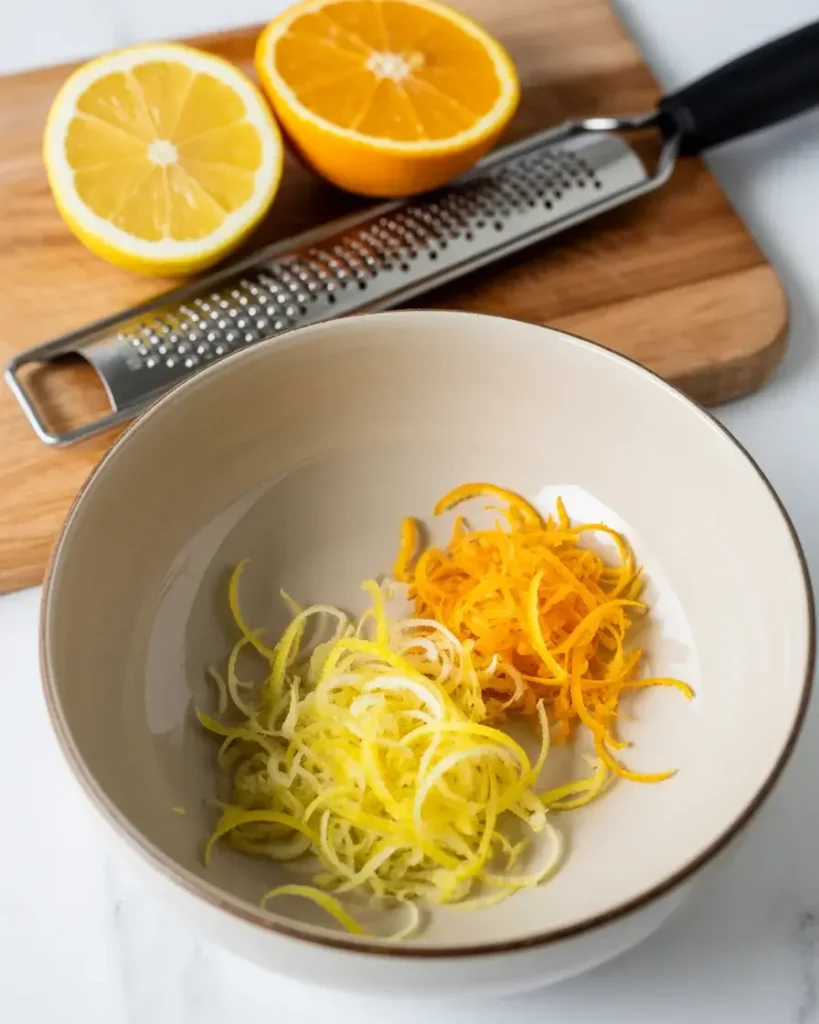
Start by zesting one large lemon and one medium orange directly into your mixing bowl. I tested this with both microplane and box grater zesting, and the microplane wins every time. It releases the essential oils without the bitter white pith.
Squeeze 2 tablespoons of fresh lemon juice and set it aside. You’ll add that later. I learned the hard way that adding it too early affects how the ricotta incorporates.
Step 2: Whisk the Wet Ingredients
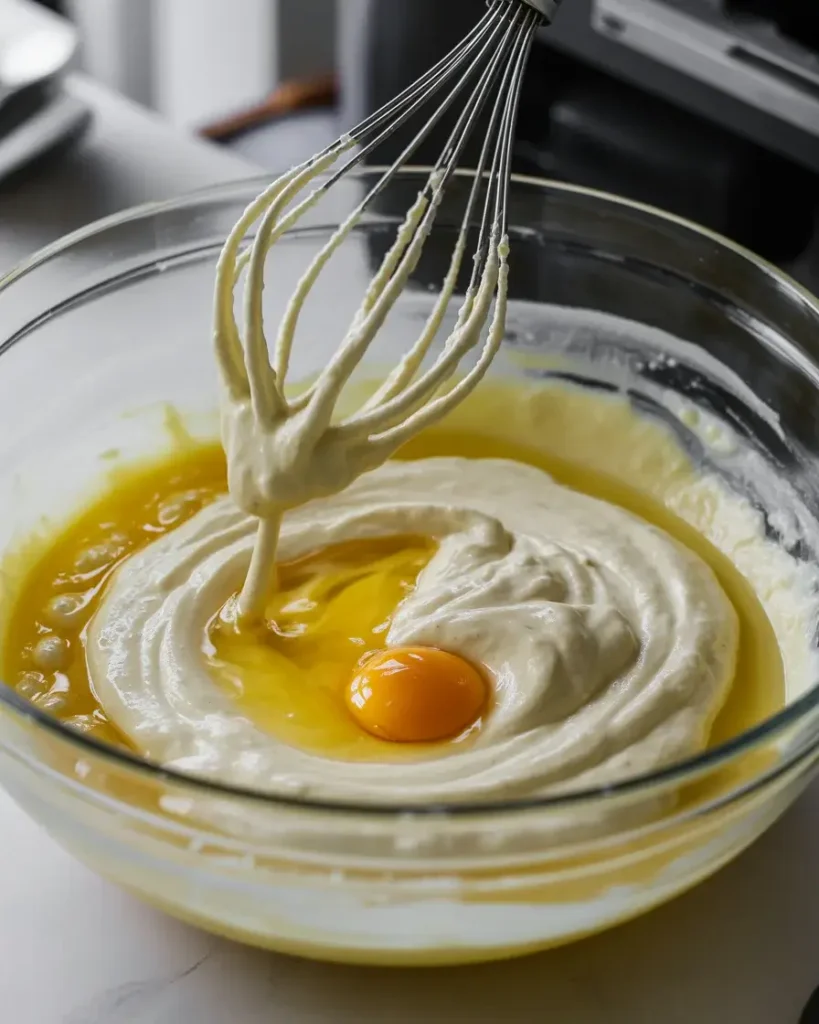
Add 1 cup whole-milk ricotta, 3 large eggs, 1/2 cup melted butter (cooled slightly), and 1 teaspoon vanilla extract to the zest in the bowl. Whisk everything together for about 90 seconds until smooth and creamy.
The ricotta should fully blend in with no visible lumps. If you see streaks, give it another 30 seconds. In my testing, full-fat ricotta consistently produced a moister, more flavorful crumb than part-skim.
Step 3: Combine the Dry Ingredients
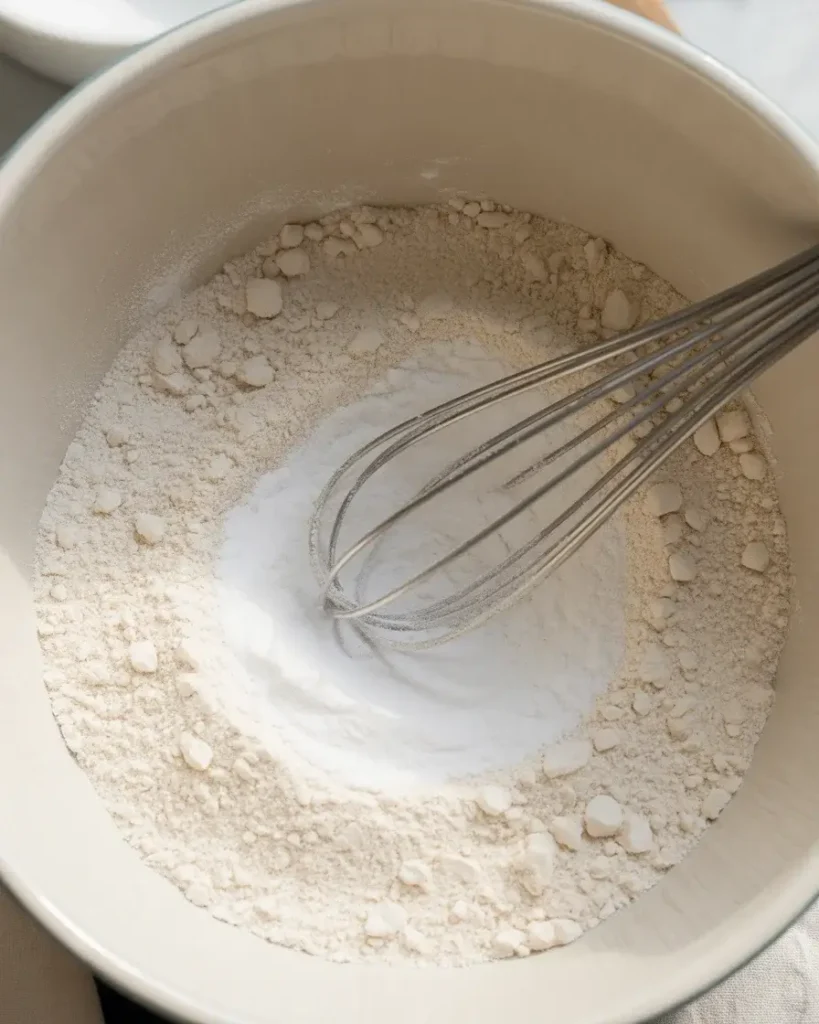
In a separate bowl, whisk together 1 1/2 cups all-purpose flour, 1 cup granulated sugar, 2 teaspoons baking powder, and 1/2 teaspoon salt. Make sure the baking powder is evenly distributed throughout the flour before you add anything else.
I once skipped this pre-mixing step and ended up with a dense, uneven rise on one side. Two minutes of whisking the dry ingredients separately completely solved that problem.
Step 4: Fold Together and Add Lemon Juice
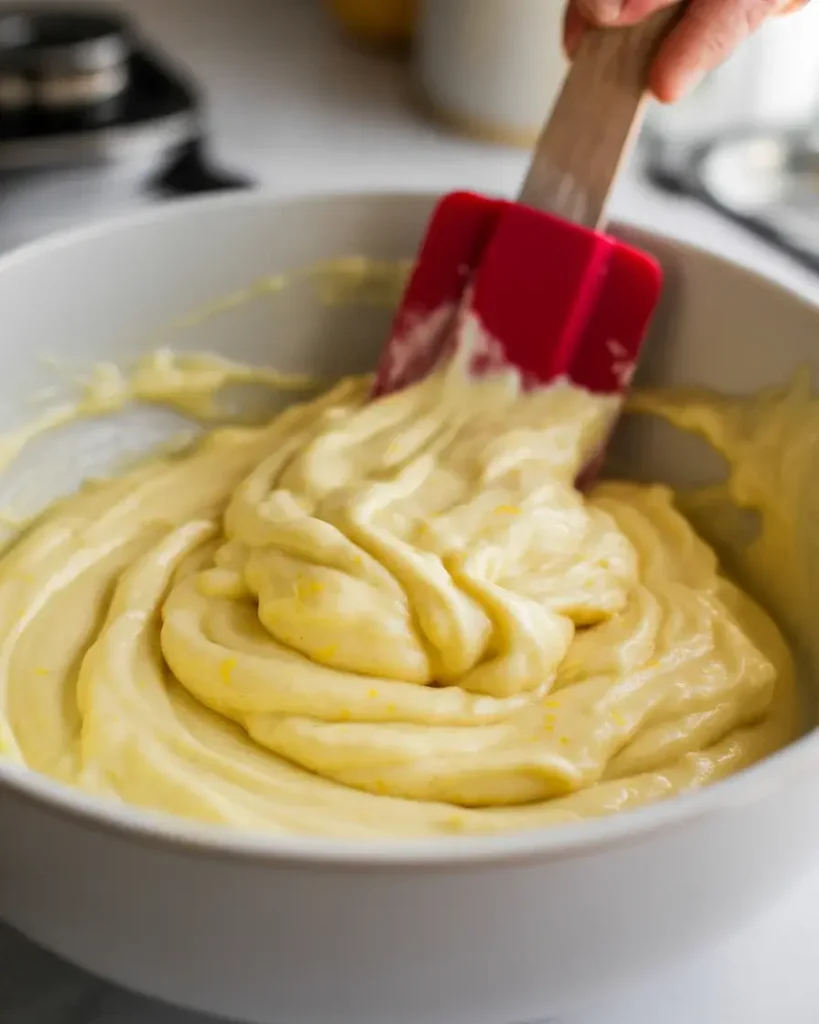
Pour the wet mixture into the dry ingredients and fold gently with a rubber spatula. Add the reserved 2 tablespoons of lemon juice once the batter is halfway combined. Fold until just incorporated with no dry streaks remaining.
Don’t overmix. I tested this at 20 folds versus 40, and the 40-fold batter came out noticeably tougher. Stop as soon as the batter looks uniform, even if it seems slightly thick.
Step 5: Pour into Pan and Top with Orange Slices
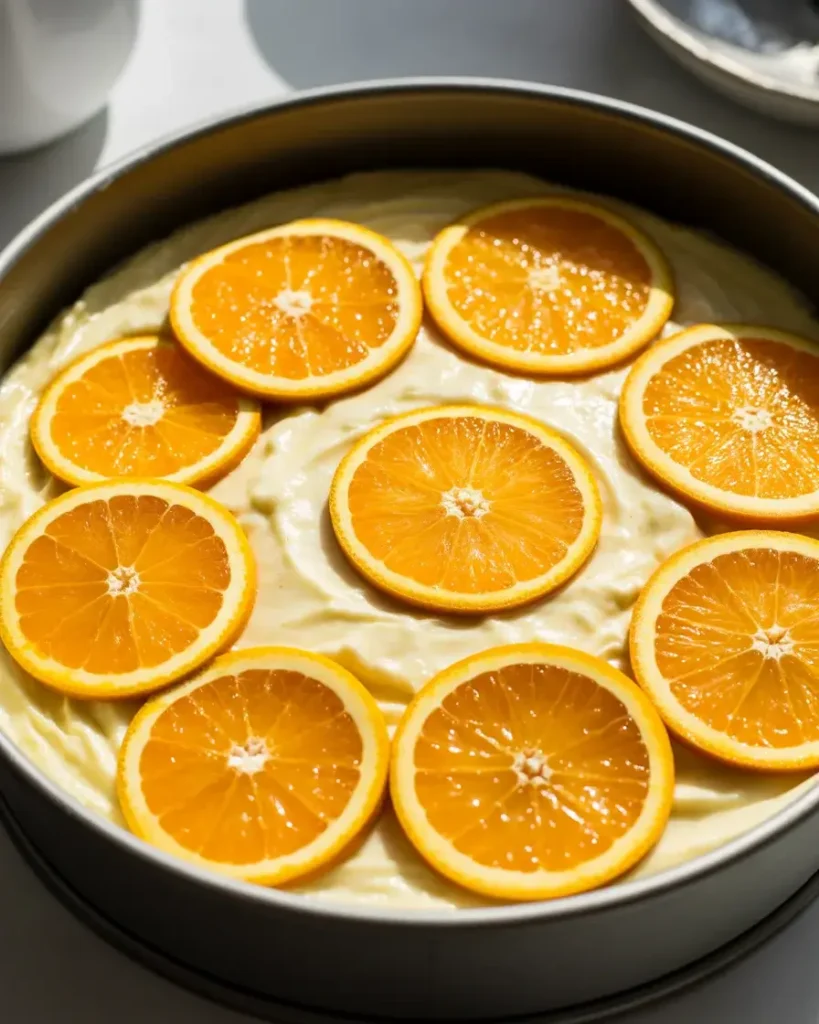
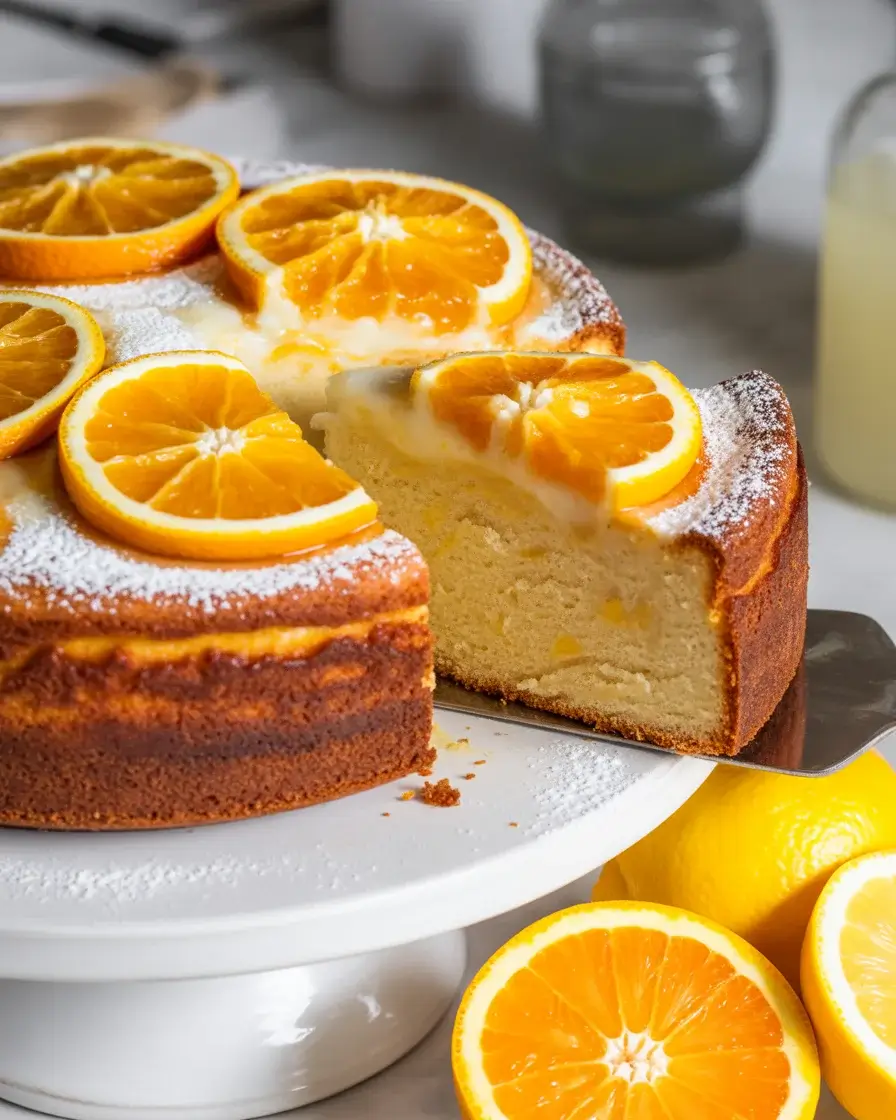
Grease a 9-inch round cake pan and line the bottom with parchment paper. Pour the batter in and smooth the top with your spatula. Layer 4 to 5 thin orange rounds on top, pressing them in gently so they sit flush with the surface.
The orange slices caramelize slightly as the cake bakes, which adds a gorgeous visual and a deeper citrus note on top. I tried both blood oranges and navel oranges here. Both work, but navel gives a sweeter finish.
Step 6: Bake at 350°F for 45 to 50 Minutes
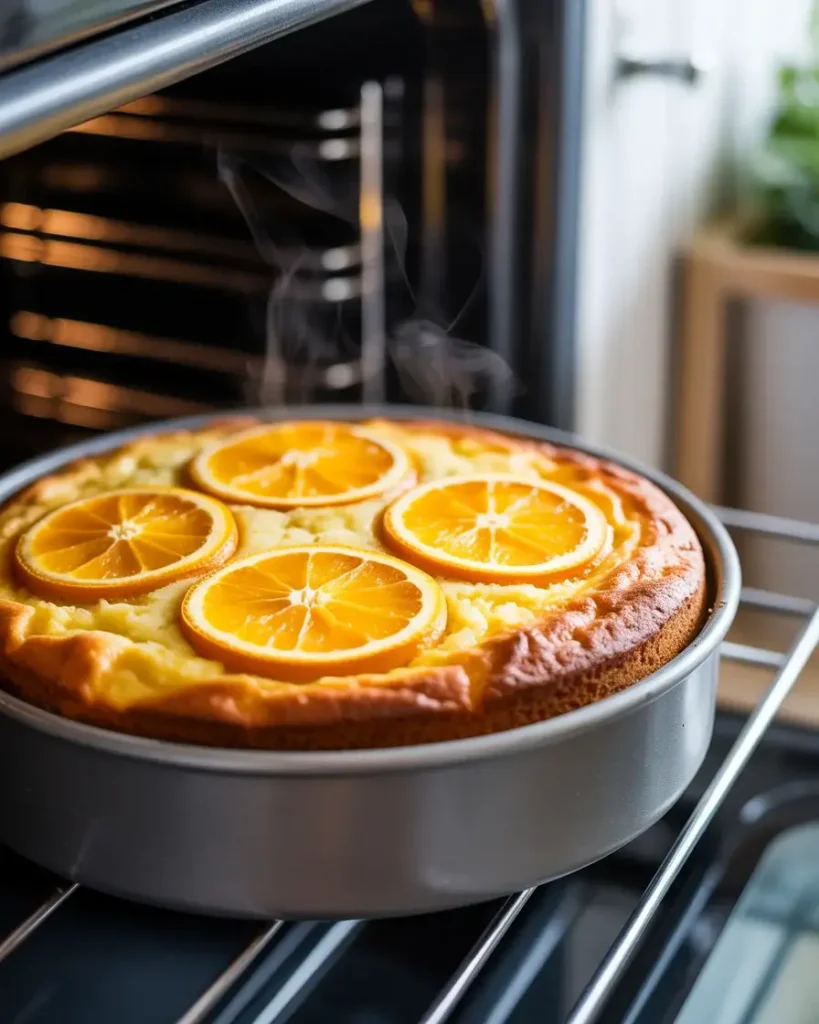
Bake in a preheated 350°F oven on the center rack. The cake is done when the edges are golden, the top is set and lightly golden around the orange slices, and a toothpick inserted in the center comes out clean.
Start checking at 43 minutes. In my kitchen, the sweet spot has consistently been 47 minutes. Ovens vary, so use the toothpick test, not just the timer.
Step 7: Cool, Dust, and Slice
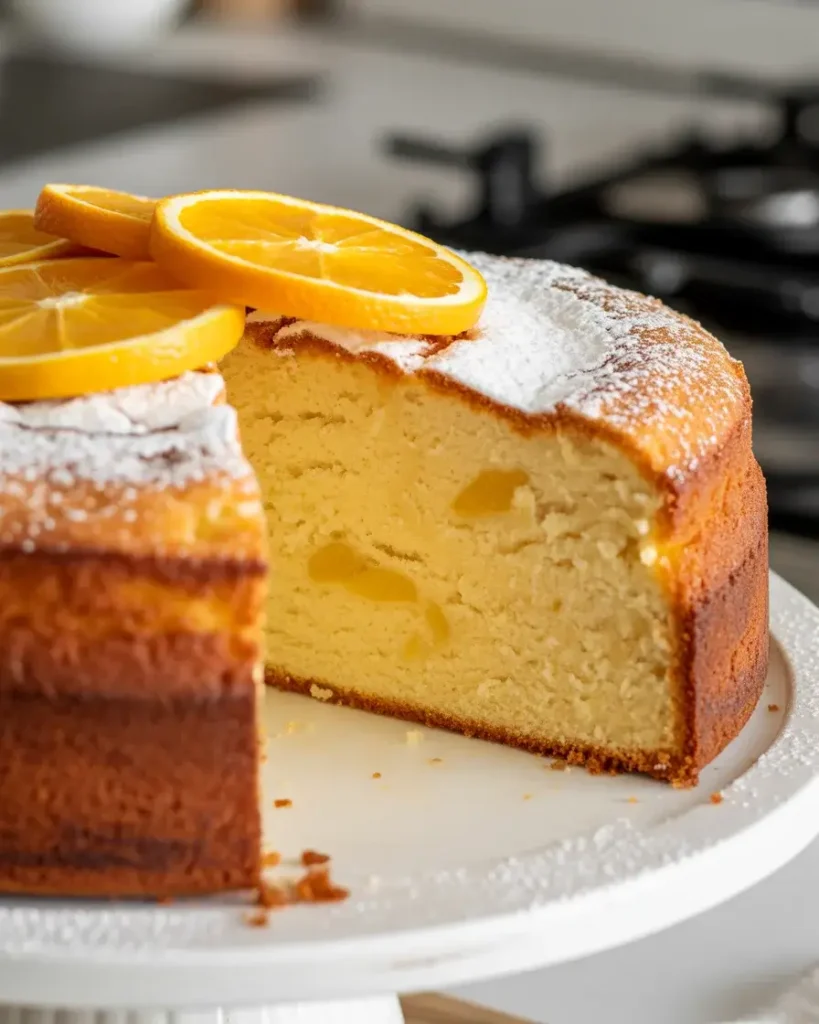
Let the cake cool in the pan for 15 minutes before transferring to a wire rack. Once fully cooled (about 45 minutes total), dust generously with powdered sugar using a fine mesh sieve.
Slice with a sharp knife wiped clean between cuts for the cleanest presentation. The interior should look moist and slightly dense, with visible lemon zest flecks throughout the crumb.
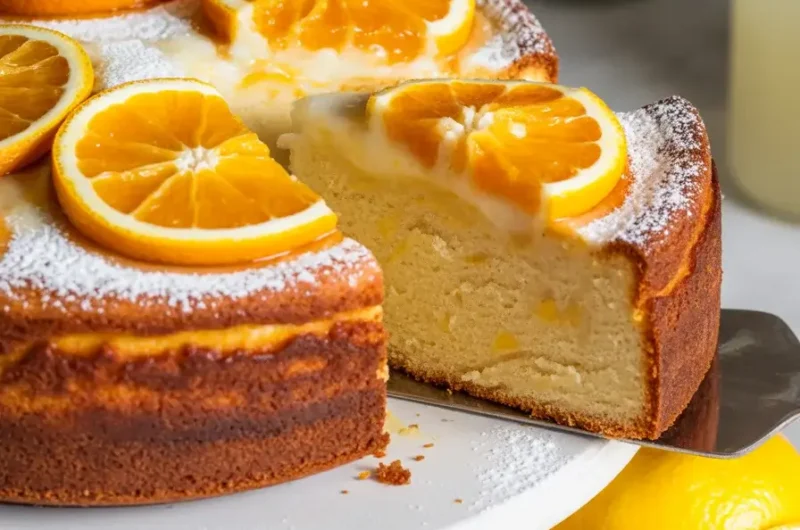
Lemon Ricotta Orange Cake
Course: DessertCuisine: Italian-AmericanDifficulty: Easy8
servings15
minutes47
minutes1
hour2
minutesA moist, tender citrus cake made with whole-milk ricotta, fresh lemon zest, and caramelized orange slices. No mixer needed and ready in under an hour.
Ingredients
1 cup whole-milk ricotta
3 large eggs
1/2 cup unsalted butter, melted and cooled
1 teaspoon vanilla extract
1 large lemon, zested (about 1 tablespoon zest)
1 medium orange, zested (about 1 teaspoon zest)
2 tablespoons fresh lemon juice
1 1/2 cups all-purpose flour
1 cup granulated sugar
2 teaspoons baking powder
1/2 teaspoon salt
4 to 5 thin orange rounds (for topping)
Powdered sugar for dusting
Directions
- Preheat oven to 350°F. Grease a 9-inch round cake pan and line with parchment paper.
- Zest the lemon and orange into a large bowl. Squeeze and reserve 2 tablespoons of lemon juice separately.
- Add ricotta, eggs, melted butter, and vanilla to the zest. Whisk for 90 seconds until smooth.
- In a separate bowl, whisk together flour, sugar, baking powder, and salt.
- Pour the wet mixture into the dry ingredients. Add lemon juice and fold gently until just combined, about 20 folds.
- Pour batter into prepared pan and smooth the top. Arrange orange slices on top and press in gently.
- Bake for 45 to 50 minutes until edges are golden and a toothpick inserted in the center comes out clean.
- Cool in pan for 15 minutes, then transfer to a wire rack. Cool fully before dusting with powdered sugar.
Notes
- Store covered at room temperature for up to 2 days or refrigerate for up to 4 days.
For a glaze, whisk 1 cup powdered sugar with 2 tablespoons orange juice and 1 teaspoon lemon juice. Pour over warm cake.
Freeze individual slices (without powdered sugar) for up to 2 months. Thaw overnight in the fridge.
Do not substitute part-skim ricotta; whole-milk ricotta produces a moister, more flavorful crumb.
Nutrition Table (per serving)
| Nutrient | Amount |
|---|---|
| Calories | 310 |
| Total Fat | 14g |
| Sugars | 22g |
| Protein | 8g |
What Makes Ricotta Cake Different from Regular Cake?
Ricotta replaces some of the butter and milk in a traditional cake batter. It adds fat and moisture while also contributing a subtle tang that makes the citrus flavors in this recipe pop more intensely.
The protein structure in ricotta also creates a denser, more velvety crumb compared to a standard butter cake. It’s not heavy, just very satisfying and rich-feeling without being overly sweet.
I tested this recipe with cottage cheese as a swap once and the texture was noticeably grainier. Ricotta has a smoother consistency that blends seamlessly into the batter. Stick with whole-milk ricotta for the best result.
Can You Use Bottled Lemon Juice Instead of Fresh?
Fresh lemon juice makes a real difference here, and I’d strongly recommend it. Bottled juice is more acidic and often has a slightly bitter aftertaste that can overpower the delicate orange notes in this cake.
I ran a side-by-side test with fresh versus bottled juice using the same batch measurements. The fresh-juice version had a noticeably cleaner, brighter citrus flavor. The bottled version tasted slightly flat by comparison.
Fresh lemon juice also works differently with the baking powder once they hit the batter. That small acid reaction helps with rise and tenderness. Two tablespoons from one medium lemon is all you need, so it’s worth the extra minute.
How Do You Know When Ricotta Cake Is Done?
The toothpick test is your most reliable guide. Insert it into the center of the cake (not near an orange slice), and it should come out clean or with just a few moist crumbs.
The edges will also pull very slightly away from the pan sides when the cake is done. The top around the orange slices will look set and lightly golden, not glossy or wet.
I once pulled this cake at 42 minutes because the edges looked done. The center was still slightly underbaked and had a gummy texture after cooling. Another 5 minutes fixed it completely. Don’t rush the last few minutes.
Can You Make This Cake Ahead of Time?
Yes, and it actually improves overnight. The citrus flavor deepens and the crumb becomes even more moist as it sits. I made it 24 hours ahead for a dinner party and it was noticeably better the next day.
Store it covered at room temperature for up to 2 days, or refrigerate for up to 4 days. If refrigerating, bring it to room temperature for 20 to 30 minutes before serving so the crumb softens back up.
You can also freeze it without the powdered sugar dusting. Wrap individual slices tightly in plastic wrap and freeze for up to 2 months. Thaw overnight in the fridge and dust with powdered sugar just before serving.
Can You Add a Glaze Instead of Powdered Sugar?
Absolutely. A simple citrus glaze made from 1 cup powdered sugar, 2 tablespoons fresh orange juice, and 1 teaspoon lemon juice creates a glossy, tangy finish that really elevates the presentation.
Pour it over the cake while it’s still slightly warm so the glaze soaks in a little at the edges. I tested this with and without the glaze and both versions are delicious, but the glazed version photographs beautifully and has a slightly more intense citrus punch.
If you’re serving this at a gathering, the glaze version gets more comments every time. The powdered sugar version is more rustic and everyday-friendly. Either way, don’t skip the finish entirely.
Frequently Asked Questions
Q: Can I use orange juice instead of lemon juice in this ricotta cake?
A: You can substitute orange juice for lemon juice, but the flavor will be sweeter and less bright. Use the same 2-tablespoon measurement. The citrus contrast between lemon and orange is what makes this cake’s flavor layered and complex.
Q: Why is my ricotta cake gummy in the middle?
A: A gummy center almost always means the cake was underbanked. Ricotta holds moisture, so the center needs the full bake time to set. Always use the toothpick test at the center of the cake, not near the edges, and aim for clean or just slightly moist crumbs.
Q: Can I make this lemon ricotta orange cake gluten-free?
A: Yes. A 1:1 gluten-free all-purpose flour blend works well in this recipe. I tested it with a rice flour-based blend and the texture was slightly more delicate but still moist and sliceable. Avoid almond flour as a direct swap since it changes the structure significantly.