
Orange Drop Cookies
My first batch of orange drop cookies came out completely flat and I learned exactly why that happens. After 15+ test batches, I cracked the formula for a cookie that’s pillowy soft with a bold citrus punch in every bite.
These are the kind of cookies that disappear fast. The fresh orange zest makes all the difference, and the simple orange glaze takes them from good to completely irresistible.
Step-by-Step Instructions
Step 1: Zest and Juice Your Oranges

Before anything else, zest two large navel oranges directly over your mixing bowl so the oils land in the batter. You need about 2 tablespoons of zest and 3 tablespoons of fresh juice — bottled juice gives a flat, artificial flavor I tested and rejected.
I once skipped zesting and relied only on juice. The cookies tasted mild and forgettable. The zest is where the real orange flavor lives.
Step 2: Cream the Butter and Sugar
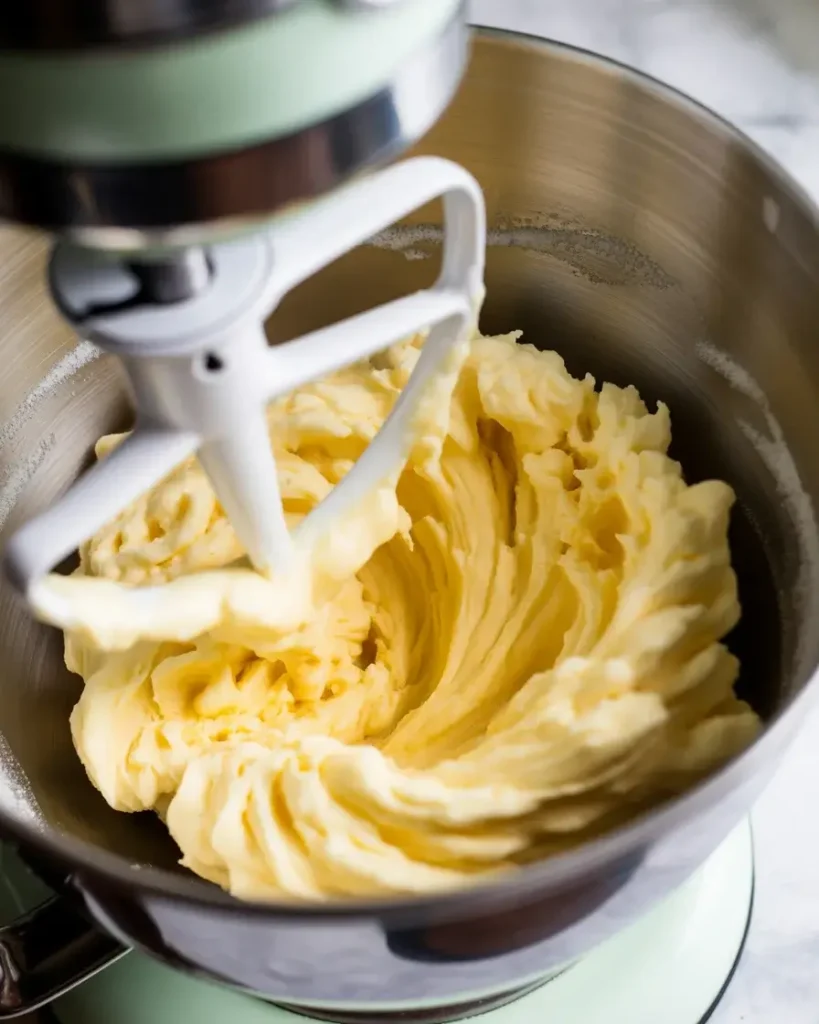
Beat 1/2 cup softened unsalted butter with 3/4 cup granulated sugar at medium speed for 3 full minutes. The mixture should look pale and fluffy not just combined. I tested creaming for only 1 minute and the cookies spread too thin.
This step traps air that gives the cookies their soft, domed shape. Don’t rush it.
Step 3: Add Eggs, Zest, and Juice
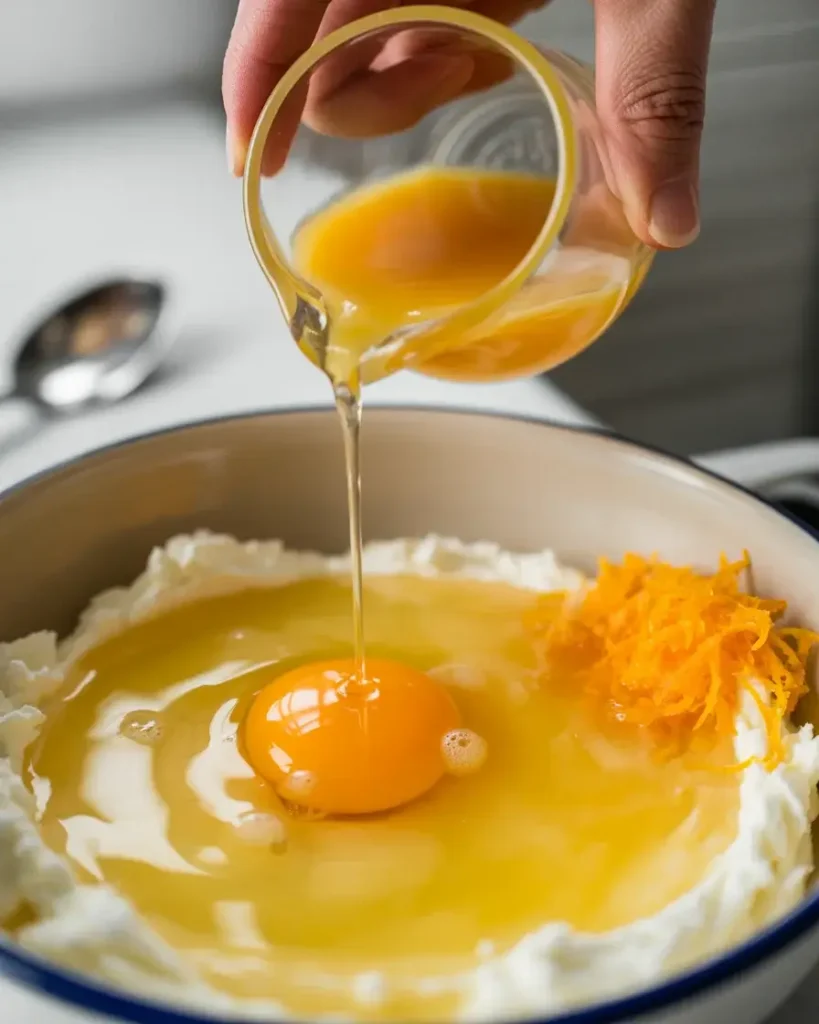
Add 1 large egg and beat until just incorporated, then mix in all your orange zest and 3 tablespoons of fresh orange juice. The batter will smell incredibly bright and citrusy at this point — that’s your cue it’s working.
Don’t overmix after adding the egg or your cookies can turn tough. About 30 seconds on low speed is all it takes.
Step 4: Mix in the Dry Ingredients
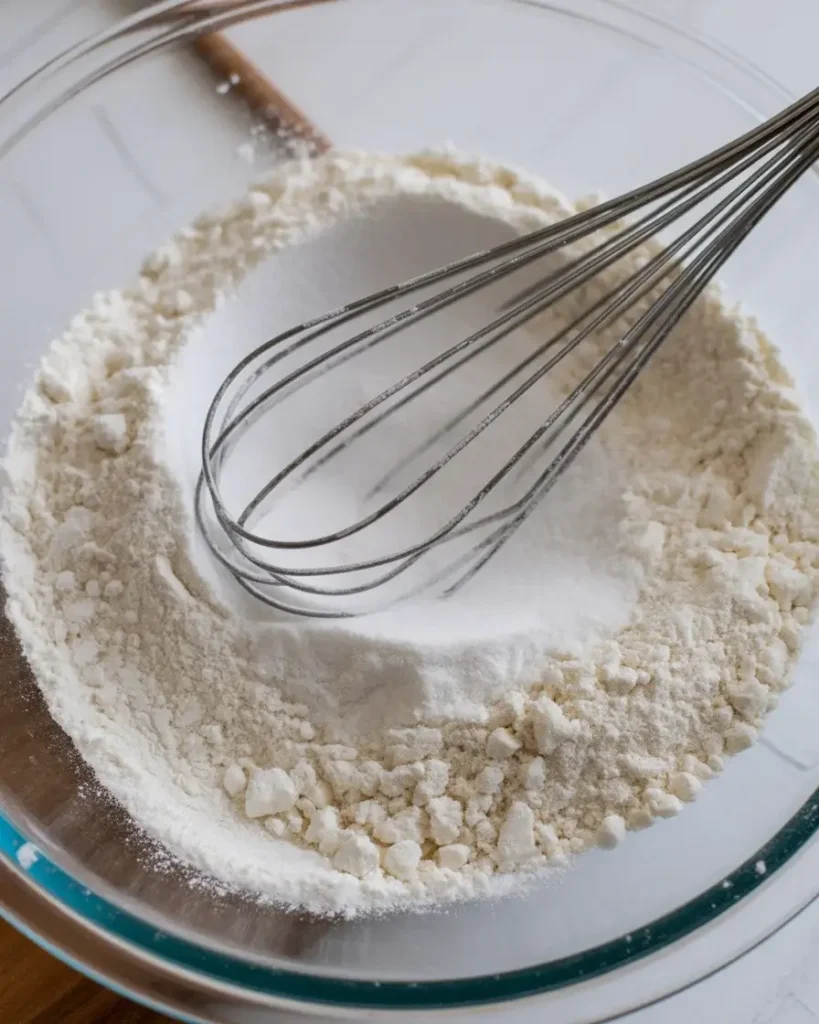
Whisk together 2 cups all-purpose flour, 1/2 teaspoon baking soda, 1/4 teaspoon salt, and 1/4 teaspoon cream of tartar in a separate bowl. Add to the wet ingredients in two additions, mixing on low until just combined.
The cream of tartar was a discovery from batch 8 it keeps the cookies soft and slightly tangy, which plays perfectly against the sweet glaze.
Step 5: Chill the Dough for 30 Minutes
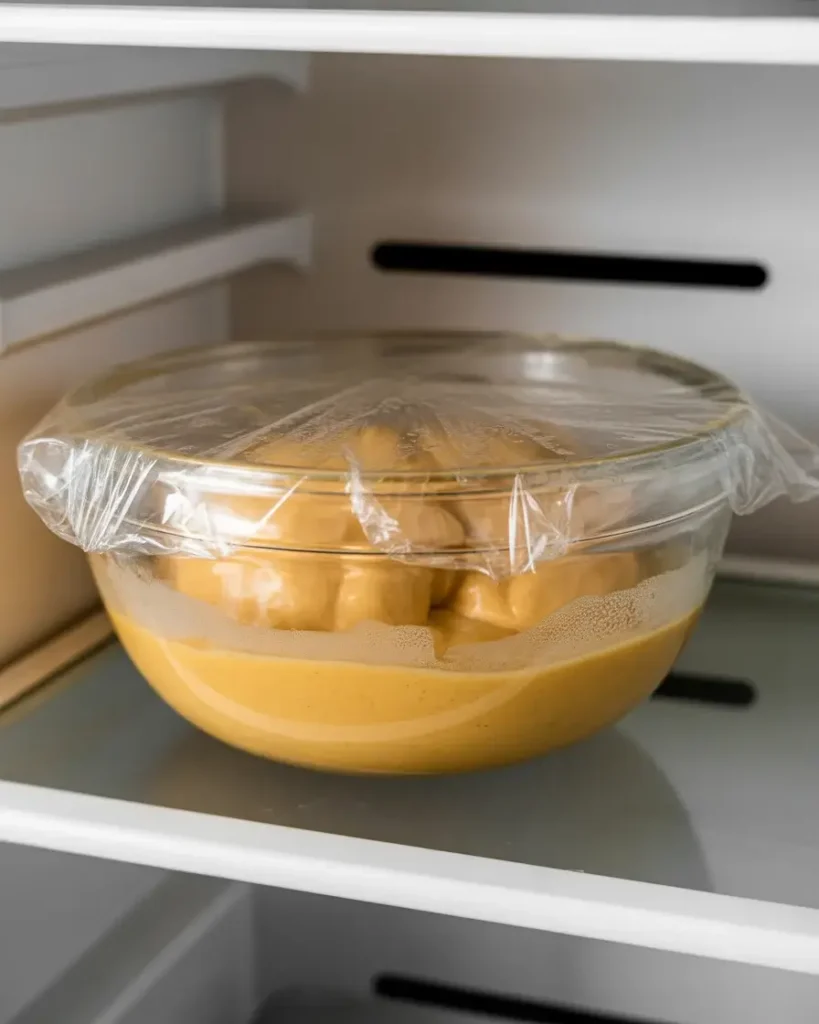
Cover the bowl with plastic wrap and refrigerate the dough for 30 minutes. This is non-negotiable — I skipped chilling once and the cookies spread into thin, crispy discs instead of soft mounds.
Cold dough holds its shape in the oven and gives you that classic rounded drop cookie look. Set a timer and walk away.
Step 6: Scoop and Bake at 350°F
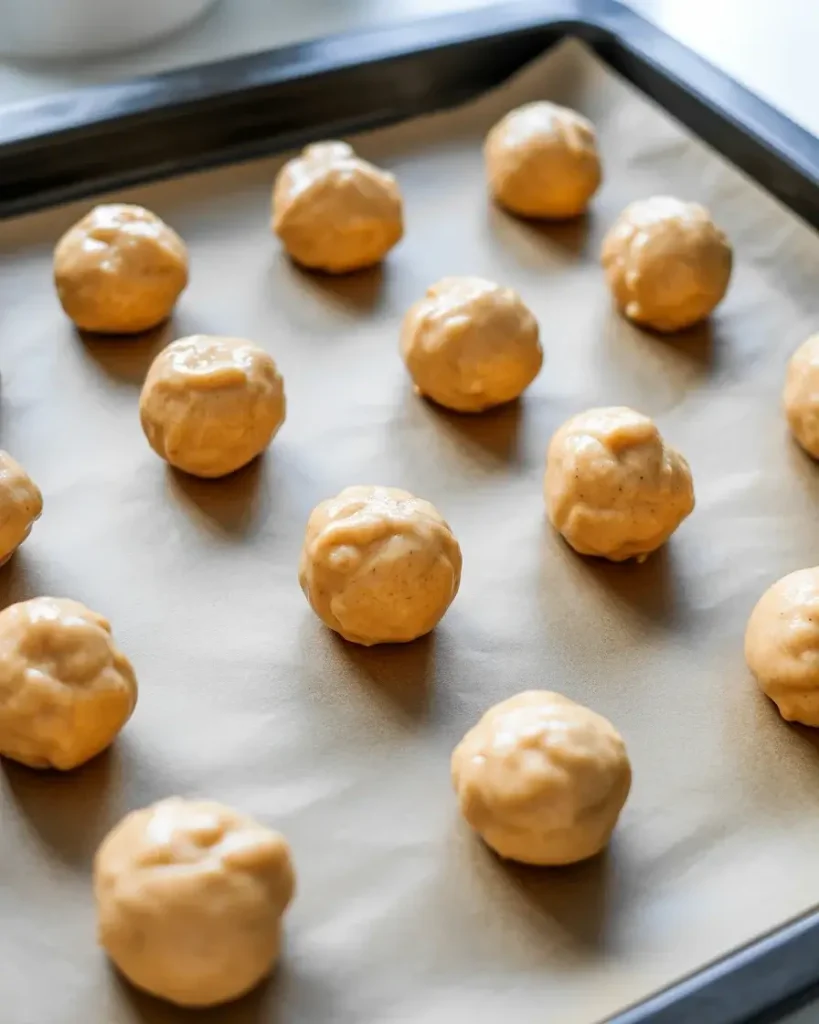
Preheat your oven to 350°F. Drop rounded tablespoons of chilled dough onto a parchment-lined baking sheet, spacing them 2 inches apart. Bake for 10 to 12 minutes pull them when the edges look set but the centers still look slightly underdone.
They firm up as they cool. Overbaking is the number one mistake a golden bottom edge is your cue, not a golden top.
Step 7: Make the Orange Glaze

While cookies cool, whisk together 1 cup powdered sugar, 2 tablespoons fresh orange juice, and 1 teaspoon orange zest until smooth and pourable. It should drizzle off a spoon in a slow ribbon — add juice in small amounts to control the consistency.
I prefer glazing cookies when they’re completely cool. Glazing warm cookies causes the icing to soak in and disappear rather than set on top.

Orange Drop Cookies
Course: DessertCuisine: AmericanDifficulty: Easy24
cookies20
minutes42
minutes1
hour2
minutesSoft, citrusy orange drop cookies with a bright glaze are easy to make and ready in 30 minutes. Get the tested recipe with all my tips!
Ingredients
1/2 cup unsalted butter, softened
3/4 cup granulated sugar
1 large egg
2 tablespoons fresh orange zest (from 2 navel oranges)
3 tablespoons fresh orange juice
2 cups all-purpose flour
1/2 teaspoon baking soda
1/4 teaspoon salt
1/4 teaspoon cream of tartar
- For the Orange Glaze
1 cup powdered sugar
2 tablespoons fresh orange juice
1 teaspoon orange zest
Directions
- Zest and juice two navel oranges. Set aside.
- Beat butter and sugar together on medium speed for 3 minutes until pale and fluffy.
- Add egg and beat for 30 seconds. Mix in orange zest and juice.
- Whisk flour, baking soda, salt, and cream of tartar in a separate bowl.
- Add dry ingredients to wet in two additions, mixing on low until just combined.
- Cover and refrigerate dough for 30 minutes.
- Preheat oven to 350°F. Line baking sheets with parchment.
- Drop rounded tablespoons of dough 2 inches apart onto prepared sheets.
- Bake 10 to 12 minutes until edges are set. Cool completely on a wire rack.
- Whisk glaze ingredients until smooth. Drizzle over cooled cookies.
Notes
- Store glazed cookies in an airtight container at room temperature for up to 5 days.
Unglazed cookies freeze well for up to 2 months. Glaze after thawing.
For deeper flavor, refrigerate dough overnight before baking.
Orange extract can replace zest — use 1 teaspoon and add an extra 15 minutes chill time.
Nutrition Table (per serving — 1 cookie)
| Nutrient | Amount |
|---|---|
| Calories | 118 |
| Total Fat | 4g |
| Sugars | 11g |
| Protein | 1g |
Trusted Resource Links: For more on baking science and ingredient substitutions, the Mayo Clinic Nutrition Guide offers helpful guidance on balancing treats in a healthy diet. You can also review the FDA Safe Food Handling guidelines for best practices when baking and storing homemade cookies.
What Makes Orange Drop Cookies So Soft?
The softness comes down to three things: creaming time, dough temperature, and baking time. Under-creaming, skipping the chill, or overbaking any one of these destroys the texture.
I tested all three variables across 15 batches. The biggest single factor was baking time pulling cookies at 10 minutes versus 13 minutes produced a dramatically different result.
Cream of tartar also plays a quiet but important role. It reacts with the baking soda to create a fine, tender crumb and prevents the sugar from crystallizing, which keeps cookies soft for days.
Can You Use Orange Extract Instead of Fresh Orange?
Fresh orange is always better, but orange extract works in a pinch. Use 1 teaspoon extract in place of the zest, and replace the fresh juice with milk or water in equal amounts.
The cookies made with extract taste citrusy but slightly artificial I compared them side by side in batch 11 and the fresh version won by a mile. If you have access to fresh oranges, use them.
Extract-based cookies also spread slightly more because they lack the natural pectin found in fresh zest. Chill those doughs an extra 15 minutes to compensate.
How Do You Store Orange Drop Cookies?
Store fully cooled, glazed cookies in an airtight container at room temperature for up to 5 days. Layer them with parchment paper to prevent the glaze from sticking together.
I’ve also frozen unglazed cookies successfully for up to 2 months just thaw at room temperature and glaze fresh before serving. Freezing glazed cookies is possible but the icing can turn slightly sticky after thawing.
For best texture, avoid the refrigerator. Cold air dries cookies out faster than room-temperature storage.
Can You Make Orange Drop Cookie Dough Ahead?
Yes — the dough keeps refrigerated for up to 48 hours before baking. Tightly wrap the bowl or transfer dough to an airtight container so it doesn’t absorb refrigerator odors.
I actually prefer making the dough the night before. The extra chill time deepens the orange flavor and gives you even puffier cookies straight from the oven. It also makes morning baking fast and stress-free.
Frozen raw dough balls bake beautifully straight from the freezer just add 2 to 3 extra minutes to the bake time.
What’s the Difference Between Drop Cookies and Rolled Cookies?
Drop cookies use a soft, scoopable dough that’s dropped directly onto the baking sheet no rolling or chilling into a log required. They’re faster and much more forgiving for beginner bakers.
Rolled cookies need a stiffer dough that holds clean edges when cut with a cutter. Orange drop cookies lean soft and pillowy by design, which is why the recipe uses more moisture from juice and doesn’t require rolling.
If you want a crispier, cut-out style orange cookie, you’d reduce the liquid by about 1 tablespoon and chill the dough for 2 hours.
Frequently Asked Questions
Q: Why did my orange drop cookies come out flat?
A: Flat cookies usually mean the dough wasn’t chilled or the butter was too warm. Always refrigerate dough for at least 30 minutes and start with properly softened, not melted, butter.
Q: Can I use blood oranges instead of navel oranges?
A: Yes , blood oranges work beautifully and add a slightly berry-like undertone. Use the same amount of zest and juice, but expect a slightly darker, pinker hue in the glaze.
Q: Do orange drop cookies need to be refrigerated?
A: No. Store them in an airtight container at room temperature for up to 5 days. Refrigerating them actually dries them out faster and changes the soft texture.