21 Kitchen Tips You Wish You Knew Sooner: Game Changing Hacks for Home Cooks
Ever found yourself struggling with stubborn garlic skins, unevenly cooked meat, or vegetables that turn mushy instead of crispy? You’re not alone. The kitchen can be a place of culinary triumphs, but it’s also where many home cooks face daily frustrations that could easily be avoided with the right knowledge. These small kitchen challenges add up, turning what should be an enjoyable cooking experience into a source of stress.
The truth is, professional chefs and experienced home cooks have developed countless kitchen tips and tricks over the years that make cooking faster, easier, and more enjoyable. From proper knife techniques to clever storage solutions, these time-tested methods can transform your cooking routine. Whether you’re a beginner just learning to navigate your kitchen or an experienced cook looking to refine your skills, these essential tips will help you work smarter, not harder.
In this comprehensive guide, we’ll share 21 kitchen tips that will revolutionize the way you cook, prepare, and organize your culinary space. These aren’t just random hacks; they’re practical, proven techniques that address real problems every home cook faces. Get ready to discover shortcuts that will save you time, reduce food waste, improve your cooking results, and make your kitchen experience significantly more efficient and enjoyable.
Essential Food Preparation Tips That Save Time
Mastering food preparation is the foundation of efficient cooking. These fundamental kitchen tips will help you prep ingredients faster and with better results, setting you up for cooking success every single time.
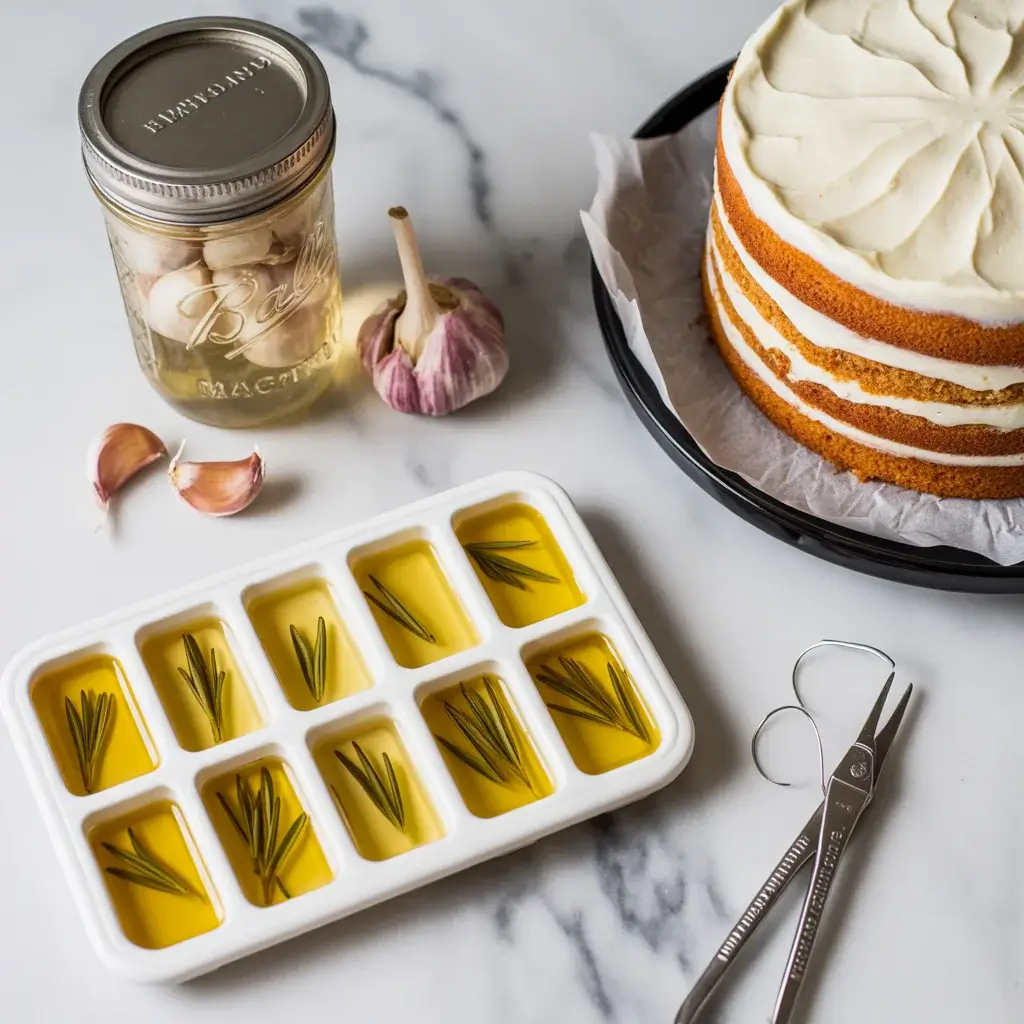
Peel Garlic in Seconds Using a Jar. Place garlic cloves in a mason jar, seal the lid tightly, and shake vigorously for 15 to 20 seconds. The friction removes the skins effortlessly, saving you from sticky fingers and the tedious task of peeling each clove individually. This method works especially well when you need multiple cloves for recipes like pasta sauce or roasted vegetables.
Use Dental Floss for Perfect Cake Layers. Unflavored dental floss cuts through soft cakes, cheesecakes, and even soft cheeses more cleanly than a knife. Simply slide the floss under the cake, cross the ends over the top, and pull through for professional-looking layers. This technique prevents crumbling and gives you the precision that’s difficult to achieve with even the sharpest knife.
Ripen Bananas Quickly in the Oven. When you need ripe bananas for baking but only have green ones, place unpeeled bananas on a baking sheet and bake at 300°F for 15 to 20 minutes until the skins turn black. The heat converts the starches to sugars, giving you perfectly sweet bananas ready for banana bread or muffins.
Freeze Herbs in Olive Oil. Chop fresh herbs, place them in ice cube trays, cover with olive oil, and freeze. Each cube becomes a ready-to-use flavor bomb for sautéing vegetables, cooking proteins, or adding to soups and stews. This kitchen tip prevents herb waste and gives you the convenience of fresh herb flavor whenever you need it.
Smart Cooking Techniques for Better Results
The way you cook your food matters just as much as the ingredients you use. These cooking-focused kitchen tips will help you achieve restaurant-quality results at home with methods that professional chefs rely on every day.
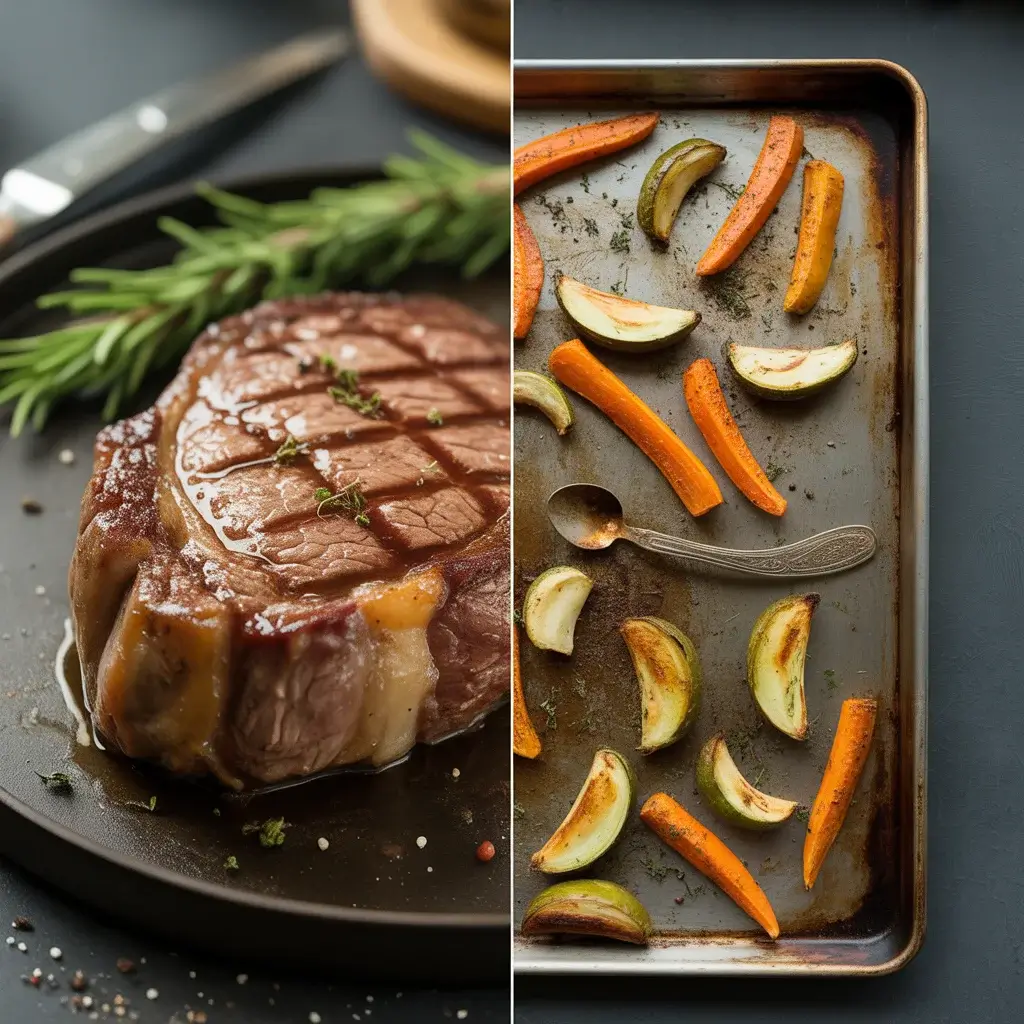
Let Meat Rest at Room Temperature Before Cooking. Remove meat from the refrigerator 30 to 45 minutes before cooking to allow it to come to room temperature. Cold meat hitting a hot pan cooks unevenly, with an overcooked exterior and an undercooked interior. Room temperature meat cooks more uniformly and develops better browning.
Add Salt to Pasta Water Generously. Your pasta water should taste like the sea, requiring about one to two tablespoons of salt per pound of pasta. Properly salted water seasons the pasta from within as it cooks, eliminating bland, flavorless noodles. This is one of those kitchen tips that Italian grandmothers have passed down for generations.
Use a Wooden Spoon to Prevent Boil Overs. Place a wooden spoon across the top of a boiling pot to prevent water from boiling over. The wood breaks the surface tension of the bubbles, causing them to pop before they overflow. This simple trick works for pasta, rice, and any other foods that tend to boil over.
Bake Bacon Instead of Frying It. Line a baking sheet with foil, arrange bacon strips in a single layer, and bake at 400°F for 15 to 20 minutes. Baked bacon cooks evenly, creates less mess, and frees up your stovetop for other breakfast items. The rendered fat collects on the foil for easy cleanup or can be saved for future cooking.
Start Roasted Vegetables at High Heat. Begin roasting vegetables at 425°F to 450°F to caramelize the exterior and develop deep flavors. High heat drives out moisture quickly, preventing steaming and creating the crispy, golden exterior that makes roasted vegetables irresistible. Lower temperatures result in soggy, pale vegetables that lack flavor depth.
Clever Storage Solutions to Reduce Food Waste
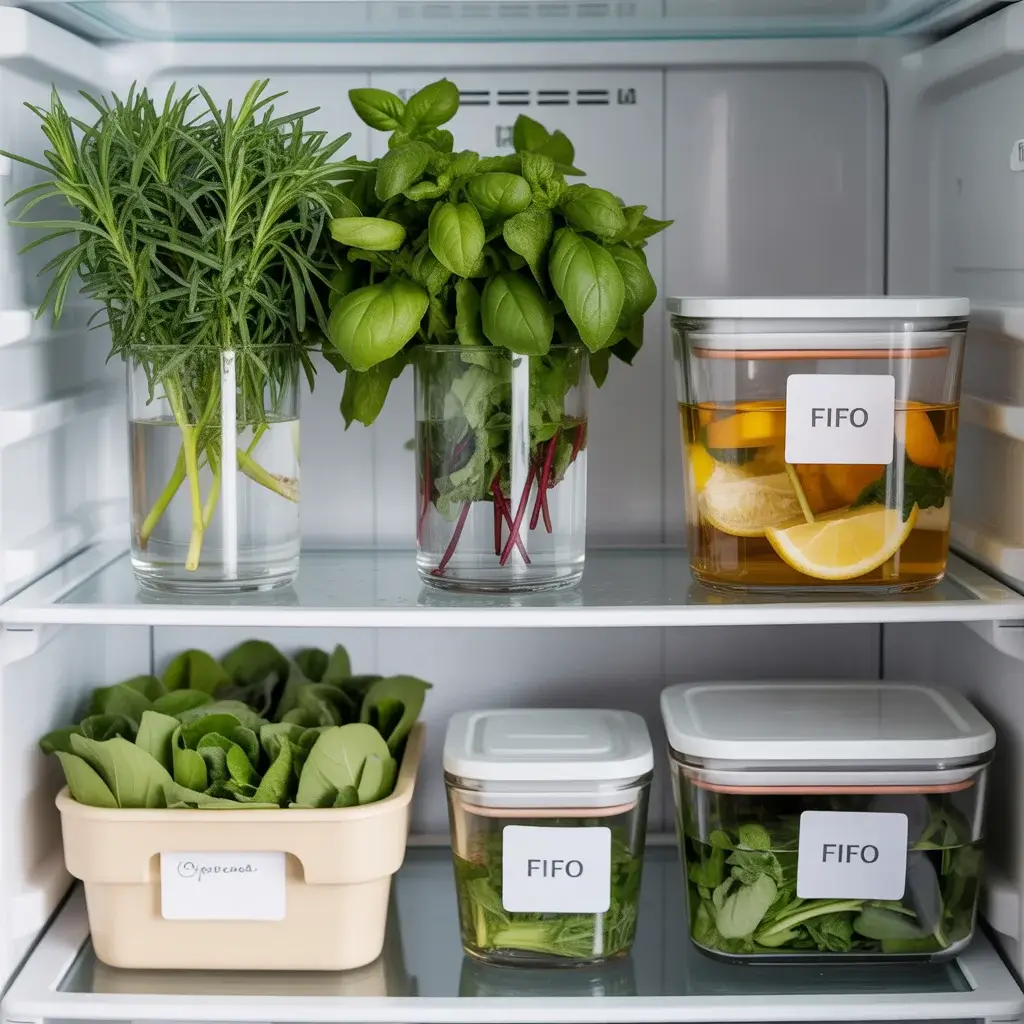
Proper food storage extends the life of your ingredients, saves money, and reduces waste. These storage-focused kitchen tips will help you keep your food fresh longer and organize your kitchen more effectively.
Store Leafy Greens with Paper Towels. Wrap lettuce, spinach, and other leafy greens in dry paper towels before placing them in storage containers or bags. The paper towels absorb excess moisture that causes wilting and decay, keeping greens crisp and fresh for up to two weeks longer than traditional storage methods.
Keep Herbs Fresh Like Flowers. Treat fresh herbs like a bouquet by trimming the stems and placing them in a glass of water on your counter or in the refrigerator. Cover leafy tops loosely with a plastic bag. Basil, parsley, cilantro, and mint stay vibrant and fresh for over a week with this method.
Freeze Cheese Before Grating. Place blocks of cheese in the freezer for 15 to 20 minutes before grating. Firmer cheese grates more easily, produces less mess, and prevents the cheese from clumping or sticking to the grater. This works especially well for softer cheeses like mozzarella that normally create a sticky situation.
Store Potatoes with Apples. Keep an apple or two with your potatoes to prevent sprouting. Apples release ethylene gas that inhibits potato sprouting, extending their storage life by several weeks. Store both in a cool, dark place with good air circulation for best results.
Use the FIFO Method. First In, First Out is a restaurant industry standard that should be applied at home. When unpacking groceries, move older items to the front and place new purchases behind them. This simple organization technique ensures you use ingredients before they expire.
Kitchen Organization Hacks for Maximum Efficiency
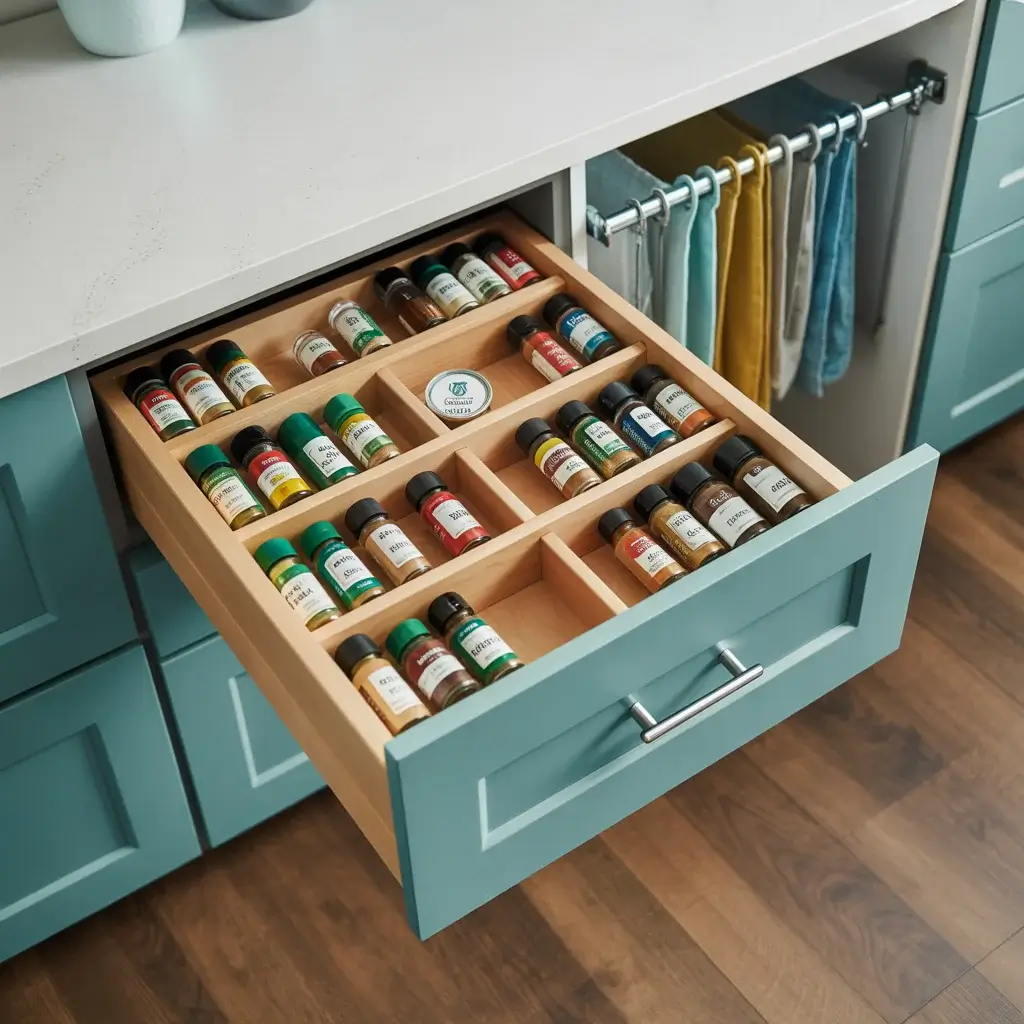
An organized kitchen makes cooking more enjoyable and efficient. These organizational kitchen tips will help you maximize your space and streamline your cooking workflow for a more functional culinary workspace.
Use Tension Rods for Vertical Storage. Install tension rods vertically inside cabinets or pantry doors to create storage for cutting boards, baking sheets, and pan lids. This vertical organization maximizes space and makes items easier to access than traditional stacking methods.
Create a Spice Drawer with Angled Storage. Store spices in a drawer with small risers or angled inserts so you can see all labels at once. This eliminates the frustration of searching through crowded spice cabinets and helps you quickly locate the seasonings you need while cooking.
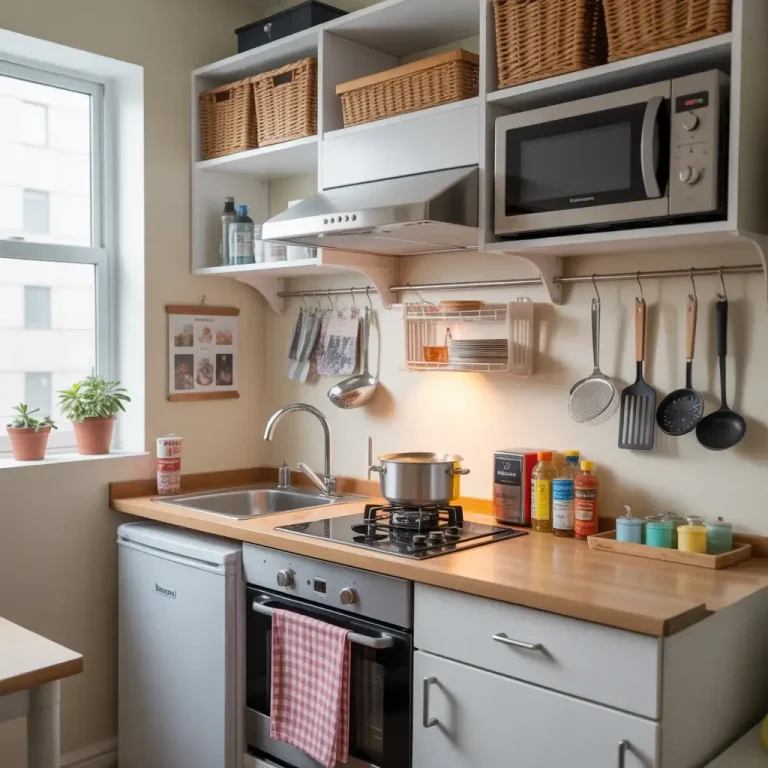
Designate a Cooking Zone. Group your most-used cooking tools, oils, and seasonings near your stove for easy access during meal preparation. Having everything within arm’s reach when you’re actively cooking reduces unnecessary movement and makes the cooking process more efficient.
Label Everything with Dates. Use painter’s tape and a marker to label leftovers, opened packages, and bulk ingredients with the date they were stored or opened. This simple habit prevents mystery containers in the refrigerator and helps you track food freshness.
Game-Changing Cleaning and Maintenance Tips
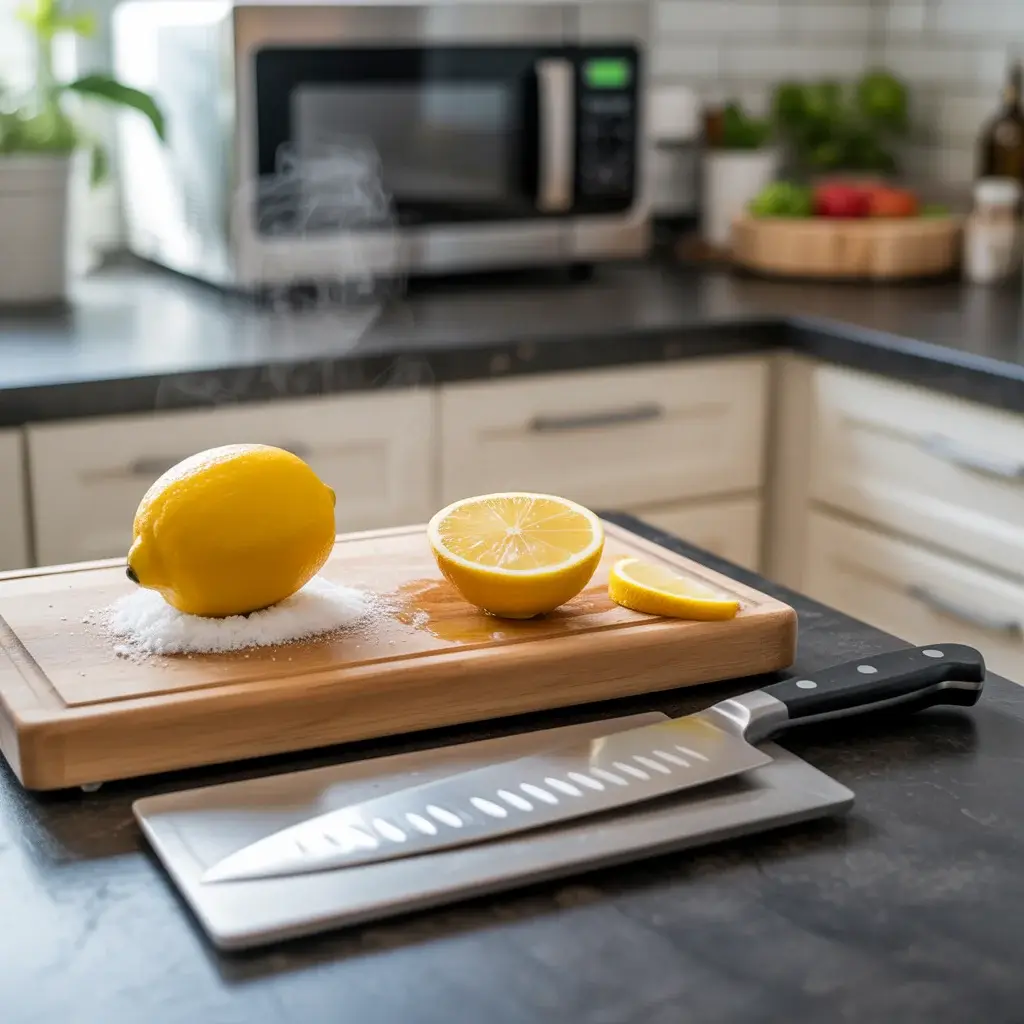
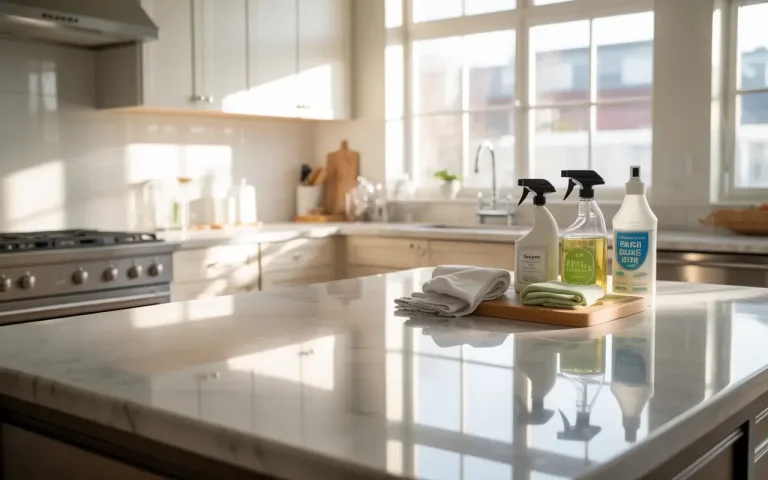
A clean kitchen is essential for food safety and makes cooking more pleasant. These cleaning-focused kitchen tips will help you maintain your space with less effort and better results.
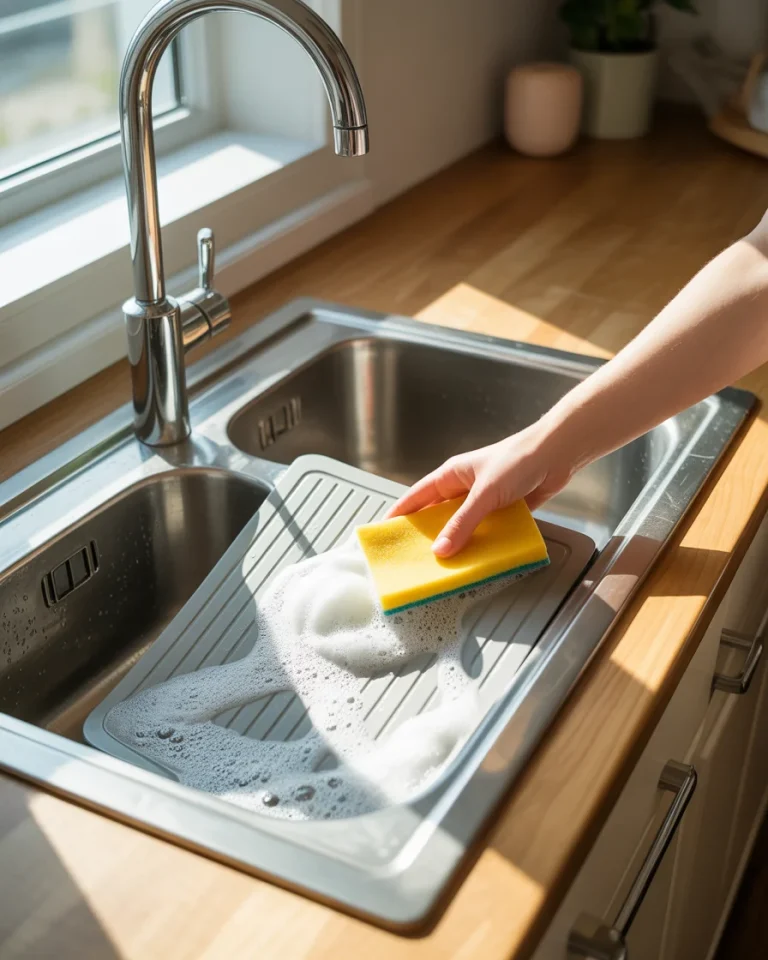
Clean as You Cook. Fill your sink with hot soapy water before you start cooking and wash utensils, cutting boards, and bowls as you finish with them. This prevents the overwhelming pile of dishes at the end and keeps your workspace clean throughout the cooking process.
Use Lemon and Salt for Cutting Boards. Scrub wooden cutting boards with coarse salt and half a lemon to naturally sanitize and deodorize. The salt acts as an abrasive while the lemon’s acidity kills bacteria and removes odors from garlic, onions, and fish.
Sharpen Knives Regularly. A sharp knife is safer and more efficient than a dull one. Use a honing steel before each use and professionally sharpen your knives every six to twelve months. Sharp knives require less pressure, giving you better control and reducing the risk of slips that cause injuries.
Steam Clean Your Microwave. Place a microwave safe bowl filled with water and lemon slices in the microwave and heat for three to five minutes. The steam loosens stuck on food, making it easy to wipe clean with a cloth. This chemical-free cleaning method leaves your microwave fresh and spotless.
Conclusion
These 21 kitchen tips represent years of collective cooking wisdom that can transform your daily cooking experience from frustrating to enjoyable. By implementing even a handful of these techniques, you’ll notice immediate improvements in your efficiency, the quality of your food, and your overall confidence in the kitchen. Remember that mastering these skills takes practice, so don’t be discouraged if they don’t feel natural at first.
The beauty of these kitchen tips is that they address real problems with practical solutions that work for cooks at every skill level. From proper food storage that reduces waste to cooking techniques that deliver restaurant-quality results, each tip serves a specific purpose in creating a more functional and enjoyable kitchen environment. Start by choosing three to five tips that address your biggest kitchen challenges and master those before adding more to your repertoire.
Ready to take your cooking skills to the next level? Explore more helpful cooking guides, recipes, and kitchen wisdom on our website. Share your favorite kitchen tips in the comments below and let us know which of these techniques made the biggest difference in your cooking routine. Don’t forget to bookmark this guide for quick reference whenever you need a kitchen problem solved!
Frequently Asked Questions
What is the most important kitchen tip for beginners?
The most important kitchen tip for beginners is to read the entire recipe before starting to cook. This ensures you understand the process, have all necessary ingredients and equipment ready, and can identify potential challenges in advance. Preparation prevents mistakes and builds confidence in the kitchen.
How can I prevent vegetables from getting soggy when roasting?
To prevent soggy roasted vegetables, ensure they are completely dry before roasting, don’t overcrowd the pan as this creates steam, and roast at high temperatures between 425°F and 450°F. Space vegetables at least an inch apart and use a large baking sheet or multiple sheets to allow proper air circulation and caramelization.
What is the best way to store fresh herbs to make them last longer?
The best way to store fresh herbs is to treat them like flowers by trimming the stems and placing them in a glass of water. Cover the tops loosely with a plastic bag and store in the refrigerator for herbs like parsley and cilantro, or on the counter for basil. This method keeps herbs fresh for over a week.
How do I know when meat is properly cooked without cutting into it?
Use an instant read meat thermometer to check internal temperature without cutting into the meat. Chicken and turkey should reach 165°F, ground meats 160°F, pork 145°F, and beef varies from 125°F for rare to 160°F for well done. The thermometer method preserves juices and ensures food safety.
Why should I let meat rest after cooking?
Letting meat rest for five to ten minutes after cooking allows the juices to redistribute throughout the meat. When meat cooks, juices are pushed toward the center, and cutting immediately causes these juices to run out onto the cutting board. Resting ensures moist, flavorful meat with better texture.
How can I reduce food waste in my kitchen?
Reduce food waste by implementing the FIFO method when storing groceries, properly storing produce using techniques like paper towels for greens and water for herbs, freezing items before they spoil, planning meals around ingredients you already have, and repurposing leftovers creatively into new dishes.
What kitchen tools are worth investing in for better cooking results?
Essential kitchen tools worth investing in include a quality chef’s knife that holds an edge, a sturdy cutting board, a reliable instant read thermometer, heavy bottomed pans that distribute heat evenly, and basic measuring tools. Quality tools last longer, perform better, and make cooking more efficient and enjoyable.