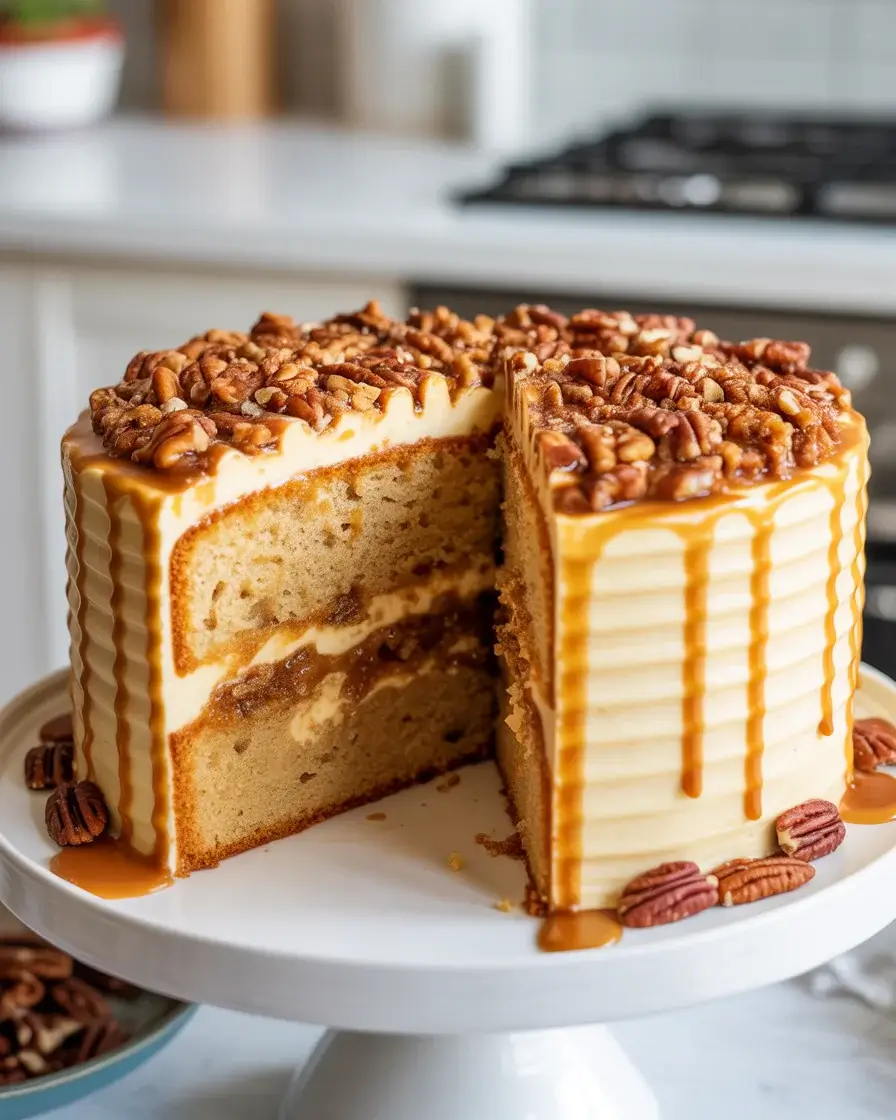
Butterscotch Crunch Cake
The first time I made this, I pulled it from the oven too early and ended up with a gooey center that completely collapsed. After testing it 15+ more times, I finally nailed the exact temperature and timing that gives you a fluffy, moist crumb with that signature crunchy butterscotch top.
What makes this cake special is the contrast between the soft brown sugar cake layers and the crackling toffee-butterscotch crunch. It smells like caramel and toasted butter the whole time it bakes, and that aroma alone is worth making it.
Step-by-Step Instructions
Step 1: Prep Your Pans and Preheat
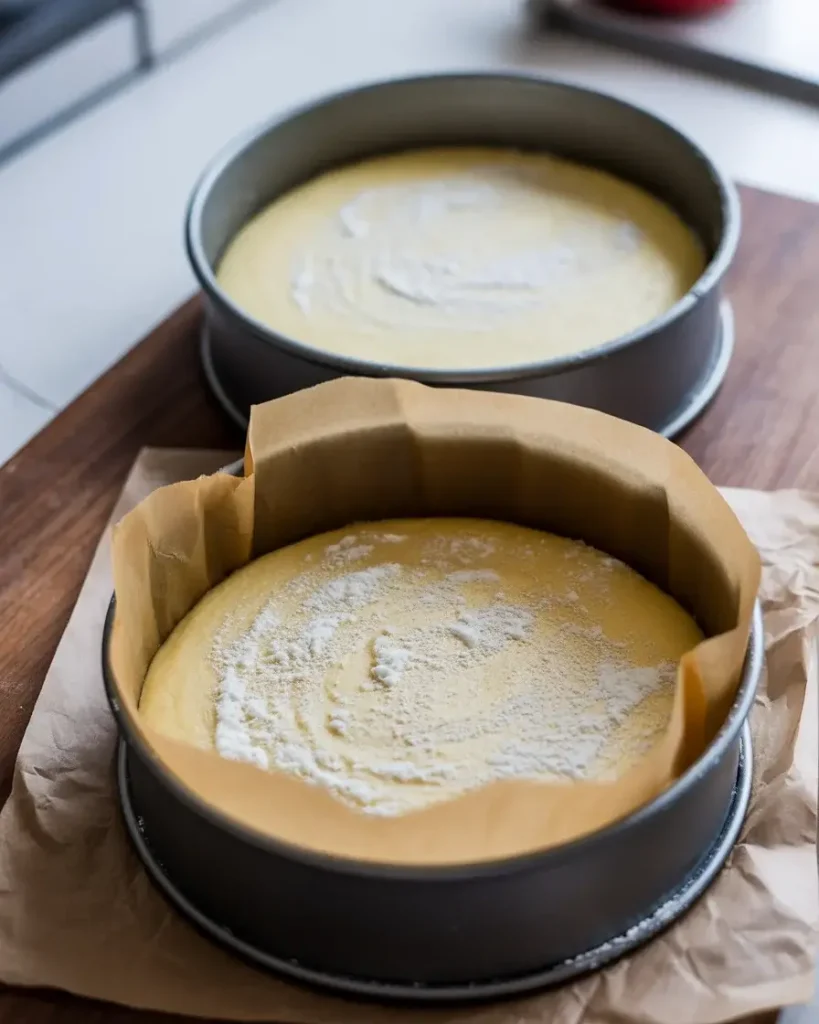
Preheat your oven to 350°F and grease two 9-inch round cake pans with butter, then dust lightly with flour. I learned the hard way that skipping the flour dust causes the crunch topping to stick and tear when you unmold.
Line the bottom with parchment as an extra insurance policy. I’ve tested with and without it, and parchment wins every single time.
Step 2: Make the Butterscotch Crunch Topping
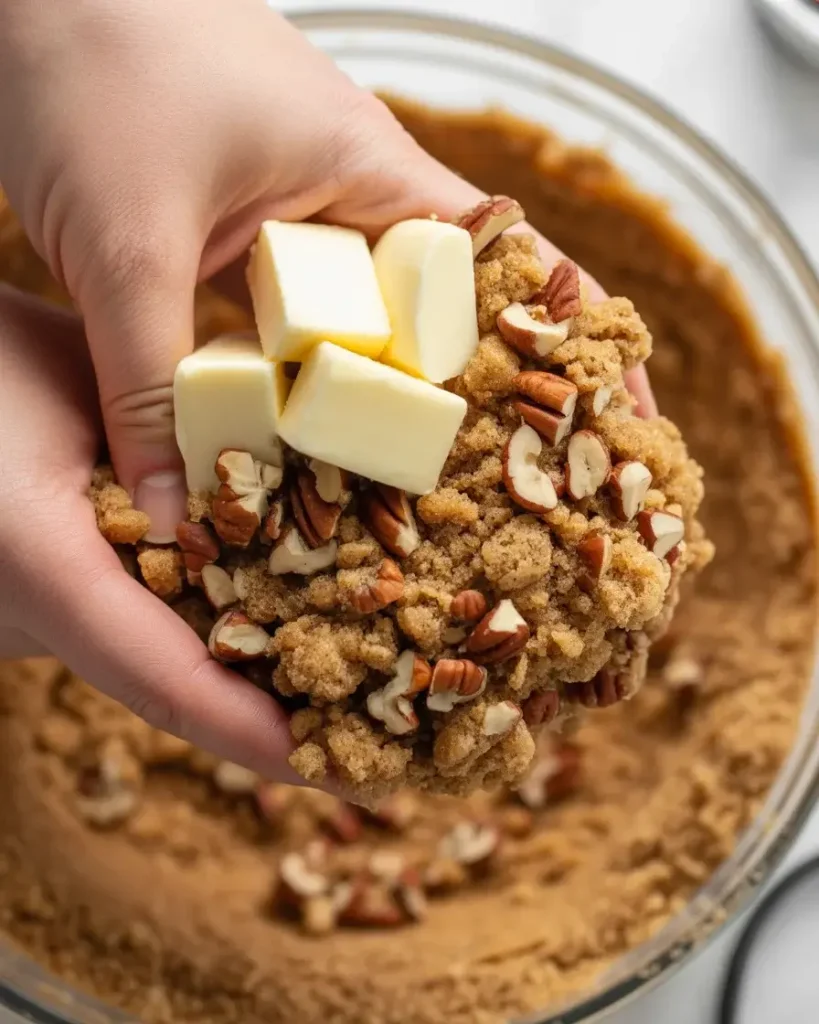
Combine 3/4 cup packed dark brown sugar, 1/3 cup cold butter (cubed), 1/4 cup all-purpose flour, and 1/2 cup chopped pecans in a bowl. Use your fingers to rub everything together until it forms coarse, sandy crumbles about the size of peas.
The smell of dark brown sugar and cold butter mixing together is incredible. I tested light brown sugar here too, but dark brown sugar gives you that deep, almost smoky butterscotch flavor that makes this cake memorable.
Step 3: Cream Butter and Sugar
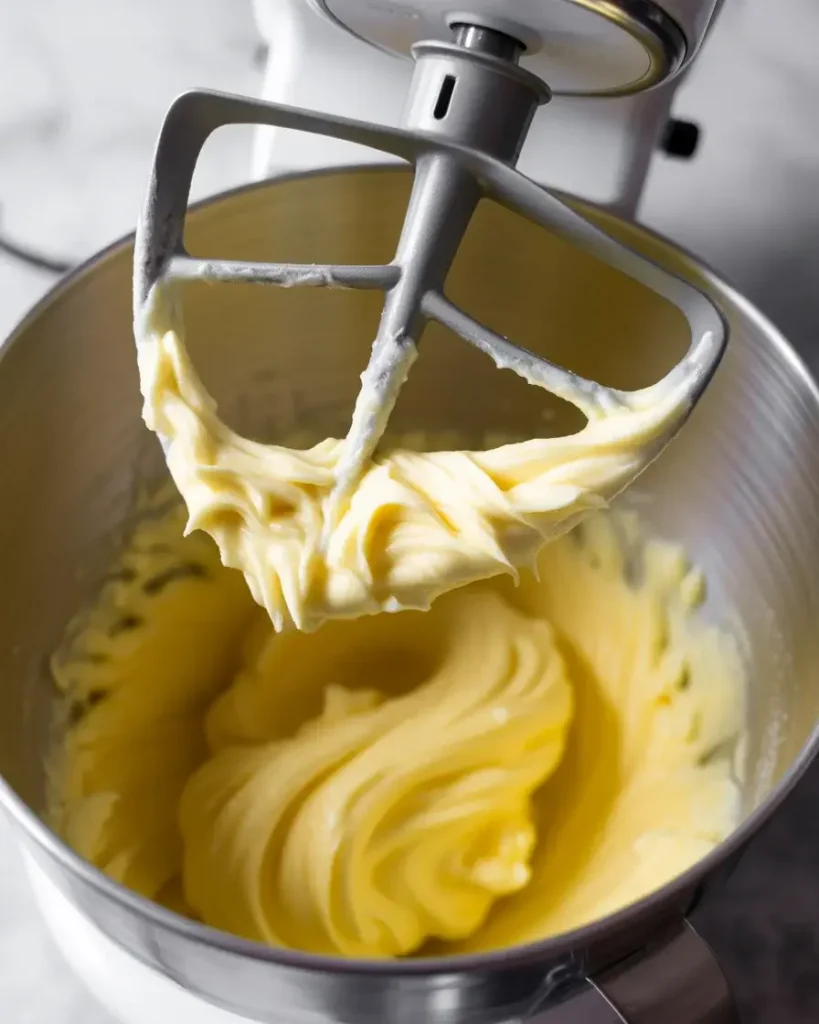
Beat 1 cup softened unsalted butter with 1 cup granulated sugar and 1/2 cup packed brown sugar on medium speed for 4 full minutes until pale and fluffy. When I first started making this cake, I rushed this step at 2 minutes and the texture was noticeably denser.
You’re looking for the mixture to turn from yellow to nearly white, and it should feel light and airy when you stop the mixer. That’s your cue it’s ready.
Step 4: Add Eggs and Vanilla
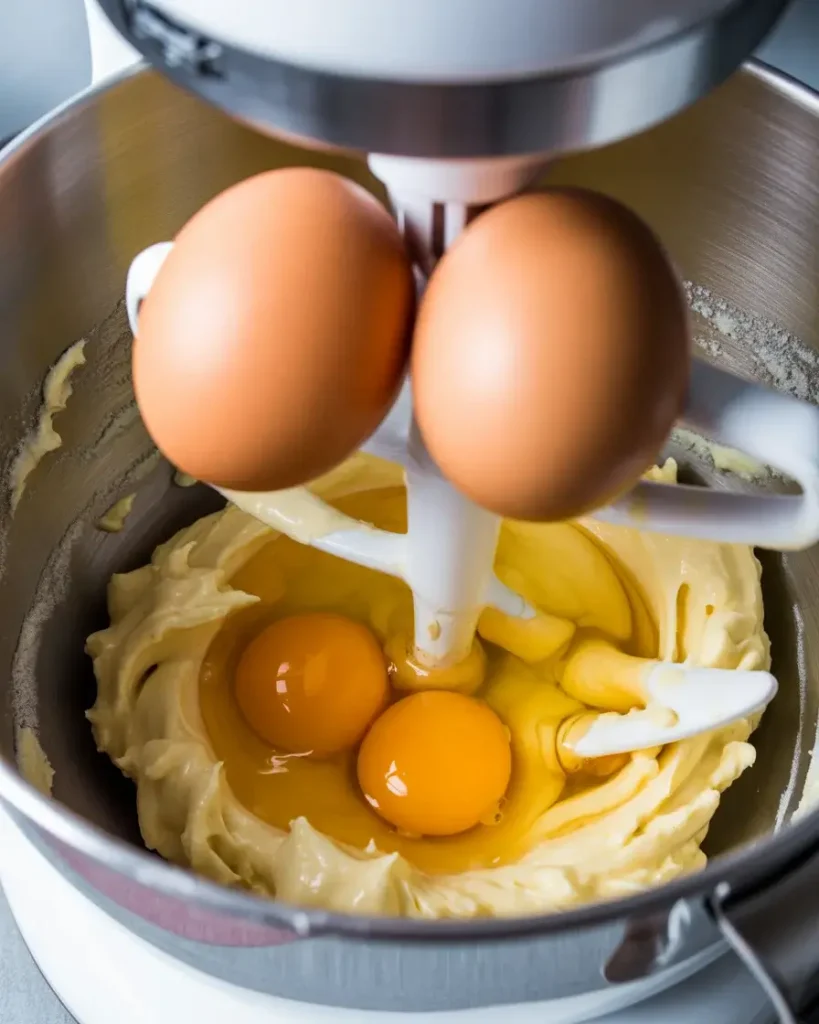
Add 3 large room-temperature eggs one at a time, beating for 30 seconds between each addition. Then add 2 teaspoons pure vanilla extract and 1 teaspoon butterscotch extract if you have it.
I once added all three eggs at once and the batter curdled slightly. It didn’t ruin the cake, but the crumb was tighter. Adding them one at a time keeps the emulsion smooth and the final cake noticeably lighter.
Step 5: Mix Dry Ingredients and Combine
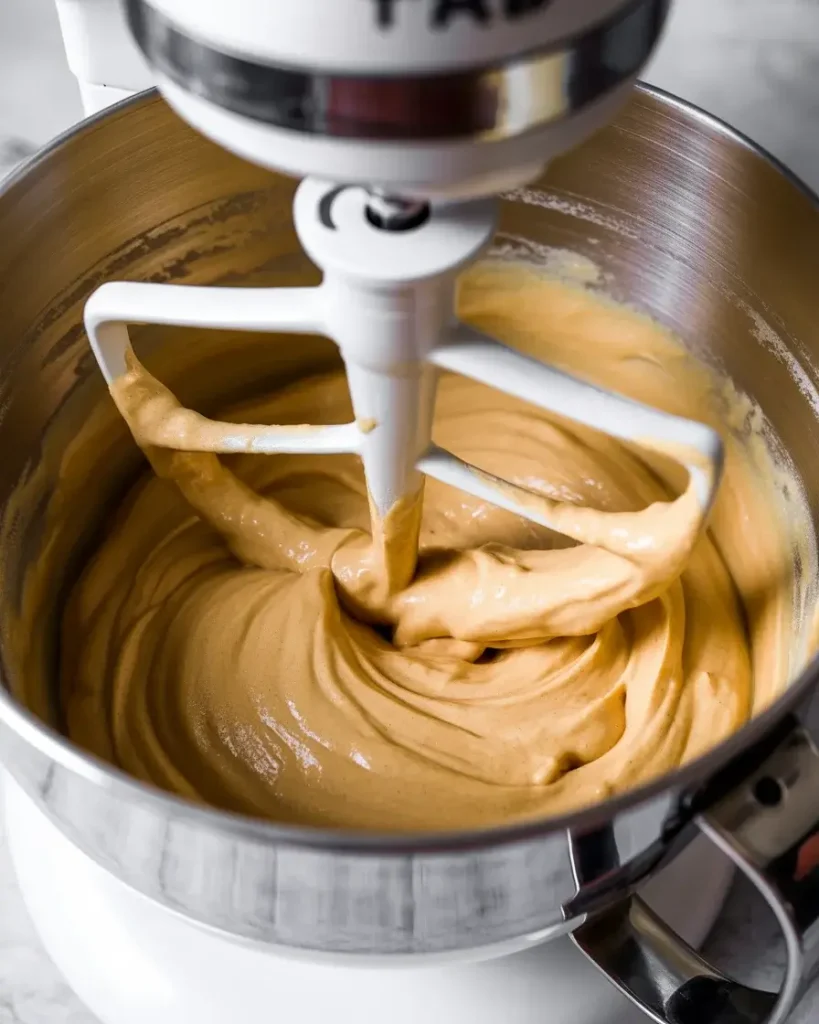
Whisk together 2 1/2 cups all-purpose flour, 2 teaspoons baking powder, and 1/2 teaspoon salt in a separate bowl. Alternate adding the dry mixture and 1 cup whole buttermilk to the batter in three additions, starting and ending with flour.
Don’t overmix once the flour goes in. I tested mixing for 1 minute after the last flour addition and got tunnels in the crumb. Fold just until you see no dry streaks and stop.
Discover More Delicious Recipes
Step 6: Fill Pans and Add Crunch Topping
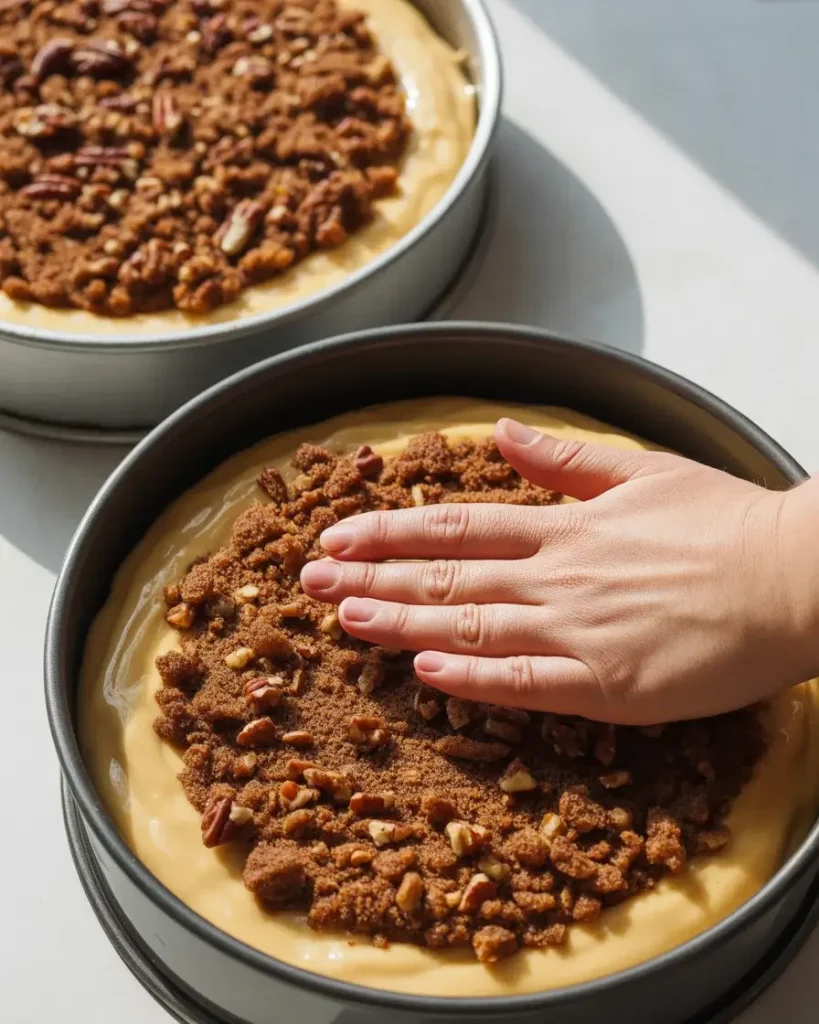
Divide the batter evenly between both prepared pans (about 2 cups per pan) and smooth the tops with an offset spatula. Sprinkle the butterscotch crunch topping generously and evenly over both layers.
Press the topping very gently with your palm so it adheres. I learned after several batches that if you skip this press, large chunks slide off the sides during baking and you lose that gorgeous crunchy crust.
Step 7: Bake and Cool Completely
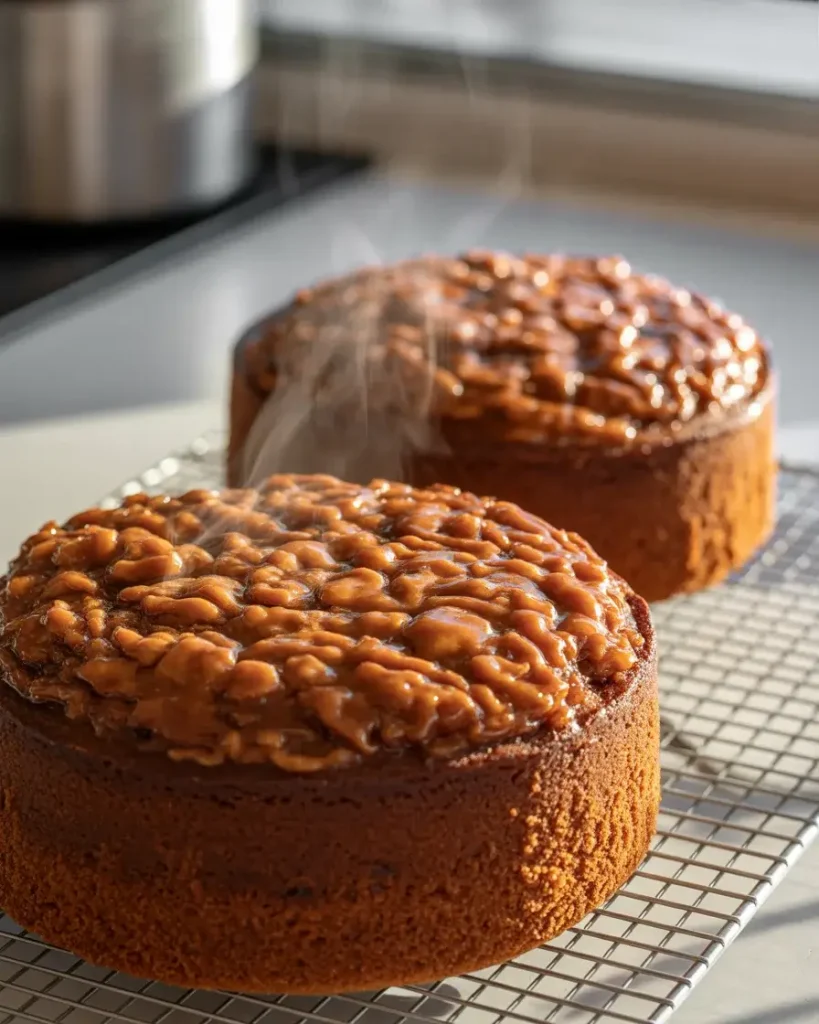
Bake at 350°F for 32-36 minutes. The top should be deep golden brown and a toothpick inserted in the center should come out clean. The crunch topping will look almost caramelized and smell like toffee.
Cool in the pans for 15 minutes before running a knife around the edges and turning out onto a wire rack. Don’t rush this step. I cracked two cakes trying to unmold them at 5 minutes and lost half the crunch topping to the pan.
Step 8: Frost and Stack the Cake
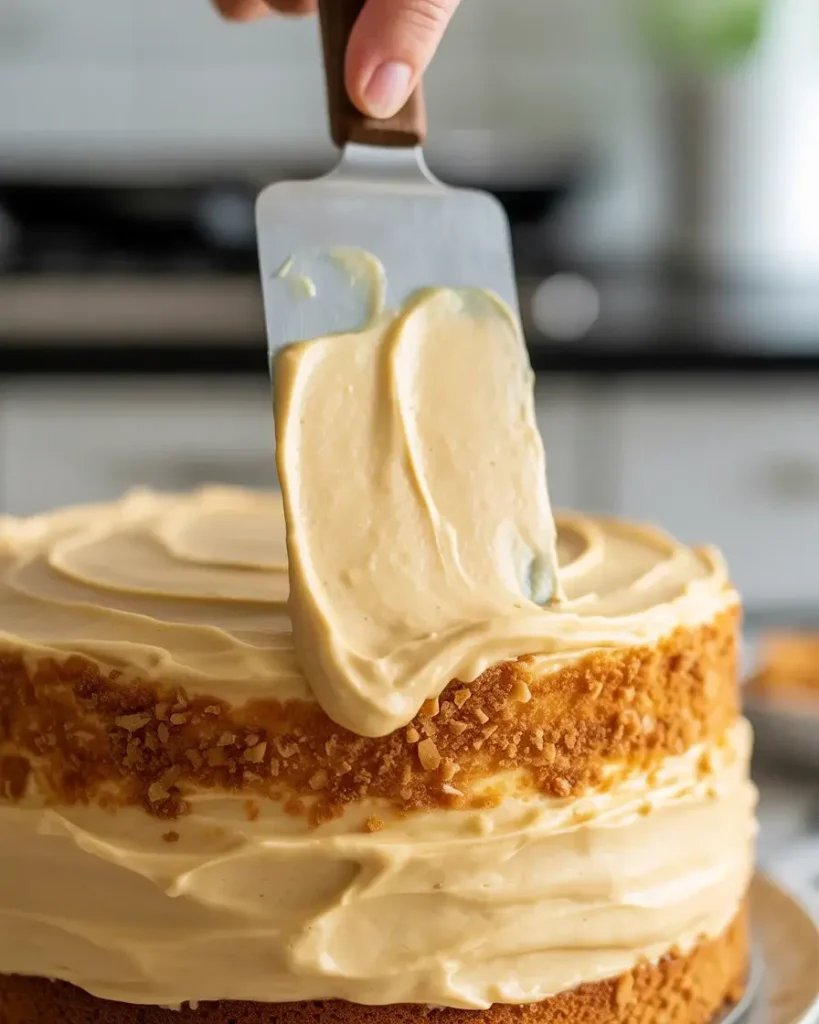
Make a simple butterscotch buttercream by beating 1 cup softened butter with 3 cups powdered sugar, 3 tablespoons heavy cream, and 1/2 teaspoon butterscotch extract. Place one cake layer crunch-side up, add a generous layer of frosting, then stack the second layer crunch-side up on top.
Don’t frost the top, as the crunch topping is the hero here. I tried covering it with frosting once and completely lost the texture contrast that makes this cake so special.
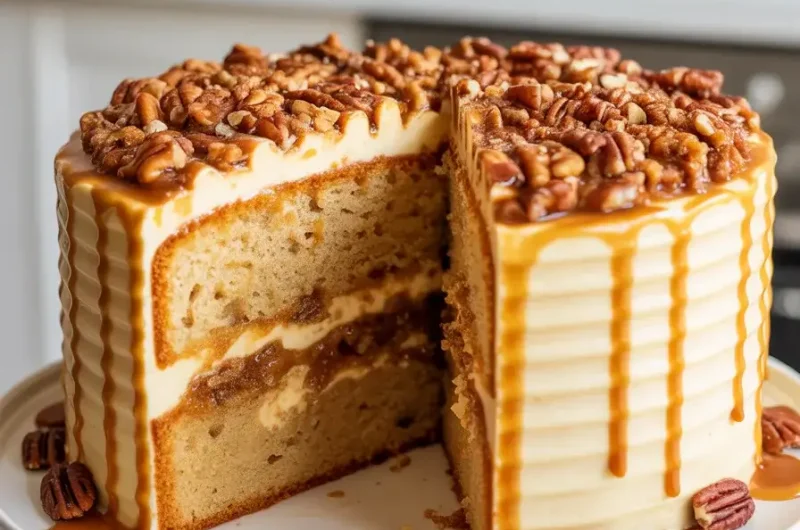
Butterscotch Crunch Cake
Course: DessertCuisine: AmericanDifficulty: Medium12
servings25
minutes36
minutes1
hour1
minuteA moist, tender brown sugar cake topped with a crackling butterscotch pecan crunch. Layered with creamy butterscotch buttercream for a showstopping dessert.
Ingredients
- Butterscotch Crunch Topping
3/4 cup packed dark brown sugar
1/3 cup cold unsalted butter, cubed
1/4 cup all-purpose flour
1/2 cup chopped pecans
- Cake Batter
1 cup unsalted butter, softened
1 cup granulated sugar
1/2 cup packed dark brown sugar
3 large eggs, room temperature
2 tsp pure vanilla extract
1 tsp butterscotch extract (optional)
2 1/2 cups all-purpose flour
2 tsp baking powder
1/2 tsp salt
1 cup whole buttermilk
- Butterscotch Buttercream
1 cup unsalted butter, softened
3 cups powdered sugar
3 tbsp heavy cream
1/2 tsp butterscotch extract
Directions
- Preheat oven to 350°F. Grease and flour two 9-inch round cake pans and line with parchment.
- Make crunch topping: combine brown sugar, cold cubed butter, flour, and pecans. Rub together with fingers until coarse crumbles form. Set aside.
- Beat softened butter with both sugars for 4 minutes until pale and fluffy.
- Add eggs one at a time, beating 30 seconds between each. Add vanilla and butterscotch extract.
- Whisk flour, baking powder, and salt together. Alternate adding dry ingredients and buttermilk in 3 additions, beginning and ending with flour. Mix just until combined.
- Divide batter evenly between prepared pans. Sprinkle crunch topping over both layers and press gently to adhere.
- Bake for 32-36 minutes until golden and a toothpick comes out clean. Cool in pans 15 minutes then turn out onto a wire rack.
- Make buttercream: beat butter until fluffy, add powdered sugar, cream, and butterscotch extract. Beat 3 minutes until smooth.
- Place one cake layer crunch-side up, spread buttercream filling, top with second layer crunch-side up. Do not frost the top.
Notes
- Store assembled cake at room temperature up to 3 days, loosely covered. Avoid refrigerating to keep topping crispy.
Substitute butterscotch extract with 1 tsp extra vanilla if unavailable.
Freeze unfrosted cake layers individually, wrapped in plastic, for up to 3 months.
For a butterscotch drizzle, melt 1/2 cup butterscotch chips with 2 tbsp heavy cream and drizzle over the top just before serving.
Nutrition Table (per serving)
| Nutrient | Amount |
|---|---|
| Calories | 580 |
| Total Fat | 31g |
| Sugars | 52g |
| Protein | 5g |
Trusted Resource Links: For baking safety and food handling tips, visit the FDA Safe Food Handling guide. For nutritional guidance on desserts and balanced eating, check the American Heart Association Healthy Eating resource.
What Makes the Crunch Topping Stay Crispy?
The secret to keeping the crunch topping crispy is cold butter and dark brown sugar. Cold butter creates steam pockets during baking, which puffs and crisps the topping into a toffee-like crust rather than melting into the cake.
I tested this with melted butter once and the topping just sank into the batter and disappeared entirely. Dark brown sugar has more molasses content, which caramelizes at a lower temperature and sets into that hard, brittle crunch.
Make sure to bake uncovered the entire time. Covering the cake even briefly with foil traps moisture and softens the topping. The exposed, dry oven heat is exactly what drives that crackling caramel crust.
Can I Make Butterscotch Crunch Cake Ahead of Time?
Yes, and honestly this cake gets better by day two. The butterscotch flavors deepen overnight and the crumb becomes more moist as it rests. You can bake the layers up to 2 days ahead and store them at room temperature, loosely wrapped.
Don’t refrigerate the assembled cake if you want to preserve the crunch topping. Cold air pulls moisture from the crunch and makes it chewy instead of crispy. I made this mistake bringing it to a party and the topping was noticeably softer by the time we served it.
For longer storage, freeze the unfrosted layers individually for up to 3 months. Thaw at room temperature for 2 hours before frosting and serving.
Does Buttermilk Really Matter in This Recipe?
Yes, buttermilk is doing important work here and I would not swap it for regular milk. The acidity in buttermilk reacts with the baking powder to create a noticeably lighter, more tender crumb that you can feel the difference in immediately.
I tested with whole milk in three batches and the cake was denser and less flavorful both times. Buttermilk also balances the sweetness of the butterscotch and brown sugar, giving the cake a slight tang that keeps it from tasting cloying.
If you’re out of buttermilk, add 1 tablespoon white vinegar to 1 cup whole milk and let it sit for 5 minutes. It’s not identical but it worked well in my testing as a reliable backup.
How Do I Get Even Cake Layers?
Use a kitchen scale and weigh the batter into each pan. I target 420-430 grams per pan for this recipe. Before I started weighing, I always ended up with one thick layer and one thin one.
Tap each pan firmly on the counter 5-6 times after filling to release air bubbles and level the batter. Run your spatula across the top in one smooth pass. Layers that are level going in come out level, which makes stacking and presenting the cake much easier.
Bake both pans on the same oven rack positioned in the center. If your oven runs hot in the back, rotate the pans at the 18-minute mark.
Can I Add a Butterscotch Drizzle?
Absolutely, and I actually recommend it for special occasions. Melt 1/2 cup butterscotch chips with 2 tablespoons heavy cream over low heat, stirring constantly until smooth. Let it cool for 10 minutes until thickened but still pourable.
Drizzle it over the finished crunch topping just before serving. Don’t drizzle too early or the warm sauce softens the crunch. I made this for a birthday dinner and drizzled at the table for extra drama and it was a huge hit.
Frequently Asked Questions
Q: Can I use a box cake mix as the base for butterscotch crunch cake?
A: Yes, a yellow or butter cake mix works in a pinch. Prepare per box directions, then add the crunch topping before baking. The homemade version has a richer butterscotch flavor, but the mix version is a solid shortcut on busy days.
Q: Why did my crunch topping sink into the cake?
A: This almost always means the butter in the topping was too warm or melted. Always use cold, cubed butter straight from the fridge. Soft butter blends into the batter instead of staying on top as a separate crispy crust layer.
Q: Can I make this as a sheet cake instead of layers?
A: Absolutely. Pour all the batter into a greased 9×13-inch pan and spread the full crunch topping over it. Bake at 350°F for 38-42 minutes. The sheet version is actually easier to transport and serves a crowd more easily.