Lavender Peach Cake
The first time I made this cake, I added too much dried lavender and ended up with something that tasted like soap. After 15+ test batches, I finally nailed the balance where the floral notes complement the sweet peach without overpowering it.
This cake is tender, fragrant, and gorgeous enough for a dinner party. I’ve tested it with fresh, frozen, and canned peaches, so I’ll tell you exactly which works best and when.
Step-by-Step Instructions
Step 1: Prepare the Lavender Sugar
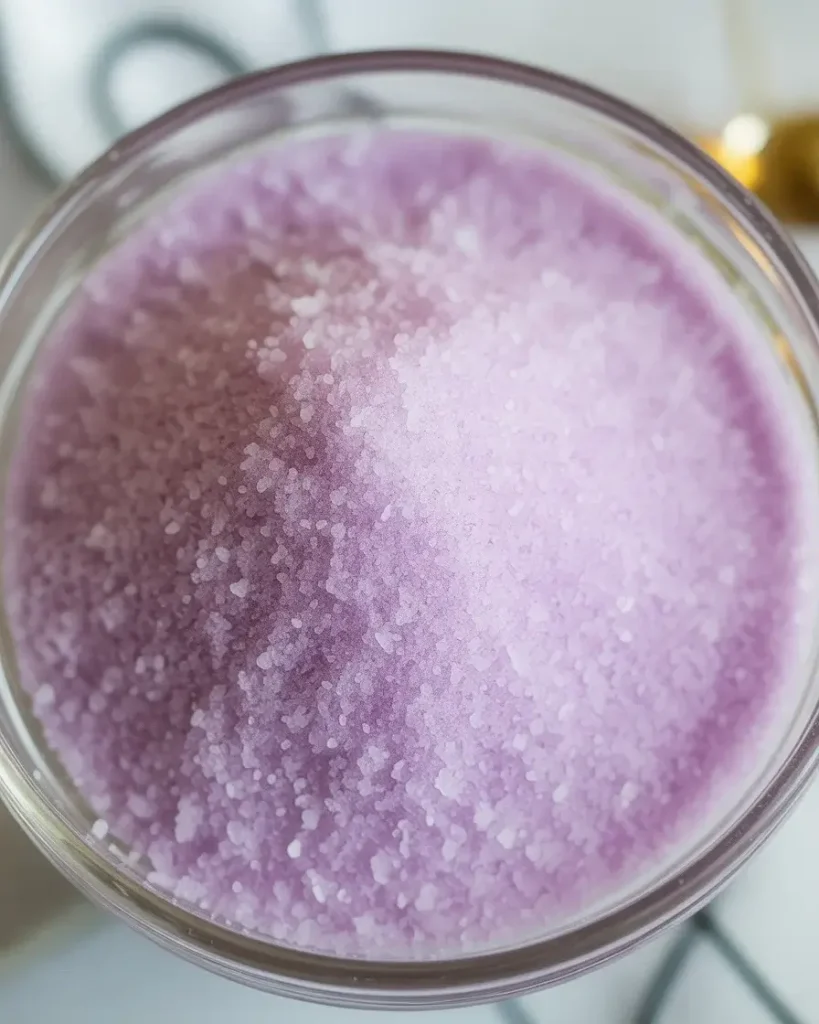
Combine 1 cup granulated sugar with 1.5 teaspoons dried culinary lavender in a food processor. Pulse 8-10 times until the lavender is finely ground and fully incorporated into the sugar. You’ll notice the sugar turns a very faint purple and smells intensely floral.
Don’t skip this step or use whole buds directly in the batter. I made that mistake on batch three and got unpleasant chewy floral bits throughout.
Step 2: Prep the Fresh Peaches
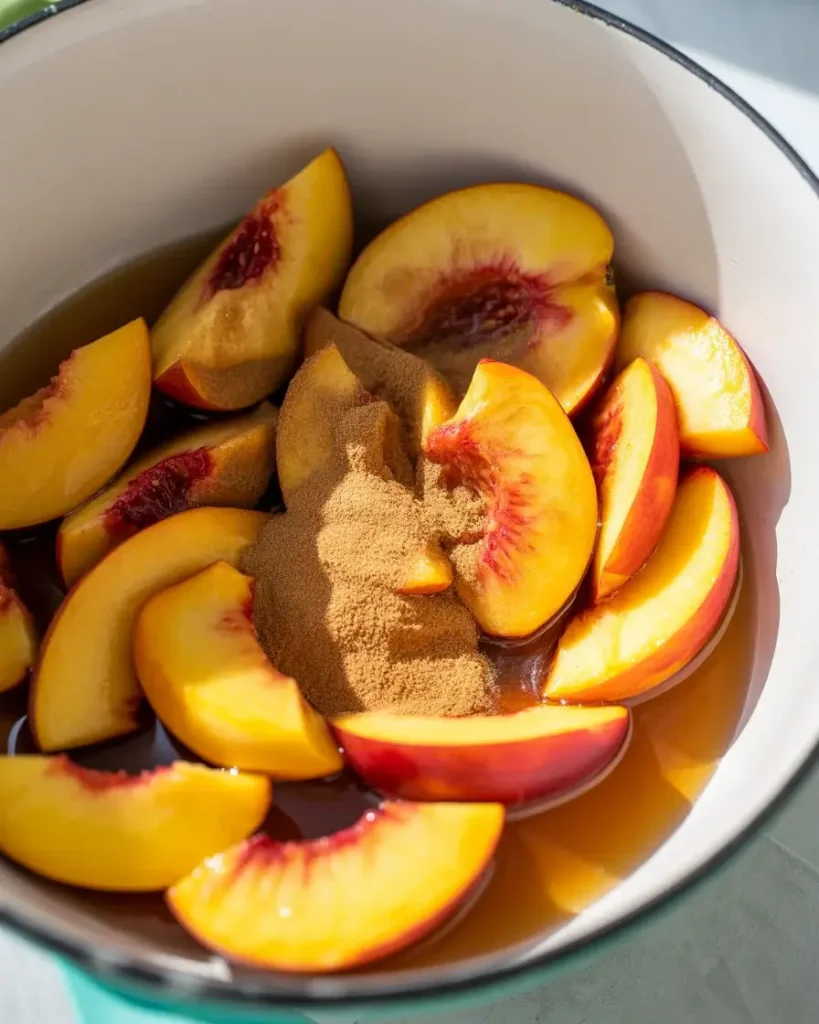
Peel and slice 3 medium ripe peaches into 1/4-inch wedges. Toss them with 1 tablespoon sugar and a pinch of cinnamon, then let them macerate for 15 minutes. You’ll see them release a golden, fragrant syrup.
Fresh peaches are my first choice here. I tested frozen (too watery) and canned (too sweet), and fresh wins every time during summer. If peaches aren’t in season, frozen work if you thaw and pat them fully dry.
Step 3: Cream the Butter and Lavender Sugar
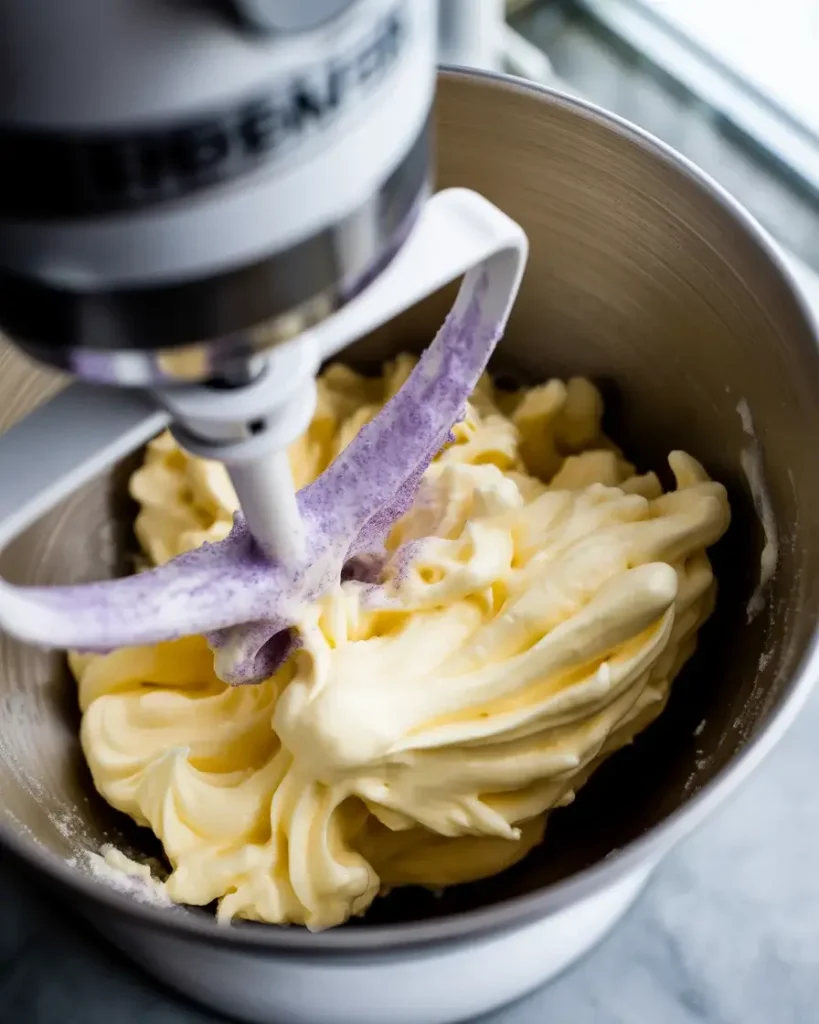
Beat 3/4 cup softened unsalted butter with your lavender sugar on medium-high for 4 full minutes. The mixture should turn noticeably pale, almost ivory, and the texture becomes light and cloud-like.
I used to rush this step and stop at 2 minutes. The cake was denser every single time. Those extra 2 minutes of creaming make a real difference in the final crumb.
Step 4: Add Eggs and Vanilla
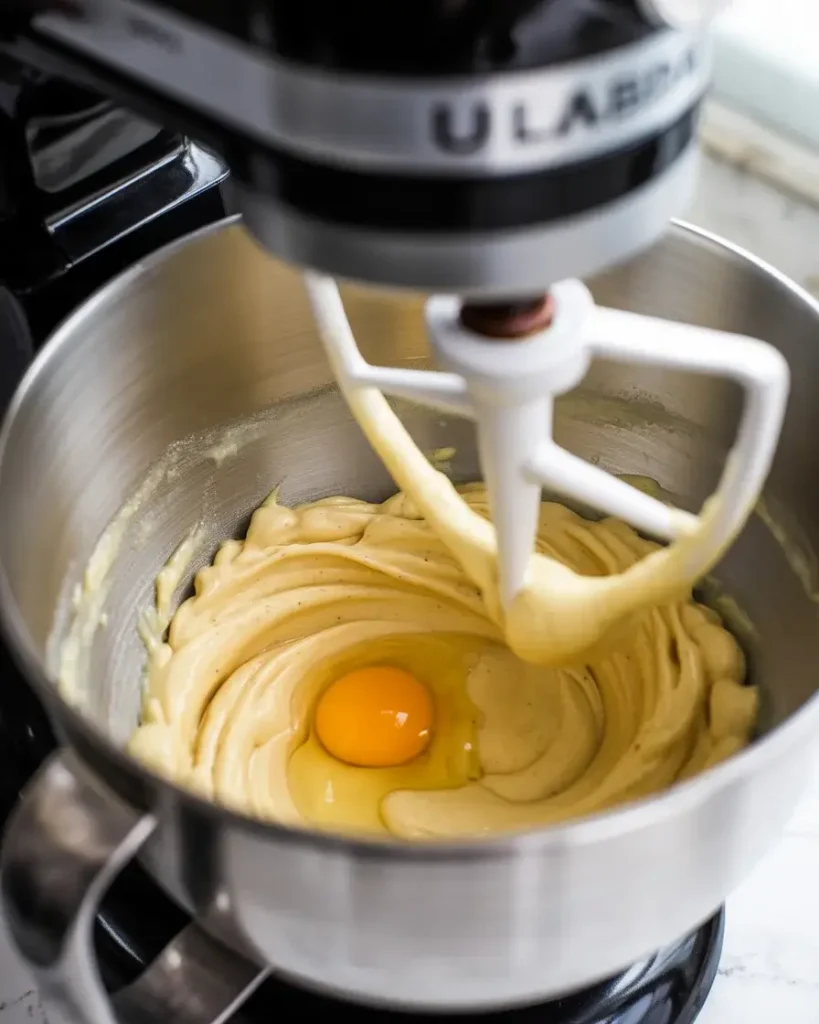
Add 3 large room-temperature eggs one at a time, beating for 30 seconds after each addition. Scrape down the bowl between each egg. Finish with 1.5 teaspoons pure vanilla extract and mix just until combined.
Cold eggs cause the batter to curdle and look broken. I learned this the hard way on batch five. If you forgot to bring them to room temperature, set them in warm water for 10 minutes.
Step 5: Fold in the Dry Ingredients
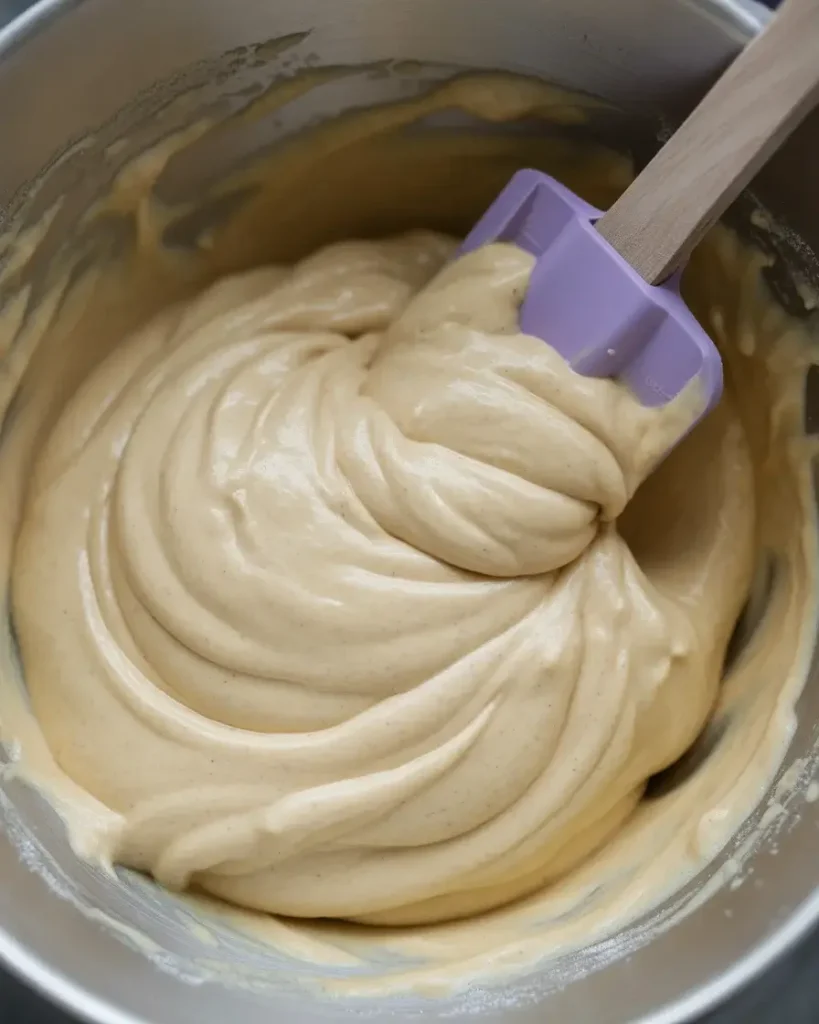
Whisk together 2 cups all-purpose flour, 2 teaspoons baking powder, and 1/2 teaspoon salt. Alternate adding the dry mixture and 3/4 cup buttermilk to the butter mixture in three additions, starting and ending with flour. Fold gently until just combined.
Overmixing at this stage is the most common mistake I see. Stop as soon as no dry streaks remain. The batter should look thick, smooth, and slightly glossy.
Discover More Delicious Recipes
Step 6: Layer the Batter and Peaches
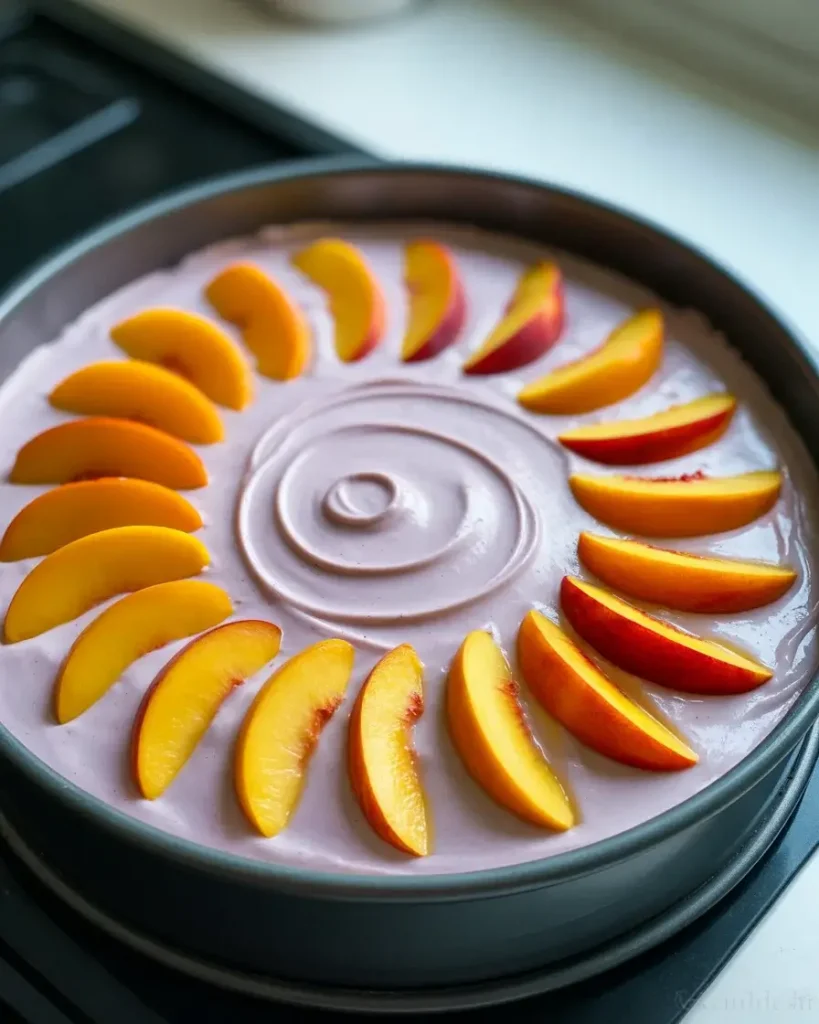
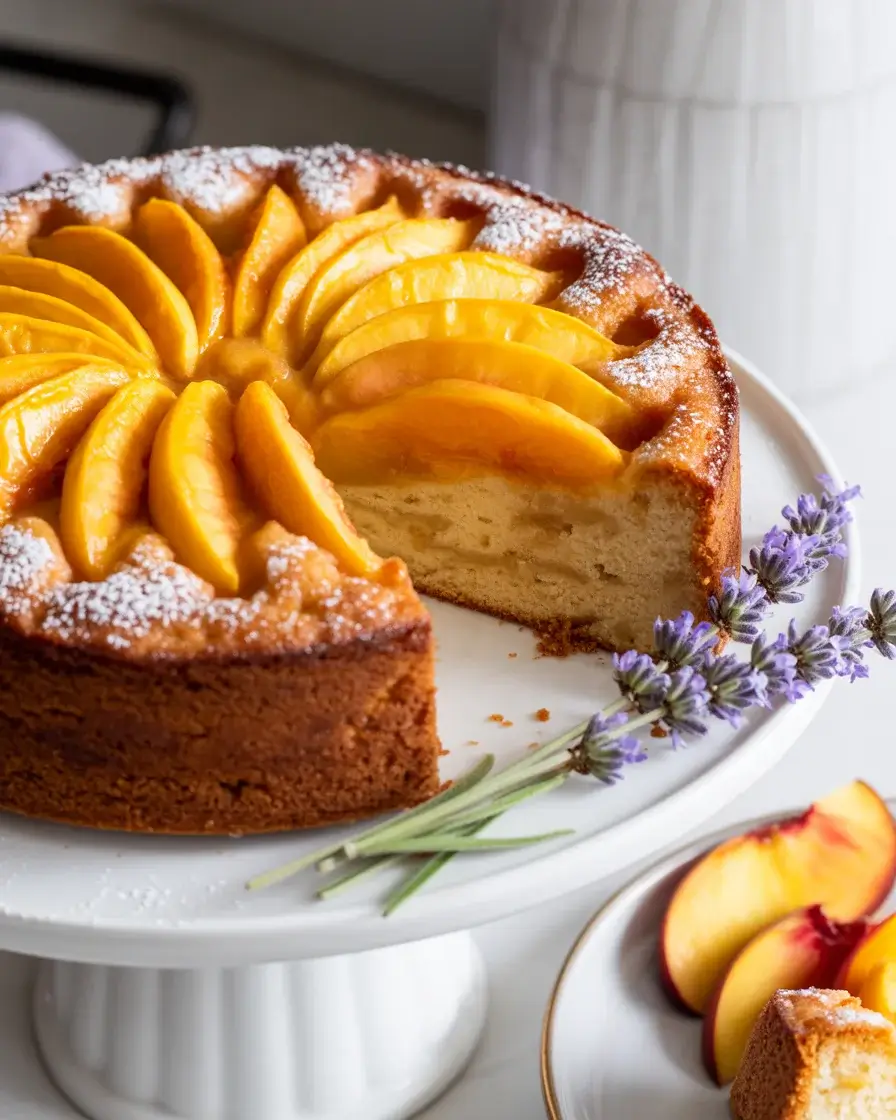
Pour half the batter into a greased 9-inch round cake pan and smooth it flat. Arrange half the macerated peach slices in a single layer, pressing them lightly. Add the remaining batter, then fan the rest of the peaches on top in a circular pattern.
The double-layer peach method is something I figured out after batch seven. It ensures peachy flavor in every single bite, not just on the surface.
Step 7: Bake and Cool
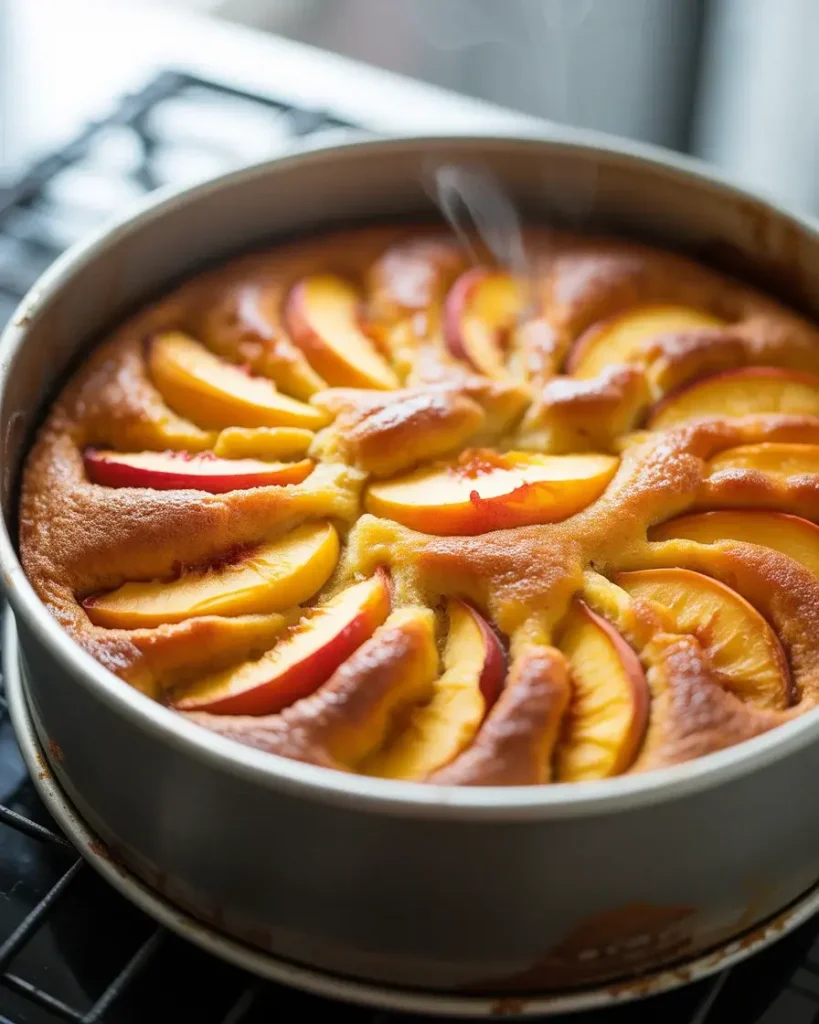
Bake at 350°F for 40-45 minutes on the center rack. The top should be golden, the edges pulling away from the pan, and a toothpick inserted in the center comes out clean. You’ll smell a warm floral-peach fragrance filling your kitchen.
Let the cake cool in the pan for 15 minutes before turning it out. I once unmolded it at 5 minutes and half the peach top stuck to the pan. Patience here is genuinely worth it.
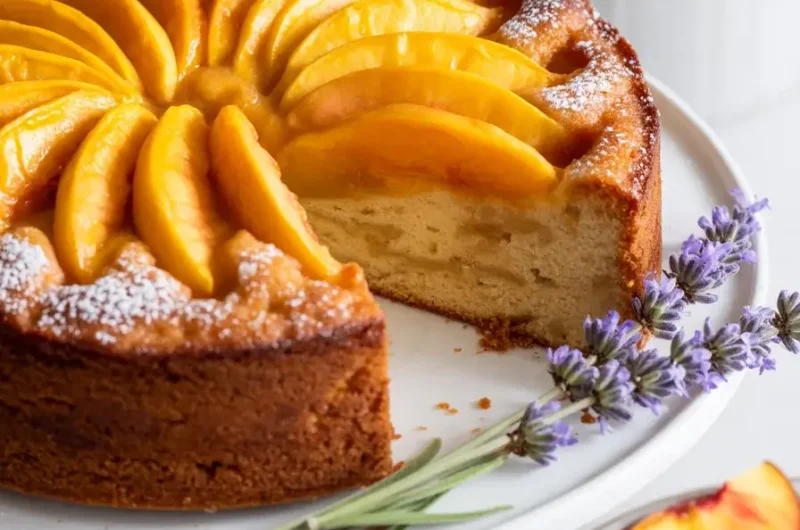
Lavender Peach Cake
Course: DessertCuisine: AmericanDifficulty: Medium10
servings25
minutes45
minutes1
hour10
minutesA tender, floral cake packed with layers of fresh peach and subtle lavender. Beautiful enough for a party, easy enough for any weekend baking session.
Ingredients
1.5 tsp dried culinary lavender
1 cup granulated sugar (divided)
3/4 cup unsalted butter, softened
3 large eggs, room temperature
1.5 tsp pure vanilla extract
2 cups all-purpose flour
2 tsp baking powder
1/2 tsp salt
3/4 cup buttermilk
3 medium ripe peaches, peeled and sliced
1 tbsp sugar (for macerating peaches)
Pinch of cinnamon
Directions
- Pulse lavender with 1 cup sugar in food processor 8-10 times until finely ground.
- Toss peach slices with 1 tbsp sugar and cinnamon. Rest 15 minutes.
- Beat butter and lavender sugar on medium-high for 4 minutes until pale and fluffy.
- Add eggs one at a time, beating 30 seconds each. Mix in vanilla.
- Whisk flour, baking powder, and salt. Alternate adding dry mix and buttermilk in three additions.
- Pour half the batter into a greased 9-inch pan. Layer half the peaches. Add remaining batter and fan peaches on top.
- Bake at 350°F for 40-45 minutes until golden and a toothpick comes out clean.
- Cool in pan 15 minutes, then turn out onto a wire rack.
Notes
- Store at room temperature up to 2 days, refrigerate up to 5 days.
Swap buttermilk with whole milk plus 1 tsp lemon juice if needed.
Bake 1 day ahead unfrosted for deeper lavender flavor.
Always use culinary-grade lavender, not ornamental.
Nutrition Table (per serving)
| Nutrient | Amount |
|---|---|
| Calories | 320 |
| Total Fat | 14g |
| Sugars | 28g |
| Protein | 5g |
Trusted Resource Links: For general baking safety and food handling guidance, visit the FDA Safe Food Handling page. For nutrition insights on balanced dessert eating, the American Heart Association Healthy Eating guide is a helpful reference.
How Much Lavender Should You Use in a Cake?
Use 1 to 1.5 teaspoons of dried culinary lavender per standard cake. More than 2 teaspoons and the flavor turns soapy and overwhelming. Less than 1 teaspoon and you won’t taste it at all.
This range came from pure trial and error over 15 batches. The sweet spot is 1.5 teaspoons when ground into sugar.
Grinding the lavender into the sugar is what unlocks the flavor evenly throughout the batter. Whole buds steep unevenly and create bitter pockets. The sugar infusion method disperses the floral oil throughout every bite.
Always buy food-grade or culinary lavender, not ornamental. I once used lavender from my garden and it tasted like perfume. The culinary variety is milder, cleaner, and specifically grown without pesticides.
Can You Use Canned or Frozen Peaches Instead of Fresh?
You can use frozen peaches if you thaw them completely and pat them very dry with paper towels before using. Canned peaches work in a pinch but must be well-drained and patted dry.
Fresh ripe peaches deliver the best texture and flavor by a wide margin. I ran all three versions side by side and the fresh cake had noticeably more peach flavor and a better texture.
Frozen peaches release more water during baking, which can make the middle of the cake slightly gummy if you’re not careful. Patting them dry for a full minute removes most of this risk.
Canned peaches are pre-sweetened, so reduce the macerating sugar to just half a teaspoon. They soften faster during baking and don’t hold their shape as prettily on the decorative top layer.
What’s the Best Frosting for Lavender Peach Cake?
A lightly sweetened whipped cream or honey mascarpone frosting pairs best. Heavy buttercream drowns out the delicate lavender and peach flavors. Keep the topping light and barely sweet.
I tested cream cheese frosting and it competed too much with the floral notes. Whipped cream at medium peaks spread over the cooled cake is my go-to after testing five different options.
Adding 1 teaspoon of peach jam into the whipped cream bridges the flavors beautifully. I stumbled on this trick on my 12th test batch and never looked back.
For a simpler finish, a light dusting of powdered sugar lets the caramelized peach top shine without any covering. This is what I do when serving it at the table as a showpiece.
How Do You Store Lavender Peach Cake?
Store the cake covered at room temperature for up to 2 days. After that, refrigerate it for up to 5 days. If frosted with whipped cream, it must be refrigerated immediately after serving.
Bring refrigerated slices back to room temperature for 20-30 minutes before serving. Cold cake mutes both the lavender fragrance and the peach sweetness noticeably.
You can freeze unfrosted cake layers tightly wrapped in plastic for up to 2 months. Thaw overnight in the refrigerator, then let it come to room temperature before adding any topping.
Freeze individual slices on a baking sheet first, then transfer to freezer bags. This prevents them from sticking together and makes grabbing a single piece much easier.
Can This Cake Be Made Ahead?
Yes, you can bake this cake 1 day ahead. Wrap it unfrosted and store at room temperature. The lavender flavor actually deepens and mellows slightly overnight, which I personally prefer.
I always bake it the day before for gatherings. It reduces stress and the flavor on day two is genuinely better than day one.
Add your frosting or whipped cream topping within 2 hours of serving. Pre-frosted cakes stored overnight tend to make the surface slightly wet from the peach moisture.
The lavender sugar can be made up to 2 weeks in advance and stored in an airtight jar. This one prep shortcut makes putting the whole cake together feel much faster.
Frequently Asked Questions
Q: Can I use lavender essential oil instead of dried lavender?
A: No. Essential oils are highly concentrated and not safe for cooking. Always use dried culinary lavender, which is food-grade and specifically processed for baking use.
Q: Why does my lavender cake taste like soap?
A: You likely used too much lavender or ornamental lavender. Stick to 1 to 1.5 teaspoons of culinary-grade lavender and always grind it into sugar before adding to batter.
Q: Can I make this as a two-layer cake?
A: Yes. Double the recipe and divide between two 9-inch pans. Bake for 35-40 minutes and stack with whipped cream or mascarpone filling between layers