Almond Custard Cake
The first time I tried making an almond custard cake, the custard sank completely to the bottom instead of creating that beautiful suspended layer. After testing 15 batches, I discovered the secret is in the batter consistency and oven temperature.
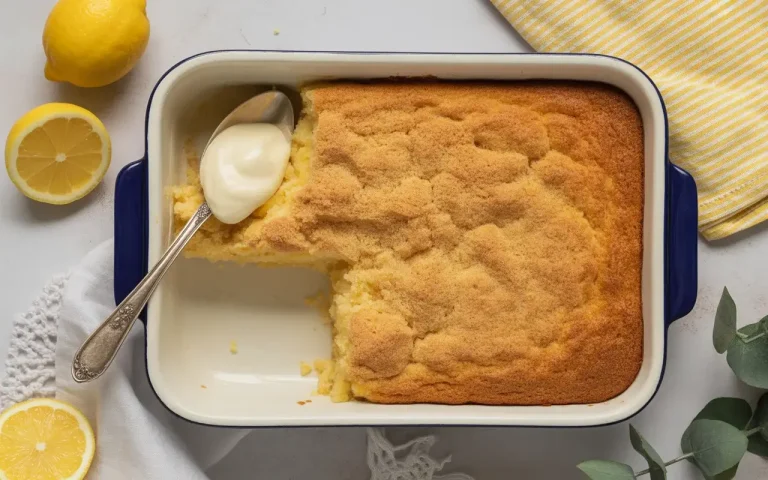
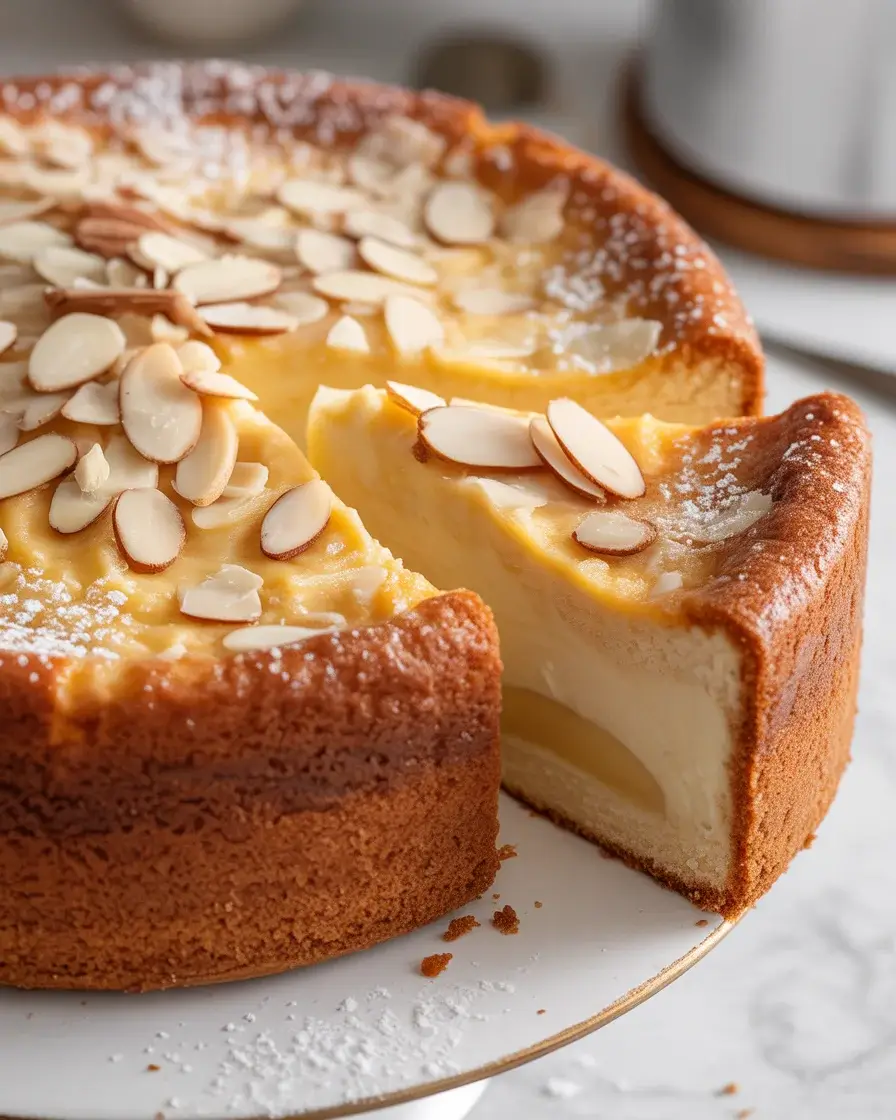
This cake delivers a tender almond-scented crumb on top with a luscious custard layer that forms naturally during baking. The texture contrast between the soft cake and silky custard makes every bite interesting.
Step-by-Step Instructions
Step 1: Prepare the Cake Batter
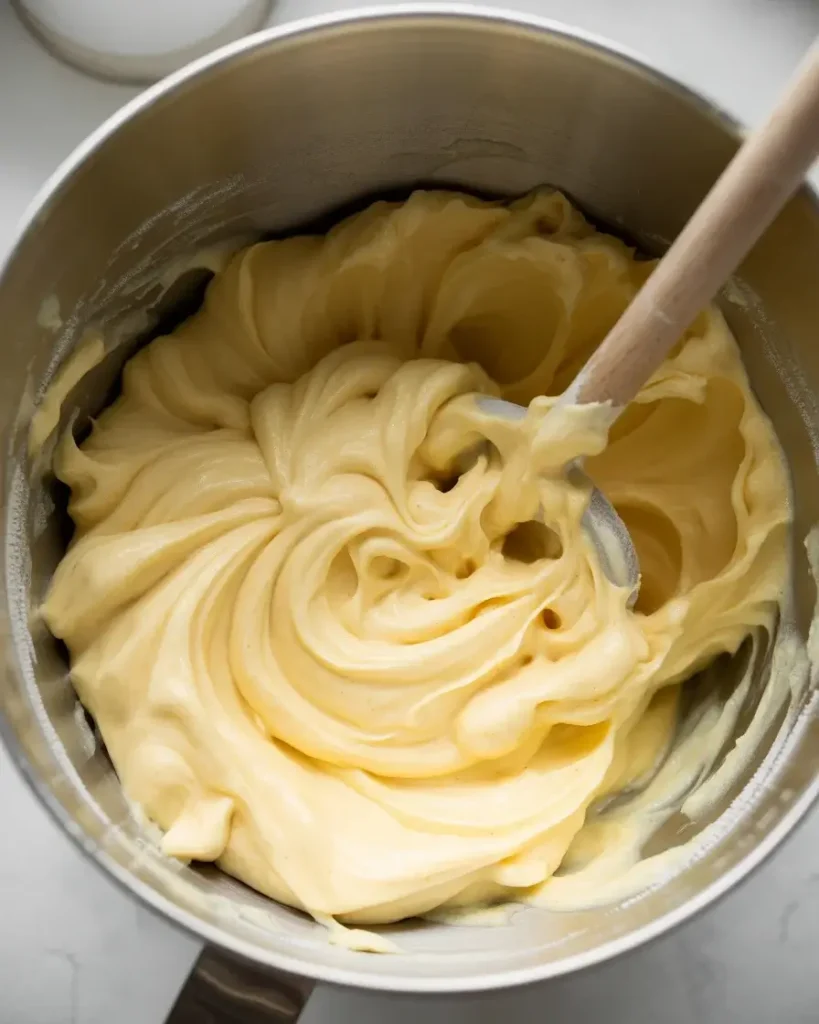
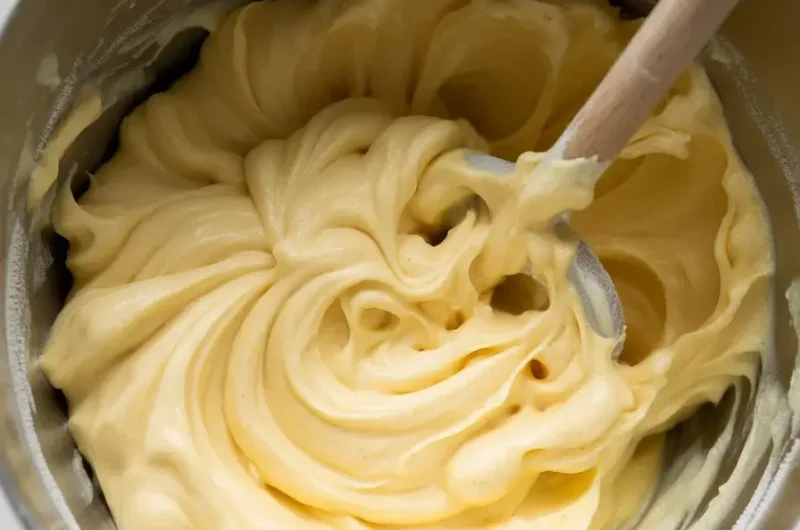
Start by creaming 1/2 cup softened butter with 3/4 cup sugar in a large bowl for 3-4 minutes until light and fluffy. Beat in 3 eggs one at a time, then mix in 1 teaspoon almond extract and 1/2 teaspoon vanilla extract.
In my testing, room temperature eggs incorporate better and create a smoother batter. You’ll know the mixture is ready when it looks pale yellow and slightly increased in volume.
Step 2: Combine Dry Ingredients
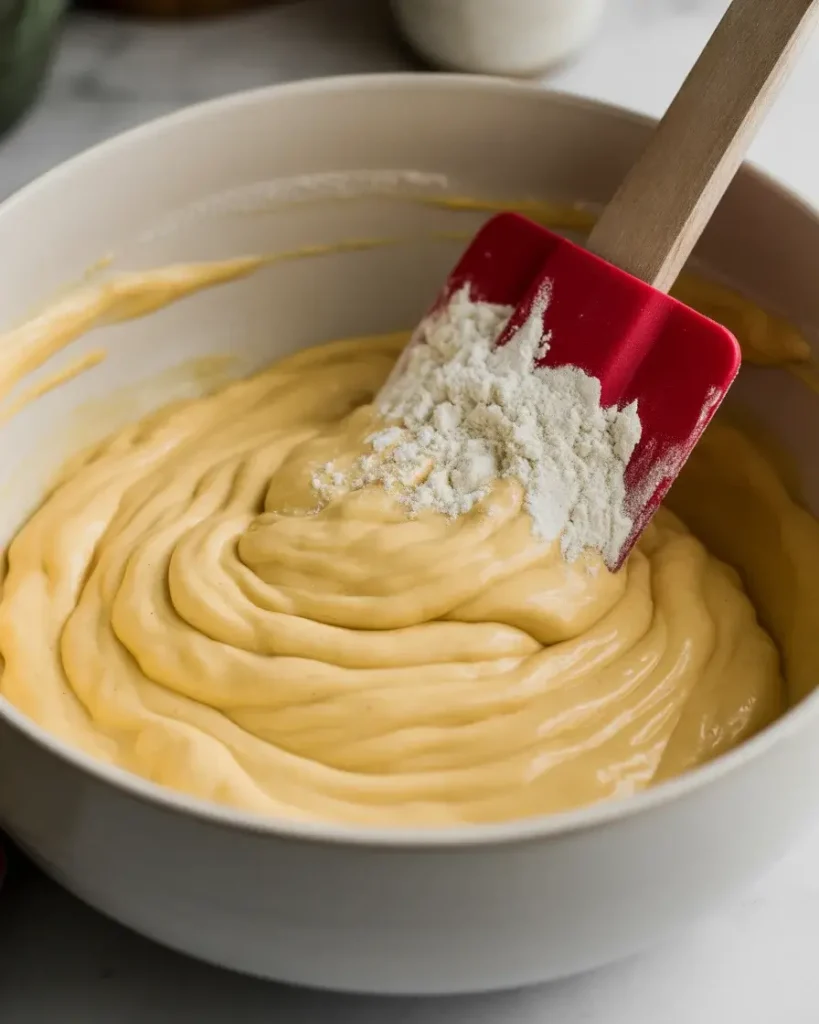
Whisk together 1 cup all-purpose flour, 1 1/2 teaspoons baking powder, and 1/4 teaspoon salt in a separate bowl. Gradually fold the dry ingredients into the wet mixture, alternating with 1/4 cup milk until just combined.
Don’t overmix here or you’ll develop too much gluten and end up with a tough cake. I fold until I see just a few flour streaks remaining, then stop.
Step 3: Prepare the Custard Mixture
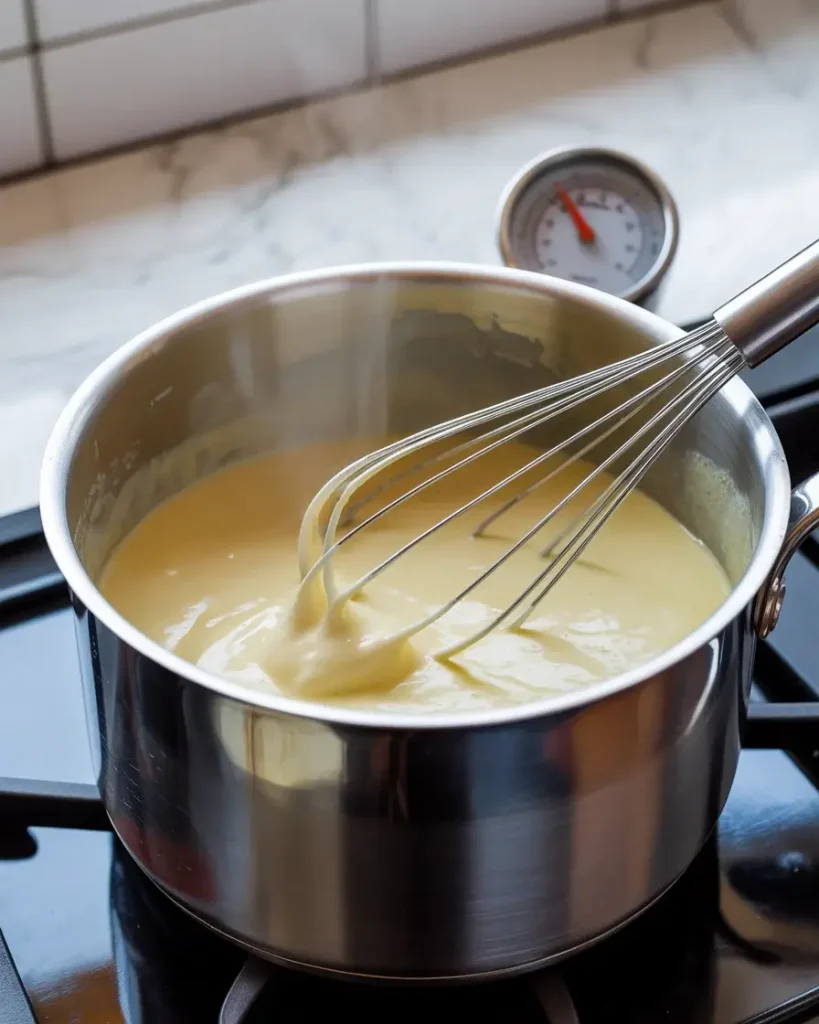
In a medium saucepan, heat 2 cups whole milk with 1/2 cup sugar over medium heat until it reaches 180°F, stirring constantly. Remove from heat and whisk in 1/4 cup cornstarch that’s been mixed with 1/4 cup cold milk until completely smooth.
I learned the hard way that lumpy custard ruins this cake. The cornstarch slurry must be whisked thoroughly before adding it to avoid any clumps forming.
Step 4: Temper and Cook the Custard
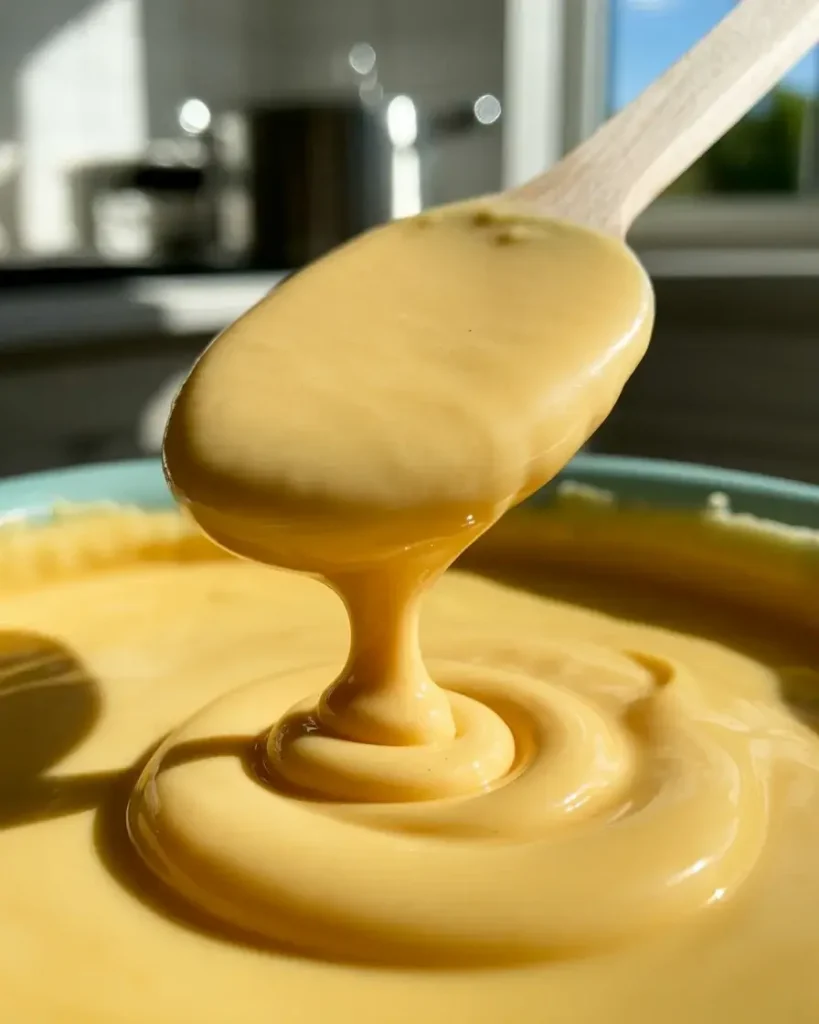
Return the saucepan to medium heat and cook for 2-3 minutes, whisking constantly until the mixture thickens enough to coat the back of a spoon. Remove from heat and stir in 1 tablespoon butter and 1/2 teaspoon almond extract.
The custard should look glossy and leave a clear trail when you run your finger across the spoon. If it’s too thin, cook for another minute while whisking.
Discover More Delicious Recipes
Step 5: Layer and Bake
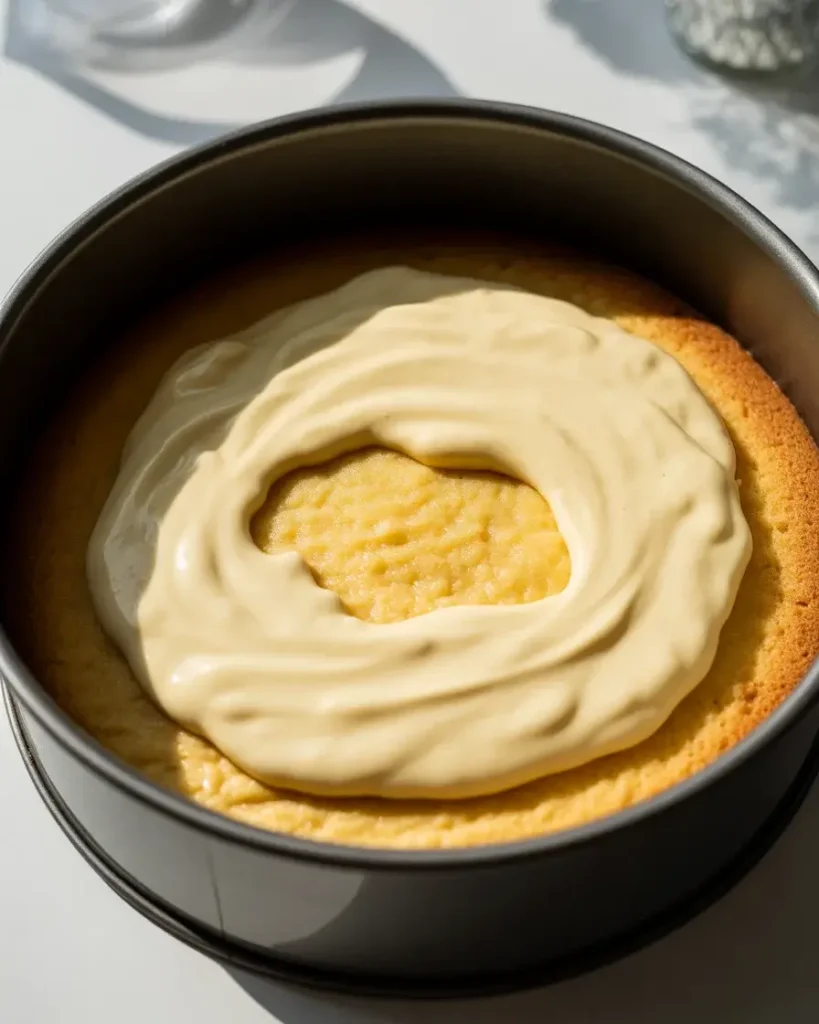
Pour the cake batter into a greased 9-inch round cake pan, spreading it evenly. Carefully pour the warm (not hot) custard over the batter in a slow, steady stream from the center outward.
The custard will seem like it’s just sitting on top, but during baking it magically creates that layered effect. Bake at 350°F for 45-50 minutes until the top is golden brown and a toothpick inserted comes out clean.
Step 6: Cool and Serve
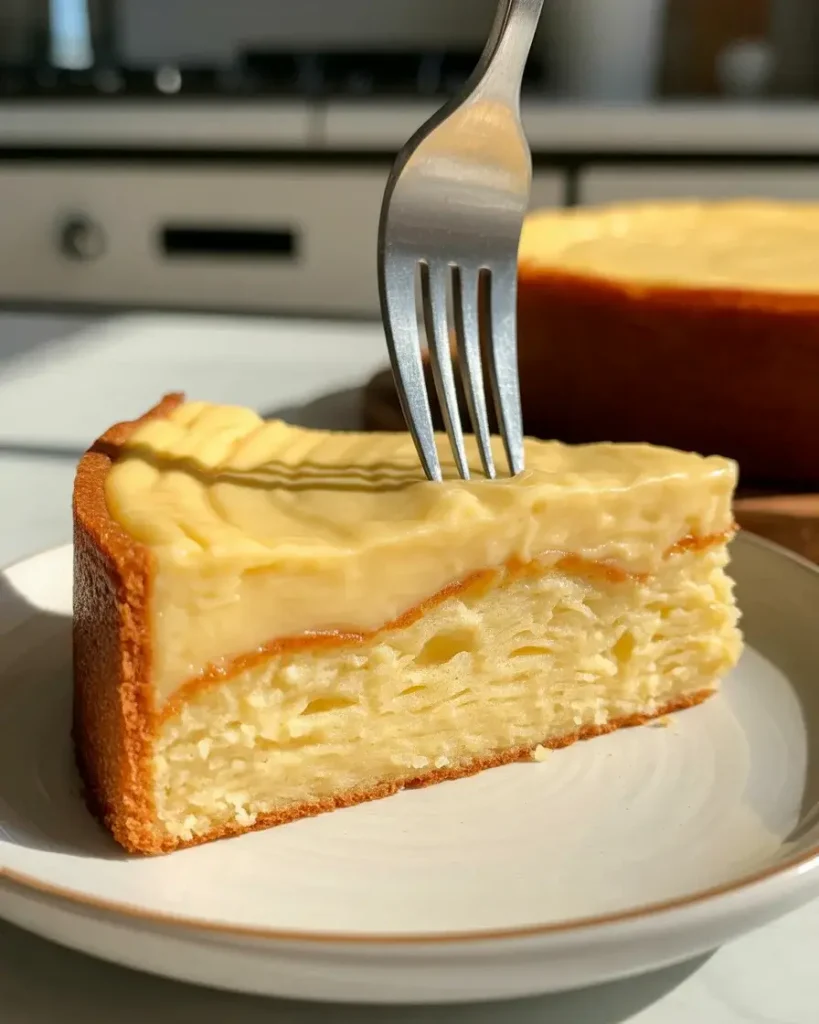
Let the cake cool in the pan for 15 minutes, then carefully invert onto a serving plate so the custard layer ends up on top. The cake needs to cool completely before slicing, about 2 hours at room temperature.
After testing this dozens of times, I found that cutting too early causes the custard to run everywhere. A chilled cake slices even cleaner if you have the patience to refrigerate it for an hour.
Almond Custard Cake
Course: DessertCuisine: EuropeanDifficulty: Medium8
20
minutes50
minutes1
hour10
minutesAn elegant two-layer cake with tender almond-scented crumb and a silky custard layer that forms naturally during baking.
Ingredients
- For the Cake
1/2 cup unsalted butter, softened
3/4 cup granulated sugar
3 large eggs, room temperature
1 teaspoon almond extract
1/2 teaspoon vanilla extract
1 cup all-purpose flour
1 1/2 teaspoons baking powder
1/4 teaspoon salt
1/4 cup whole milk
- For the Custard
2 cups whole milk
1/2 cup granulated sugar
1/4 cup cornstarch
1/4 cup cold milk
1 tablespoon unsalted butter
1/2 teaspoon almond extract
Directions
- Preheat oven to 350°F and grease a 9-inch round cake pan.
- Cream butter and sugar until fluffy, then beat in eggs one at a time.
- Mix in almond and vanilla extracts.
- Whisk together flour, baking powder, and salt in a separate bowl.
- Fold dry ingredients into wet mixture alternating with milk until just combined.
- Heat 2 cups milk and sugar to 180°F, then whisk in cornstarch slurry.
- Cook custard for 2-3 minutes until thickened, then stir in butter and almond extract.
- Pour cake batter into prepared pan and spread evenly.
- Carefully pour warm custard over batter in a steady stream.
- Bake for 45-50 minutes until top is golden and toothpick comes out clean.
- Cool in pan for 15 minutes, then invert onto serving plate.
- Allow to cool completely for 2 hours before slicing.
Notes
- Store covered in refrigerator for up to 3 days
Cake slices cleanest when completely cooled or slightly chilled
Can substitute all almond extract with vanilla if preferred
Custard temperature of 120-130°F is ideal for proper layering
Freeze individual slices for up to 1 month
Nutrition Table (per serving)
| Nutrient | Amount |
|---|---|
| Calories | 285 |
| Total Fat | 12g |
| Sugars | 28g |
| Protein | 6g |
Trusted Resource Links
For more information on baking temperatures and techniques, visit the American Heart Association Healthy Eating guide for nutritional considerations when enjoying desserts.
For safe food handling practices with dairy-based desserts, refer to the FDA Safe Food Handling guidelines.
How Do You Prevent the Custard from Sinking Completely?
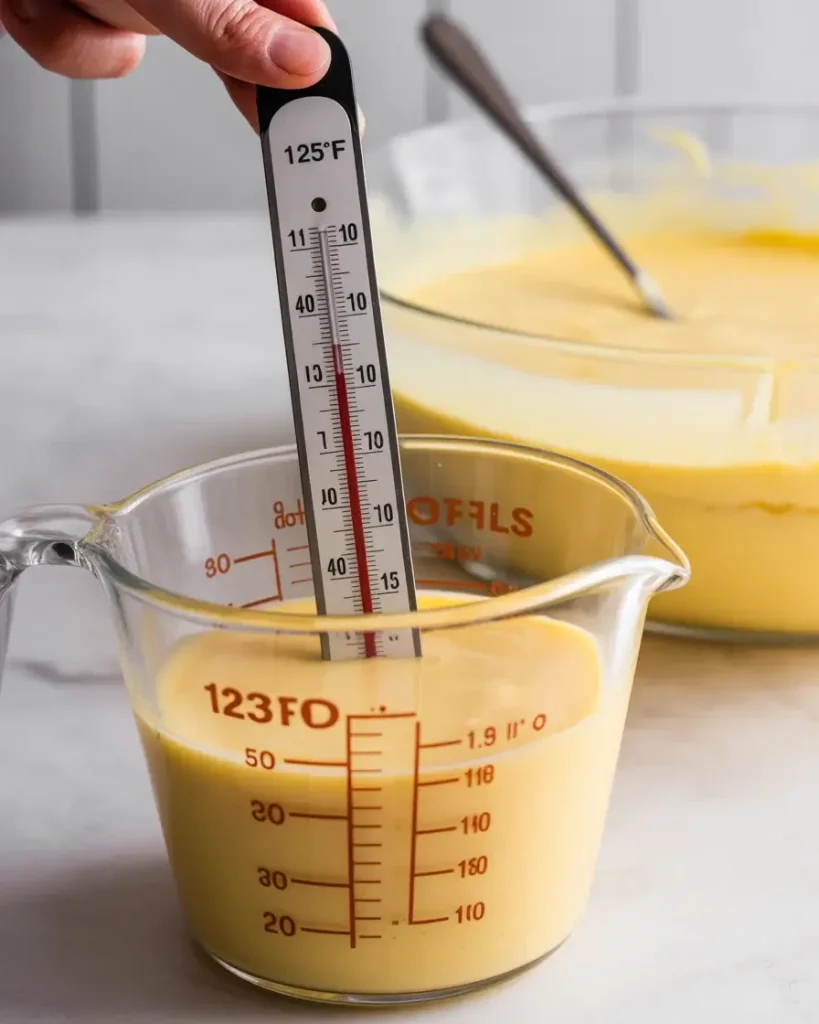
The custard needs to be warm (around 120-130°F) when you pour it over the batter, not hot or cold. I tested this with a thermometer after several failed attempts where the custard either mixed into the batter or formed a hard layer.
The batter consistency matters too. It should be thick enough to support the custard weight but not so thick that they don’t integrate during baking.
I also discovered that oven temperature is critical. At 375°F, the top set too quickly and trapped the custard at the bottom. At 325°F, everything mixed together into one layer instead of staying separate.
The magic happens at exactly 350°F, where both layers bake at the right rate to create that suspended custard effect you’re looking for.
Can You Make This Cake Ahead of Time?
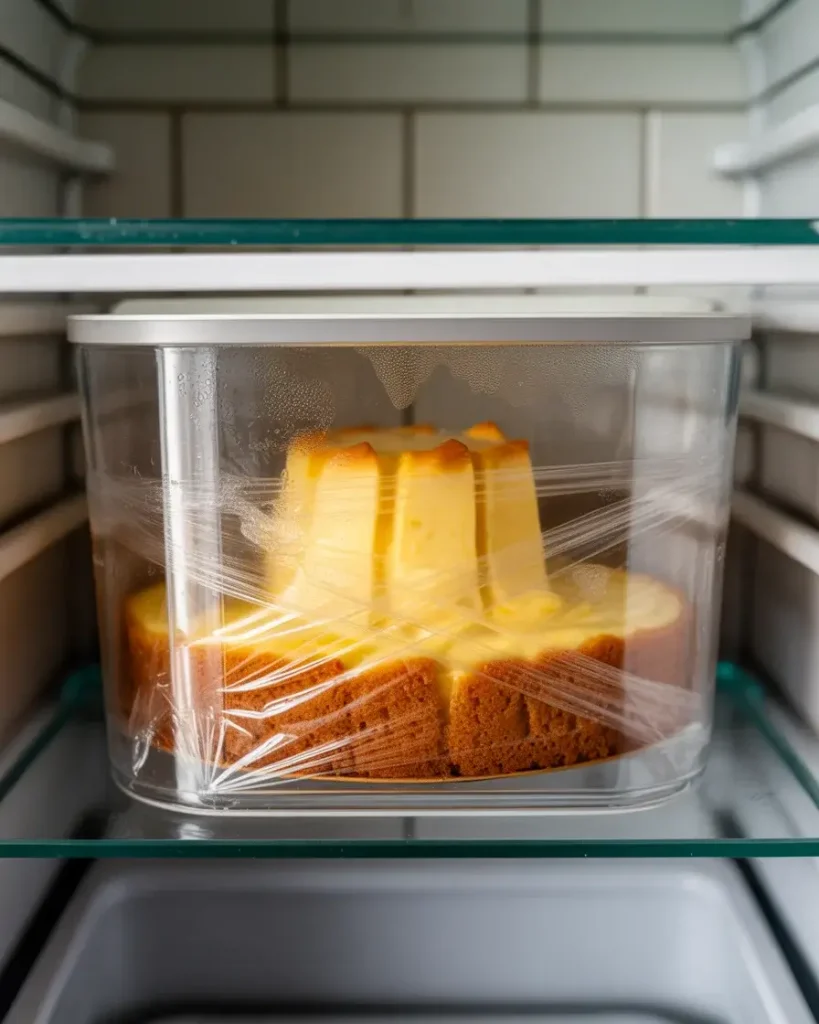
Yes, this cake actually improves after sitting overnight in the refrigerator. The custard layer firms up slightly and the flavors meld together beautifully.
I’ve stored it covered in the fridge for up to 3 days with excellent results. The texture stays moist and the custard doesn’t weep or separate like some custard desserts do.
For the best presentation, bring it to room temperature for 30 minutes before serving. The custard softens just enough to be creamy but still holds its shape when sliced.
You can also freeze individual slices wrapped tightly in plastic wrap for up to 1 month. Thaw in the refrigerator overnight before serving.
What’s the Difference Between Regular Cake and Custard Cake?
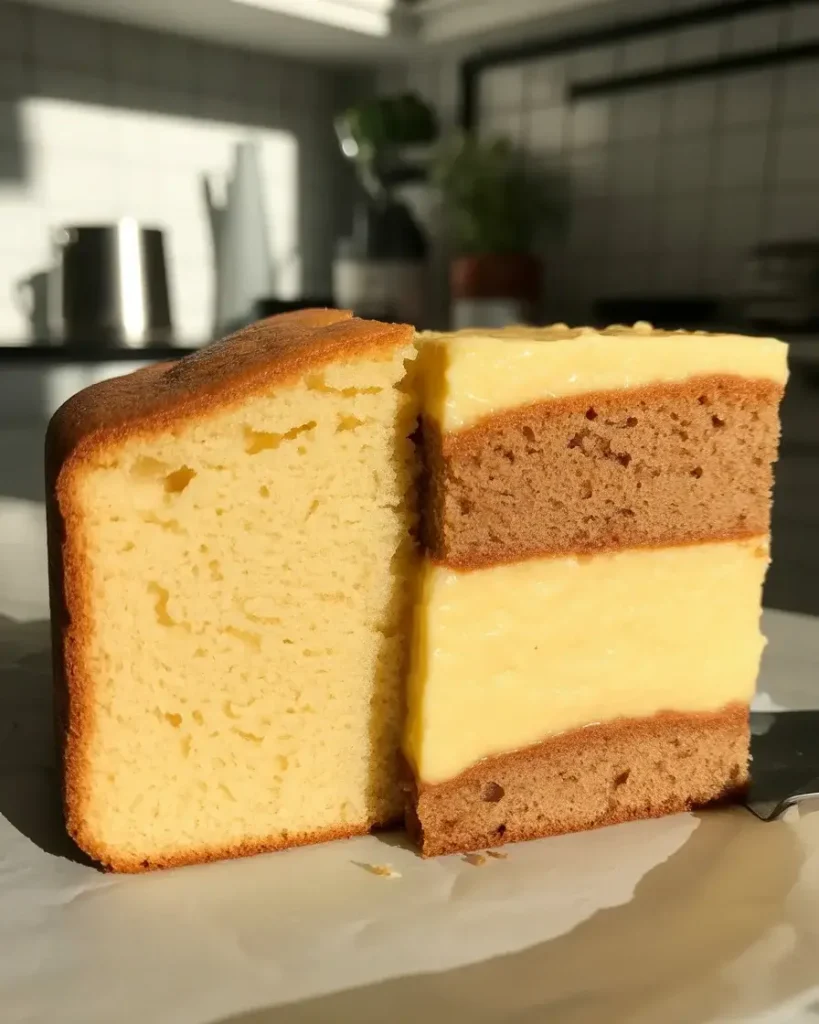
Regular cakes have a uniform crumb throughout, while custard cakes create two distinct layers during baking. The heavier custard mixture settles between the batter layers, creating a creamy center or bottom layer depending on how you invert it.
The texture experience is completely different. You get both fluffy cake and silky custard in one dessert without making two separate components.
In my testing, I found that custard cakes stay moister longer than regular cakes because the custard layer prevents the cake from drying out. This makes them excellent for make-ahead desserts.
The flavor is richer too since you’re getting dairy in both the cake and custard portions. Traditional cakes rely mainly on butter for richness.
Why Use Almond Extract in Both Cake and Custard?
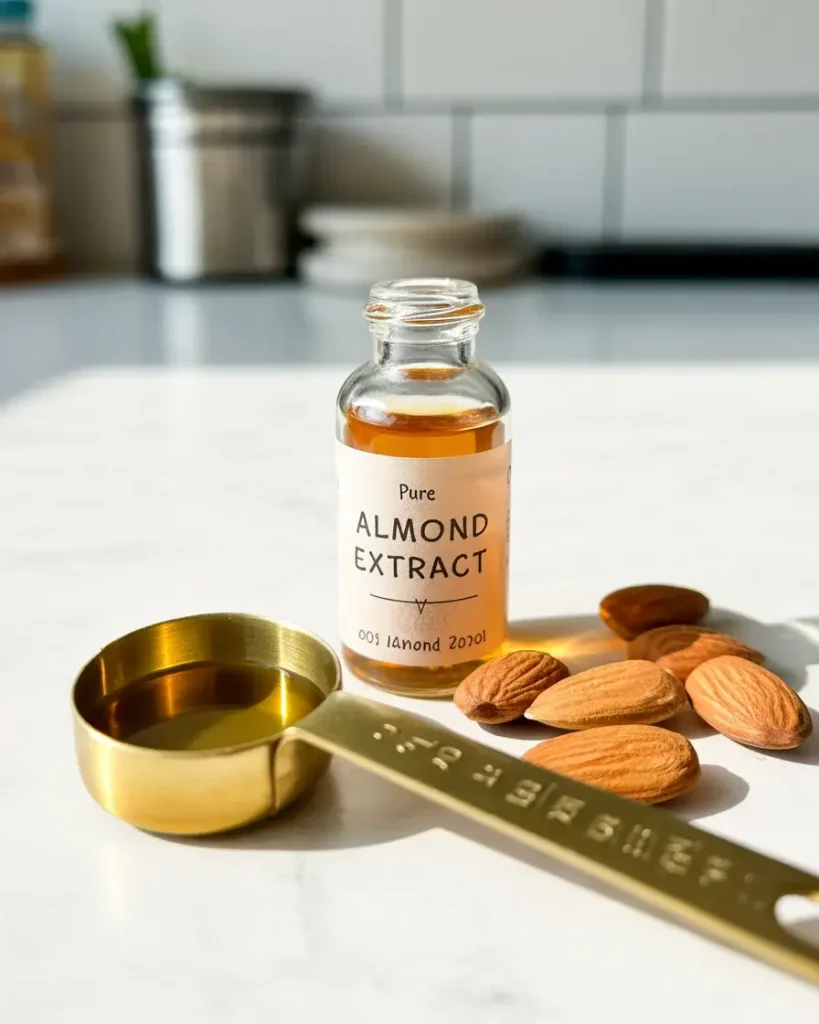
Almond extract provides a sophisticated flavor that’s more complex than vanilla alone. I tested versions with almond only in the cake or only in the custard, and neither had the depth of flavor you get when it’s in both layers.
The extract intensifies during baking, creating an aromatic quality that makes this cake smell incredible coming out of the oven. Just don’t overdo it since almond extract is potent.
I use exactly 1 teaspoon in the cake batter and 1/2 teaspoon in the custard. More than that and the flavor becomes artificial tasting.
You can substitute with vanilla extract if you prefer, but the almond gives this cake its signature character that sets it apart from regular custard cakes.
How Do You Know When the Cake Is Done?
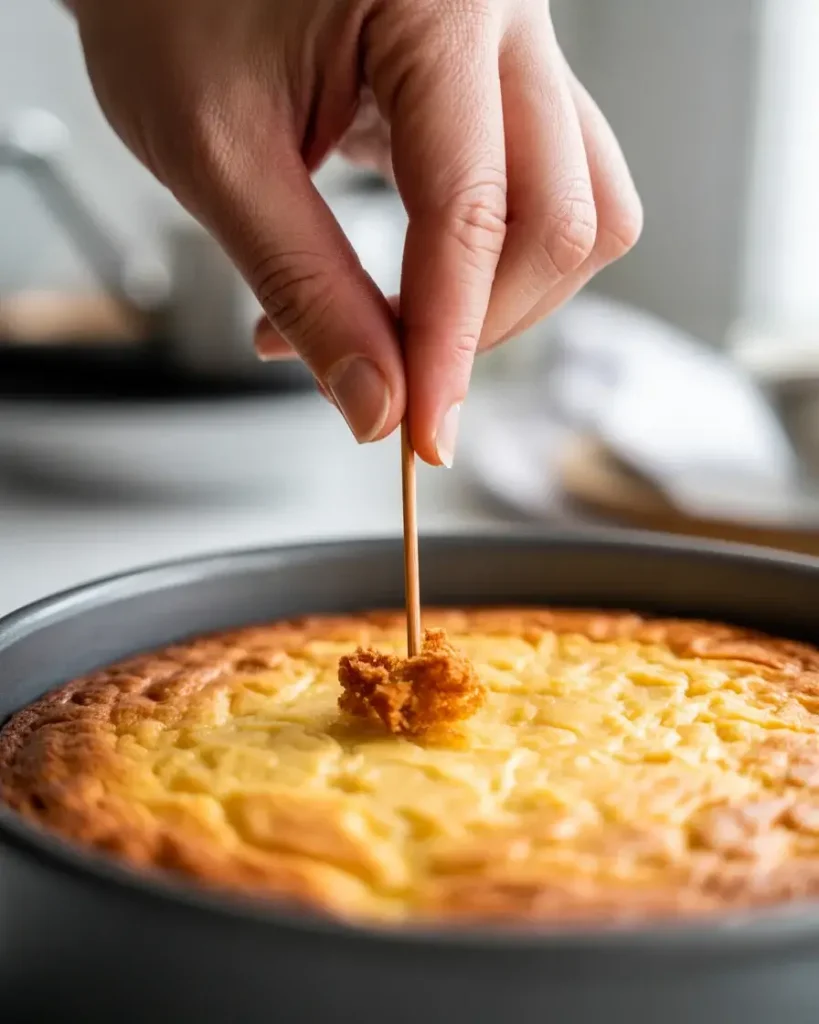
The top should be golden brown and spring back when lightly pressed. I insert a toothpick into the cake portion (not the custard layer) and it should come out with just a few moist crumbs, not wet batter.
The edges will pull away slightly from the pan sides. This is your visual cue that the structure has set properly.
I learned to ignore the jiggle test that works for regular cakes. This cake will have a slight wobble in the center because of the custard layer, and that’s exactly what you want.
The internal temperature should reach 200°F in the cake portion. After 12 failed batches, I started using an instant-read thermometer and haven’t had an underbaked cake since.
Frequently Asked Questions
Q: Can I use low-fat milk instead of whole milk?
A: You can, but the custard will be thinner and less creamy. I tested this with 2% milk and it worked but lacked the rich texture.
The cake also stays moister with whole milk in both the batter and custard.
Q: Why did my custard and cake mix together completely?
A: The custard was likely too hot when you poured it over the batter. It should be warm (120-130°F) but not steaming hot.
Batter that’s too thin can also cause this. Make sure your measurements are accurate.
Q: Can I add sliced almonds on top?
A: Yes, sprinkle them on the custard layer before baking. They’ll toast beautifully and add a nice crunch.
Just press them in slightly so they don’t burn during the 50-minute bake time.